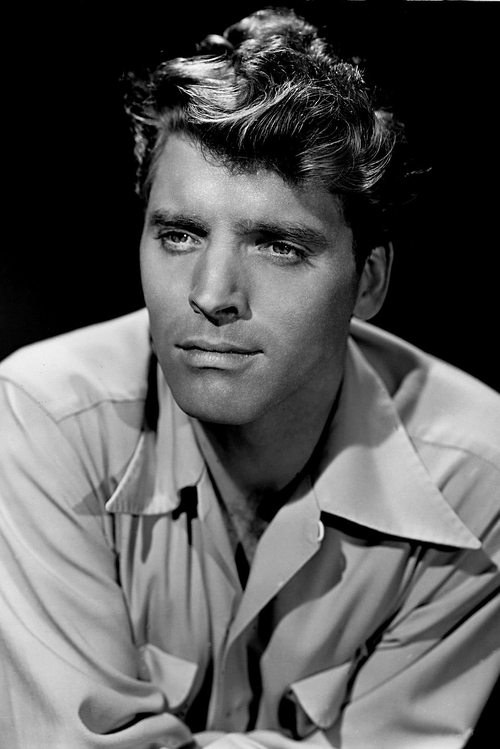
Burt Lancaster
Acting
Biography
Burton Stephen "Burt" Lancaster (November 2, 1913 – October 20, 1994) was an American film actor noted for his athletic physique and distinctive smile (which he called "The Grin"). Later he took roles that went against his initial "tough guy" image. In the late 1950s Lancaster abandoned his "all-American" image and came to be regarded as one of the best actors of his generation. Lancaster was nominated four times for Academy Awards and won once — for his work in Elmer Gantry in 1960. He also won a Golden Globe for that performance and BAFTA Awards for The Birdman of Alcatraz (1962) and Atlantic City (1980). His production company, Hecht-Hill-Lancaster, was the most successful and innovative star-driven independent production company in Hollywood of the 1950s, making movies such as Marty (1955), Trapeze (1956), and Sweet Smell of Success (1957). Lancaster also directed two films: The Kentuckian (1955) and The Midnight Man (1974). In 1999, the American Film Institute named Lancaster nineteenth among the greatest male stars of all time. Description above from the Wikipedia article Burt Lancaster, licensed under CC-BY-SA, full list of contributors on Wikipedia.
Known For

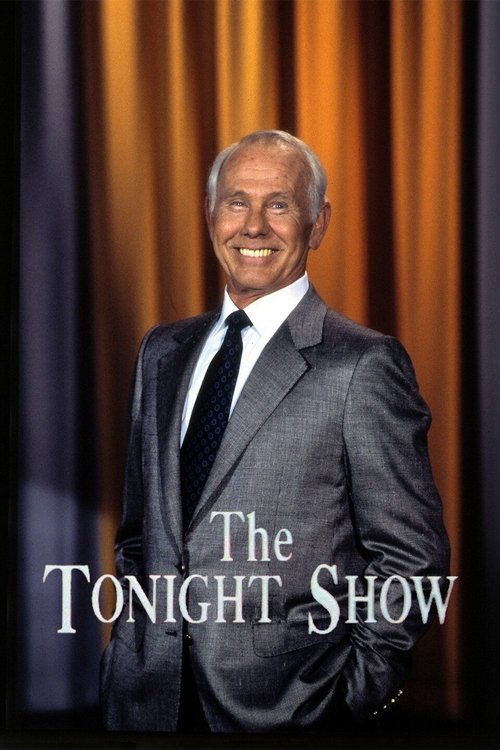
The Tonight Show Starring Johnny Carson is a talk show hosted by Johnny Carson under The Tonight Show franchise from 1962 to 1992. It originally aired during late-night. For its first ten years, Carson's Tonight Show was based in New York City with occasional trips to Burbank, California; in May 1972, the show moved permanently to Burbank, California. In 2002, The Tonight Show Starring Johnny Carson was ranked #12 on TV Guide's 50 Greatest TV Shows of All Time.
The Tonight Show Starring Johnny Carson

An annual awards ceremony recognizing excellence in film and television, both domestic and foreign, bestowed by the Hollywood Foreign Press Association.
Golden Globe Awards

The Dick Cavett Show has been the title of several talk shows hosted by Dick Cavett on various television networks.
The Dick Cavett Show

The Ed Sullivan Show is an American TV variety show that originally ran on CBS from Sunday June 20, 1948 to Sunday June 6, 1971, and was hosted by New York entertainment columnist Ed Sullivan. It was replaced in September 1971 by the CBS Sunday Night Movie, which ran only one season and was eventually replaced by other shows. In 2002, The Ed Sullivan Show was ranked #15 on TV Guide's 50 Greatest TV Shows of All Time.
The Ed Sullivan Show

A talk show presented by Michel Drucker
Les Rendez-vous du dimanche

An annual American awards ceremony honoring cinematic achievements in the film industry. The various category winners are awarded a copy of a statuette, officially the Academy Award of Merit, that is better known by its nickname Oscar.
The Oscars

The Colgate Comedy Hour is an American comedy-musical variety series that aired live on the NBC network from 1950 to 1955. The show starred many notable comedians and entertainers of the era, including Eddie Cantor, Dean Martin and Jerry Lewis, Fred Allen, Donald O'Connor, Bud Abbott and Lou Costello, Bob Hope, Jimmy Durante, Ray Bolger, Gordon MacRae, Ben Blue, Robert Paige, Tony Curtis, Burt Lancaster, Broadway dancer Wayne Lamb and Spike Jones and His City Slickers.
The Colgate Comedy Hour

An American awards show recognizing people in entertainment, voted online by the general public and fans.
People's Choice Awards
Tonight Starring Jack Paar is an American talk show hosted by Jack Paar under The Tonight Show franchise from 1957 to 1962. It originally aired during late-night. During most of its run it was broadcast from Studio 6B inside the RCA Building. The same studio would also host early episodes of The Tonight Show Starring Johnny Carson, and Late Night with Jimmy Fallon. Its theme song was an instrumental version of "Everything's Coming Up Roses", and the closing theme was "So Until I See You" by Al Lerner.
Tonight Starring Jack Paar
Lux Video Theatre is an American anthology series that was produced from 1950 until 1959. The series presented both comedy and drama in original teleplays, as well as abridged adaptations of films and plays.
Lux Video Theatre
No description available.
Système 2

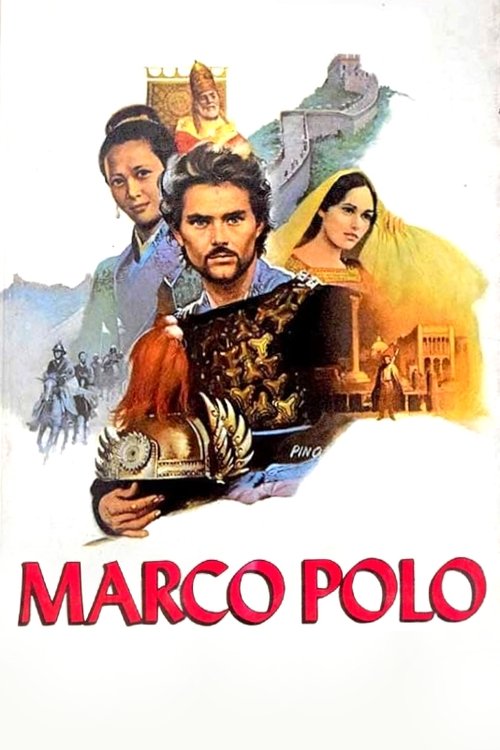
The life of the 13th-century Venetian explorer who sought to connect the civilizations of China and Europe through trade.
Marco Polo

After killing a prison guard, convict Robert Stroud faces life imprisonment in solitary confinement. Driven nearly mad by loneliness and despair, Stroud's life gains new meaning when he happens upon a helpless baby sparrow in the exercise yard and nurses it back to health. Despite having only a third grade education, Stroud goes on to become a renowned ornithologist and achieves a greater sense of freedom and purpose behind bars than most people find in the outside world.
Birdman of Alcatraz

No description available.
Reflets de Cannes

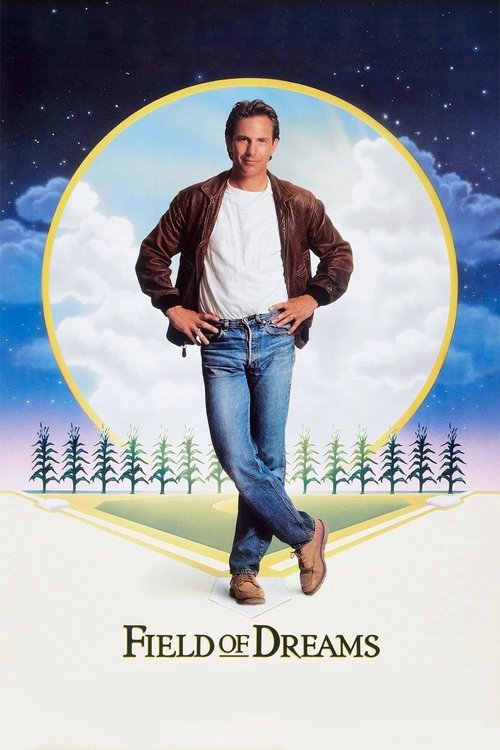
Ray Kinsella is an Iowa farmer who hears a mysterious voice telling him to turn his cornfield into a baseball diamond. He does, but the voice's directions don't stop -- even after the spirits of deceased ballplayers turn up to play.
Field of Dreams

Lawman Wyatt Earp and outlaw Doc Holliday form an unlikely alliance which culminates in their participation in the legendary Gunfight at the O.K. Corral.
Gunfight at the O.K. Corral

Marty, a butcher who lives in the Bronx with his mother is unmarried at 34. Good-natured but socially awkward he faces constant badgering from family and friends to get married but has reluctantly resigned himself to bachelorhood. Marty meets Clara, an unattractive school teacher, realising their emotional connection, he promises to call but family and friends try to convince him not to.
Marty

In 1947, four German judges who served on the bench during the Nazi regime face a military tribunal to answer charges of crimes against humanity. Chief Justice Haywood hears evidence and testimony not only from lead defendant Ernst Janning and his defense attorney Hans Rolfe, but also from the widow of a Nazi general, an idealistic U.S. Army captain and reluctant witness Irene Wallner.
Judgment at Nuremberg

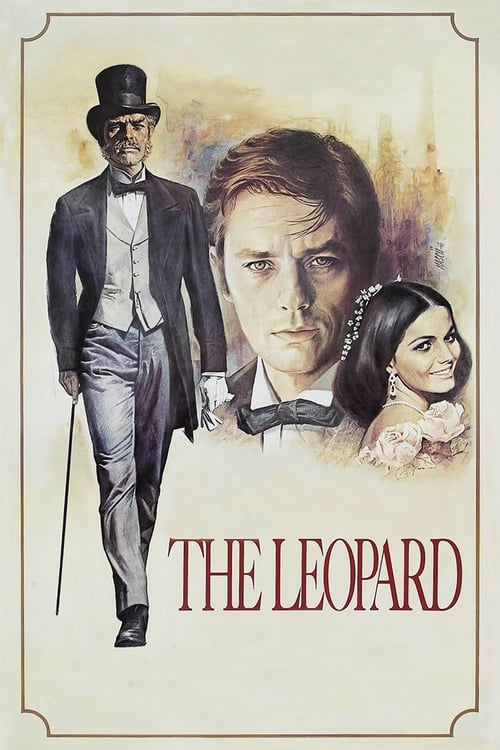
As Garibaldi's troops begin the unification of Italy in the 1860s, an aristocratic Sicilian family grudgingly adapts to the sweeping social changes undermining their way of life.
The Leopard

Passengers on a European train have been exposed to a deadly disease, and nobody will let them off the train.