Lia Laats
Acting
Biography
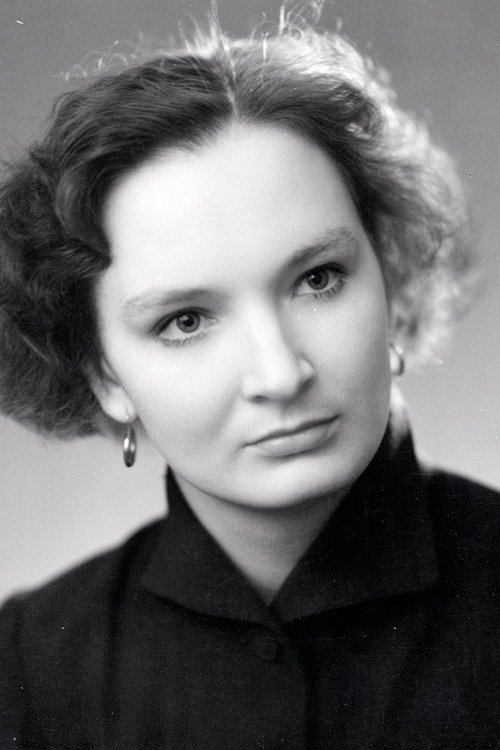
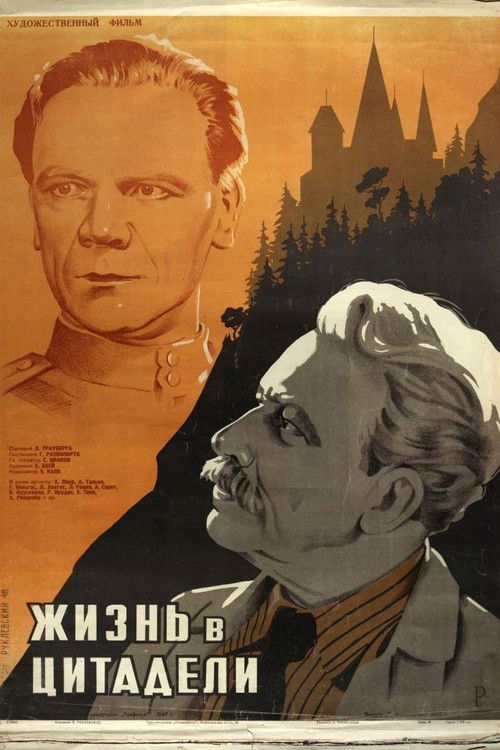
Lia Laats (February 17, 1926 – April 24, 2004) was an Estonian stage and film actress whose career spanned over forty years. Lia Laats was born in Tallinn to Karl René Laats and Helmi Karin Laats (née Tähe), who both worked as domestic servants. She had two older half-siblings from her father's previous marriage. She studied at the National Drama Theatre (now, the Estonian Drama Theatre) in Tallinn, but left her studies in 1946 without graduating. Lia Laats made her screen debut in the 1947 Herbert Rappaport directed Soviet-Estonian language drama Elu tsitadellis (English: Life in a Citadel) for Lenfilm, based on the 1946 play of the same name by Estonian author and communist politician August Jakobson. Elu tsitadellis was the first post-World War II Estonian feature film, following the annexation of Estonia into the Soviet Union. The plot largely revolves around the arrival of the Soviets following the German occupation of Estonia in 1944 and justice being meted out to Estonians who had collaborated with German occupying forces. The film ends with jubilant Estonians celebrating their "liberation" and inclusion into the Soviet Union; accepting the communist ideology. Both the film and Laats were awarded the Stalin Prize. Following several more dramas, Lia Laats was paired with Estonian singer Georg Ots in the 1961 Viktor Nevežin directed light comedy Juhuslik kohtumine. Laats' most memorable roles are arguably in three comedies directed by Sulev Nõmmik and paired onscreen with actor Ervin Abel. The first of which was 1968's Mehed ei nuta, followed by Noor pensionär in 1972 and Siin me oleme! in 1979. The three films proved to be very popular and are still often broadcast on Estonian television.
Known For

Professor August Miilas has succeeded in hiding in his private house from the war. He thinks this is mainly caused by his complete devotion to science. As August is not interested in anything that is going on outside his citadel, his family members avoid disturbing him. However, the political situation disrupt August's quietude. Right in the middle of his domestic citadel, the professor finds out about dangerous secrets so that he must give up this apolitical attitude and open up for the new reality.
Life in the Citadel

Tõnis Hoopkaup is the head of a fishing collective in Tagaranna, a village on the Estonian island of Saaremaa. On the day of his wedding to fishing engineer Riina, he receives two important presents – a new trawling net, which he hopes will help him sail past rival collectives, and a cigarette case with an anchor on it. The case reminds him of his soaring pre-war dreams, when he was in love with the daughter of the most powerful man in Tagaranna. But her hard-hearted father put paid to their wedding plans. Now the bookkeeper Lauer has moved into the old house with his sister Lidia, and Tõnis wants to get close to her, as close as he once was with his great love … The personal and professional misconduct of a functionary who risks foundering morals is at the centre of love triangle drama featuring a wealth of local colour and complex characters.
Underwater Reefs

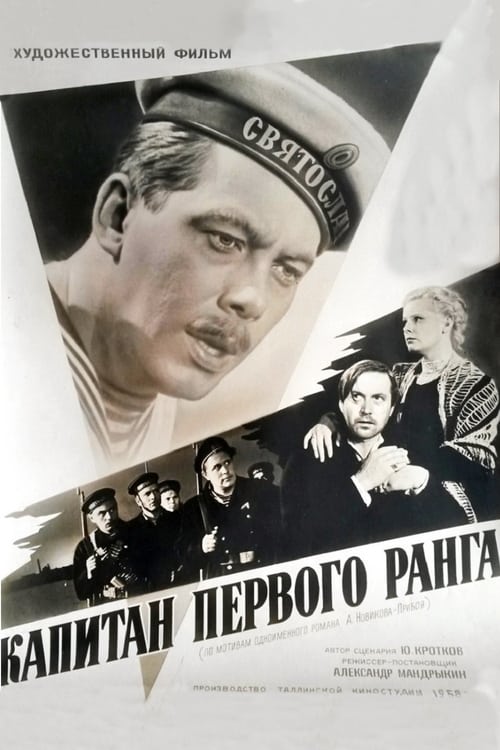
Zakhar Psaltyrev went through many ordeals in the royal fleet, where massacres and bullying of people became a custom. Only thanks to his natural intelligence and perseverance, the illiterate peasant boy managed to avoid the fate of many of his comrades, who became drunkards and lost their human dignity. Captain 1st Rank Lezvin, commander of the cruiser "Svyatoslav", himself suffocating in the difficult atmosphere of the tsarist autocracy, fatherly fell in love with his messenger for his simple Russian soul, quick-witted mind, love for the homeland and hatred of oppression. Zakhar learned a lot from Lezvin, but soon they had to part. Zakhar becomes an active underground Bolshevik.
Captain of the First Rank

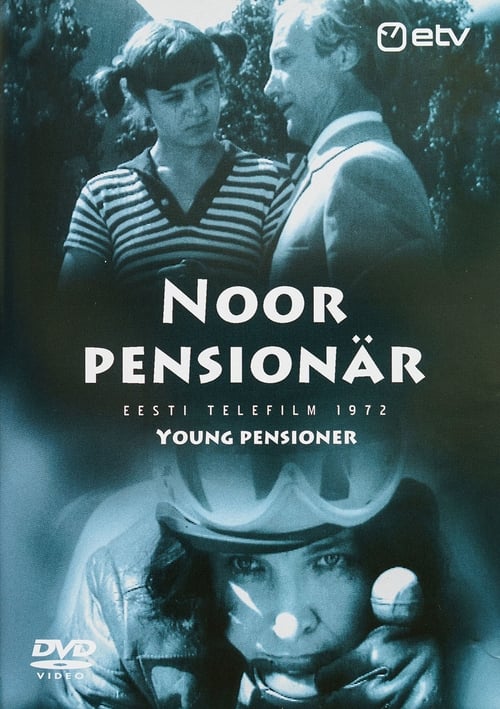
One lovely day a young man, a former ballet dancer suddenly finds himself on a pension and begins searching for a new place in life. Fate brings him together with a rather mischievous young day for whom her mother has been trying to find a tutor. Many exciting events begin to take place.
Young Pensioner

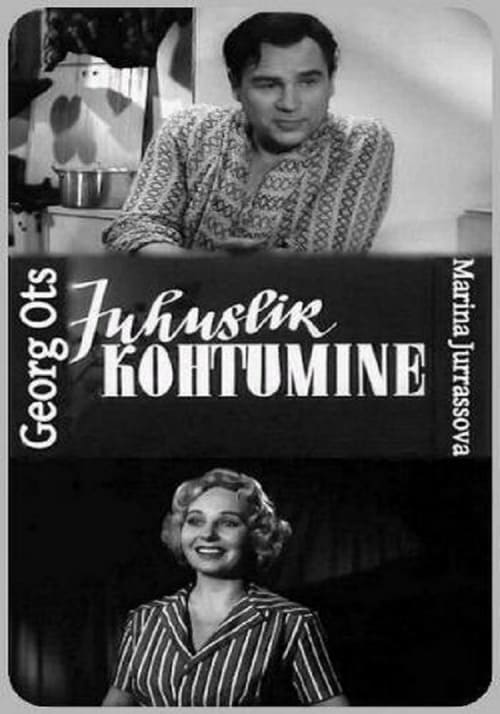
Rein is a successful singer but he and his group have a reason to worry – because of their worn-out repertoire their popularity is in danger. Philharmonic is already searching for new talents. When Rein hears a wonderful soprano voice from the concert hall, he will offer a remarkable young lady - whom he considers to be the owner of the voice - the opportunity to perform. Rein has no idea that actually the voice belongs to another girl whom he has once met in a quite extraordinary situation and who has introduced Rein's new song to the whole town.
Meeting by Chance

On a nice summer day a funny little car rolls over a peaceful farm yard of Muhu island. The family that withdraws from the vehicle is quite odd-looking: an overbearing madam, a henpecked stammering husband and a mystical red-head. They announce that they want to spend their vacation in the farm ... "We are from capital, we will pay". This quiet vacation turns out to be a frantic day with romance, unexpected turns and fisticuffs between suitors.
Here We Are

A group of sleepless men should be taken into sanitarium for insomnia therapy. They are taken to a lonely island but no sanitarium is in sight. It turns out that the nurses have kidnapped the men and are about to give them the only useful medicine they need - fresh air and work. But the patients decide to disobey. There's only one solution - to escape.
Men Don't Cry
A silent comedy about a retired ballet artist who returns home to his first love twenty years later. It turns out that she had a child, who the man sets out to search for. Will the young pensioner find his child and will it be a girl or a boy?