FEEL IT.STREAM
Karuna Banerjee

Karuna Banerjee

Acting

Biography

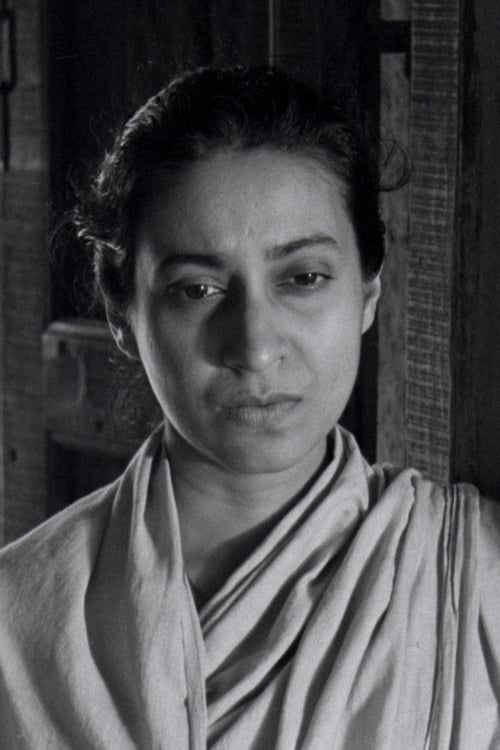
Karuna Banerjee (Bengali: করুণা ব্যানার্জী) was a Bengali actress best known for her role in Satyajit Ray's The Apu Trilogy (1955–1959) as the long suffering mother, Sarbajaya. She was nominated for Best Actress at the 1959 BAFTA Awards for her performance in Aparajito (1956), the second part of The Apu Trilogy. She appeared in a number of other films after that, including Ray's Devi (1960) and Kanchenjungha (1962). She graduated from the Jogamaya Devi College, an affiliated women's college of the University of Calcutta. Banerjee's acting career expanded over more than two decades in Bengali cinema and theatre. She is best known for her memorable performance as Sarbajaya, the mother in the first two parts of Satyajit Ray's The Apu Trilogy: Pather Panchali (1955) and Aparajito (1956). Her performance in the latter earned her a Best Actress nomination at the 1959 BAFTA Awards. She acted in a few more films, including two more by Ray, two by Mrinal Sen, and one by Ritwik Ghatak that was never officially released.
Known For

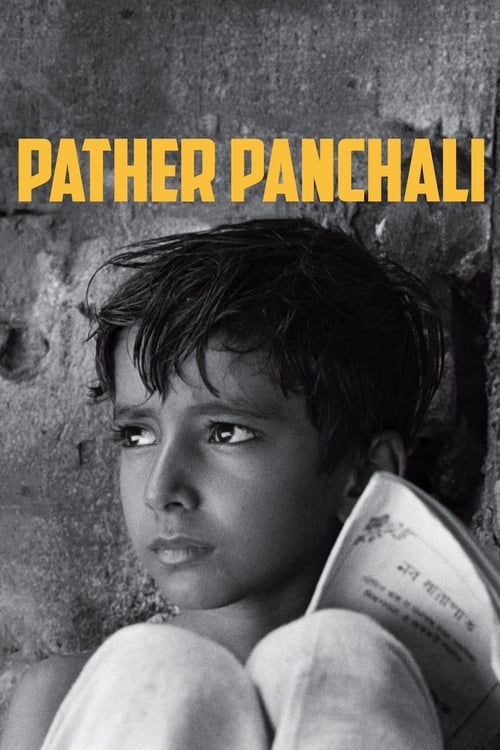
Pather Panchali
7.8

Impoverished priest Harihar Ray, dreaming of a better life for himself and his family, leaves his rural Bengal village in search of work. Alone, his wife, Sarbojaya, looks after her rebellious daughter, Durga, and her young son, Apu, as well as Harihar's elderly aunt Indir. The children enjoy the small pleasures of their difficult life, while their parents suffer the daily indignities heaped upon them.

Pather Panchali

1955
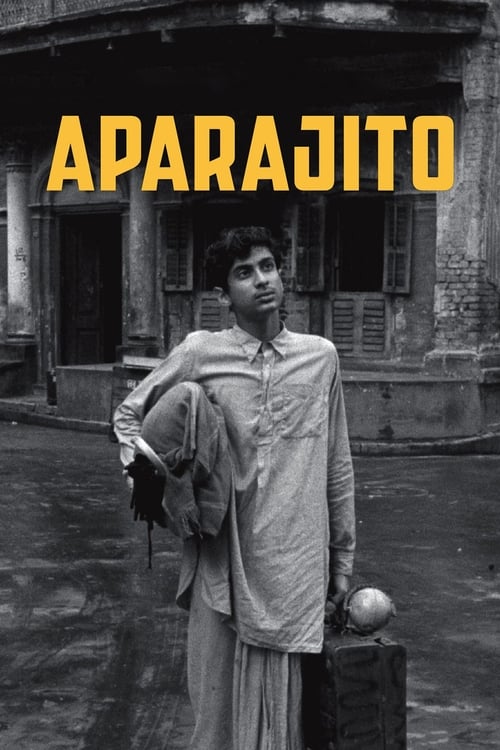
Aparajito
7.8

Apu and his family have moved away from the country to live in the bustling holy city of Benares. As he progresses from wide-eyed child to intellectually curious teenager, eventually studying in Kolkata, we witness his academic and moral education, as well as the growing complexity of his relationship with his mother.

Aparajito

1956
Devi
7.5

A devout upper-class Hindu has a vision in a dream that his daughter-in-law is the human incarnation of the Goddess Kali and begins worshipping her.

Devi

1960
Headmaster
9.0

The school of a remote and poor village shut down, the head master Krishna Prasanna (Chhabi) migrates to city in search of job. He moves with family, wife Labanya (Karuna), nubile daughter (Ranjana) and very young son. He takes residence with his wife's brother. He meets per chance one of his ex students, of whom he used to take free evening classes and many of whom got merit scholarship and became cream of society, a doctor, a judge, successful lawyer, manager of a big bank and so on. Can he cross the barrier and meet them? All have big bungalows and office with watchmen to stop. If he managed to meet them, will they recall his contribution and help their benefactor? If they do, what change he has to bring in himself? Can he?

Headmaster

1959
The Creative Person: Satyajit Ray
N/A

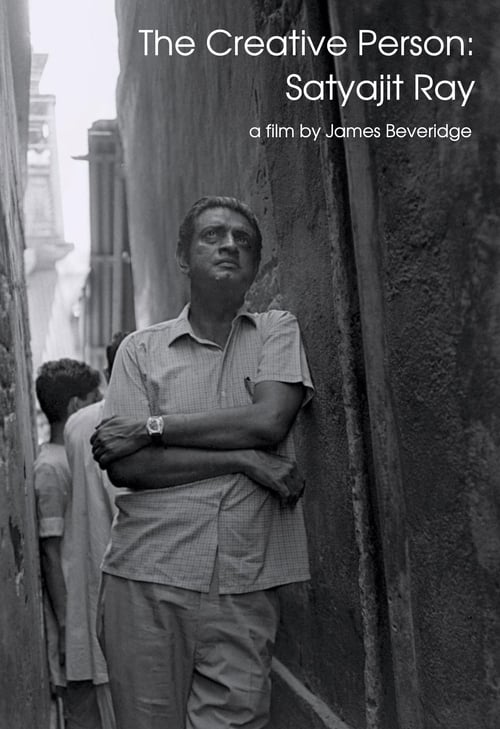
In 1967, Canadian documentarian James Beveridge traveled to Kolkata to film director Satyajit Ray at work. The resulting program, produced for the American public television series “The Creative Person,” features interviews with Ray, several of his actors and crew members, and film critic Chidananda Das Gupta.

The Creative Person: Satyajit Ray

1967
Manmoyee Girls' School
7.0

Deciding to start a school for girls named after his wife, a zamindar looks for a married couple to manage the establishment. They apply for and get the job. The two are not actually married; they posed as a couple to obtain the job. After a series of complications and delicate situations, love blooms between the two and they marry.

Manmoyee Girls' School

1958
Kanchenjungha
7.6

Played out in real time, several complex family dramas intersect in the landscape of the Himalayan foothills, allowing the Bengali auteur to examine the class and generational differences of postcolonial India while celebrating the hopes of a society in transition.

Kanchenjungha

1962
Apur Panchali
5.9

Arko, a film student, invites Subir Banerjee, who played the legendary role of Apu, to attend an award ceremony in Germany. But the old man hesitates to accept the invitation.

Apur Panchali

2014
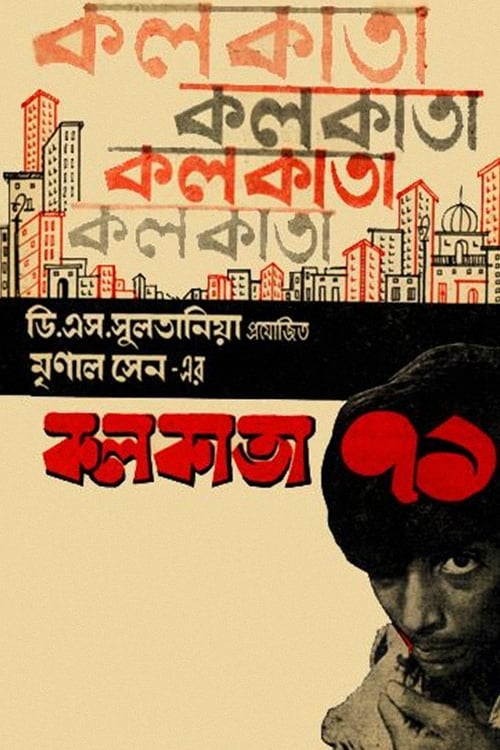
Calcutta 71
8.9

The spirit of a condemned 20-year-old student wanders through time, linking together four stories of people struggling for survival in this gritty meditation on poverty, natural disaster and political strife in India. A middle-class family's home is no match for the monsoons, while another clan's morality is compromised when famine strikes. Young boys smuggle rice, and politicians pity the poor while living in the lap of luxury.

Calcutta 71

1972
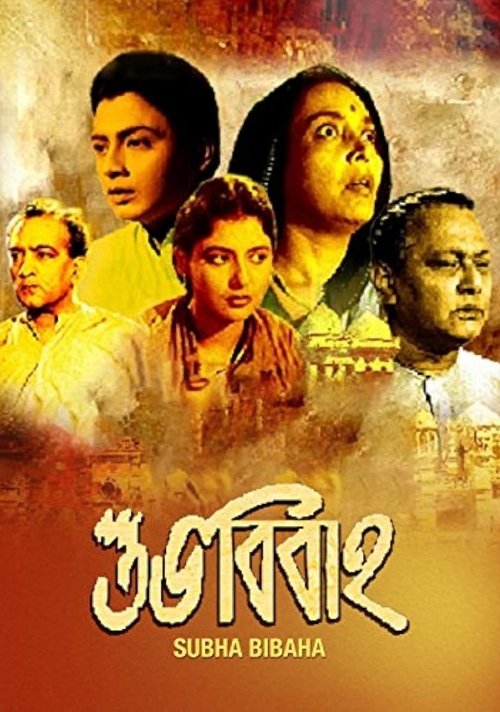
Shubha Bibaha
7.0

When a bride vanishes on her wedding day, a web of secrets and forbidden love is exposed. Caught in the crossfire are two young women, each battling against the constraints of caste and tradition. As their lives intertwine, a powerful story unfolds about the enduring power of love and the devastating consequences of societal expectations.

Shubha Bibaha

1959
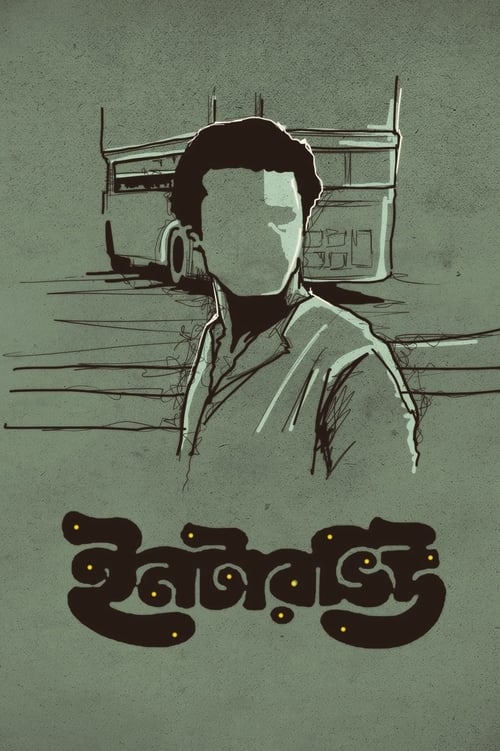
Interview
7.2

A young Indian man has been assured by an uncle that all he needs to land a lucrative job is to show up to the interview in a Western style suit, but the morning of the interview is fraught with unexpected difficulties.

Interview

1971