Willie Dunn
Directing
Biography
Willie Dunn was born on August 14, 1942 in Montreal, Quebec, Canada. He was a composer and director, known for The Ballad of Crowfoot (1969), Rose's House (1977) and These Are My People... (1969). He was married to Liz Moore. He died on August 5, 2013 in Ottawa, Ontario, Canada.
Known For
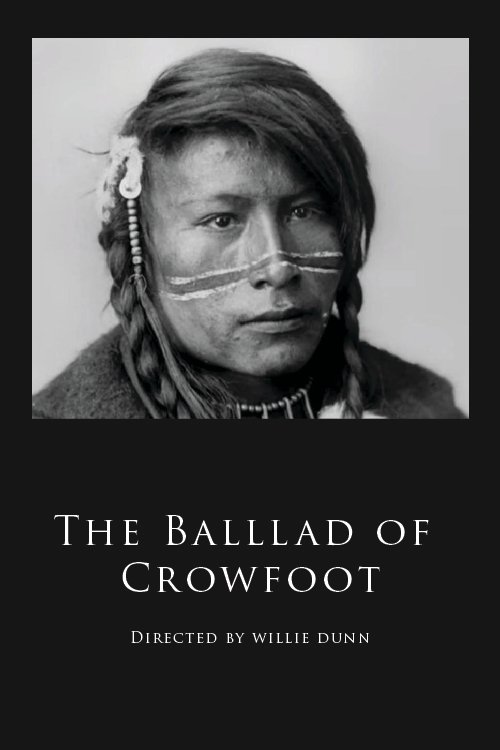
Released in 1968 and often referred to as Canada’s first music video, The Ballad of Crowfoot was directed by Willie Dunn, a Mi’kmaq/Scottish folk singer and activist who was part of the historic Indian Film Crew, the first all-Indigenous production unit at the NFB. The film is a powerful look at colonial betrayals, told through a striking montage of archival images and a ballad composed by Dunn himself about the legendary 19th-century Siksika (Blackfoot) chief who negotiated Treaty 7 on behalf of the Blackfoot Confederacy. The IFC’s inaugural release, Crowfoot was the first Indigenous-directed film to be made at the NFB.
The Ballad of Crowfoot
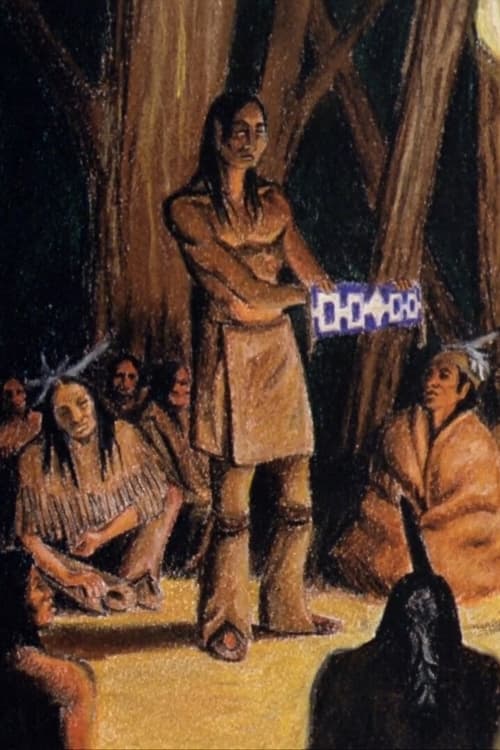
This short film was created by a group of Indigenous filmmakers at the NFB in 1972 and is essentially a song by Willie Dunn sung by Bob Charlie and illustrated by John Fadden: "Who were the ones who bid you welcome and took you by the hand, inviting you here by our campfires, as brothers we might stand?" The song expresses bitter memories of the past, of trust repaid by treachery, and of friendship debased by exploitation upon the arrival of European colonists.
Who Were the Ones?
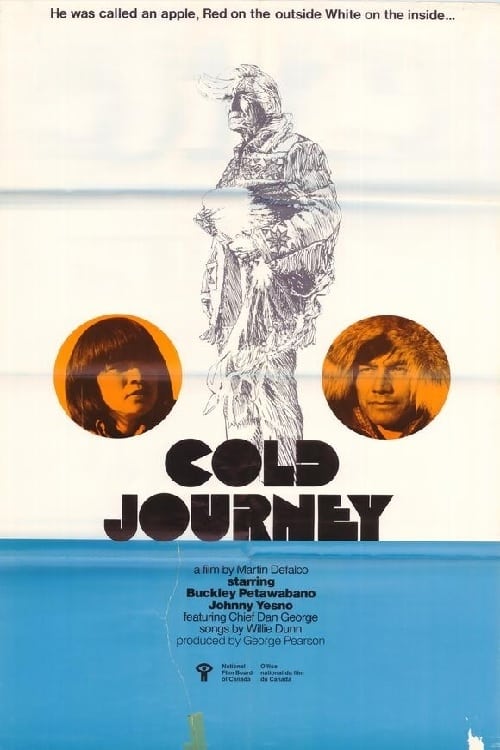
In this feature drama, a Canadian Indigenous youth attempts to find a place for himself. He faces culture shock as the educational system teaches him to be a white man and tries to find a way of life more meaningful to his Indigenous culture and ancestry.
Cold Journey
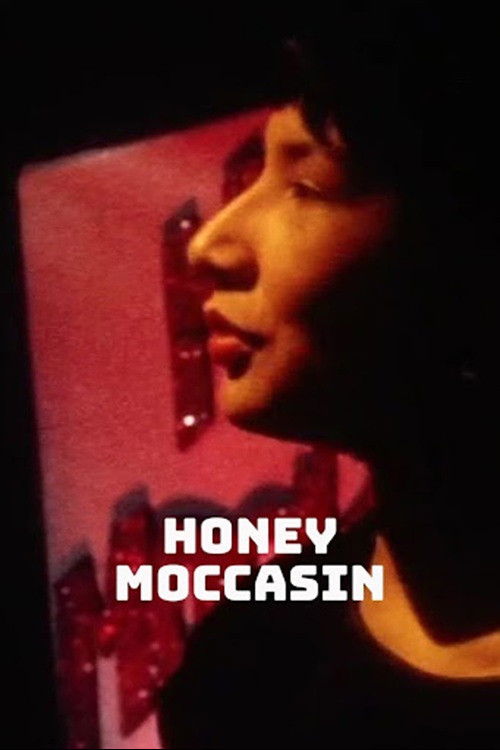
This all-Native production, by director Shelley Niro (Mohawk), is part of the Smoke Signals new wave of films that examine Native identity in the 1990’s. Set on the Grand Pine Indian Reservation, aka “Reservation X”, HONEY MOCCASIN combines elements of melodrama, performance art, cable access, and ‘whodunit’ to question conventions of ethnic and sexual identity as well as film narrative. A comedy/thriller complete with a fashion show and torchy musical numbers, this witty film employs a surreal pastiche of styles to depict the rivalry between bars The Smokin’ Moccasin and The Inukshuk Cafe, the saga of closeted drag queen/powwow clothing thief Zachary John, and the travails of crusading investigator Honey Moccasin. This irreverent reappropriation of familiar narrative strategies serves as a provocative spring-board for an investigation of authenticity, cultural identity, and the articulation of modern Native American experience in cinematic language and pop culture.
Honey Moccasin
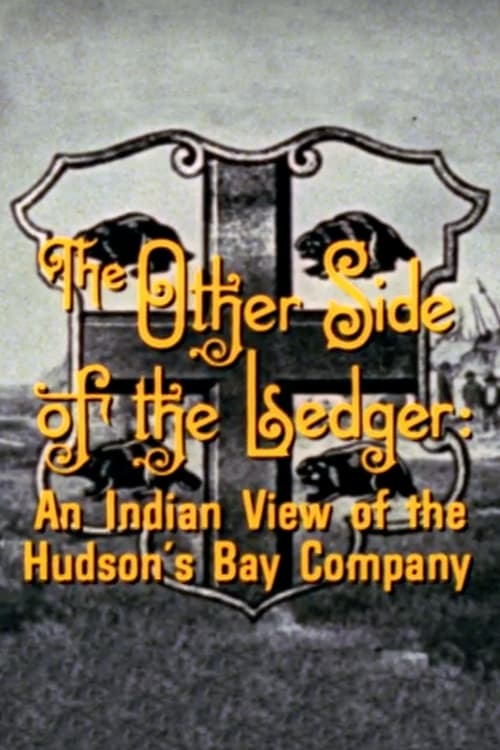
The Hudson's Bay Company's 300th anniversary celebration was no occasion for joy among the people whose lives were tied to the trading stores. This film, narrated by George Manuel, president of the National Indian Brotherhood, presents the view of spokesmen for Canadian Indian and Métis groups. There is a sharp contrast between the official celebrations, with Queen Elizabeth II among the guests, and what Indians have to say about their lot in the Company's operations.
The Other Side of the Ledger: An Indian View of the Hudson's Bay Company
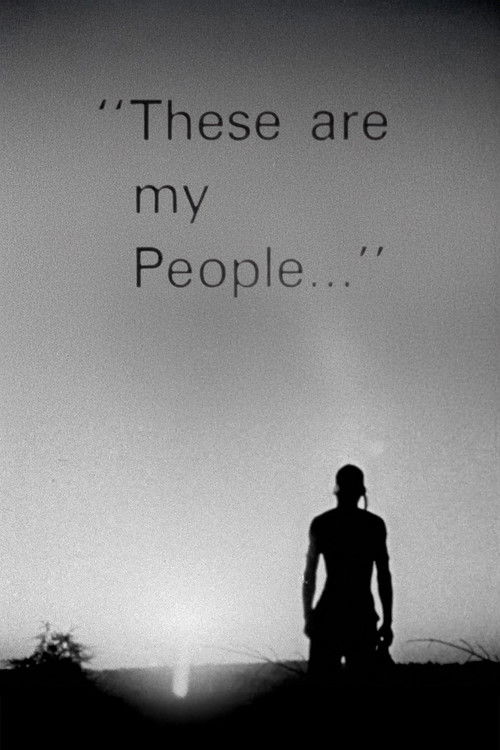
This documentary short is the first film made by an all-Aboriginal film crew, training under the NFB's Challenge for Change Program. It was shot at Akwesasne (St. Regis Reserve). Two spokesmen explain historical and other aspects of Longhouse religion, culture, and government and reflect on the impact of the white man's arrival on the Indian way of life.
These Are My People...
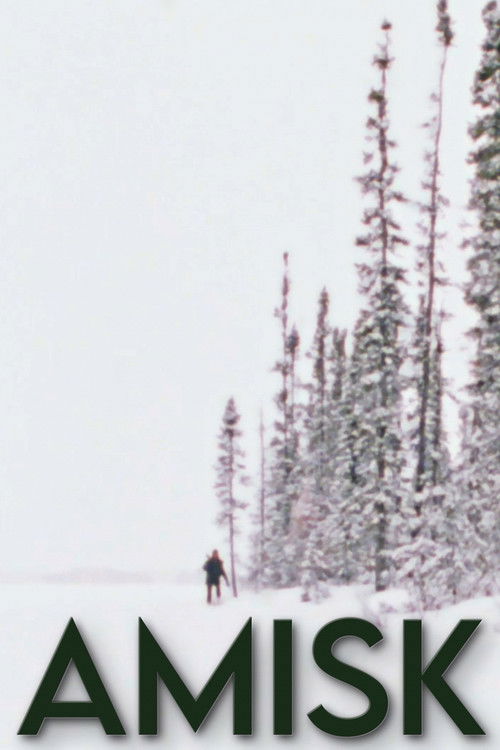
A performing arts film by Alanis Obomsawin, it documents efforts to raise funds for the James Bay Cree and was made at a time when Cree territory was threatened by hydro-electric projects. Amisk represents early work by Obomsawin, a trailblazer in Canadian Aboriginal film.