FEEL IT.STREAM
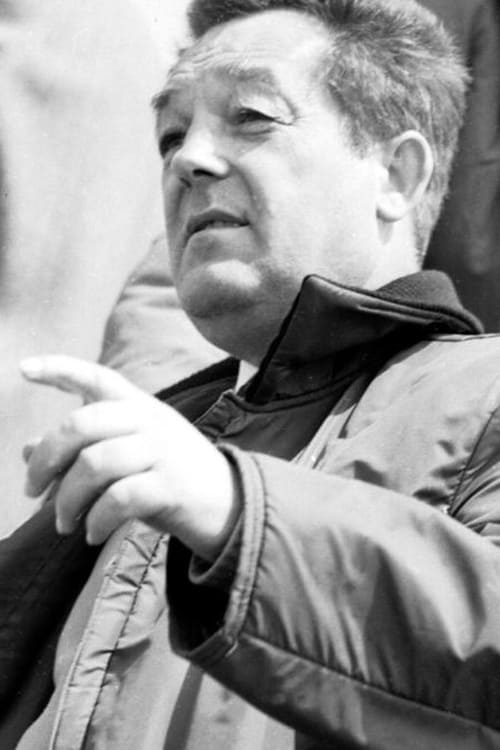
Jozef Zachar

Jozef Zachar

Directing

Biography

Jozef Zachar was born on 13 December 1920 in Hlohovec, Czechoslovakia [now Slovakia]. He was a director and writer, known for Demokrati (1980), Rekviem za rytierov (1970) and Desat' percent nádeje (1976). He died on 1 January 2013 in Piestany, Slovakia.
Known For

No image
9.0

No description available.

Zaprášené histórie Ema Bohúňa

1970
No image
N/A

This five-part TV film tells the story of Jan Daňo, a shepherd, and his two daughters.

Nepokojná láska

1975
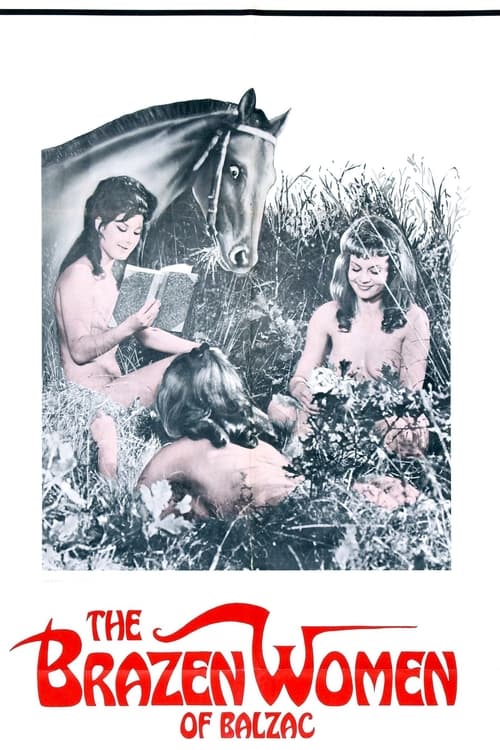
The Brazen Women of Balzac
4.9

A Count and Countess, their lovelife losing luster, invite some people over ...

The Brazen Women of Balzac

1969
No image
N/A

No description available.

Sedem krátkych rokov inžiniera Hagaru

1978
No image
7.0

No description available.

Konec dětských lásek

1982
No image
9.0

Two Sebechleby musicians, Peter and Jakub, and their guardian Klimo set out in the mid-17th century to rescue the noblewoman Dóciová, abducted by Ottoman raiders into Istanbul. Lacking language skills and guidance, they rely on courage, wit and their newly enchanted instruments to overcome dangers.

Sebechlebskí hudci

1975
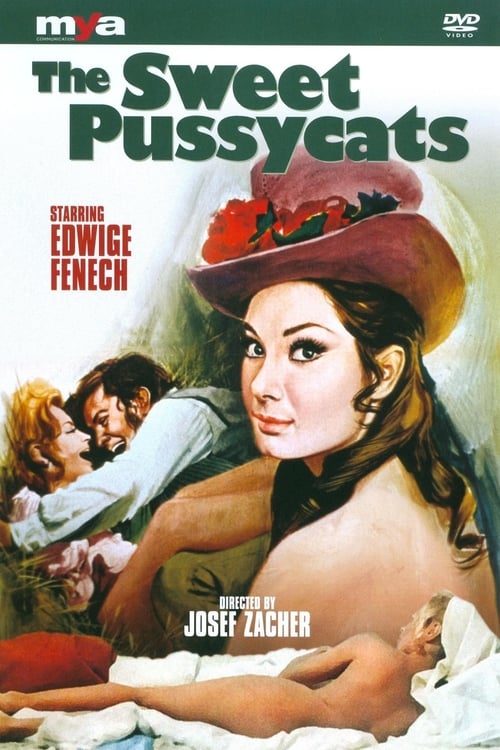
The Sweet Pussycats
4.3

An officer and a count who live in opposite ends of the same castle bet each other who will be the first to bed their respective new 'virgin' maid. The winner will get ownership of the castle. In order to attain his goal, the officer ignores his lusty fiancee but she soon finds a luitenant to turn her attention to. Eventually a whole stable of local prostitutes gets in on the act.

The Sweet Pussycats

1969
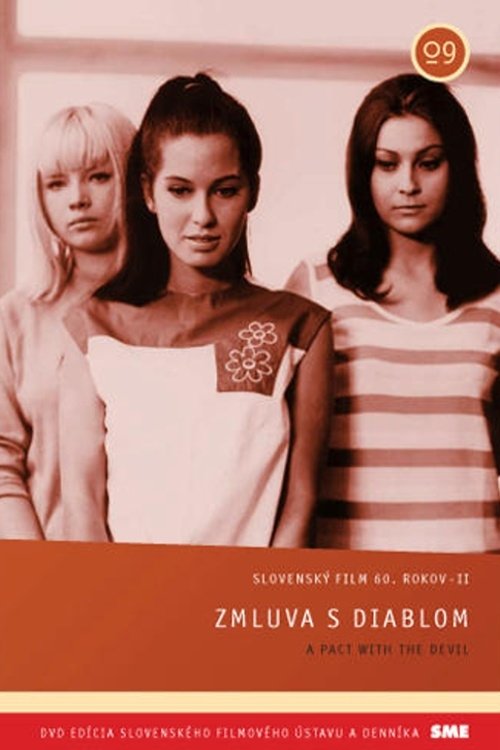
A Pact with the Devil
7.3

A comedy about five students who are un-justly suspected of trying to lose their virginity before their graduation. The five girls first try to defend themselves, but when they find out that nobody believes them - neither the school principal nor even their own parents - they decide to accomplish what they have been falsely accused of. And although their clumsy attempts are mostly comic, at one point they almost cause a big tragedy.

A Pact with the Devil

1967
Očovské pastorále
10.0

The story of a peasant whose harshness and bluntness only provoke disputes and anger, and his honesty and sense of truth and honor in conjunction with the previous qualities only exacerbate these disputes. The Slovak village with its collective farming, confronted with the habits of a square nature, raised by private farming, creates the main plot and conflict. In parallel, there is a lyrical motif of the young generation, whose love relationships do not care about the old ridiculous anger of the old generation.

Očovské pastorále

1973
No image
N/A

The Himalayan mountain Makalu, located in Nepal, is the fifth highest mountain in the world. In 1973, a Czechoslovak expedition also attempted to climb it via the challenging route, the so-called South Pillar, but it ended tragically. The group of climbers led by the experienced Ivan Kaščák (real-life Ivan Gálfy) is composed of the fittest men. In the base camp and during the preparation of the advanced camps, the expedition struggles with common health problems - a sore tooth, intestinal problems or a cold. For the actual climb to the summit of Makalu, Kaščák chooses a young engineering student Milan, a colleague Karol who is a generation older than him, and a young man Jož. In the advanced camp, without Kaščák's knowledge, he gives up his place to the ambitious Karol. However, due to fatigue and lack of oxygen, Milan falls down a snowy slope and injures his head and spine. He can‘t be transported down.

Vynes na horu svoj hrob

1979
No image
1.7

A tragicomic tale of the wondrous adventures of two medieval Sitnian knights who venture into the twentieth century with the intent to banish the devil and set the world to rights.

Rekviem za rytierov

1970
No image
10.0

No description available.

10 % nádeje

1976
No image
8.0

The dramatic story of the life of Slovak boatmen on the Danube during World War II is depicted through the eyes of a six-year-old boy who is forced by the events of the war to spend a dark time with his grandparents in the village. Despite the fairy-tale-sounding title, this film takes place at the end of the war in the Slovak countryside during World War II, and its child hero is the son of a Danube boatman who experiences incredible adventures. The Little Lifeguard's Lamp ranks among children's films that seek speciality in the realities of war. It explores both a children's world with a shifted lens of perception and the impact of battles interfering in the lives of the youngest.

Lampáš malého plavčíka

1984
No image
N/A

No description available.

Milionár

1973
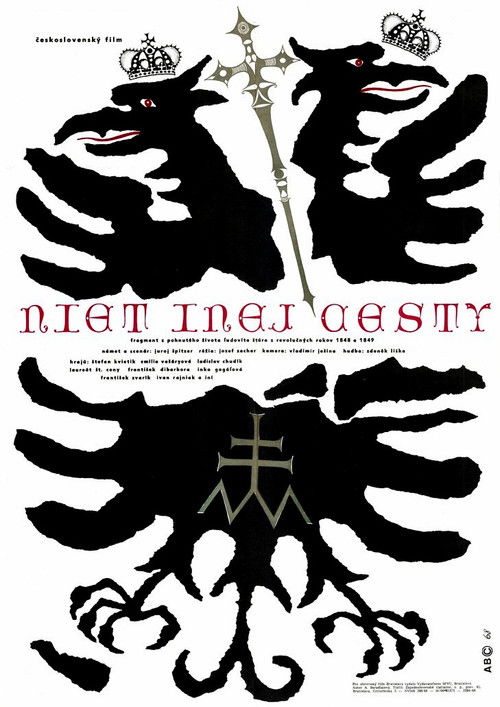
Niet inej cesty
7.0

A biographical film about the Slovak nationalist Ľudovít Štúr. It captures the revolutionary events of 1848 in Austria-Hungary, when Štúr, as a member of the Diet, led the fight for the national rights of the Slovak people.

Niet inej cesty

1968
No image
6.0

A story set in Tsarist Russia, set in a manor house. The main character is the mute Gerasim, who lives in a touching friendship with his dog Mumu. The dramatic plot is based on the petty intrigues of people from his environment.

Mumu

1973
No image
8.0

A young teacher grows up in a small Slovak village during the Second World War.

Man Is Not Desirable

1984
No image
N/A

No description available.

Útěk

1982
No image
8.0

A TV adaptation of Zuzka Zguriška's novel of the same name. The story takes place in a characterful Slovak village. It shows a picture of the inhabitants of Myjava in the 1920s, where there is no lack of freshness, brightness, liveliness and cheerfulness. The main character, a wealthy patriarchal ruler, orders her three adult sons around. She refuses to acknowledge her son's love; she does not want a poor bride. She enjoys the rich Susanna, whom the second son marries. After many convoluted and humorous transformations, the poor girl nevertheless wins the seemingly stony heart of the Scourge.

Bičianka z doliny

1981
No image
N/A

No description available.

Diablova pomsta

1971