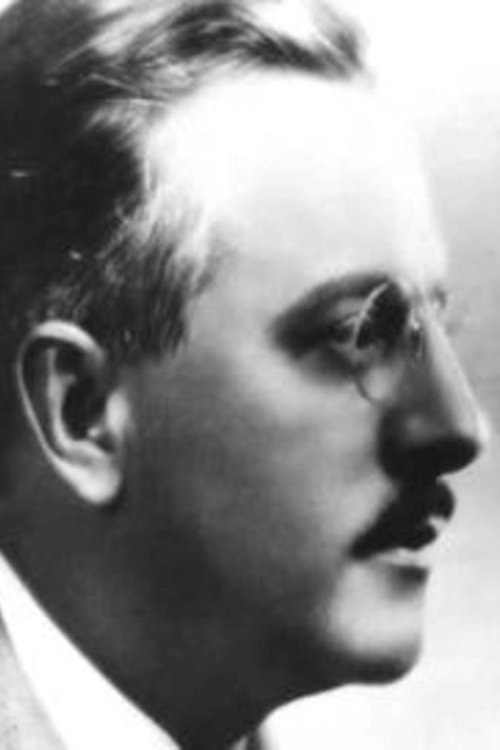
Scott Bradley
Sound
Biography
Scott Bradley was an American composer, pianist and conductor. He is best remembered for scoring the Metro-Goldwyn-Mayer (MGM) theatrical cartoons, including those starring Tom and Jerry (Hanna-Barbera years 1940-1958, 113 of 114 episodes), Droopy Dog (all 24 episodes), Barney Bear (all 26 episodes), and the many one-shot cartoons. Bradley was a conservatory-trained composer and pianist. In 1934, he began composing for Hugh Harman and Rudy Ising, who were producing cartoon shorts for MGM. After MGM established its own cartoon studio in 1937, Bradley was hired permanently, and he remained with MGM until his retirement in 1957. His early style incorporated fragments of popular and traditional melodies, as was common practice in scores for animation. However, by the late 1940s, Bradley's compositions and orchestrations had become more original and complex, occasionally utilizing the twelve-tone technique devised by Arnold Schoenberg who, along with Bela Bartok, Igor Stravinsky, and Paul Hindemith, influenced Bradley's approach. "Scott writes the most blank-blank-blank difficult fiddle music in Hollywood," concertmaster Lou Raderman was quoted (complaining good-naturedly) in Sight & Sound magazine. "He is going to break my fingers." Bradley expressed considerable pride in his "funny music" and believed scoring for animation offered far more possibilities to the serious composer than live-action films. Bradley retired in 1957 when MGM closed its cartoon department. He died on April 27, 1977 in Chatsworth, California.
Known For
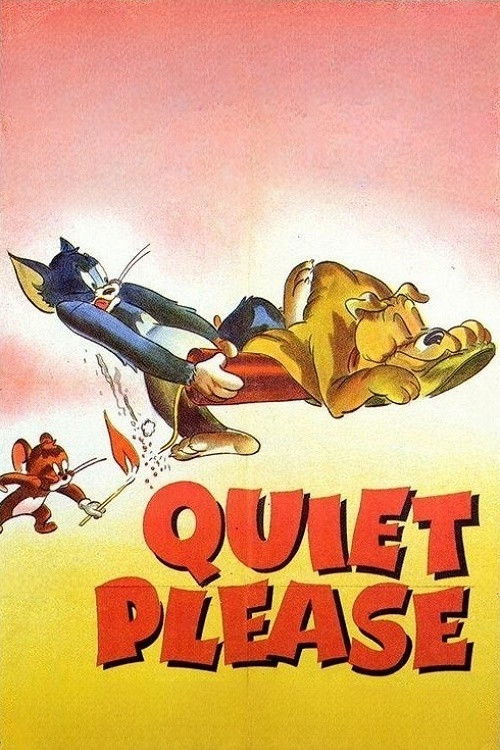
The family dog warns Tom not to make any noise so he can take a nap. Jerry hears this and immediately devises plans to ensure that the dog's nap will be interrupted.
Quiet Please!
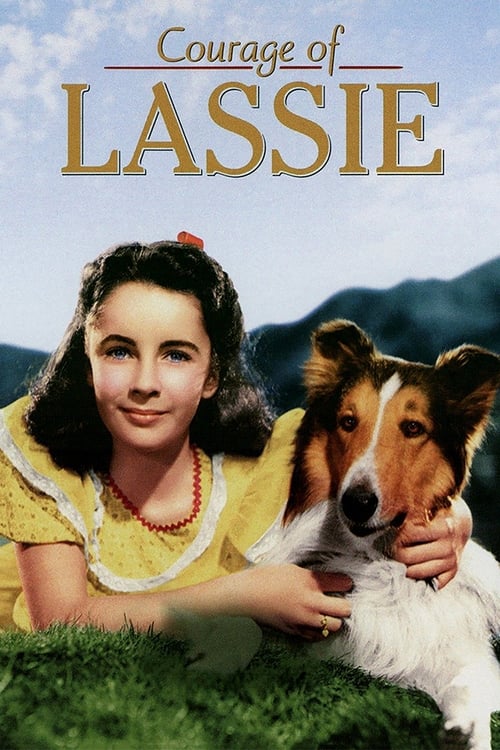
Bill's separated from his litter, making friends with the wild creatures until he's found and adopted by young Kathie. An accident separates him from her, and he's drafted into K-9 duty in the trenches until battle fatigue takes its toll and he turns vicious. And even though he finds his way back home, he may be condemned as a killer.
Courage of Lassie
No description available.
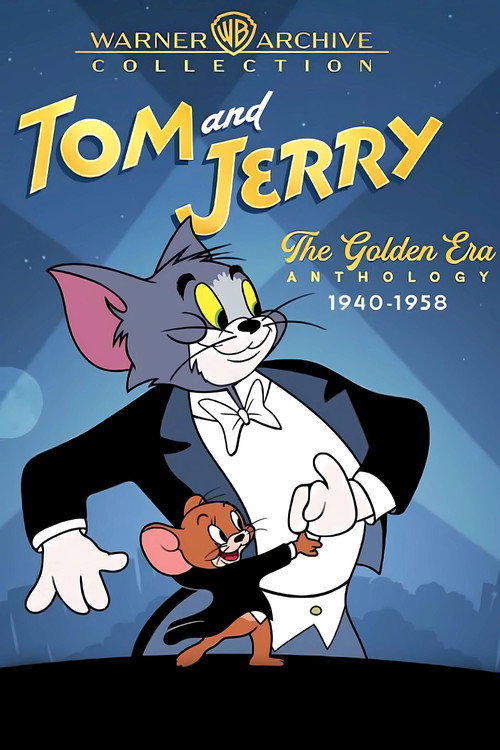
Tom and Jerry: The Golden Era Anthology (1940–1958)
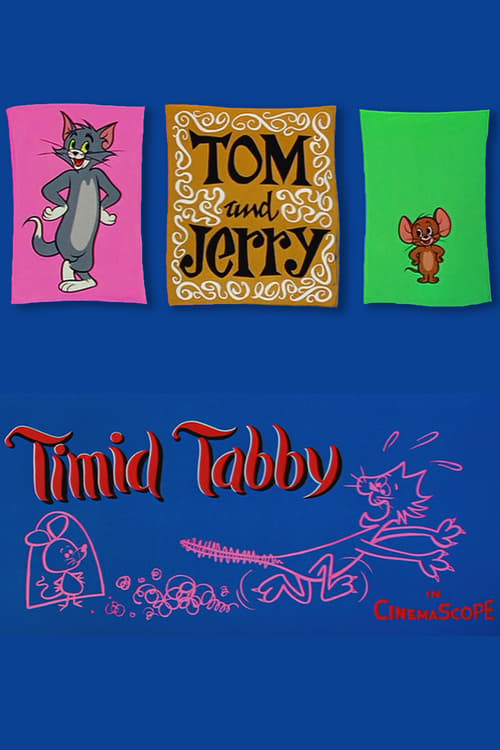
Tom's cousin George, who's terribly afraid of mice, comes to visit. Jerry's confused, since Tom and George look alike.
Timid Tabby
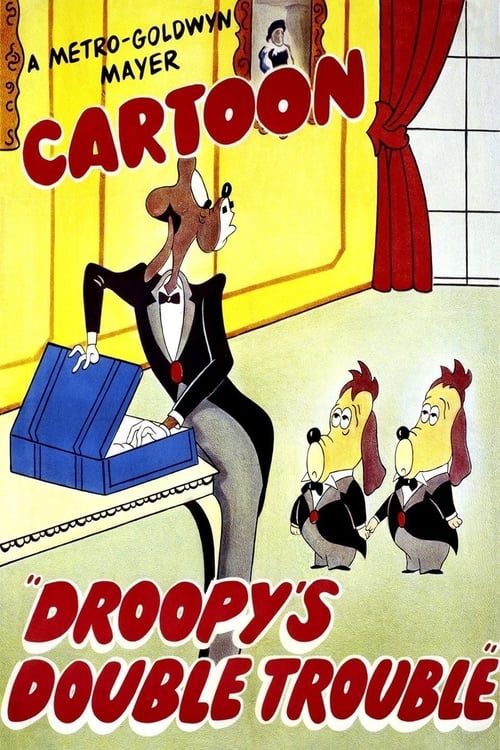
Butler Droopy gets his twin brother Drippy a job as assistant butler, causing trouble for Butch, who is trying to mooch an easy meal but can't tell the difference between the kind Droopy and the violence-prone Drippy.
Droopy's Double Trouble
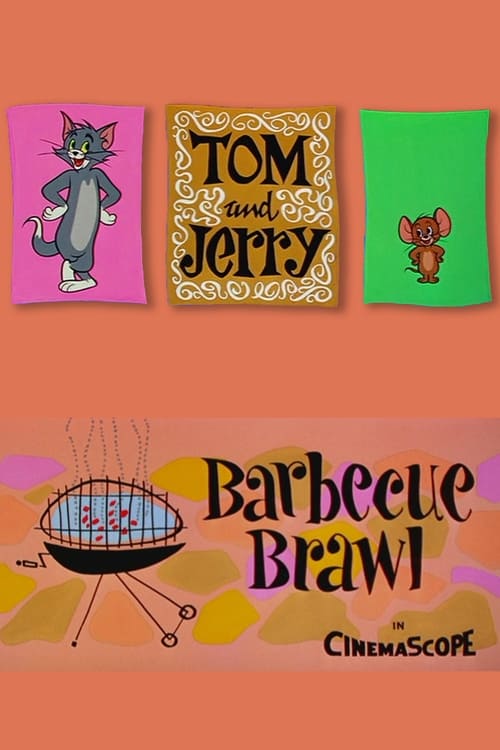
Spike is showing his son Tyke how to barbecue when his cooking is disrupted by a typical Tom-and-Jerry chase.
Barbecue Brawl
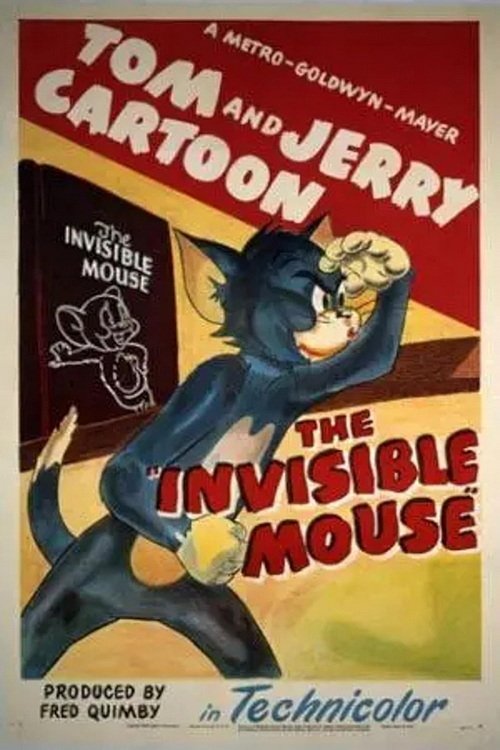
Tom chases Jerry into a bottle of invisible ink, and the now-invisible Jerry proceeds to have fun torturing Tom.
The Invisible Mouse
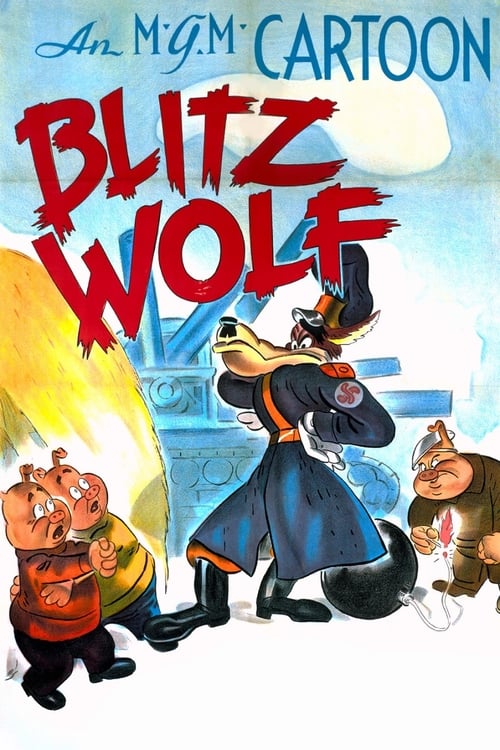
Yet another variation on the Three Little Pigs theme, this time told as WW2 anti-German propaganda (the US had just entered the war), with the wolf as a thinly-disguised Hitler.
Blitz Wolf
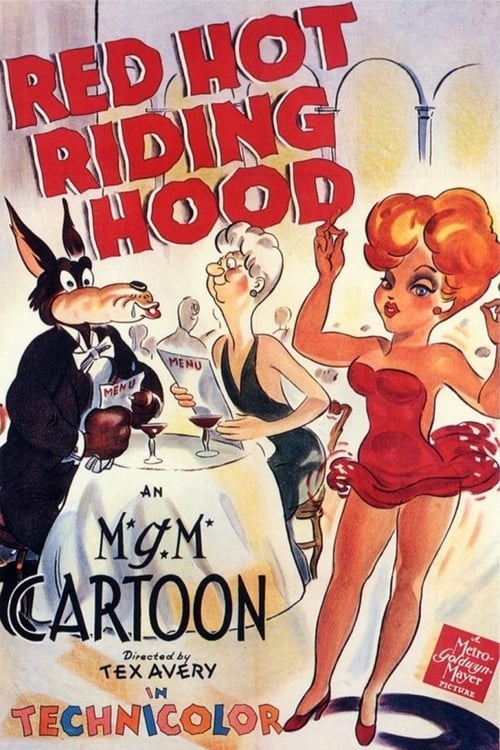
Tired of always playing the same roles, Little Red Riding Hood, her grandmother and the Wolf demand a new version of the tale. The story then plays out in a more contemporary urban environment, with Little Red Riding Hood working as a pin-up girl in a night club.
Red Hot Riding Hood
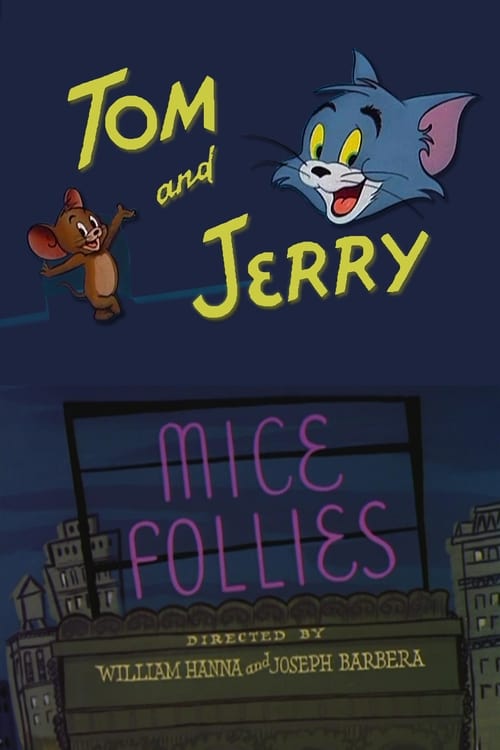
Jerry and his diapered little mouse friend flood the kitchen, then use the freezer to turn it into a skating rink. Even though Tom finds a pair of ice skates, the mice have no problem outmaneuvering him.
Mice Follies
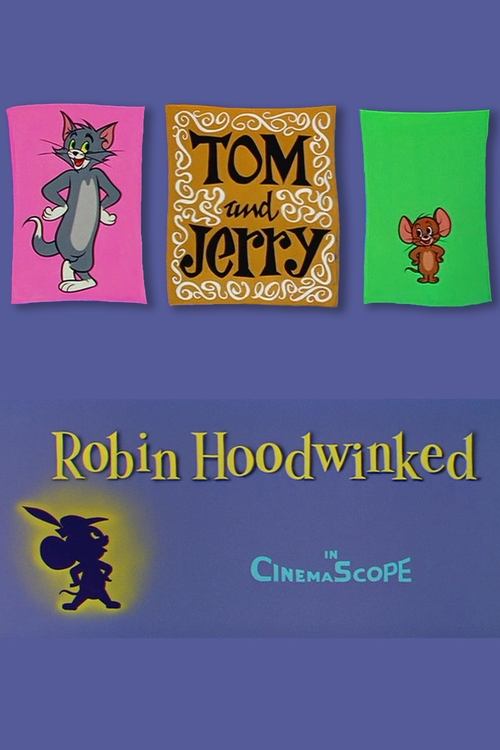
Jerry and a friend overhear that Robin Hood is imprisoned; they set off to free him, but first they have to contend with his guard, Tom.
Robin Hoodwinked

Tom is dressed up and treated like a baby by the little girl of the house.
Baby Puss
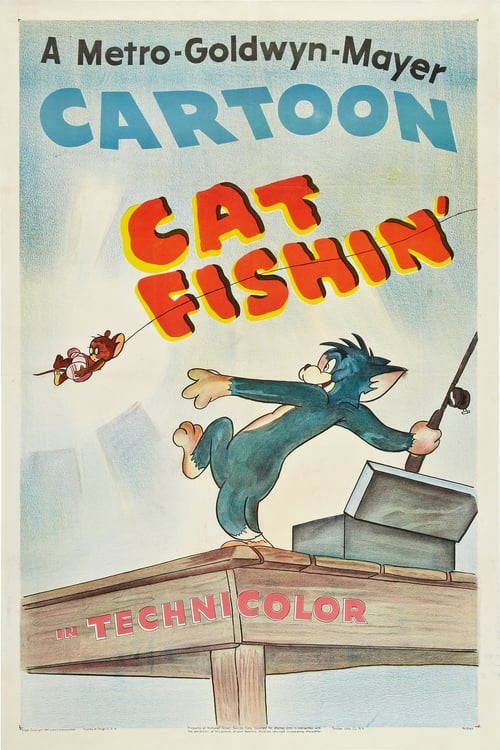
Tom is a feline fisherman, Jerry is his live bait, and Spike is the bulldog guarding the lake.
Cat Fishin'
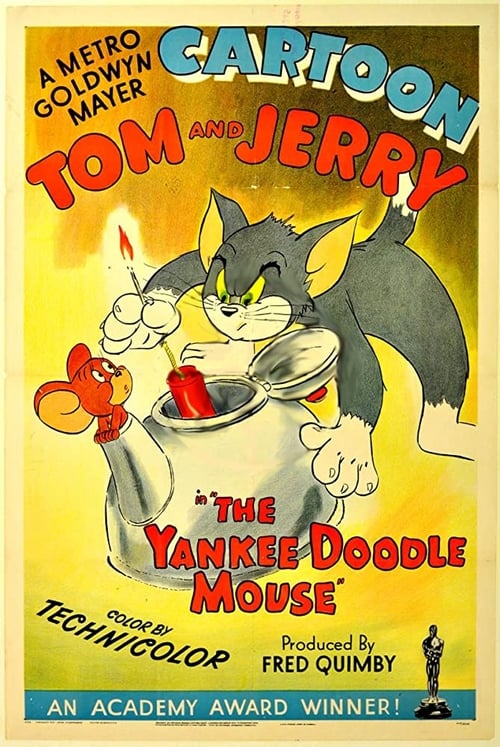
As Tom and Jerry stage their typical fight sequences, the patriotic soldier theme of the title is evidenced by such things as a carton of eggs labeled "Hen Grenades"; Jerry dropping light bulbs from an airplane like bombs; and Jerry sending a telegram with the message "Sighted Cat - Sank Same." Musical phrasings from various patriotic war songs are heard throughout. The cut scene after Jerry hitting Tom with the board 4 times was cut from the 1950 reissue print for a war bond joke, and the original footage is currently considered "lost" due to the negatives destroyed in the 1978 George Eastman House fire.
The Yankee Doodle Mouse
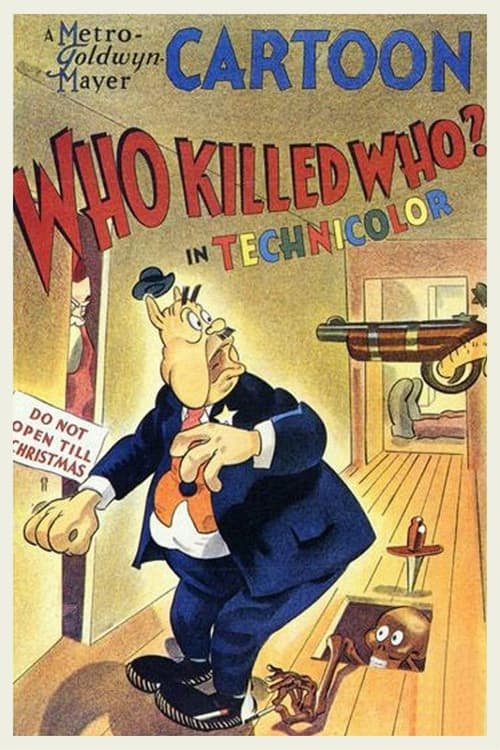
A murder has occurred at Gruesome Gables, and the dog detective trying to find the killer has to deal with some suspicious suspects and a haunted house.
Who Killed Who?
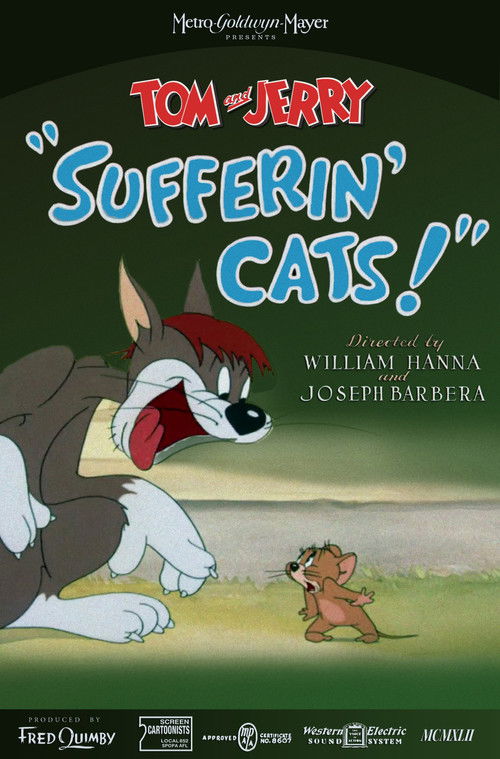
Tom fights with another cat over Jerry.
Sufferin' Cats!
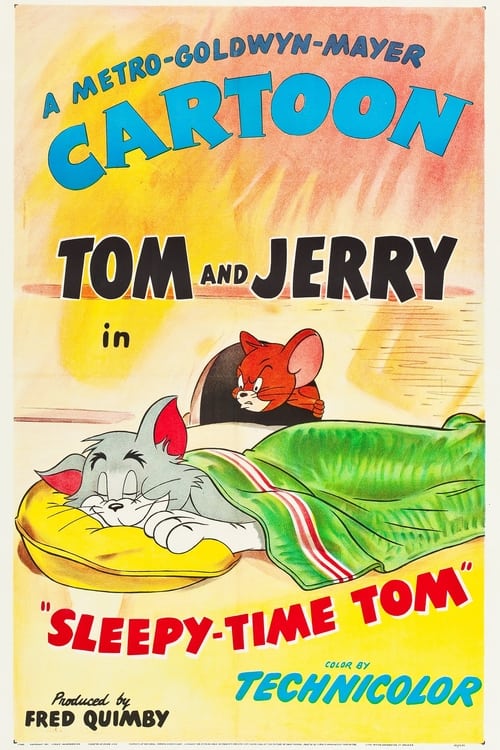
Tom has been out late carousing with his chums. When he gets home, Mammy won't take any excuses, and insists he stay awake; Jerry, overhearing, thus tries a number of schemes to get Tom to sleep.
Sleepy-Time Tom
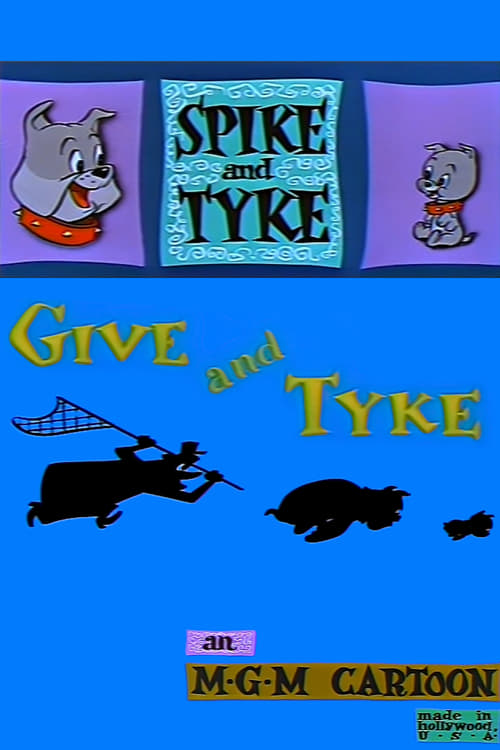
The city is rounding up all unlicensed dogs. Spike has a license. So does Tyke. An unlicensed stray steals Tyke's license; Tyke gets collared and the chase is on.
Give and Tyke
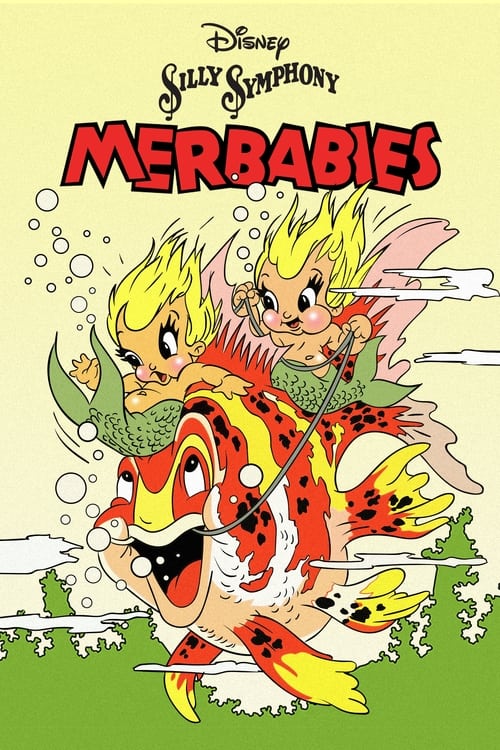
Walt Disney enlisted former colleagues Hugh Harman and Rudy Ising to help create this underwater Silly Symphony. Ocean waves form merbabies who are summoned to an aquatic circus playground on the sea floor, where they interact with a parade of seahorses, starfish and other marine life, before disappearing into the surface from which they came.
Merbabies
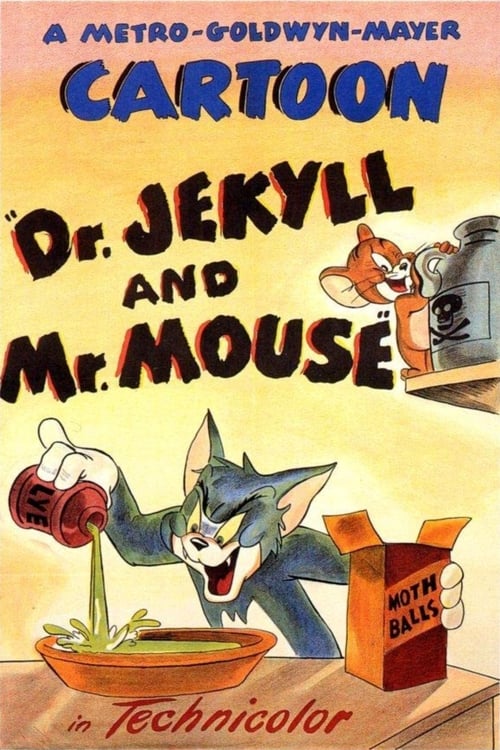
Tom, sick of Jerry stealing the milk out of his bowl, poisons it. Instead of killing the mouse, the potion transforms him into a muscular beast.