Yasuhiro Kameyama
Acting
Known For
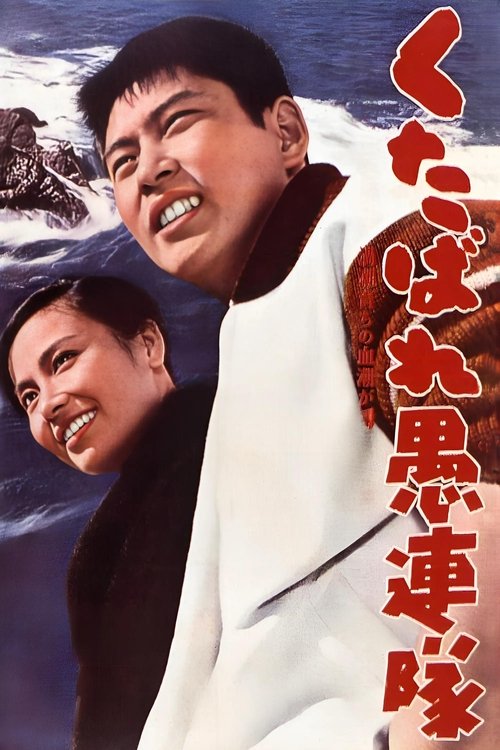
This rarely seen gem from master Suzuki casts teenage heartthrob Koji Wada as a young misfit who suddenly finds himself the unwitting pawn in an escalating family feud that ultimately leads to tragedy. Lean, mean, and stylish as always, this tale of youth-gone-wild is both vibrant and touching. Suzuki contrasts tranquil glimpses of traditional regional life with the emergence of the new rock 'n' roll youth culture and the greed and seething cynicism of encroaching Westernism. Also released under the title "Go To Hell, Hoodlums!", this is a melodrama as colorful, shocking, and exhilarating as one would come to expect from Japan's master filmmaker.
Fighting Delinquents
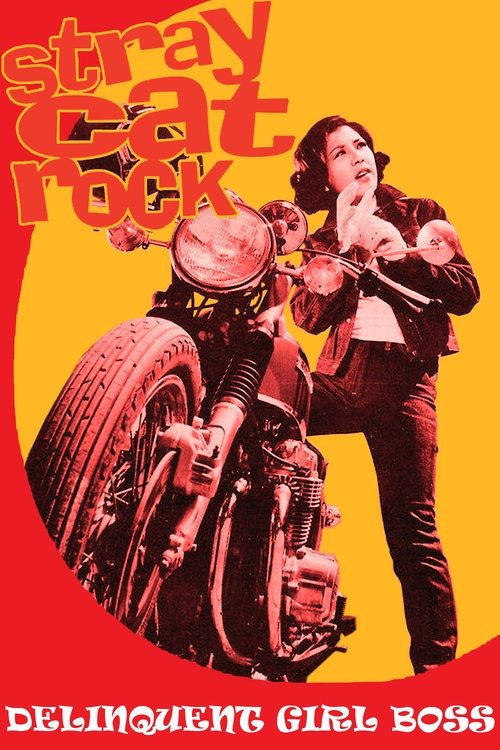
A wandering tough biker girl aids a female delinquent gang in their battles against an all-male Seiyu group over a fixed boxing match.
Stray Cat Rock: Delinquent Girl Boss

Two Japanese men help a Vietnam war deserter escape from Japan for Sweden. They plan to fund the escape by selling LSD pills. After word of the drug deal gets spread around they find themselves fending off rival gangs.
Stray Cat Rock: Machine Animal

The Akiba and Shimura crime families run the streets of “K City”. With the construction of new buildings and new factories underway, the city has sprouted into a boomtown and business is good. Two of the most infamous mobs of Tokyo want a piece of the pie. As out-of-town yakuza flood the city overnight, the crime boss of the Akiba family, Tezuka (Joe Shishido), is released from prison after a five year sentence. He does not like the "change" he sees.
Blood for Blood
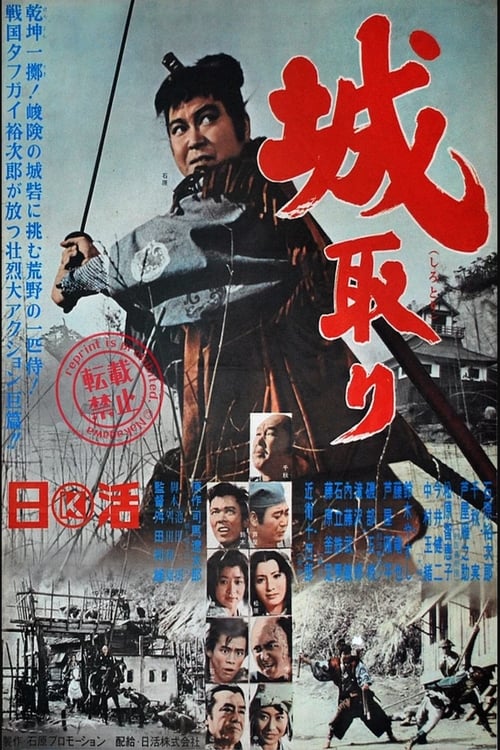
The Sengoku Era was coming to an end. The monopoly of the ever powerful shogun, Ieyasu Tokugawa, was at a near. Only one man was brave enough to stand in Ieyasu's way - A lone wolf samurai by the name of Kagekatsu Uesugi. Inspired by Uesugi's courage to revolt, a young samurai warrior, Touzou Kuruma decides to join the fight. Their target: the Tamonyama Castle.
Taking the Castle
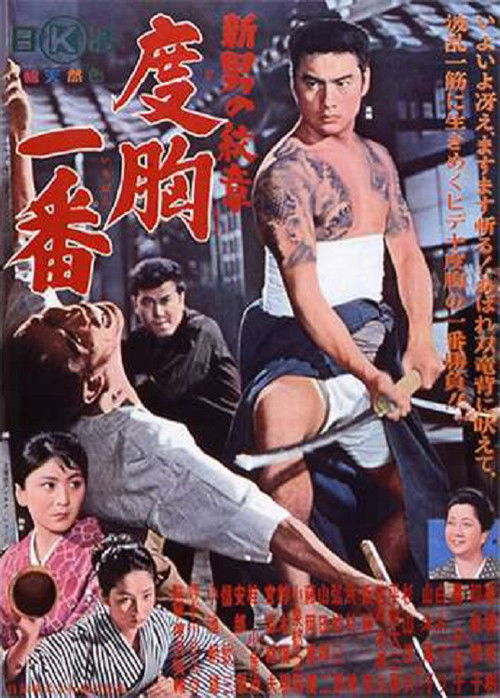
A war veteran clashes with a mob boss in this crime saga. When Ryuji returns from the war, he finds himself torn by the death of an old friend - the son of crime kingpin Kiyomiya. A death Ryuji feels responsible for.
The Scarred Crest

In 1943, Japan is amidst the Pacific War. Sobei Sonoda is one of the wealthiest landowners of the San'in region. His land spread for miles, as far as the eye can see. People treated him with respect. But even the richest must think about the future. One day, he decides to arrange a marriage between his only son, Junkichi and the daughter of an even more powerful family. Sobei, hoping to benefit from this union, soon discovers that his son was in love with a lower class girl.
No Greater Love
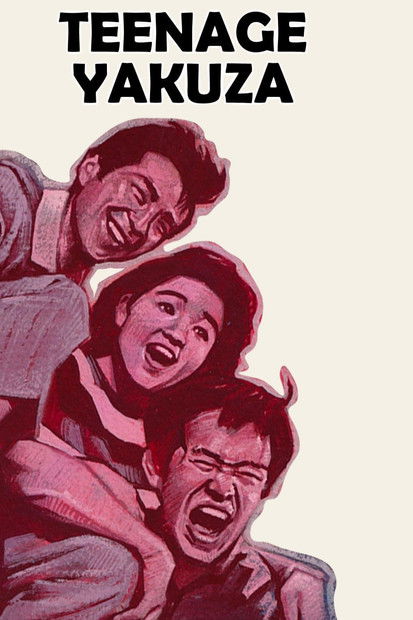
A high-school vigilante protects his community from the extortions of mobsters from a neighbouring city.
Teenage Yakuza
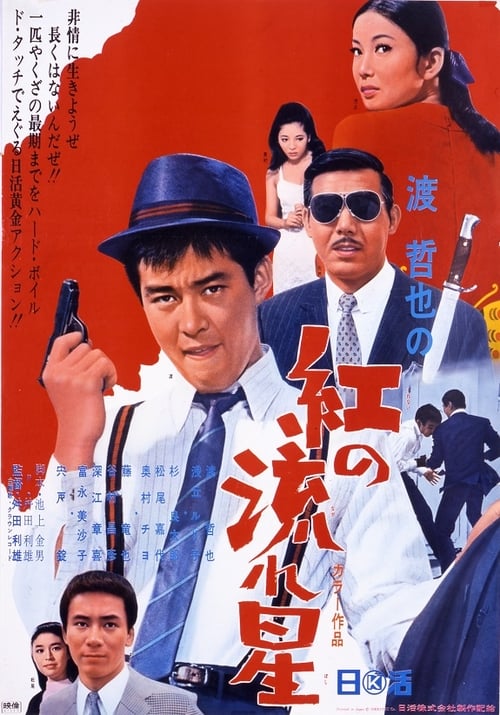
A young yakuza hitman named Goro does a job and needs to hideout away from Tokyo for a while. He hangs out with loose women and hard men and always manages to stay one step ahead of the law. In his exile, he comes under suspicion for a murder and meets the girlfriend of the murdered man. They develop a strange bond while unbeknown to Goro, another hitman is after him for the job he did in Tokyo.
Velvet Hustler
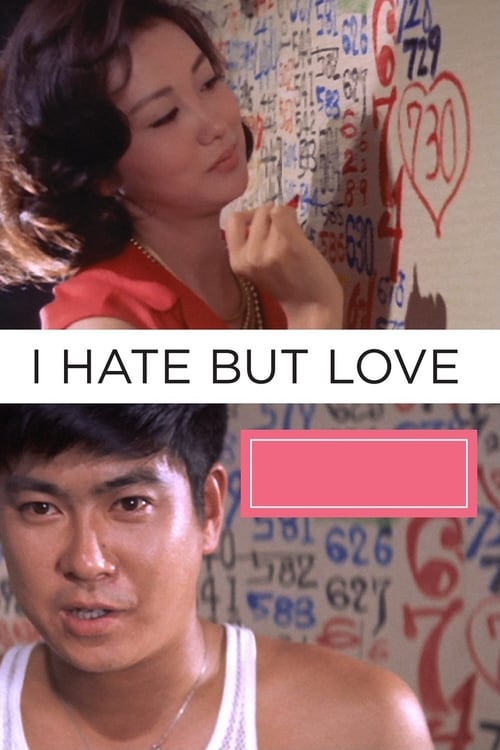
A celebrity, dissatisfied with his personal and professional lives, impulsively leaves fast-paced Tokyo to deliver a much-needed jeep to a remote village. When his controlling manager, the woman he loves, follows, the two must reconcile while dodging reporters.
I Hate But Love
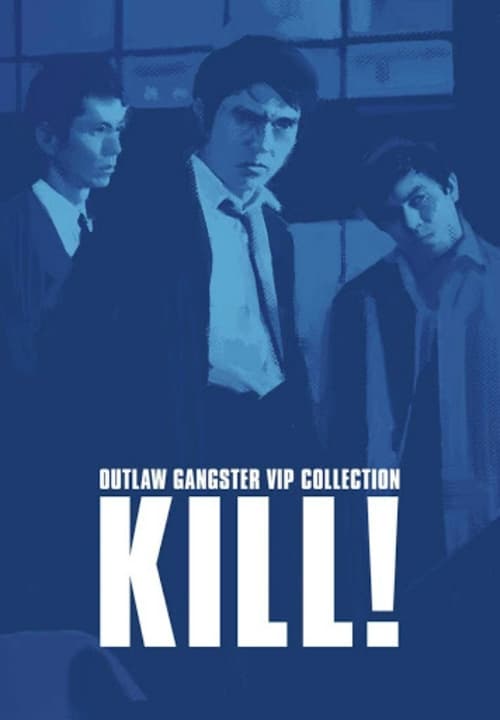
Goro has always been a lone wolf. When he arrives at an industrial city in Keihin, there is certain restlessness in the air. The Iriezaki family and the Kanto Touyu-kai were in the midst of a territorial dispute. Goro was quick to notice, but had no intent to take sides. At a department store nearby, he sees an elevator lady being harassed by a couple of hoodlums. Goro decides to intervene. Unbeknownst to him, the hoodlums are Touyu-kai members – and the girl has strong ties with the opposing family.
Outlaw: Kill!
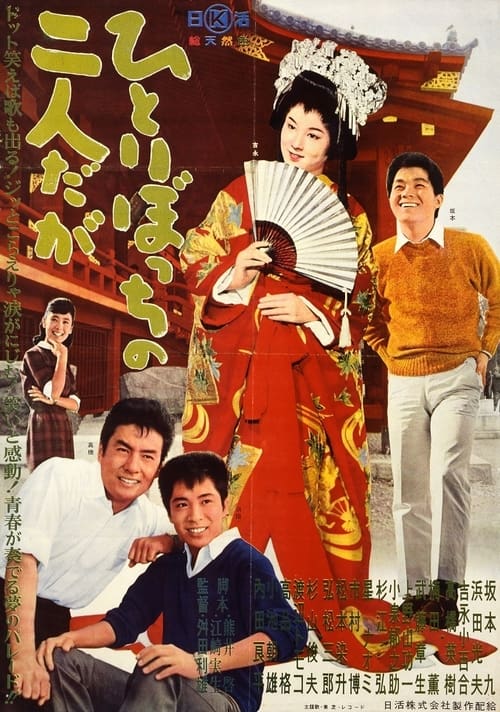
1962 Japanese movie
Hitoribotchi no futari daga
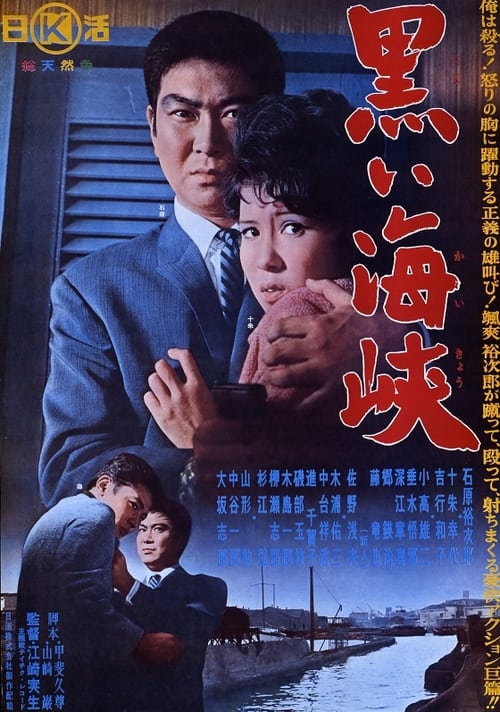
Newly out of prison after killing his boss' rival, Akio Maki is eager to move on and start a new life with the boss' daughter. However, the chains of the past are not so easily broken and Maki is soon ordered to kill again.
Black Strait
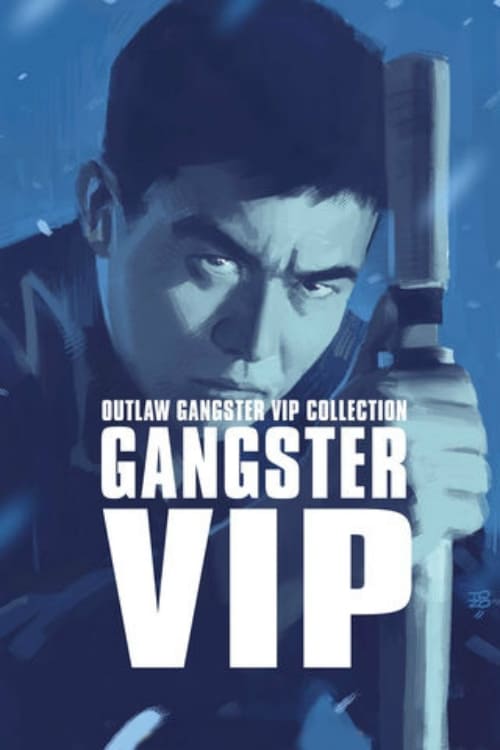
Goro had grown up in the yakuza world. As an active member of the Mizuhara family crime syndicate, he expressed his loyalty by always putting himself in the forefront of every battle. Violence never bothered him. However, after being sentenced to three years in prison for stabbing a rival gang’s hit man, he becomes disenchanted with the Yakuza life style. Goro is determined to start anew, but karma catches up. His two closest friends are murdered by his ex-boss. He is left with two options: to kill or be killed.
Outlaw: Gangster VIP
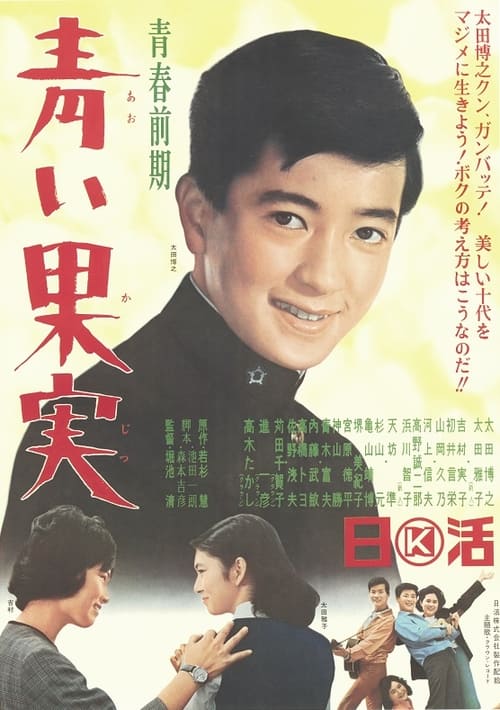
1965 Nikkatsu youth film.
Seishun zenki: Aoi kajitsu

Hanayome wa Jūgo-sai, directed by Mio Ezaki and distributed by Nikkatsu, stars Masako Izumi and Ken Yamauchi. The high-key pink background and casual photographic portrait embody Nikkatsu’s 1960s youth-film aesthetic. Clean, hopeful, and pop-oriented. The large white title, handwritten for a softer impression, injects playful energy that contrasts with the strict vertical text blocks. As Japan’s youth culture blossomed after the 1964 Tokyo Olympics, posters like this captured the spirit of romance and rebellion marketed to teenage audiences. The vivid color palette and carefree composition signal a stylistic shift from postwar black-and-white melodrama to the vibrant optimism of modern Technicolor cinema.
The Bride is Fifteen
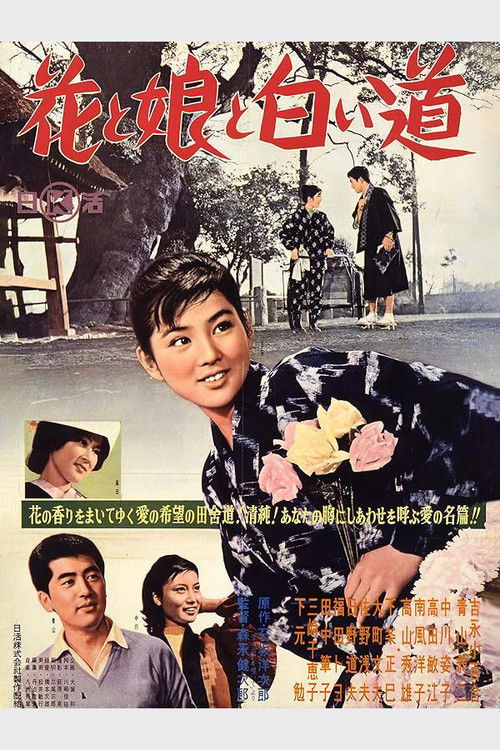
One of Sayuri Yoshinaga's first leading roles.
Hana to musume to shiroi michi
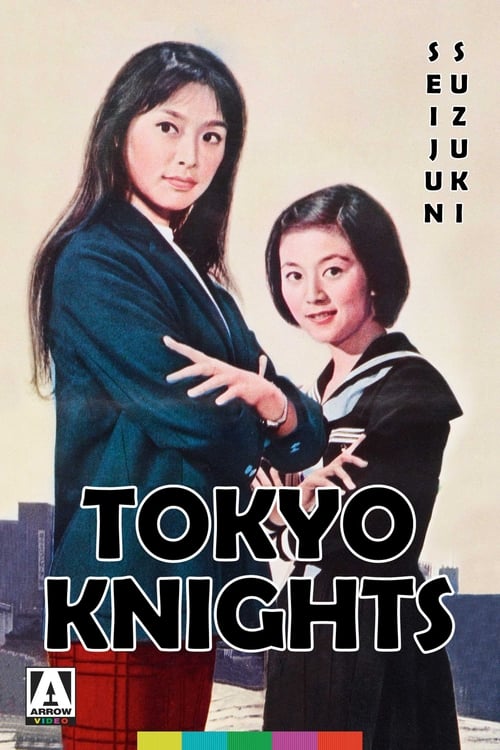
A college student takes over the family business in the field of organised crime.
Tokyo Knights
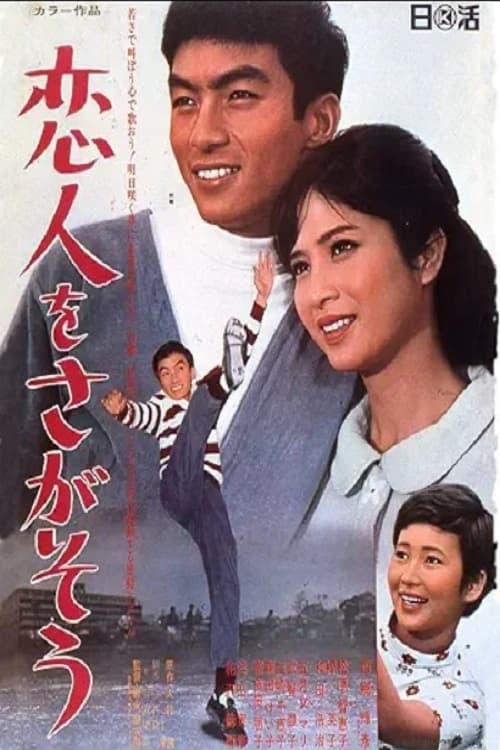
Tetsuo, the captain of the rugby team, who was preparing for the university entrance exams, starts working to earn money for his mother's surgery after she was involved in a hit-and-run accident, giving up on furthering his education. During this time, a relative's college student named Ikuko visits him and introduces him to her grandfather, Tatsunosuke. Tatsunosuke, a wealthy man, asks Tetsuo to take over his business, but...
Let's find your sweetheart
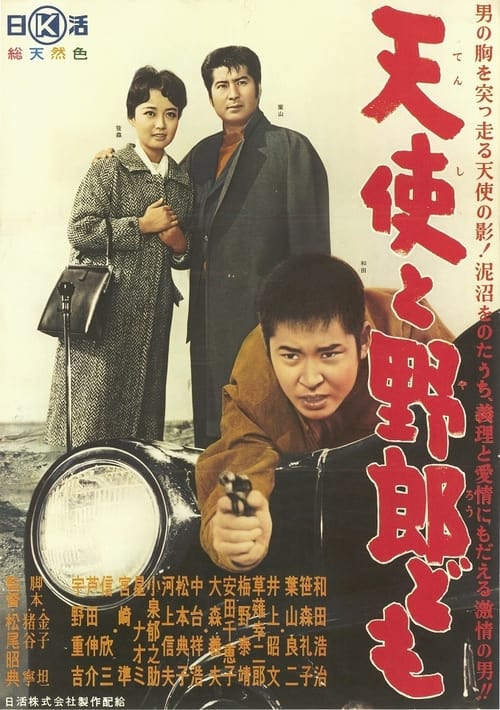
1962 Japanese movie