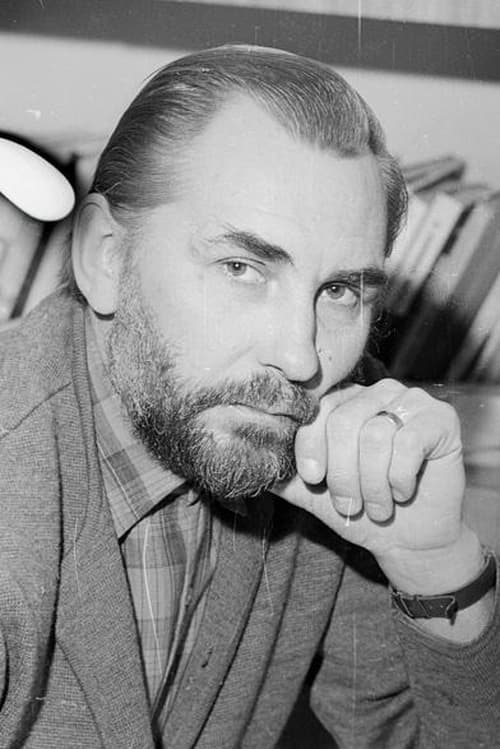
Veljo Tormis
Sound
Biography
Veljo Tormis (August 7, 1930 – January 21, 2017) was an Estonian composer, regarded as one of the great contemporary choral composers and one of the most important composers of the 20th century in Estonia. Internationally, his fame arises chiefly from his extensive body of choral music, which exceeds 500 individual choral songs, most of it a cappella. The great majority of these pieces are based on traditional ancient Estonian folksongs (regilaulud), either textually, melodically, or merely stylistically. His composition most often performed outside Estonia, Curse Upon Iron (Raua needmine) (1972), invokes ancient Shamanistic traditions to construct an allegory about the evils of war. Some of his works were banned by the Soviet government, but because folk music was fundamental to his style most of his compositions were accepted by the censors. More recently, Tormis' works have been performed and recorded by Tõnu Kaljuste with the Estonian Philharmonic Chamber Choir, and others. In the 1990s, Tormis began to receive commissions from some a cappella groups as the King's Singers and the Hilliard Ensemble. Tormis famously said of his settings of traditional melodies and verse: "It is not I who makes use of folk music, it is folk music that makes use of me." His work demonstrates his conviction that traditional Estonian and other Balto-Finnic music represents a treasure which must be guarded and nourished, and that culture may be kept alive through the medium of song.
Known For
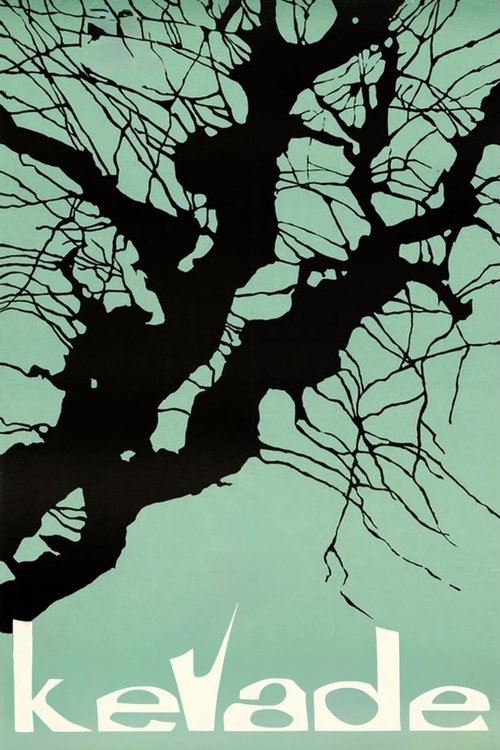
Paunvere parish school students Arno and Teele, Toots and Kiir, Tõnisson and Imelik experience feelings during one school winter, the traces of which they carry throughout their future lives - from true friendship and first love to self-discovery and clarifying life goals.
Spring
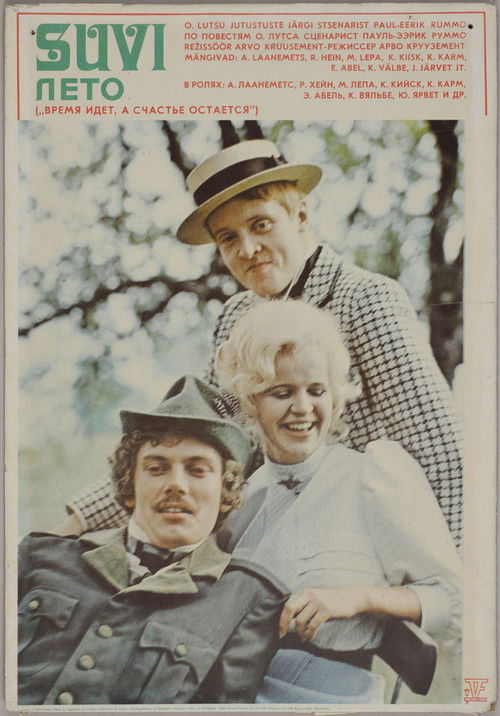
In the beginning of the 20th century, Joosep Toots has returned from Russia, where he learned agriculture. He wants to start reforming his father's farm, Ülesoo. At the same time, he's competing with Kiir to win the love of Teele. Teele has stated that she agrees to marry with a farmer only. So Kiir decides to go to Russia to learn agriculture too.
Summer
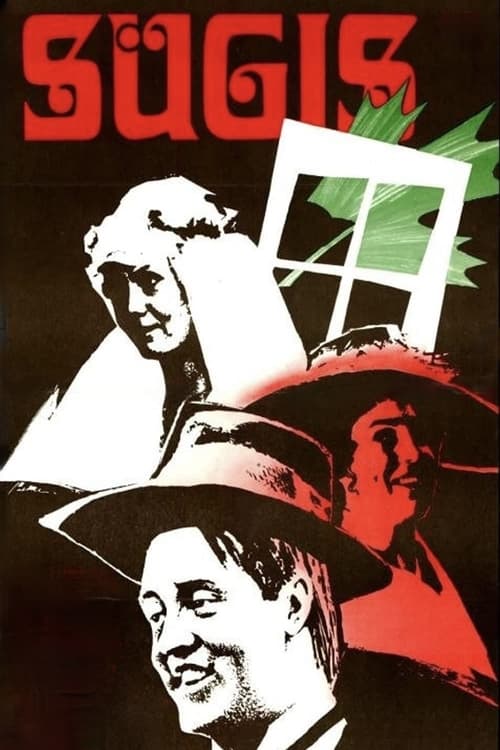
The main character of the film is Paunvere tailor Jorh Adniel Kiir. Two young seamstresses, Juuli and Maali, arrive in Paunvere. At first, Kiir regards them as competitors, but then he establishes friendly relations with them. Kiir marries Juuli, but he is not indifferent to Maali either. The film also follows Kiir's efforts to get his own farm.
Autumn
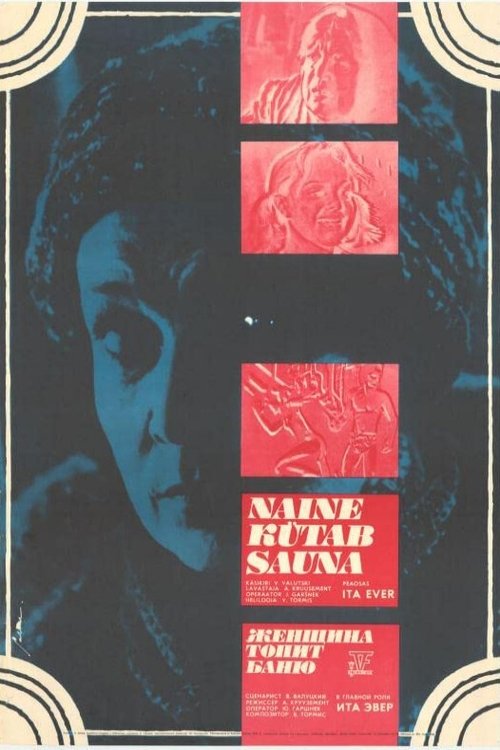
The story is about a woman, who has to heat up the company's sauna, because the bosses want to entertain foreign visitors. The sauna is situated in a small village where her ex-husband is from, and an old aunt of his is still living. In addition to having to face her bosses she also has to face her past.
A Woman Heats the Sauna

The Smacking Sea is a film about the work of traditional seal hunters on the smacking Baltic Sea and their life in the coastal village.
The Smacking Sea
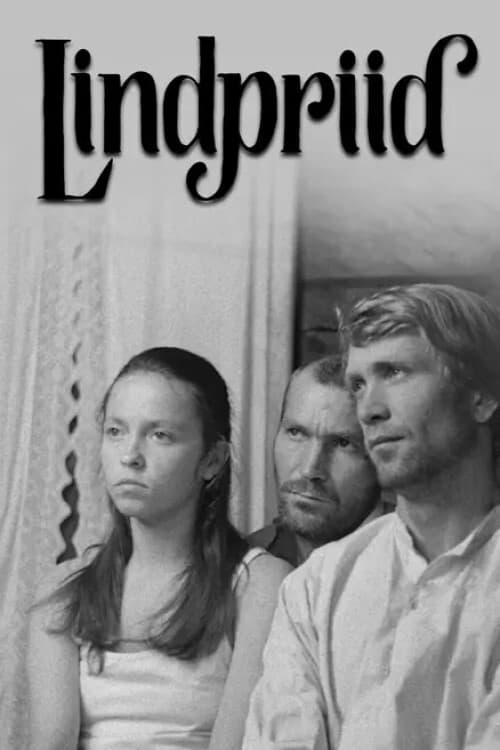
Based on Jaan Anvelt's novel "Outlaws" which deals with the struggle of the Estonian Communist Workers' Movement and the life of revolutionaries in the Republic of Estonia in the 1920s. The film represents the maturation and decay of human soul in tense situations. The dark intersections and the dense, abandoned areas create a tumultuous tension field in which the characters find themselves. Their choices and decisions overwhelm them in one way or another. Where is the way out?
Outlaws

Based on the second part of the pentalogy "Truth and Justice" by Anton H. Tammsaare.
Indrek
On the shores of the Gulf of Finland, the ancient Finno-Ugric peoples originated a singing tradition of mysterious power called the Regilaul. These songs are the roots of Estonia’s renowned singing culture. Based on the continuous repetition of eight-syllable verses, they produce a haunting sound able to connect the fleeting present with the eternal circle of life. Against the stunning setting of modern Estonia, this film explores how Regi songs still fire the imagination today, weaving together people and nature through song.
Regilaul - Songs of the Ancient Sea
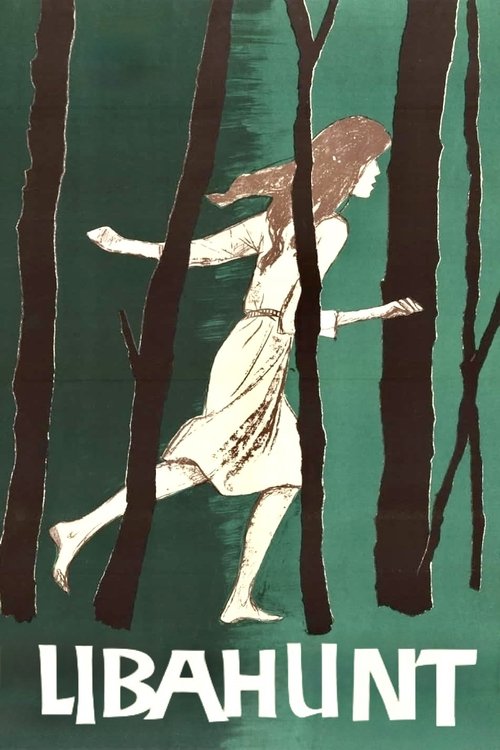
There are three children growing at Tammaru farm - one boy, Margus; and two orphan girls, Mari and Tiina. Margus' parents want him to marry Mari instead of Tiina as she is more their kind. Hotblooded Tiina is completely different from them and her mother was once executed for being a witch. Thinking that Tiina has bewitched Margus, Mari starts to publicly accuse her stepsister of being a werewolf.
Werewolf
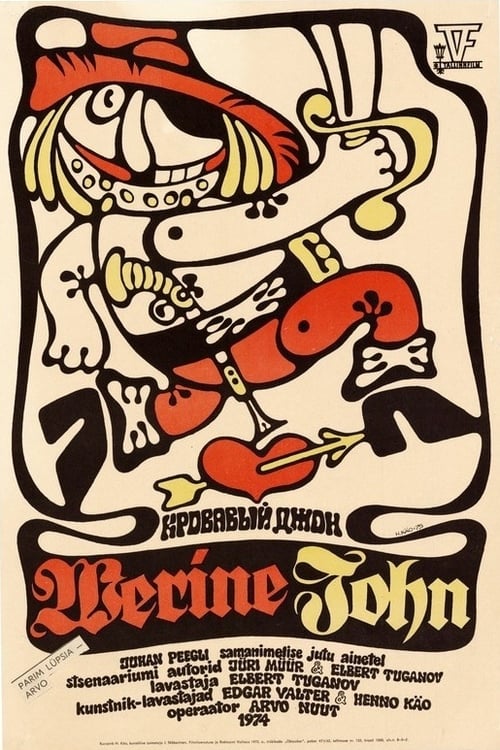
The famous chief of the corsairs Bloody John brings the lovely Isabella back as war booty from yet another foray. The avaricious Isabella shortly seizes power in the gang. Bloody John is reduced to a weak-willed, henpecked subordinate of the female robber. The desperate John escapes and seeks shelter in his dear childhood home in Saaremaa, where he starts earning a living again by honest means.
Bloody John

The Christmas of 1905 in Vigala is not a peaceful holiday. The manor house has just been pillaged during the peasant's revolt; the air is full of smoke of fire and there is the premonition of inevitable punishment. Bernhard Laipmann is a tenant farmer whose wife is asking him to leave home since her husband keeps drawing the attention of the authorities. Having doubts about leaving, Laipmann is inspired by endeavouring towards freedom and equality and alarmed by the violence of the revolution.
Christmas in Vigala
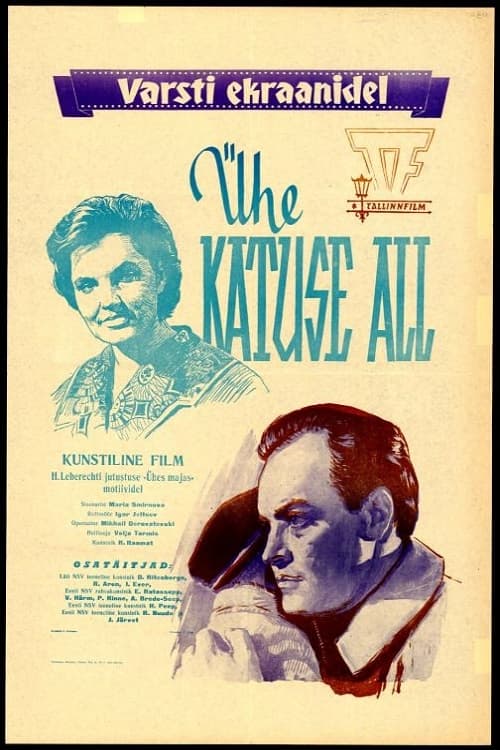
Mari has successfully led a collective farm in 1950s and fulfilled all tasks given from the authorities. Nonetheless, things in the collective farm become progressively worse. The Committee of the Communist Party sends its representative Peeter who learns that Mari acts as a tyrant for the local people. She has to resign during the elections of the new manager. Being without authority has a damaging effect on her so she starts to regain her position with the help of her old stalinist tricks.
Under the Same Roof
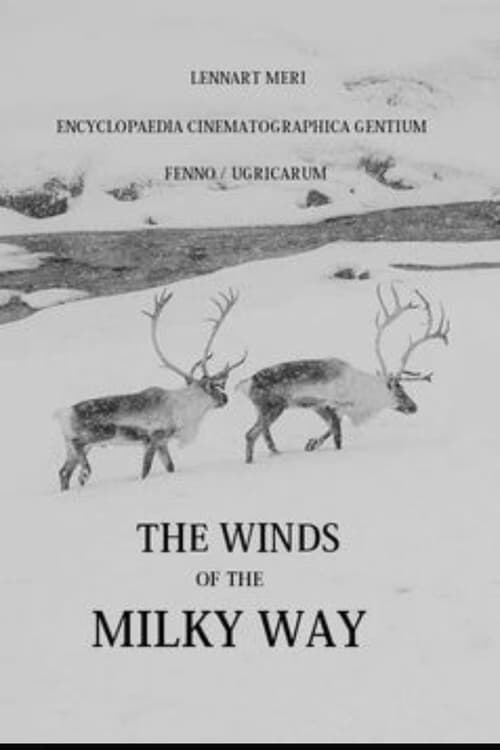
Sequel to the "The Waterfowl People". The author interprets the kinship, linguistic and cultural relationships of the Finno-Ugric peoples. Finns, Vepsians, Votes, Setos, Erzya-Mordvinians, Mansi, Hungarians, Sami, Nganasans, and Estonians appear in the film. The film was shot in 1977 on location in northern Finland, Sapmi, Vepsia, Votia, Mordovia, Khantia-Mansia, Hungary, the Taymyr Peninsula, the Setomaa region in Estonia, and on the Estonian islands of Saaremaa and Muhu. Footage was also shot in 1970 in the Nenets Okrug. The second documentary in Lennart Meri's "Encyclopaedia Cinematographica Gentium Fenno - Ugricarum" series.
The Winds of the Milky Way
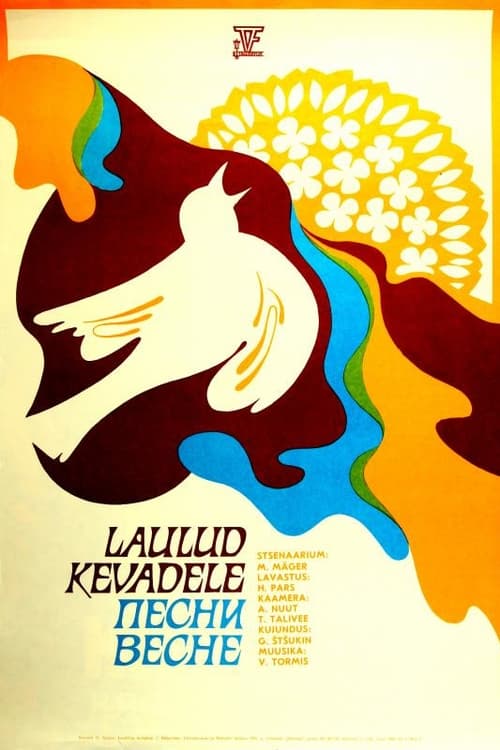
A film fairytale about birds living in Estonian forests.
Songs For Spring
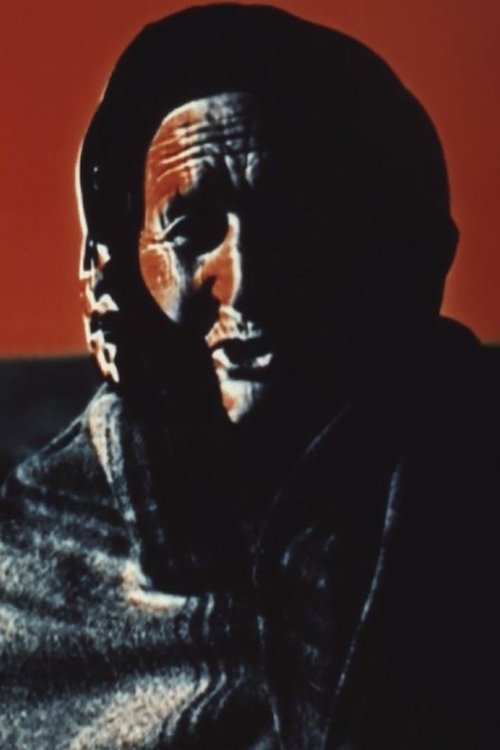
Kihnu is a small island in the Gulf of Riga. Soosaar looks at the islanders from the point of view of an explorer, just like his filmmaking hero Robert Flaherty once did. Their traditional lifestyle unfolds in front of his camera: customary songs and rituals, and heartfelt images of people’s daily lives.
Woman from Kihnu
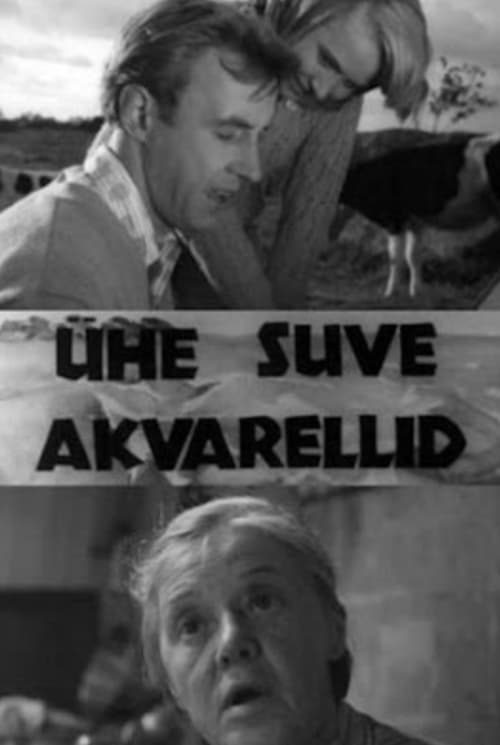
The story of a young art student who goes to the countryside for a summer internship in watercolor and rents a room in a house by the sea. Conversations with an old housekeeper and meetings with an initially somewhat fussy and naive girl draw one summer in the life of a young man. Whether it's a girl's going to university, meetings with people from a beach village, or an old woman's reminiscences of past times, something about these topics has an enlightening effect on the young man. At the end of summer, a young man's eye and weather view is brighter and wider. It is a lyrical and tender story of the beginning of young love and the life experience of a fading Estonian generation.
Watercolors of One Summer

The Estonian Jubilee Song Festival is shown as a source of creativity that influences the creation of a painting. The documentary material is linked to the animation.
Inspiration

Argo Okk's documentary looks at Estonia in 2008.