
Izumi Kyōka
Writing
Biography
Izumi Kyōka (泉 鏡花 Izumi Kyōka, 4 November 1873 – 7 September 1939), real name Izumi Kyōtarō (泉 鏡太郎 Izumi Kyōtarō), is the pen name of a Japanese author of novels, short stories, and kabuki plays who was active during the prewar period. Kyōka's writing differed greatly from that of the naturalist writers who dominated the literary scene at the time. Many of Kyōka's works are surrealist critiques of society. He is best known for a characteristic brand of Romanticism preferring tales of the supernatural heavily influenced by works of the earlier Edo period in Japanese arts and letters, which he tempered with his own personal vision of aesthetics and art in the modern age. -- Wikipedia
Known For
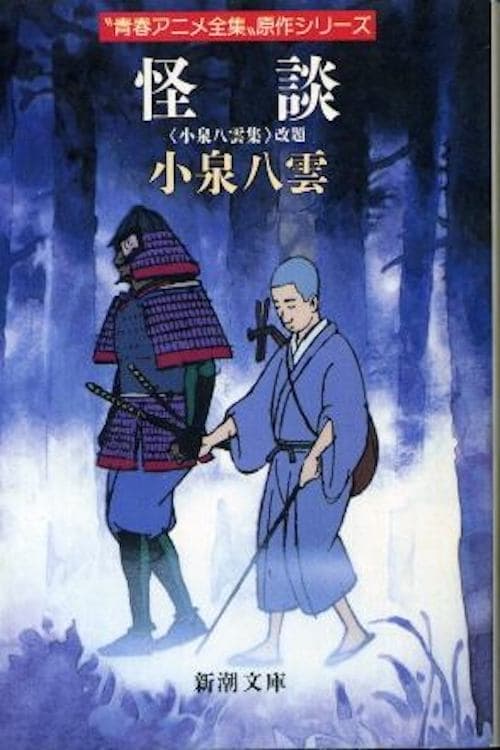
A brilliant collection of beautifully animated episodes based on selected masterpieces of Japanese modern literature. The aim of this series is to appeal to the viewer at large and to give him or her some idea of the variety and individuality which Japanese literature has developed over the last hundred years. The authors range from Higuchi Ichiyou (Takekurabe), Mori Ougai (The Dancing Girl) and Natsume Souseki (Botchan) to Kawabata Yasunari (The Izu Dancer), Nobel laureate of 1968, and Mishima Yukio (The Sound of Waves).
Animated Classics of Japanese Literature
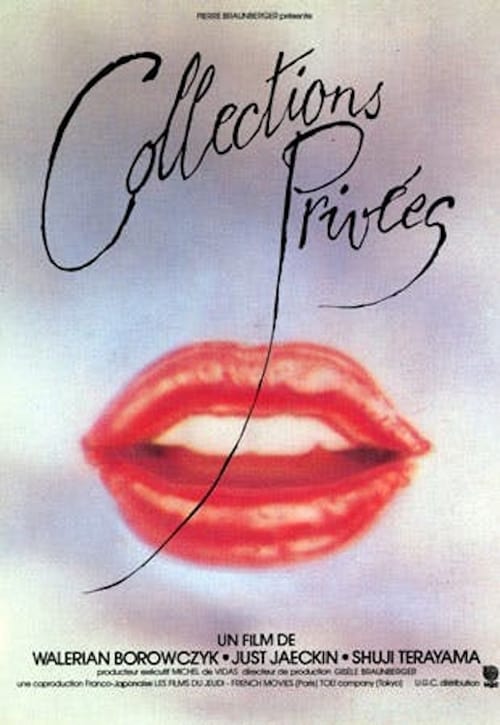
Three stories. A solitary sailor falls from his boat and washes ashore on a tropical island. While seeking rescue, he's found by a nearly naked woman who is playful and compliant. He decides to erase his signs of distress and remain on the island. What awaits? In the second, an adolescent searches for the words of a nursery rime he remembers bits of. His journey takes him into dreams, sexual awakening, and Oedipal fantasy. Third, a man of wealth in late-nineteenth century Paris hires a prostitute for the night. She's also cabaret performer and takes him to her room. He fears he's about to be robbed. What's her secret?
Private Collections
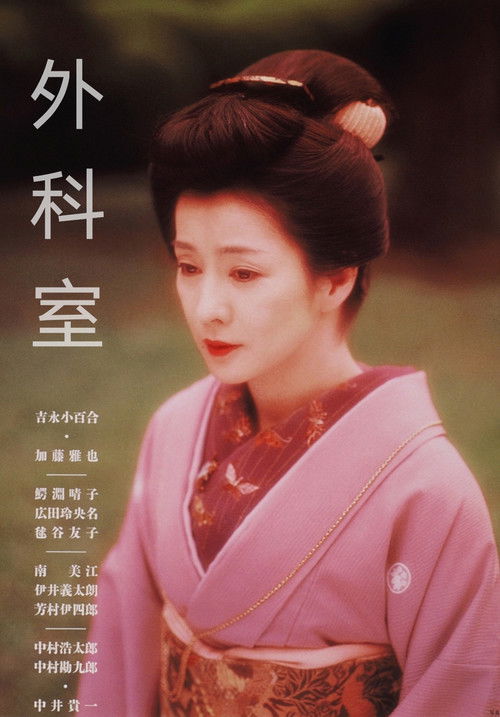
In the Meiji era, Countess Kibune must undergo surgery to save her life, but she refuses to receive anesthesia because she is afraid to reveal a secret. She asks a young doctor, Takamine, to operate on her without anesthesia.
Gekashitsu

A 1920s playwright meets a beautiful woman who may be the ghost of his patron's deceased wife.
Kagero-za

When a lone traveler stumbles upon a remote, drought-stricken village, he finds himself engulfed in a whirlpool of myth, mystery, and magic: in a nearby pond reside spirits who hold the fate of the town’s inhabitants, including lovers Akira and Yuri, in their hands.
Demon Pond
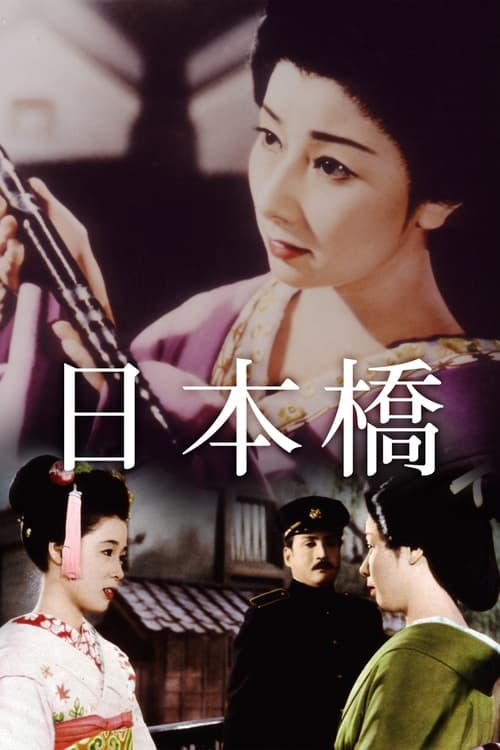
Ichikawa's 1956 adaptation of Nihonbashi was the first to take the work of Kyoka Izumi— until then regarded as a writer of common tragic melodramas—and re-evaluate it as a tanbi-ha work of decadence, aestheticism, and intrigue. Ichikawa's film presents the tragic plot of the young geisha who is unable to enact her love for a man publicly in any way other than a histrionic story of torment, a heart-rending tale of lovers being crushed by fate. Instead, Ichikawa shows the contest of wills that transpires as two geisha, Oko and Kiyoha fight for the top spot in Nihonbashi, the pinnacle of the Tokyo geisha world. Nihonbashi is an elegant, if steely, exposition of manners. The young doctor, Shinzo Katsuragi, is the object of affection for both women, but appears to be more the choice reward for the plotting and thieving of these two early modern superwomen, than a lover they swoon over.
Bridge of Japan
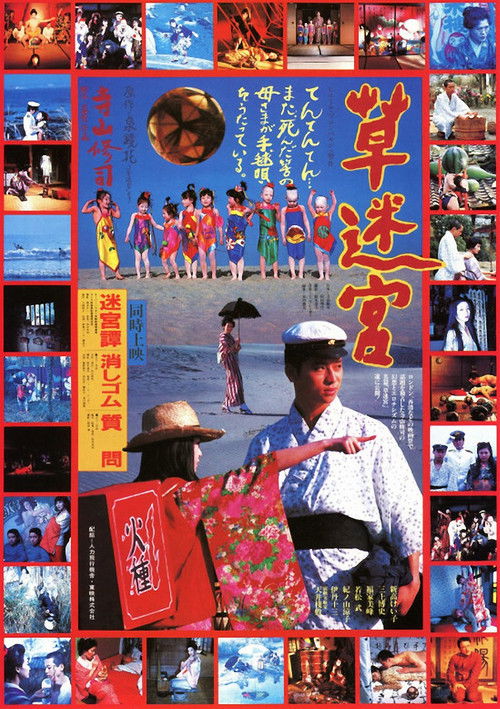
Akira is haunted by a "bouncing ball" song that he remembers his mother singing when he was a small child, and now on the verge of a sexually active adulthood, he wants to find the origins of the song. The young man ostensibly wanders into a time-warp in which aspects from his childhood and adulthood mix together. In this never-never land he comes across a beautiful woman/witch who is lost inside the labyrinth of her mansion, just as the young man is lost in the labyrinth of time — and on some levels, perhaps the labyrinth of his subconscious.
Grass Labyrinth

Nagare, a painter who wanted to commit a lover’s suicide with Mizue, the wife of his friend and patron Takigawa. Growing afraid at the last moment, he doesn’t go through with it – but Mizue sinks to the bottom of Blue Lake. Some time later, Nagare follows an invitation by Takigawa, who claims to have forgiven everything. To Nagare’s shock, Takigawa’s new wife, Ameko, looks exactly like Mizue. While staying as Takigawa’s guest, Nagare becomes haunted by Mizue’s ghost, who wants to be reunited with him at the bottom of Blue Lake.
Blue Lake Girl
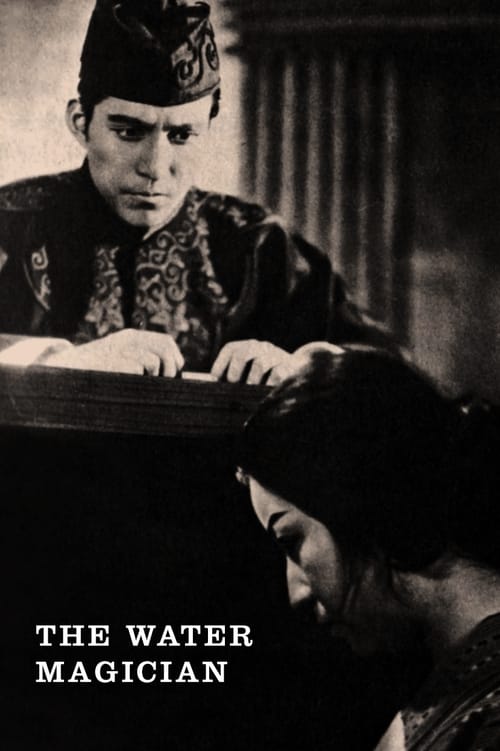
Taki no Shiraito is a very independent young woman with a famous water juggling act in a travelling carnival troupe. She falls in love with an orphaned carriage driver Kinya Murakoshi, and pledges to put him through law school in Tokyo. She always encloses money in her letters to him, until one hard winter there is no work to be found.
The Water Magician
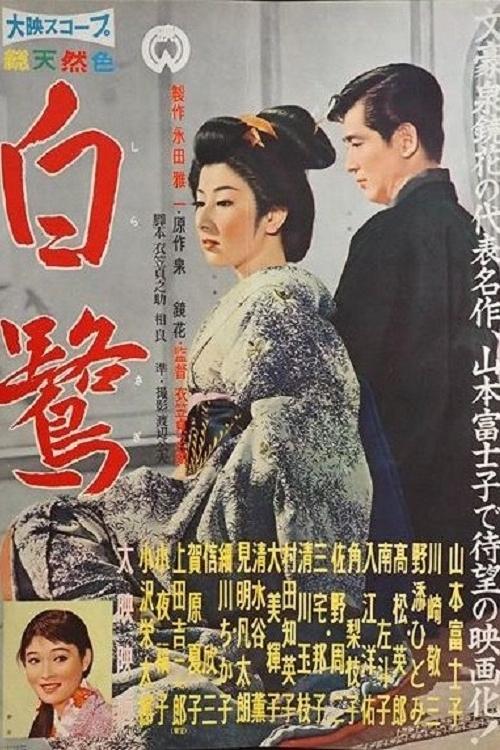
The story follows Oshino, a geisha who is trying to start a new life with a lover who is a painter. However, her past filled with debts and pimps catches up to her.
The Snowy Heron
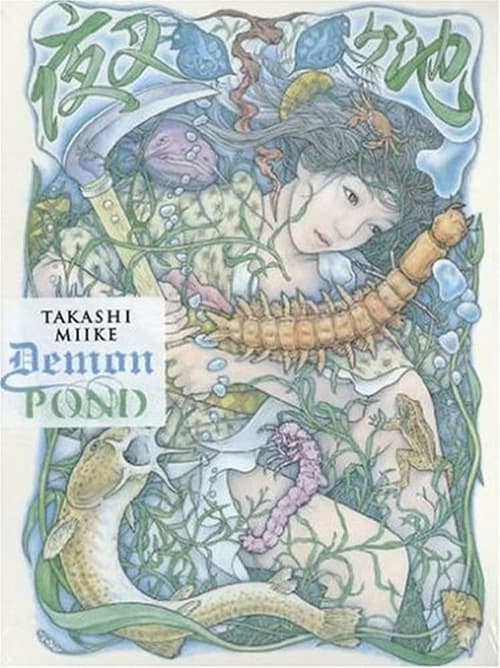
The modern-day story of a man searching for a friend who has mysteriously disappeared, with a magical tale involving strange creatures, a heartbroken princess, and a pact that can't be broken. Conflicts between faith and skepticism, and between social obligation and personal desire drive the narrative toward a dramatic conclusion where the worlds of the real and the surreal inevitabl
Demon Pond
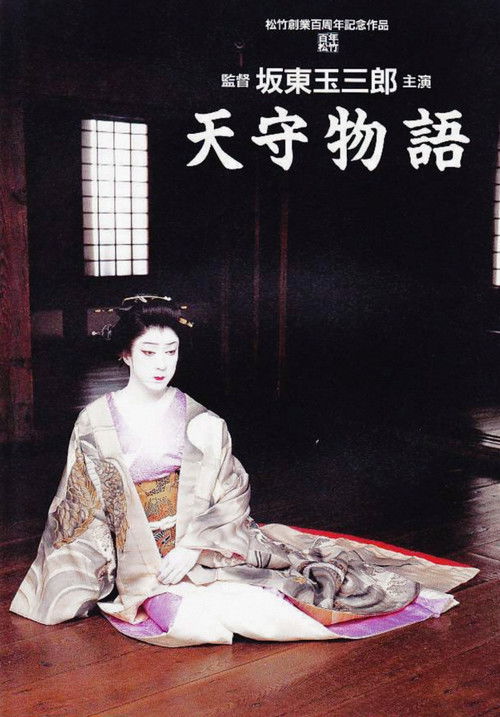
A young samurai dares to approach a castle mistress as he searches for an escaped falcon, a crime punishable by death, but escapes with his life. He is forced to return to the castle by the dying light, but the mistress has become fascinated with him...
The Tale of Himeji Castle
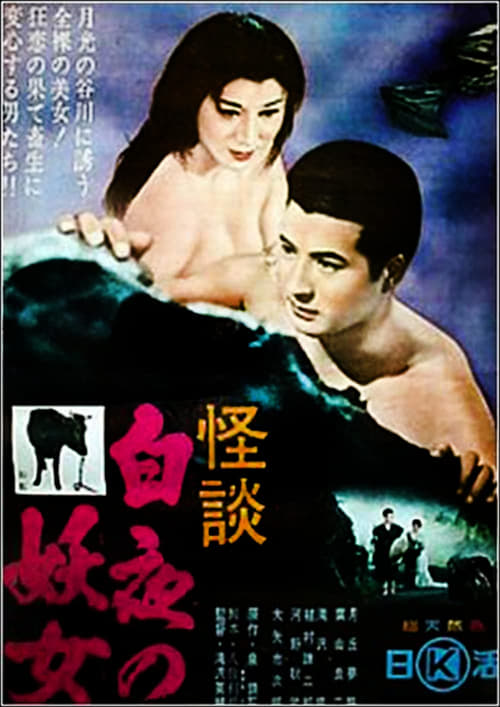
A Buddhist monk becomes ensnared by a seductive woman who, according to legend, transforms her lovers into beasts.
The Temptress and the Monk
1942 adaptation of Izumi Kyoka's novel.
Onna keizu
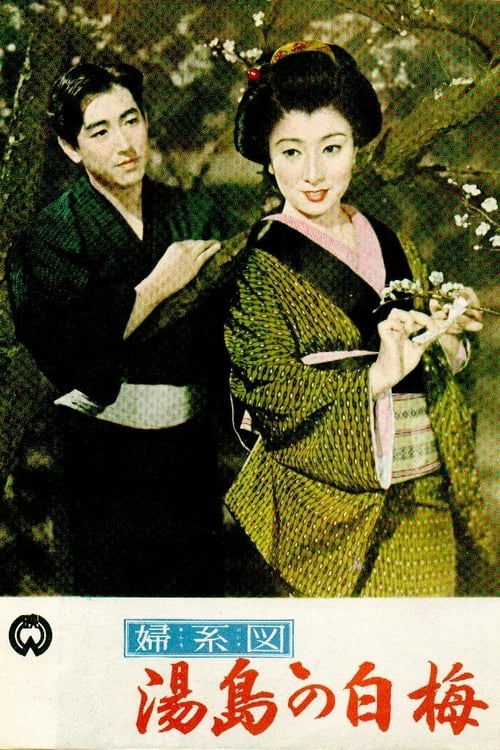
Hayase, a schoolteacher, assists Sakai in editing a German-Japanese dictionary. Hayase owes much to Sakai, as Sakai raised him for 13 years after Hayase lost his parents in a war. Hayase has been secretly married to Otsuta, a former geisha, and has been unable to tell Sakai of the marriage, aware as he is that Sakai wants him to marry his daughter, Taeko. Otsuta wants Hayase to tell Sakai about her, but understands the difficulty of his position. At a festival, Otsuta is mistaken for a pickpocket and taken to the police. Because of her background as a geisha, newspaper reporters eagerly delve into her past and report that she has been married to Hayase. Unaware of what has been printed in the papers, Hayase decides to tell Sakai about his marriage. Sakai shows the newspaper to him and orders Hayase to part with Otsuta. Given no chance to explain, Hayase accepts Sakai's order.
The Romance of Yushima
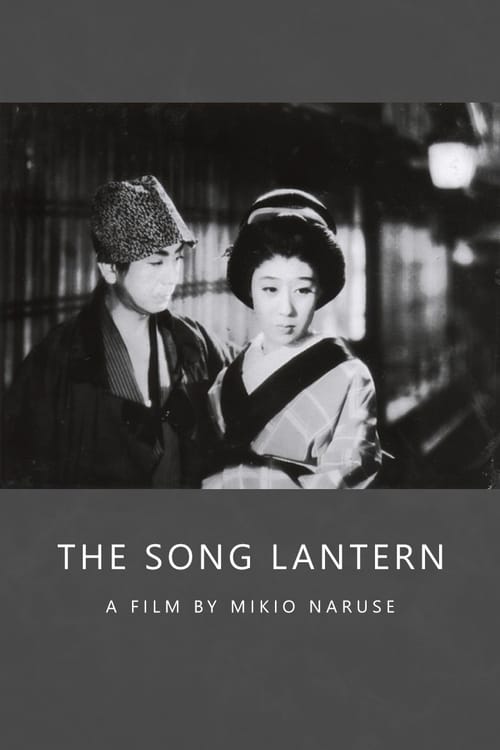
A self-absorbed young actor humiliates an elderly Noh performer, who then commits suicide. His act of cruelty compels his father to disown him, leading the once promising actor to a life on the streets. But his desire to win back the respect of his father and the affection of the dead actor's daughter pushes him toward a more noble existence. Naruse employed a delicately structured mise-en-scene in this family melodrama, which evokes the work of Josef von Sternberg.
The Song Lantern
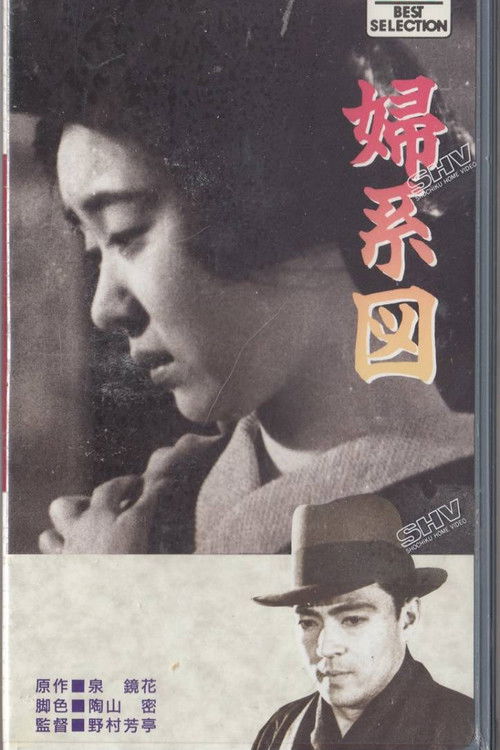
A melodrama by noted auteur and father of director Yoshitaro Nomura, Hotei Nomura. This is apparently the first adaptation of Izumi Kyoka's The Romance of Yushima.
The Genealogy of Women
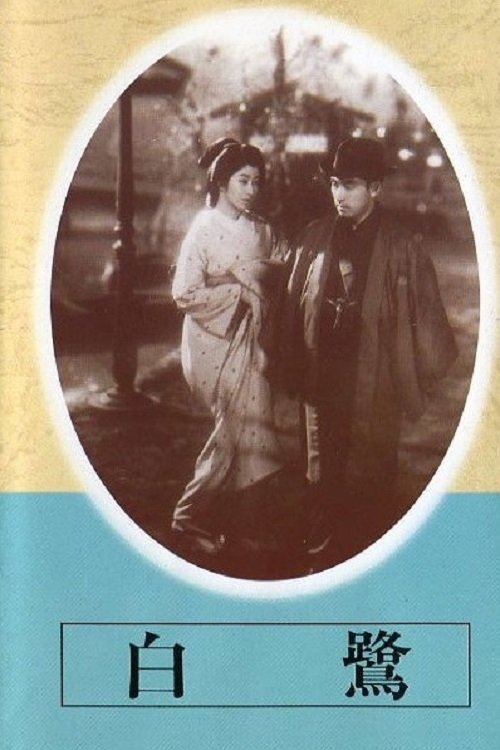
OSHINO, the beautiful daughter of restaurant owners, is in love with SHIRASAGI the painter. But there is another young man, the son of a moneylender family, who is desperately in love with Oshino...
White Heron
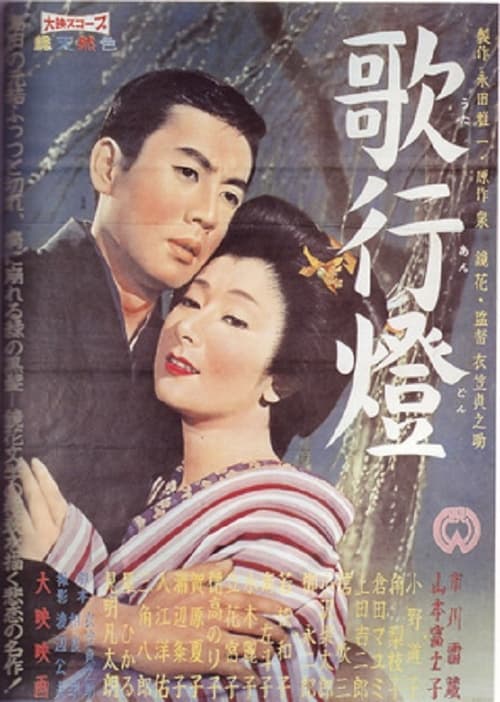
The title of the film reflects the custom of writing poems and lyrics on paper lanterns. The film tells about the difficult relationship between the actors of the Japanese classical theater No, friendship, hatred and love…
The Song Lantern
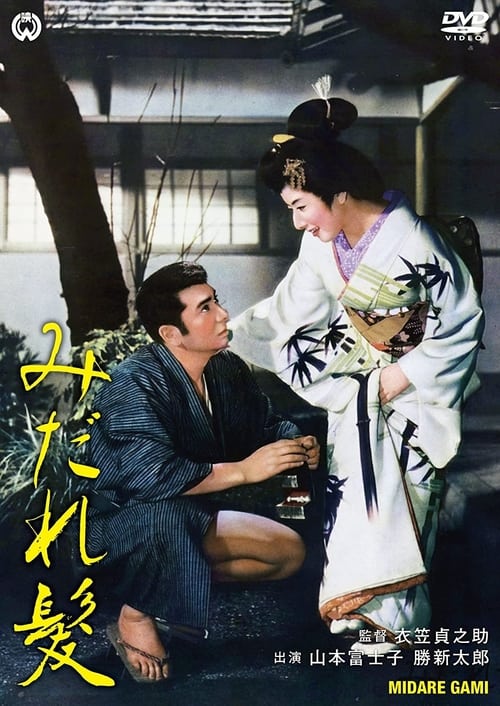
Late romance by acclaimed filmmaker Kinugasa Teinosuke.