
Saeed Taji Farouky
Directing
Biography
Saeed Taji Farouky is a Palestinian-British filmmaker and artist who has been producing work around themes of conflict, human rights and colonialism since 1998. He writes, directs and creates long-term, humanist art and film projects, and is lead tutor and course leader of the Re:Creative film school which offers free film education and training to people from backgrounds that are underrepresented in the film industry. In 2011 he was awarded a Senior TED Fellowship for his work, and he has previously been named Artist-In-Residence at the British Museum and Tate Britain. He has been a speaker and human rights educator with Amnesty International for over 10 years and has been teaching filmmaking and cinematography since 2009.
Known For
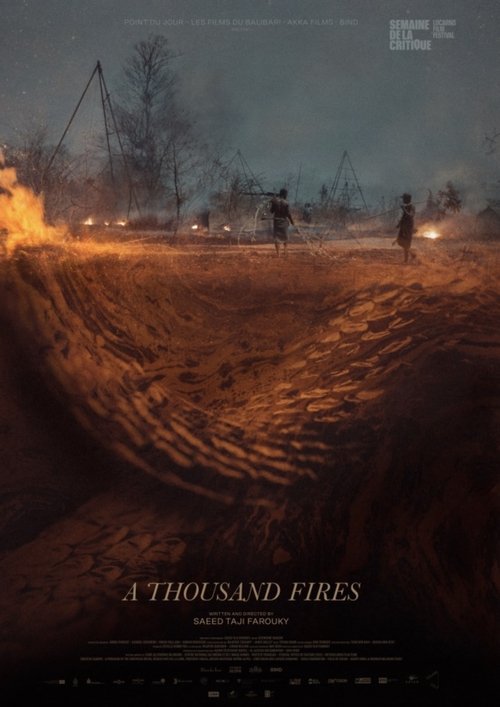
Using their bare hands, married couple Htwe Tin and Thein Shwe draw oil from a pit they drilled themselves on the land next to their house. There are lots of these “artisanal” oilfields dotted around Myanmar, where people have swapped crop cultivation for selling the oil they pump from the ground by hand.
A Thousand Fires
A political refugee living in London tries to get back to his home in Palestine to see his dying son.
Strange Cities Are Familiar
When Jane marries and moves into her new home, she will discover her husband is keeping more than a few skeletons in his closet. From her food, she pulls clusters of hair. Silence haunts the lonely corridors of the home. While Jane is abused by her husband, she untangles the harrowing history of the house.
Taste
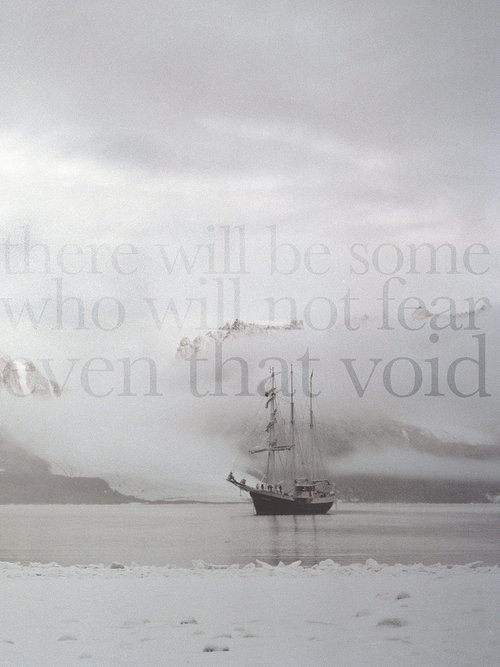
There Will Be Some Who Will Not Fear Even That Void is an ecological film for the 21st century - a film about the future of our planet that turns the traditional environmental documentary on its head. Rather than looking at our influence on the environment, ...Even That Void examines the environment's influence on us - emotionally, psychologically and ethically. The film suggests that the limits to exploring and dominating nature are no longer technological, but moral. We now have the technology to 'conquer' virtually any part of the planet if we want to - the question is no longer 'can we' but 'should we'?
There Will Be Some Who Will Not Fear Even That Void
No description available.
The Path of Most Resistance
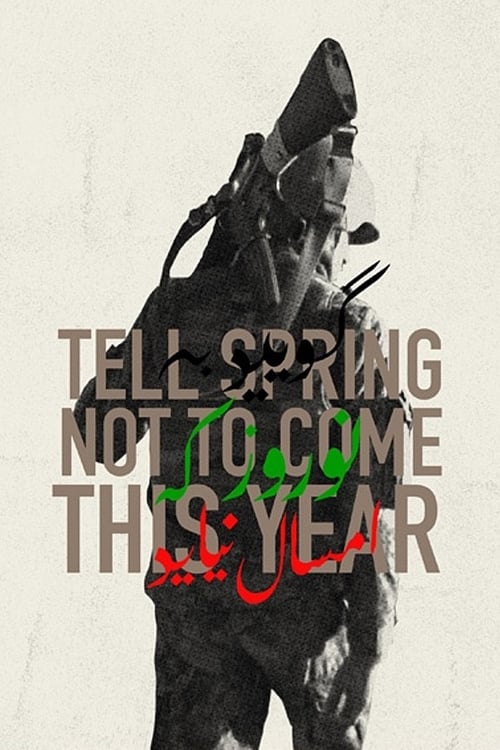
When NATO troops withdrew from Afghanistan, the Afghan National Army (ANA) took over control of Helmand Province, an extremely dangerous region where attacks by Taliban fighters are the order of the day. Security, much less peace, would seem to be unattainable; it is even difficult to find a common language in a country where everyone mistrusts each other. The directors of this film accompanied an ANA company during a year of frontline duty in Helmand. The soldiers are paid irregularly, there are not enough supplies and their equipment is substandard. They cannot fight a war with the equipment left behind by the ISAF.
Tell Spring Not to Come This Year
Hala, an Opera singer living in Rome, comes back to Cairo to claim her mother’s inheritance. This takes her on a journey across Cairo, meeting various people and many sides of the city to resolve her grief and the memories of her mother in the rough fantastical backdrop of the city.
Standing at the Ruins
When the Israeli army withdrew from the Sinai Peninsula in 1982, it built a wall along Gaza’s southern border with Egypt. This split the city of Rafah in half. Today virtually nothing crosses the border. Yet through an underground network of tunnels, people smuggle everything from weapons, food supplies to medicines. The film is produced for Al-Jazeera International.
Tunnel Trade
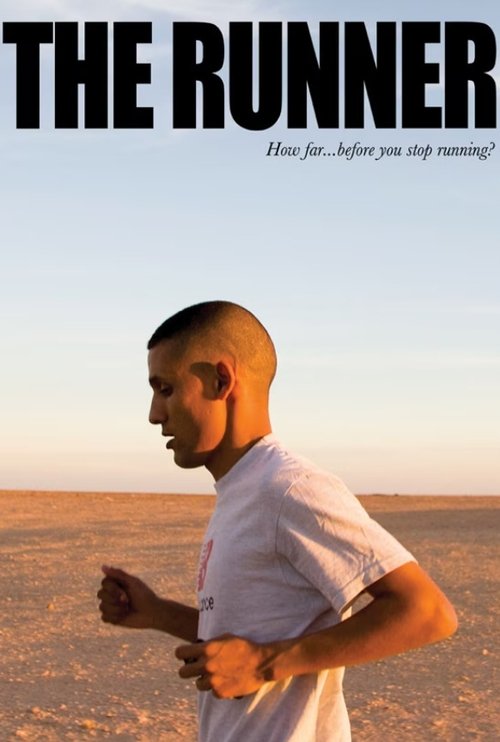
The Runner is a film about endurance. It is the story of a champion long-distance runner whose journey transformed him from an athlete into the symbol of a national liberation movement. Salah Hmatou Ameidan is willing to risk his life, his career, his family and his nationality to run for a country that doesn't exist. He is from Western Sahara, officially Africa's last colony and under Moroccan occupation since 1975.
The runner
An Aboriginal man is invited to London for the Colonial Exhibition of 1886.
They Live in Forests, They Are Extremely Shy
Filmed inside Syria using undercover filmmakers and smuggling out their footage and outside the country with Assad supporters and exiled leaders alike, this piece documents the early bloody days of a country beginning to destroy itself.
Syria: People Awake
We see a boy. We read a name. We view a landscape. We see a man. We see two children. A valley. A kite. A bicycle. A wall. The emotions are yours, not theirs. Not mine.
The Effect of All Peoples
In January of 2004, in the northern Moroccan city of Tangiers, documentary filmmaker Saeed Taji Farouky met a 26 year-old Moroccan named Abdelfattah. He was a clandestine, one of many Africans who try to cross the narrow Straits of Gibraltar and illegally enter Spain by stowing away on cargo ships or boarding inflatable rafts. By the end of their first meeting, Abdelfattah had agreed to let Saeed follow him to film every aspect of his journey.
I See The Stars At Noon
Newlyn Harbour is the largest fishing village in Britain, but the fishermen and the people of the village are faced with making some difficult decisions if they want their village - and industry - to survive. Plans to commercialise the harbour, or introduce retail and pleasure boats, could save the industry but would also fundamentally change the character of Newlyn forever.
Newlyn Harbour
It's 2013, and President Obama is struggling to keep his promise to close Guantanamo Bay prison, made via an executive order on his first full day in office. Over the past five years, U.S. Congress has raised the political price of transferring detainees-even those held without charges and already cleared for release. Some of those still stuck at Guantanamo Bay are on hunger strike as their loved ones campaigned for their freedom. Other former detainees are back in Yemen. Have they been tempted to "return to the battlefield" as Congress warns? Did years of detention, isolation and torture make them want to seek revenge against the United States? And how are they rebuilding their lives? Fault Lines travels to Yemen to explore the consequences of the U.S. policy of indefinite detention.
Life After Guantanamo
In May 2025, artist filmmaker Saeed Taji Farouky collaboratively devised scenarios and filmed with people arrested and tried for pro-Palestinian activism. Together they built sets and performed idealised re-enactments of their police interviews and trials, re-enactments in which they said what they weren’t allowed to say in their real interviews and trials. In July 2025, the group with which some of those participants took action was banned as a terrorist organisation and an unprecedented crackdown on the language of Palestinian liberation began.