Chris Nikkel
Production
Known For
Series looking at how the BBC has revealed and interpreted monumental moments in our history. Using the BBC archive, the programmes examine changes in research covered in documentary television.
A Timewatch Guide
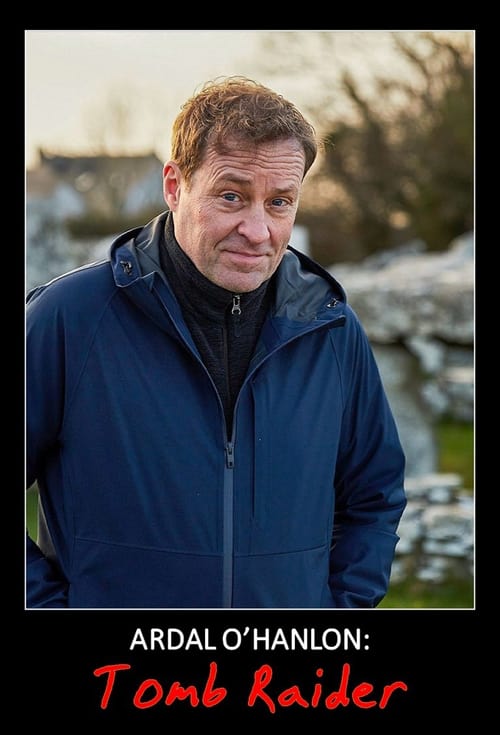
Ardal O’Hanlon explores a 1930s quest to find the first Irish men and women using archaeology, answering his deepest questions about what it means to be Irish.
Ardal O'Hanlon: Tomb Raider
Actor Ardal O'Hanlon (Father Ted) explores some of the most important archaeological finds in Ireland's history, revealing how many have been used as an important tool for nation-building on both sides of the border. Speaking to world-renowned experts, he unravels a forgotten time period, when a team of Americans from Harvard University, a Nazi archaeologist from Austria, and a Welsh geography professor dug up ancient sites across the country. Their pioneering work answered questions about the Celts, and what it means to be Irish.
Nazis, Treasures, and the Quest For Celts

Professor Saul David uses the BBC archive to chart the history of the world's most destructive war, by chronicling how the story of the battle has changed. As new information has come to light, and forgotten stories are remembered, the history of World War Two evolves. The BBC has followed that evolution, and this programme examines the most important stories, and how our understanding of them has been re-defined since the war ended over 70 years ago.
World War Two: A Timewatch Guide

Tres Mares is a short film that explores the matters of identity, love and cultural heritage from a personal perspective. Raised at Catalonia but coming from Ethiopia, Beruh Pietx Prat thinks about her childhood and the memory lapses leaved by the shortage of information about her biological mother. Together with her sister Eskedar, they create an imaginary figure of their mother, weaving knowledge from their adoptive mother to fill the holes. Using a mixture of Super 8 and digital footage, the movie merges real and imagined worlds through living colors, textures and figures. The heart of the narrative is the exploration of the physical resemblance of the sisters with her biological mother, the only tangible bond that they have left of her. Through this personal trip, the movie stands out the universal emotions of family, memory and identity, totally embracing the complexities of adoption and cultural roots.
Three Mums
In 1919, a film crew set out on an epic journey across Canada's North. Over the course of six months, their expedition traveled by icebreaker, canoe, and dog sled, capturing the Canadian fur trade in a silent feature documentary. The Romance of the Far Fur Country was released in 1920, two years before the legendary film Nanook of the North. Rediscovering the documentary in a British archive, another film crew begins a journey to resurrect the lost film, taking it to the communities where the film was originally shot. Images come to life; people recognize faces, landscapes, and lost traditions.
On the Trail of the Far Fur Country
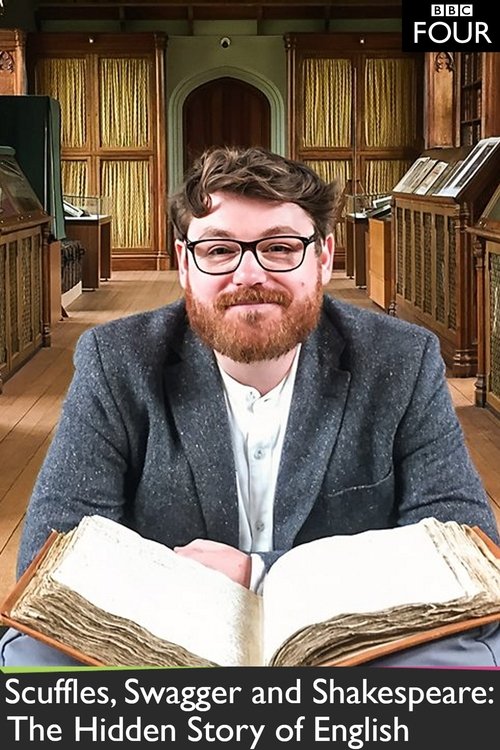
The English language is spoken by 450 million people around the globe, with a further one billion using it as a second language. It is arguably Britain’s most famous export. The man often given credit for the global triumph of English, and the invention of many of our modern words, is William Shakespeare. Shakespeare’s plays first hit the stage four centuries ago, as the explorers of Elizabethan England were laying the foundations for the British empire. It was this empire that would carry English around the world. Language historian and BBC New Generation Thinker Dr John Gallagher asks whether the real story of how English became a global linguistic superpower is more complex.