Directing
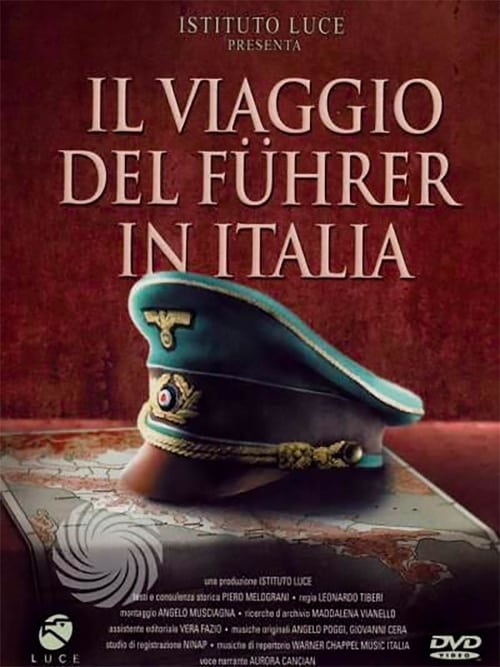
A double portrait of two dictators who were thousands of miles apart but were constantly fixated on each other.
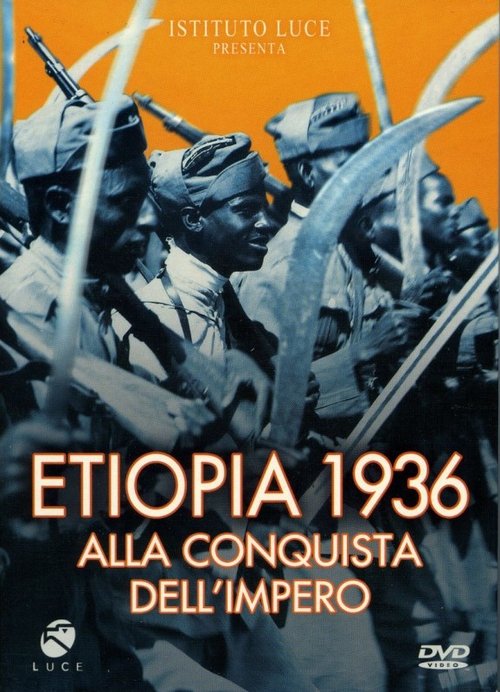
By means of a chronological arrangement of historical video material from the Istituto Luce archives, it tells the story of Fascist Italy's ambitions in Africa and the role they played in shaping fascist ideology and the stance of the fascist regime in the Western world at the height of the age of colonialism and aggressive European expansionism.
No description available.
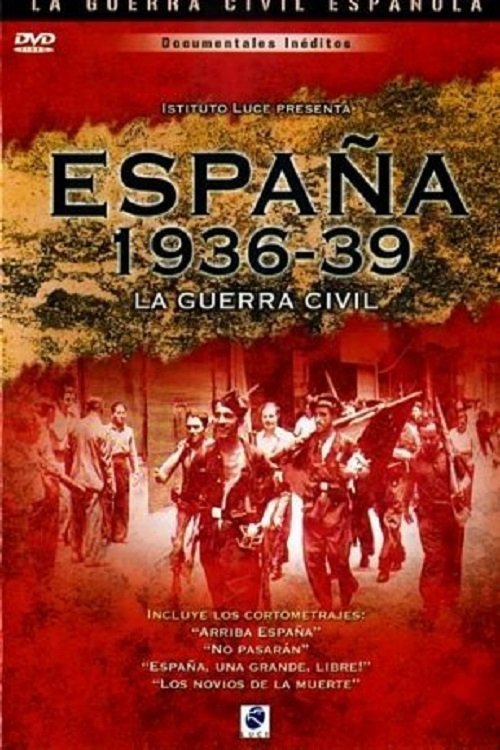
World War II as told through the famous Luce newsreels, featuring the monthly events of those years. The rubble and the physical and moral wounds of a country devastated by bombings, deprivation, foreign occupations, and the Civil War.
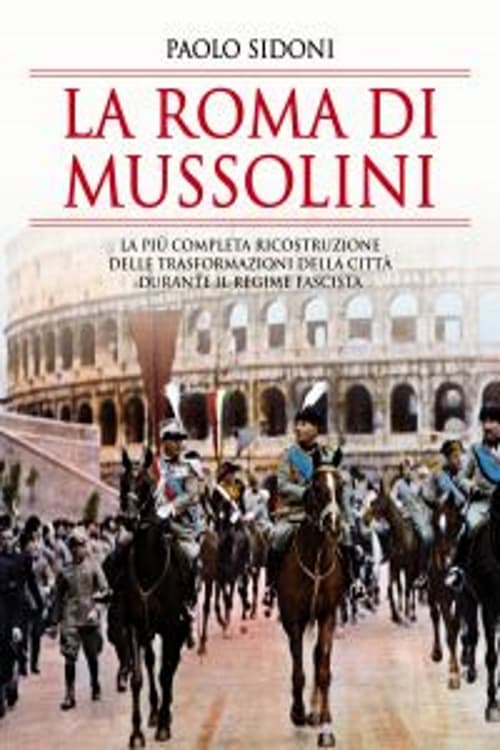
A historical document on the uses of Architecture and urban reform as tools for political propaganda, populism and the co-optation of the masses. The newsreels of the time are a testimony to it: the city is a gigantic construction yard; new buildings rise next to the demolitions in the heart of Rome and the Fascist regime adopts new architectural styles and transforms the city. The documentary La Roma di Mussolini, by Leonardo Tiberi and Leonardo Ciacci, aided by footage of the Istituto Luce and maps and drawings of the time, describes XX century Rome, a monumental city opposed to the ancient and medieval one. And yet Mussolini, and his ‘demolishing fury’ take on older city plans, started or laid out back in 1800s. Republican Italy indeed did the same with projects that have begun under the Fascist regime.
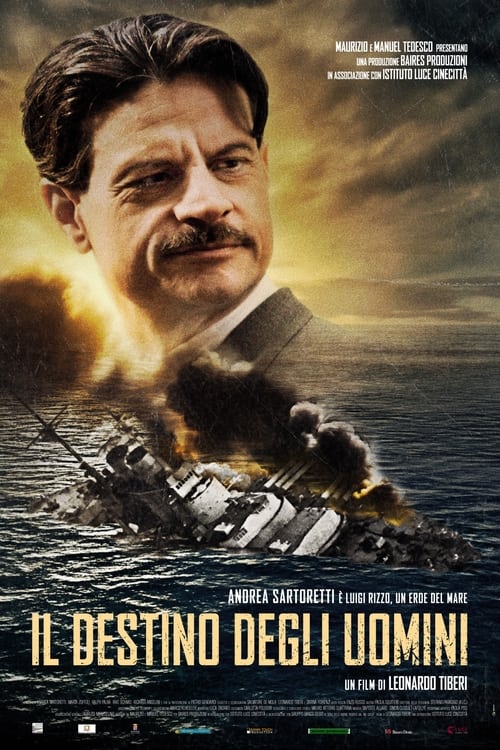
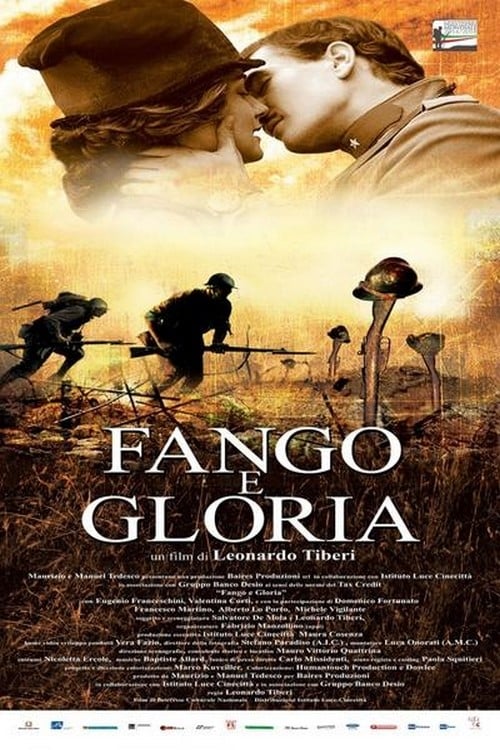
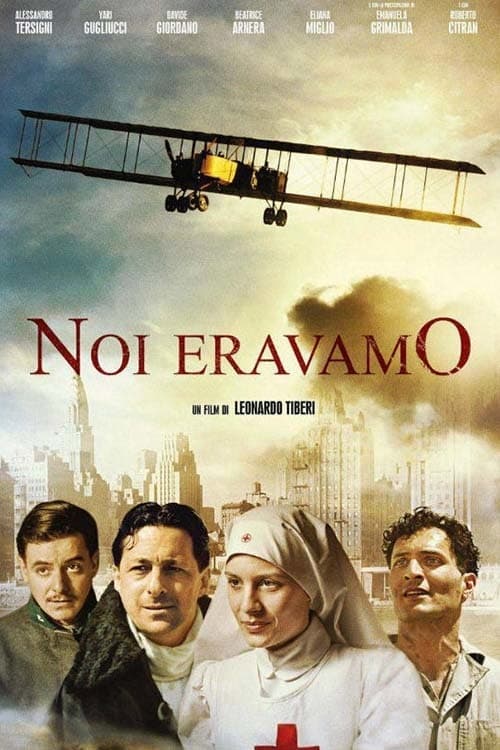
At the beginning of the First World War, many Italian emigrants, especially in South America, felt that Italy was in the throes of falling into the hands of the Austro-Hungarian empire. When King Vittorio Emanuele II decides to wage war on this empire, these emigrants, forced to leave Italy years before, join the army. Among them, the future mayor of New York Fiorello La Guardia. He is the Virgil of this unknown history.