Chris Langdon
Directing
Biography
Chris Langdon (born 1952) is an American artist based in Los Angeles who produced a large body of work in many media, including painting, sculpture, graphics, assemblage, photography, film, and video. While attending California Institute of the Arts from 1971-76 in the Film (BFA) and Art (MFA) schools, Chris was extremely prolific, in particular producing about forty 16mm and 35mm films, in addition to assisting artists Robert Nelson, John Baldessari, and Jack Goldstein in the production of some of their films. Chris's film work was influenced by, but also satirized tendencies in the Los Angeles art world toward conceptual and structural work. Most of her film work makes extensive use of lively and unexpected humor and employs the tropes of so-called "low" culture, including corny references and pulp media, to make biting critiques and comments on (and devilish subversions of) the ways in which we ingest images, and what our minds then do with them. For instance, the film Bondage Boy (1973) uses an absurd and unlikely bondage setup as a satire on structuralism, while a phony post-mortem documentary on Picasso (Picasso (1973)) allows us to question the authority of images. This is the Brain of Otis Crawfield (1973) could be seen as a damning statement on both the Anglo co-opting of African-American culture and humanity, as well as a send-up of superficial "emotional" pieces that use clichéd cinematic tricks to manipulate audience reaction. Another film, Love Hospital Trailer (ca.1975) presents a series of goofy romantic and pseudo-professional interludes among its all-male cast in the guise of a soap opera TV spot. Chris ended a long initial string of filmmaking in about 1976, and retired from making art in 1994. In 2008, she resumed painting.
Known For
ca. 1973-4, b/w, silent, 9 min. Preserved by the Academy Film Archive in 2012.
The Plant Film
1975, b/w, sound, 6 min.
The Last Interview With P. Passolini
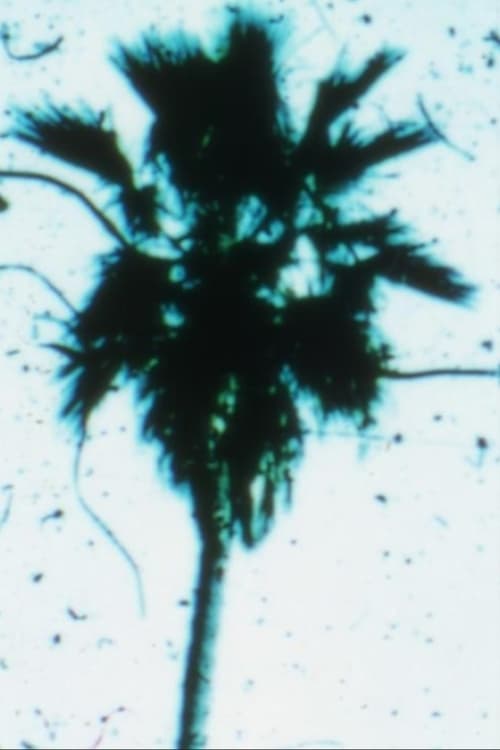
No montage, no human subjects, minimal visual content, and the artists basically pissing on the fourth wall by calling attention in every way possible to the artifice of what they’re doing. Preserved by the Academy Film Archive in 2009.
Venusville
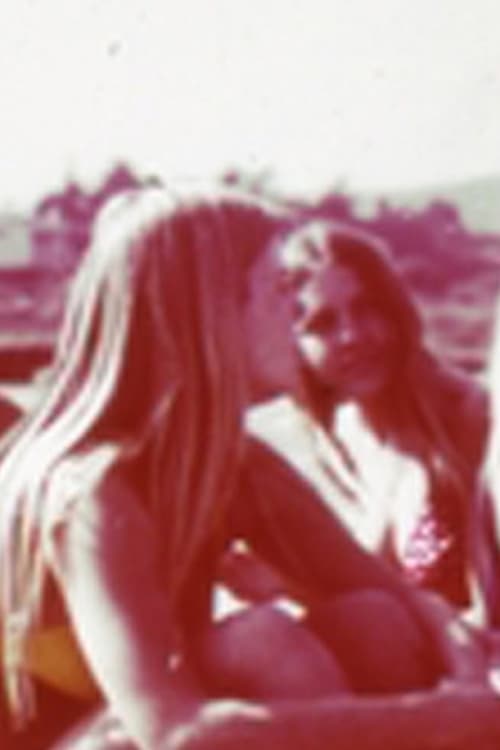
A day at the beach in Malibu, at the northwestern edge of what Reyner Banham calls 'Surfurbia.'
Now, You Can Do Anything
1975, b/w, sound, 3 min. Preserved by the Academy Film Archive in 2015.
Go Cart
“The first mistake of art is to assume that it’s serious.” (Lester Bangs, quoted here without the permission of the filmmaker)
Interview With an Artist
“When Picasso died I wanted to make the first post-mortem documentary, as I knew would happen anyway, and cheaply. The film took four hours to finish from camera to print and cost a little under $5." Preserved by the Academy Film Archive in 2008.
Picasso
1973, b/w, sound, 4 min. Preserved by the Academy Film Archive in 2011.
This is the Brain of Otis Crawfield

Presents a series of goofy romantic and pseudo-professional interludes among its all-male cast in the guise of a soap opera TV spot. Preserved by the Academy Film Archive in 2010.
Love Hospital Trailer
ca. 1974, color, sound, 5 min.
My Laser
ca. 1973-4, color, sound, 6 min.
Intermittent Transposition
ca. 1974, b/w, sound, 4 min. Preserved by the Academy Film Archive in 2016.
The Surf Caster’s Story
1974, b/w, sound, 10 min., aka Express Implication
999 Boy
1972, color, sound, 6 min. Preserved by the Academy Film Archive in 2009.
Go Oh Wow
color, sound, 15 min., never shown. Preserved by the Academy Film Archive in 2009.
My Girdle My God
1973, color, sound, 6 min., aka Immaculate Gate. Preserved by the Academy Film Archive in 2009.
Bondage Girl
1974, color, sound, 5 min. (aka I’ve Seen Hundreds of Movies 2, 5, 10, 20 Times or More as Long as This, Based on Thinner Premises)
Thin Premises
ca. 1975, 35mm, color, sound, 4 min. Preserved by the Academy Film Archive in 2011.
Choppers
Cruisin’ for a bruisin’. Preserved by the Academy Film Archive in 2015.
Two Faces Have I
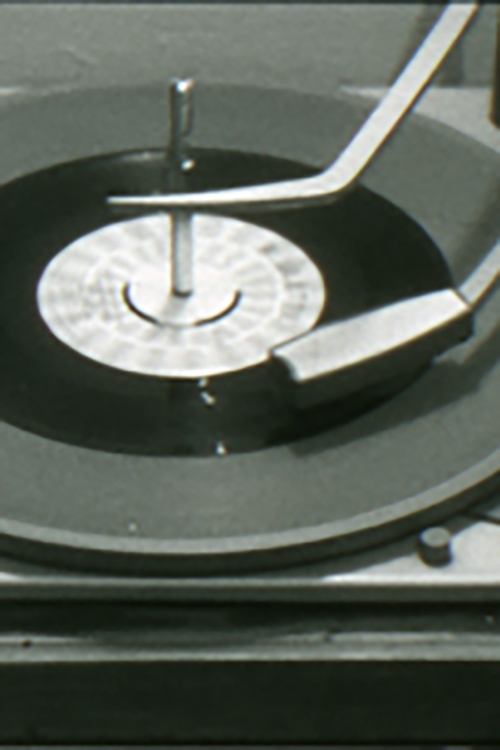
“When one likes something very much, or someone, it is hard to do anything but like it. I didn’t want to take anything away or add anything to this song because I like it a lot.” --Chris Langdon. Preserved by the Academy Film Archive in 2015.