Directing
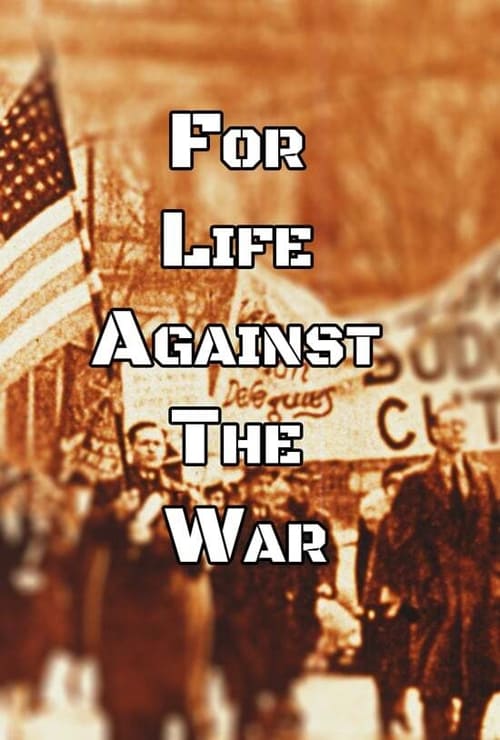
First shown on January 30, 1967, FOR LIFE AGAINST THE WAR was an open-call, collective statement from American independent filmmakers disparate in style and sensibility but united by their opposition to the Vietnam War. Part of the protest festival Week of the Angry Arts, the epic compilation film incorporated minute-long segments which were sent from many corners of the country, spliced together and projected. The original presentation of the works was more of an open forum with no curation or selection, and in 2000 Anthology Film Archives preserved a print featuring around 40 films from over 60 submissions.
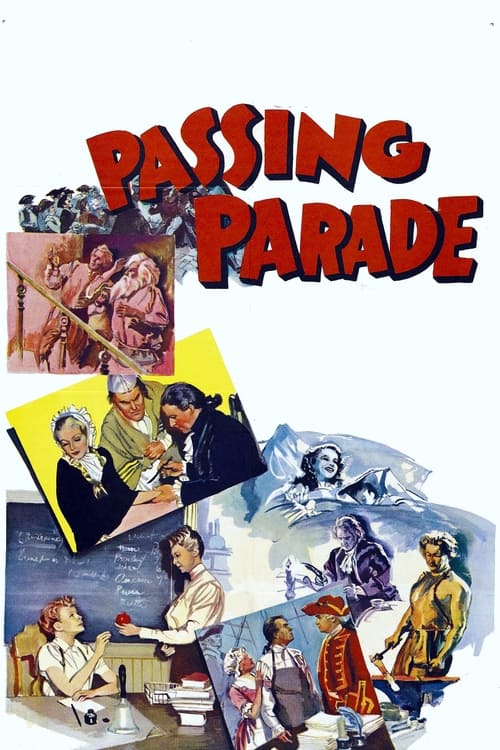
In this John Nesbitt's Passing Parade short, a man recovers his lost memories when he is forced to relive events in his dreams.
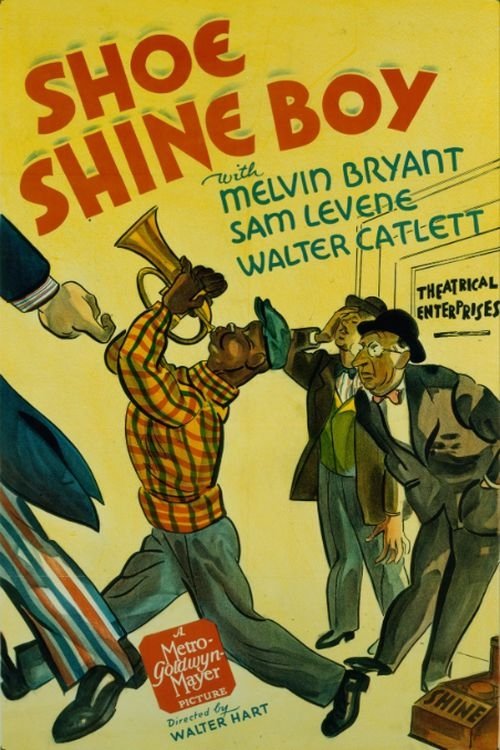
A teenaged shoeshine boy urgently tries to raise the remaining amount of money he needs to purchase a secondhand bugle before 6p.m.
A Yugoslav man, dying after being shot while attempting to help defend his village, writes a letter of encouragement and hope to his unborn child, explaining what he was fighting for in resisting the Nazi invasion of his homeland. A John Nesbitt's Passing Parade short.
A new collection of rarities and lost obscurities from Something Weird Video, one of which is a forgotten TV-pilot for a sitcom called "Rosie" that involves a grown man in a dog costume going home with a young boy. Then a TV special from the 70's called "The Weird World of Weird" where host Ralph Story takes us on a guide through the world of the occult. Next is "Follow That Skirt", a short film from 1964 that follows a gender confused man as he strangles and slashes the women he hates. The compilation wraps up with some recently uncovered footage of "The Smut Peddler", a lost nudie-cutie from '65 that involves a pervy publisher and a bevy of nude models.
Unsold television sitcom pilot about a talking dog that befriends a boy.
This film presents a version of Edgar A. Poe’s “The Raven” complemented by the engravings of Gustave Dore. The intense and emotional black and white engravings that Dore executed to illustrate this poem are washed over with red, blue and green. The colours fade and dissolve with the art work to increase the mystery and fantasy which Poe created with his words.
In New York, a distraught woman sits in her rented room in a rocking chair. Outside, people shop and engage in commerce, men light pipes, hands type. A mother and baby play peek-a-boo: things are okay for many. The woman continues to rock. A drunk is arrested; a Salvation Army band plays, kids run around. Protesting unemployed workers appear. The rocking woman's face becomes more distorted. Military officers parade. A man picks through discarded clothes, hobos sit listless. These men are veterans of the Great War, now forgotten, many alcoholic. Passersby ignore men passed out on sidewalks. The woman stops rocking and takes action.
A take-off on film previews of coming attractions.
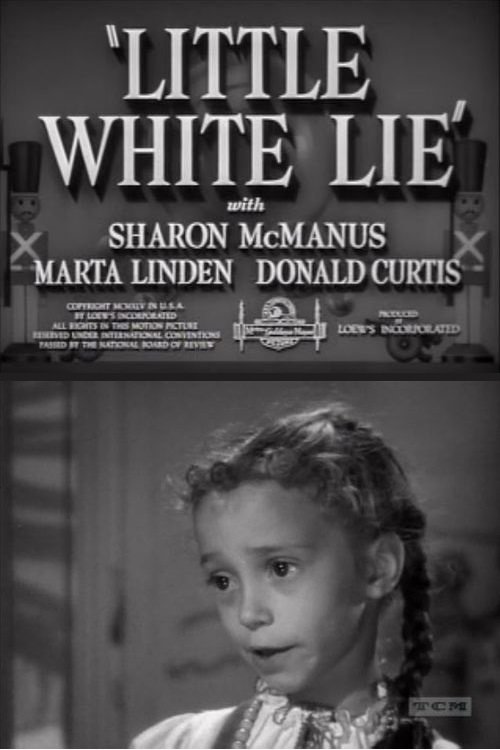
An orphan is uncertain whether she wants to remain with her adoptive family or return to the orphanage.
A political satire dance film.
A film by Mary Ellen Bute, Joseph Schillinger, and Lewis Jacobs
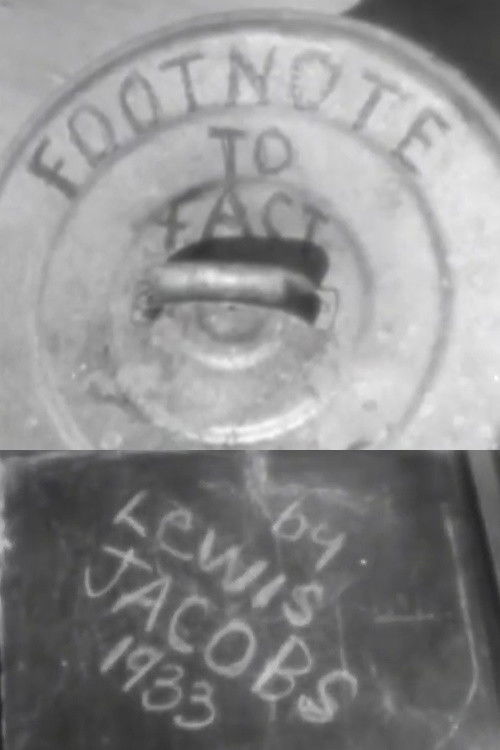
Short film by Lewis Jacobs.
Painting-based reenactment.
"Regardless of country of origin, classification, or labels, one characteristic seems to pervade the creative film expression of our time. That is a growing awareness that the film medium has a formal as well as a representational aspect. That it can best communicate vision and realty when it organically exploits its own plastic means and mode of composition. And that for a film to move people deeply, the filmmaker needs not only a special way of seeing experience, but a specific way of filming it. This film tells the story of a man who has a rendezvous with memory and desire; a man who can neither escape from his present nor his past. Moving on two levels–the objective and subjective–the film shifts back and forth from vision to reality: from memory to desire; from the prison of obsessions to the metaphors of regression."–L.J.
“The personality of the sculptor Chaim Gross, his mannerisms, his characteristic method of work, his tendencies are all intimately disclosed in minute details, as though unobserved—a sort of candid-camera study. Dramatic form and cinematic structure endow the presentation with excitement, humor, and interest.” —Lewis Jacobs
Narrator Michael Sivy opens this richly-illustrated program with this explanatory comment: In the depths of space, there seems neither limit nor direction, neither up nor down, only movement toward or away from. No day, no seasons, everywhere movement, nowhere rest. But man has learned to track the stars and count them, and slowly he has been able to bring a sense of order to his understanding of his own planet earth. Face of the World is a perhaps unique effort to see the earth as a whole and to trace mans attempts through the ages to expand his own knowledge and use of the planets geography.