Acting
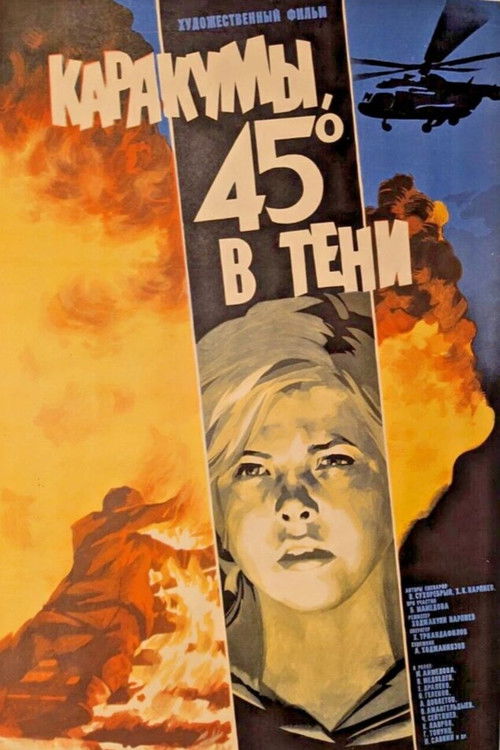
A movie about the gas mine workers in the scorching hot desert of Karakum, Turkmenistan.
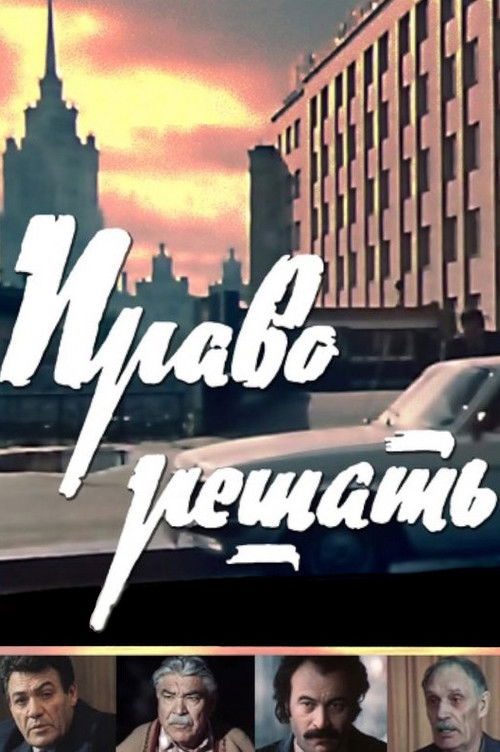
Chary Kalandarov, the director of one of Turkmenistan's industrial enterprises, begins the reconstruction of his factory. His actions are supported by some and actively opposed by others. Jumaev, the head of the petrochemical industry in the republic, becomes Kalandarov's main adversary, as he is primarily concerned with meeting the plan's deadlines.
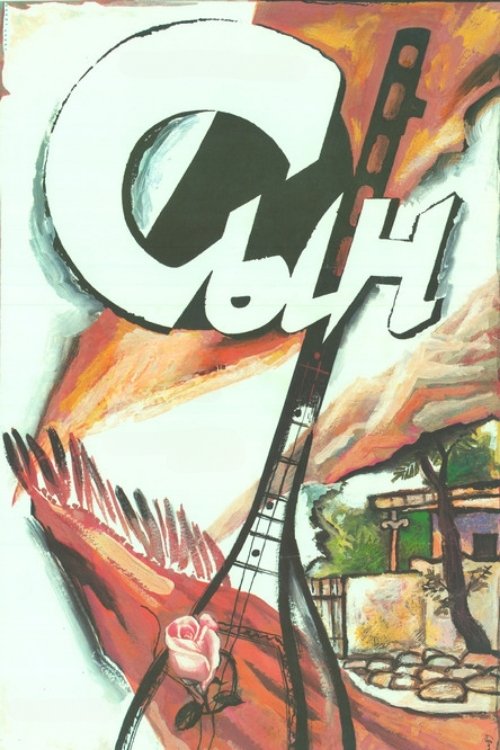
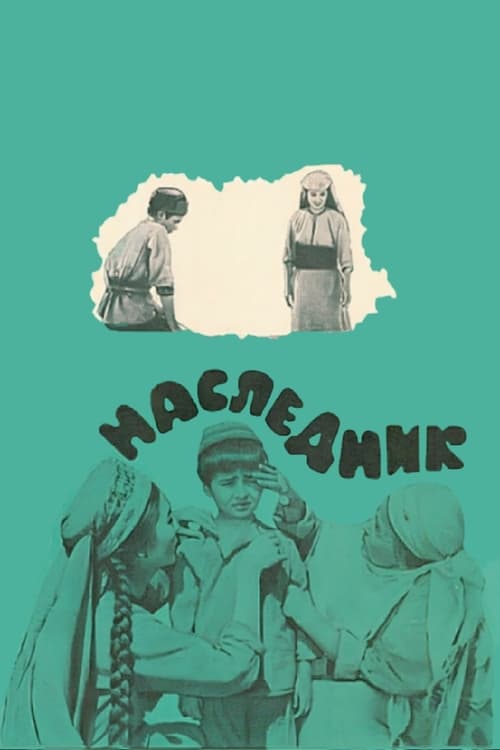
The war years. Young Batyr takes on the responsibility of caring for his mother and newborn sister. The boy's father, a renowned dutar player in the village, has been killed in action. Batyr decides to master the complex art of dutar playing. However, with the ongoing war, there is no time for music schools in the rear. Despite the challenges, the determined young boy conquers the instrument, and his mother is overjoyed to see him grow into a responsible adult.
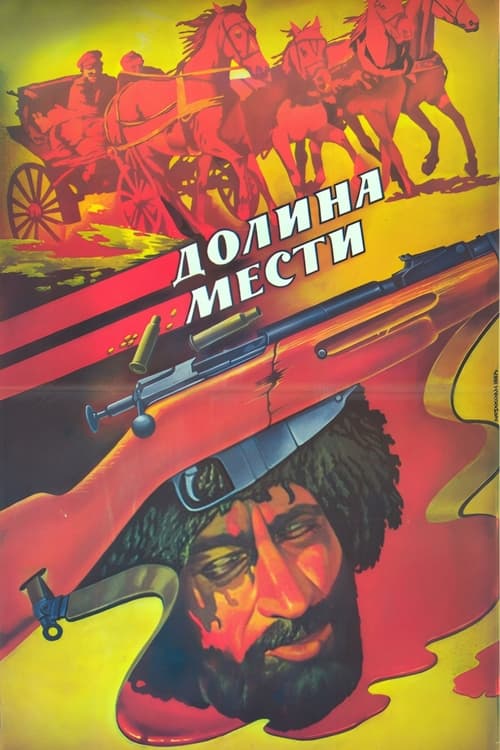
To help the starving peasants of 1918 Turkestan, the Soviet government sends a caravan with bread from Tashkent. This path is dangerous - gangs of Basmachi and White Cossacks are rampant here. The detachment commander, after a series of exhausting battles, decides to distract the gangs - and sets off on the wrong path a “false caravan” led by Commissioner Archman...
The film covers the period from 1903 to the mid-1920s. In the center of the epic narrative is the story of the difficult love of the poor Berda and the daughter of the shepherd Uzuk, who will be freed and made happy by the revolution.
A young boy is taken from his cozy existence in the city to live with his grandfather in the wild countryside of Central Asia.
Radio journalist Chary Atajanov, working with materials about Karakum sheep farmers, decides to make a reportage — the material itself is interesting and relevant. Considering that it is not necessary to go to the far shepherd's kosh, Chary hurries to finish the article and limit himself only to the material that has accumulated recently. However, the director of the local state farm, Kosaev, appears on the radio and, after a brief argument, takes Atajanov to the scene of the events...
A social drama. The period of the Second World War in Turkmenia. In Central Asia the deportation program of the Soviet citizens of German origin begins. All adults are taken to camps in Siberia and children are put in orphanages. The six-year old Georg hides from the Red soldiers and finds himself left almost alone in his, now abandoned, German village. The horrifying reality sets in. The daily routine of his life is shocking: What to eat? How to take care of his sick friend Yashka? How to bury Aunt Lisa? Under these inhuman circumstances, the soul of Georg remains miraculously uncorrupt – he still believes in Little Angel from a children’s song, and he makes a nest for it in a tree. A miracle takes place: sometimes a glass of milk is left for Georg in the nest; sometimes an ear of corn...
KGB officer Galkanov is sent to Europe to investigate how gold coins linked to high-ranking Soviet officials are finding their way into foreign banks. As he digs deeper, the case leads him back home to Turkmenistan.
Commissar Selivanov and several Red Army soldiers manage to escape from captivity. They are being pursued by the White Guards and Basmachi, led by a colonel who was released on parole by Selivanov.
The end of the 1920s. A young oil engineer, Ovez Emudov, arrives in the Karakum Desert to search for oil. The lack of drinking water, necessary equipment, and workers in the barren steppes, as well as the open sabotage of the trust's employees led by Mukhortov, a staunch enemy of the Soviet government, are all factors that the head of the exploration site must contend with. The film is dedicated to the 50th anniversary of the Turkmen Soviet Socialist Republic.
No description available.
An Eastern shah and his vizier have no heirs. One day, they go hunting, intending to shoot a roe deer. At the last moment, the vizier notices that the doe was about to give birth, and the shah decides to spare the animal. That same night, the shah and the vizier have the same dream: it is as if the doe has foretold to them that both would soon have heirs.
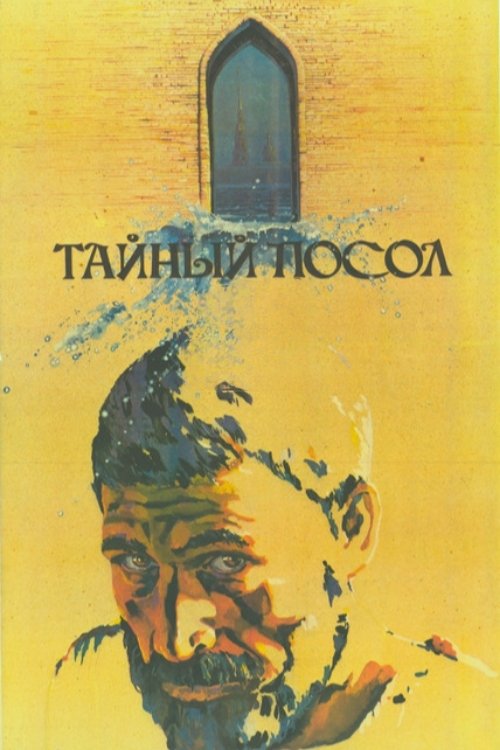
18th-century Turkmenistan. By the will of the rulers of the Khanate of Khiva, the once-blooming land was turned into a desert. In order to unite the scattered nomadic tribes and make his people independent, the elder of one of the tribes, Khodjanepes, secretly travels to St. Petersburg to seek help from Peter I. The tsar, who was interested in strengthening the southern borders, sent Prince Cherkassky's expeditionary force to Turkmenistan, but he made a grave mistake. After listening to the Khiva Khan, who had heard about Khodjanepes's visit to the Russian capital, the tsar divided the expedition into two groups, giving Khodjanepes an excellent opportunity to deal with his soldiers.
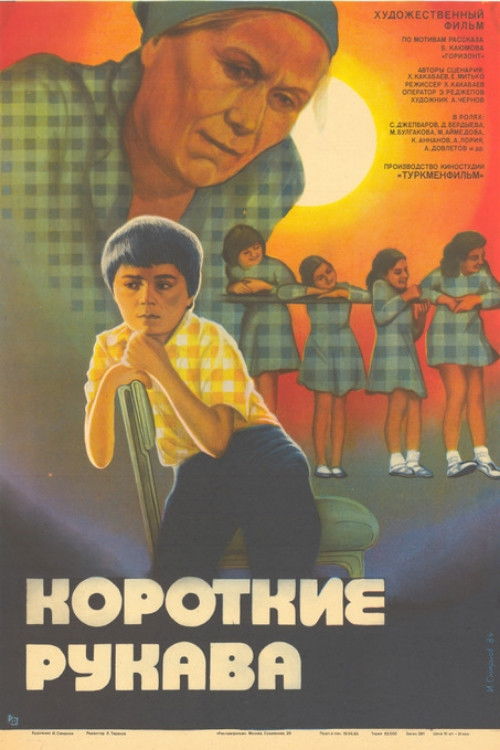
Like all of the Turkmen director Khalmamed Kakabayev's films, this one is about children and their first discoveries of the world of emotions and nature. Seven-year-old Almaz lives in an orphanage. He is very independent and rarely asks for help from his teachers. Like all orphans, Almaz dreams of his parents suddenly appearing in his life. One day, when he meets a woman in a cemetery who is mourning her son, Almaz befriends her and helps her cope with her grief.
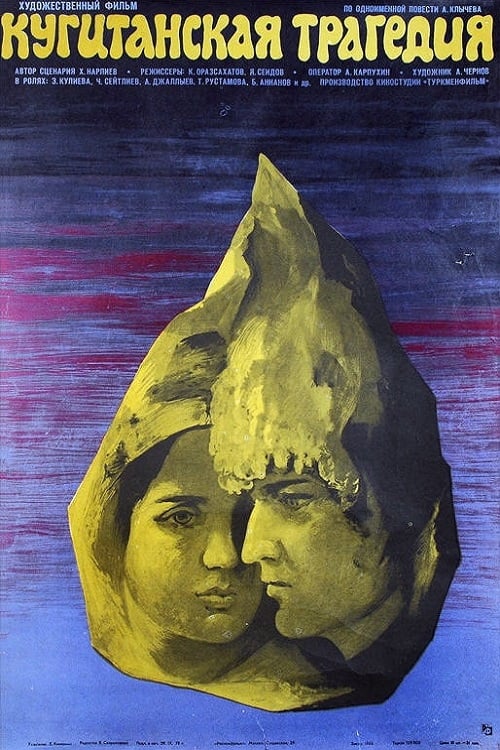
A love story with a tragic ending set in 19th century Turkmenistan
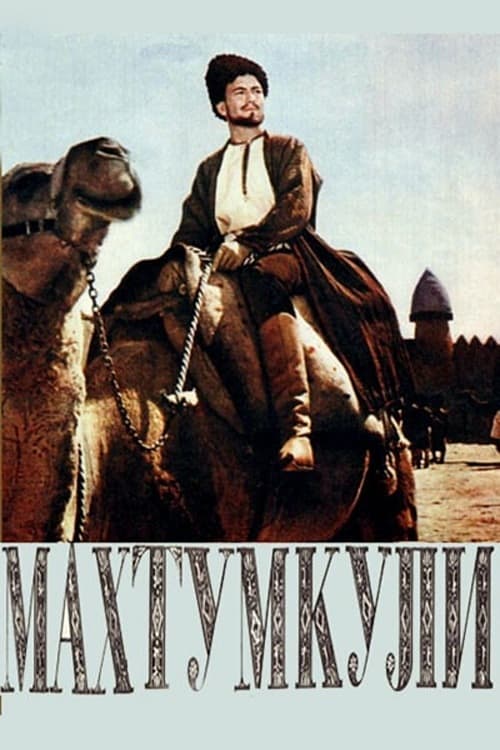
The film is based on K. Kuliev's novel "Magtymguly". A story about a Turkmen spiritual leader, philosophical poet, Sufi and traveller who wrote under the pen name Pyragy (Feraghi) and is considered to be the most famous figure in Turkmen literary history. After graduating from the Khiva Madrasa, the poet Pyragy (Feraghi) Magtymguly returns to his native Turkmen aul. He teaches children, composes poems, loves a beautiful girl and is loved by her. But local bey Cherkez-khan does not like the poet's calls to unite Turkmens, and his soldiers burn the village. Khan appoints the captured Magtymguly his court poet but, having received a refusal, the tyrant orders to kill the poet. But the guard helps the poet to escape. Having returned to the burnt aul, Magtymguly begins to call on Turkmens to unite with Russia, because they could not deal with their troubles alone.
Screen adaptation of the story of the same name by Anna Paityk.
1919. Retreating under the blows of the Red Army, the English interventionists intend to take all the purebred Akhal-Teke horses with them. They are assisted in this by the horse thief Alikhan, who has already managed to obtain the purebred Lachin horse. To oversee this crucial mission, Captain Kelvin arrives in Ashgabat. Red Army soldier Kurban also arrives, already monitoring the situation and providing necessary instructions to the underground. Meanwhile, Dovlet, the owner of Lachin, tries to free his beloved horse, but he is captured by Alikhan. The young man learns that the horse thief plans to deceive the British and sell the herd to the Basmachis.
Sahat, a schoolboy, spends his summer holidays with his grandfather in a mountain village. The boy learns pottery, helps to harvest crops, takes care of a small camel. Here Sahat gets his first work skills, lessons of caring for the surrounding nature.