FEEL IT.STREAM
Miklós Jancsó

Miklós Jancsó

Directing

Biography

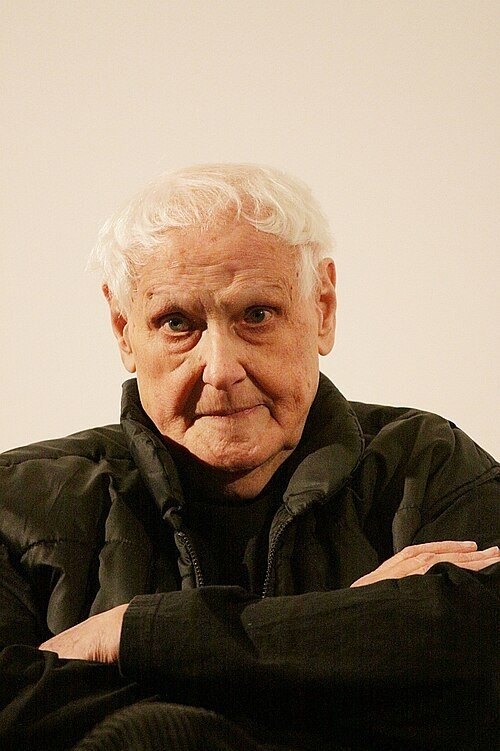
Miklós Jancsó (27 September 1921 – 31 January 2014) was a Hungarian film director and screenwriter. Jancsó achieved international prominence from the mid-1960s onwards, with works including The Round Up (Szegénylegények, 1965), The Red and the White (Csillagosok, katonák, 1967) and Red Psalm (Még kér a nép, 1971).  Jancsó's films are characterized by visual stylization, elegantly choreographed shots, long takes, historical periods, rural settings, and a lack of psychoanalyzing. A frequent theme of his films is the abuse of power. His works are often allegorical commentaries on Hungary under Communism and the Soviet occupation, although some critics prefer to stress the universal dimensions of Jancsó's explorations. Towards the end of the 1960s and especially into the 1970s, Jancsó's work became increasingly stylized and overtly symbolic. He received five nominations for the Best Director Award at the Cannes Film Festival. winning for Red Psalm in 1972. In 1973 he was awarded the prestigious Kossuth Prize in Hungary. He received awards for his life work in 1979 and 1990, at Cannes and Venice respectively. Description above from the Wikipedia article Miklós Jancsó, licensed under CC-BY-SA, full list of contributors on Wikipedia.
Known For

Private Vices, Public Virtues
5.3

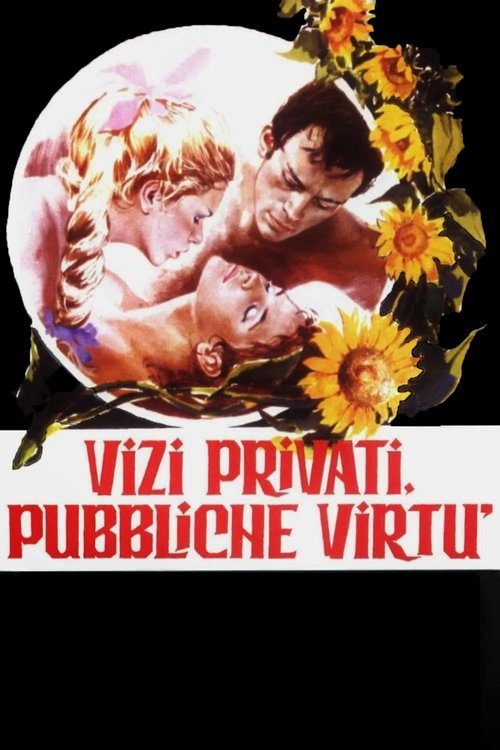
The setting is a Central European kingdom, near the turn of the century. Bored by his very proper wife, the youthful heir to the throne spends his time in amorous dalliances at a sprawling country estate. His wife departs at the arrival of his friends, and they organize a celebration which becomes a wild orgy and culminates in death and tragedy.

Private Vices, Public Virtues

1976
The Pacifist
5.0

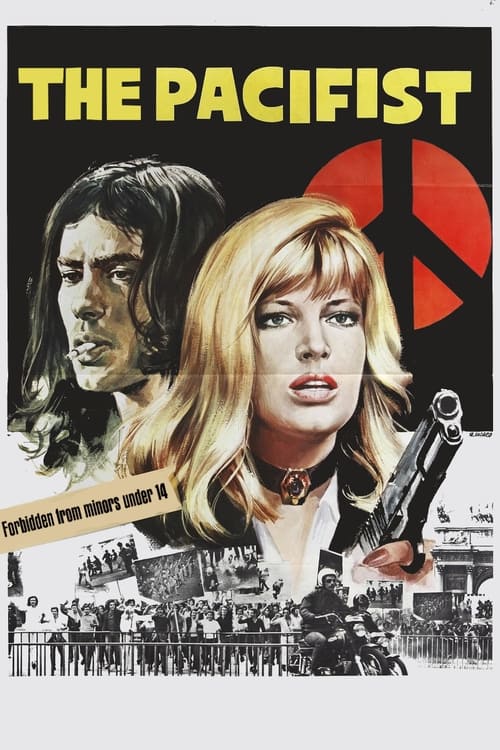
A journalist preparing a story on extremist youth falls in love with a young radical who fears being killed by his companions when he is unable to commit a political assassination.

The Pacifist

1970
The Red and the White
7.0

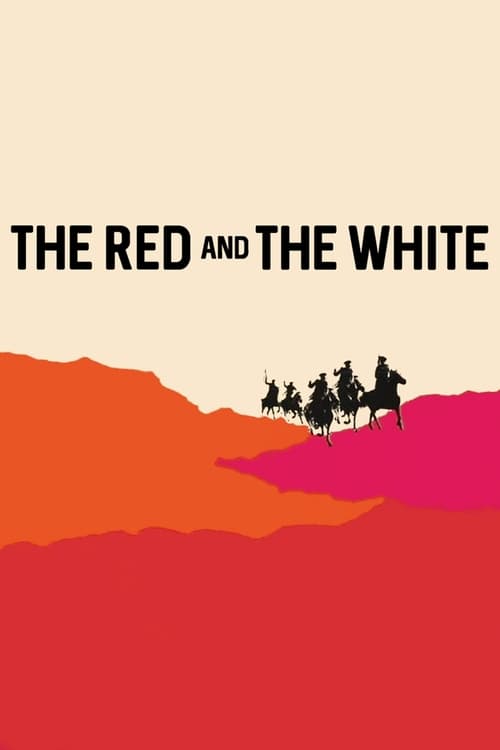
In 1919, Hungarian Communists aid the Bolsheviks' defeat of Czarists, the Whites. Near the Volga, a monastery and a field hospital are held by one side and then the other.

The Red and the White

1967
So Much for Justice!
5.5

Concerning the Mátyás era in Hungarian history, during the reign of Matthias Corvinus (1443–1490), the film focuses on three eras of the king's life: the young Mátyás fights for the throne, the older Mátyás as king, and the fate of the royal crown and the royal heir after his death.

So Much for Justice!

2010
Sodankylä Forever
N/A

The Midnight Sun Film Festival is held every June in the Finnish village of Sodankylä beyond the arctic circle — where the sun never sets. Founded by Aki and Mika Kaurismäki along with Anssi Mänttäri and Peter von Bagh in 1985, the festival has played host to an international who’s who of directors and each day begins with a two-hour discussion. To mark the festival’s silver anniversary, festival director Peter von Bagh edited together highlights from these dialogues to create an epic four-part choral history of cinema drawn from the anecdotes, insights, and wisdom of his all-star cast: Coppola, Fuller, Forman, Chabrol, Corman, Demy, Kieslowski, Kiarostami, Varda, Oliveira, Erice, Rouch, Gilliam, Jancso — and 64 more. Ranging across innumerable topics (war, censorship, movie stars, formative influences, America, neorealism) these voices, many now passed away, engage in a personal dialogue across the years that’s by turns charming, profound, hilarious and moving.

Sodankylä Forever

2010
My Way Home
7.1

In the aftermath of World War II, a Hungarian teenager, captured by Soviet troops, forms an unlikely bond with a Russian soldier in a remote prison camp.

My Way Home

1965
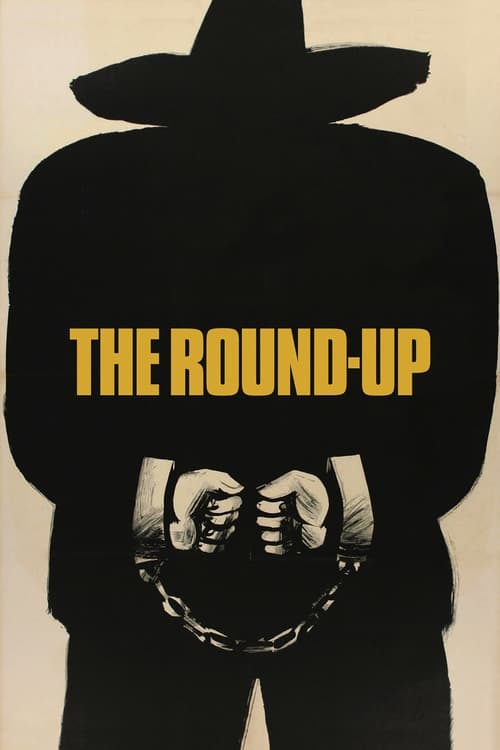
The Round-Up
7.2

After the failure of the Kossuth's revolution of 1848, people suspected of supporting the revolution are sent to prison camps. Years later, partisans led by outlaw Sándor Rózsa still run rampant. Although the authorities do not know the identities of the partisans, they round up suspects and try to root them out by any means necessary.

The Round-Up

1966
Agnus Dei
4.7

Allegory of the suppression of the 1919 revolution and the advent of fascism in Hungary; in the countryside, a unit of the revolutionary army spares the life of father Vargha, a fanatical priest. He comes back and leads massacres. A new force, represented by Feher, apparently avenges the people, but only to impose a different, more refined and effective kind of repression.

Agnus Dei

1971
Hungarian Rhapsody
6.2

The movie portrays a peasant revolt in Hungary in the early twentieth century.

Hungarian Rhapsody

1979
Winter Wind
7.2

Croatian anarchists collaborate with Hungarians to make a bid for the life of King Alexander of Yugoslavia.

Winter Wind

1969
Last Supper at the Arabian Gray Horse
4.2

Waiters’ competition at Heroes’ Square in the late thirties. Dressed as waiters, Kapa and Pepe awake in the bronze chariot of the millennial sculpture group. They drive along the Danube promenade, and on the concrete reinforcement of the demolished Budapest rondella hotel they get involved in a showdown of political background. In the burnt-down Sports Hall the waiters train for a last supper, Pepe and Kapa run around the big laid table with trays in their hands. While doing so, Pepe keeps crying out: "I am the best one, I am the most beautiful one, I am the king, I am the god..." Sitting in a boat on the Danube, a ship goes past them, and the Niagara falls, majestic and breathtaking, resound in their ears. On each passing away something new will come to life – as rapped by Sub Bass Monster.

Last Supper at the Arabian Gray Horse

2001
Season of Monsters
5.5

Zoltai is a Hungarian professor who returns home after a visit to the United States. Following a television interview, he commits suicide and leaves a note for his longtime friend Dr. Bardocz. The doctor and Zoltai's colleague Komindi join the police in investigating what drove the man to suicide.

Season of Monsters

1987
Sticky Matters
7.0

A girl is on the skids because of love. A short tempered and passionate young man falls in love with the girl. His emotions are so powerful that he is prepared to surrender his whole personality. The boy has a good friend, who is not sure whether their bond is friendly or homosexual. Before the girl arrived, the friendship was close, but now she has thrown a spanner in the works. How do they react to the new situation?

Sticky Matters

2001
The Lord's Lantern in Budapest
6.4

In the Kerepesi Street cemetery, three grave diggers contemplate the fate of the world, then they step out of this role and in a sequence of episodes they play the typical figures of contemporary Hungarian reality, the fat cat, the swashbuckler, the victim, underworld chieftains, and present little absurd dramas of love, marriage, friendship, public order and legal safety. The author and the film director walk among them all the time, contemplating, laughing at their plays. The stories starting from the graveyard and returning there warn of the inevitability of death. The author and the director (Gyula Hernádi and Miklós Jancsó) wisely make friends with death.

The Lord's Lantern in Budapest

1999
The Blue Danube Waltz
7.6

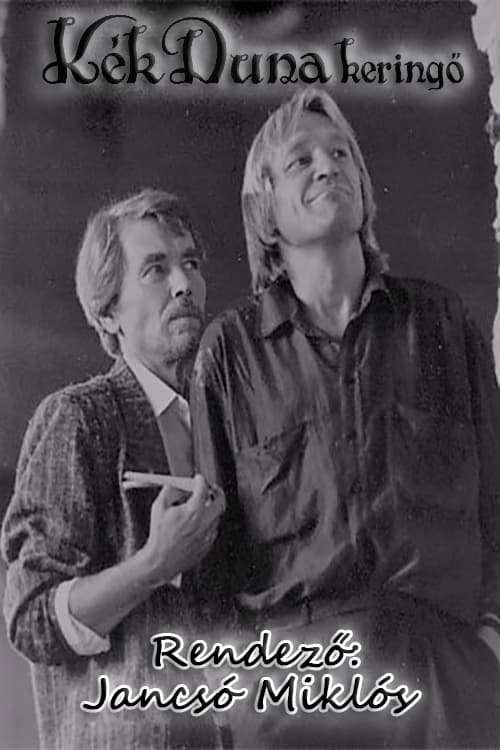
When Hungary's newest prime minister is shot and killed at a reception, the resulting investigation is necessarily swift and comprehensive. This compelling political thriller uncovers two prime suspects: the woman who guns the leader down, and a man who was friends with both the prime minister and his murderer. Using video surveillance footage, as well as other more artful and symbolic imagery, the noted "visualist" director Miklos Jancso, who is known for his craft in getting his points across non-verbally, combines fantasy and reality in a highly ironic manner.

The Blue Danube Waltz

1992
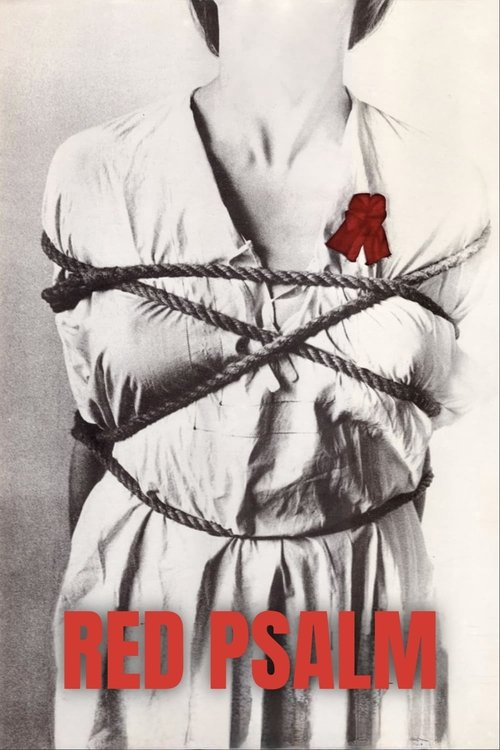
Red Psalm
6.3

Set in the 1890s on the Hungarian plains, a group of farm workers go on strike in which they face harsh reprisals and the reality of revolt, oppression, morality and violence.

Red Psalm

1972
The Presence III
7.5

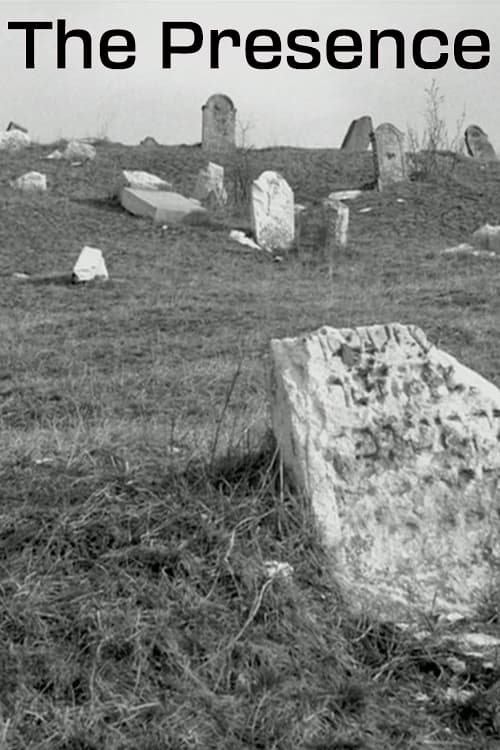
Two rabbis show the ruins of an abandoned synagogue to a group of primary school-age Jewish children, and stand by as the children dip bread in honey, drink wine, pray, and sing.

The Presence III

1986
The Tyrant's Heart, or Boccaccio in Hungary
5.3

A historical drama set in the 1400s, a young man sent to Italy but is forced back after his father's mysterious death.

The Tyrant's Heart, or Boccaccio in Hungary

1981
The Technique and the Rite
5.6

The narrative concerns the barbaric exploits of Attila The Hun and yet none of the characters ever leave the remote seaside stretch of land on which the film is set or do much of anything – with the ensuing moralizing interrupted only by the occasional (and equally obscure) music-infused rites.

The Technique and the Rite

1972
The Battle of Mohács
6.0

By the notes of Fiáth Pompeiusz, the one-time friend of Kapa and Pepe, Professor Szirtes has solved the secret of the time machine, and he realizes the invention relying on "special" H2O. Kapa and Pepe shall return by it into the past in order to set time right, which is out of joint, that is, to correct history, to save King Louis II, and prevent the Mohács Disaster. Pepe yields to the not too tender persuasion to enter upon the great journey through time, dies and revives, and they arrive at the battlefield of Mohács in time. Kapa films the events. The Turks win and cut off the king’s, Pepe’s, head, still the Hungarians dictate the peace treaty. Kapa and Pepe want to return, they fill the time machine up with water from the well, yet it won’t start. Even so Kapa and Pepe hover over Budapest and quarrel.

The Battle of Mohács

2004