
Bruno Graziano
Directing
Known For

O Último Programa do Mundo is a weekly TV show that takes place in a post apocalyptic scenario, where there will be no further TV program.
World's Last Show

In 1982, almost five million people took theaters to see Erotic Things, the first Brazilian porn film. The production is today considered a major episode in the history of Brazilian cinema because it was launched during the country's military dictatorship. Thirty years later, The First Time of Brazilian Cinema found the producers and actors to tell the inside story of this fascinating journey.
The First Time of Brazilian Cinema
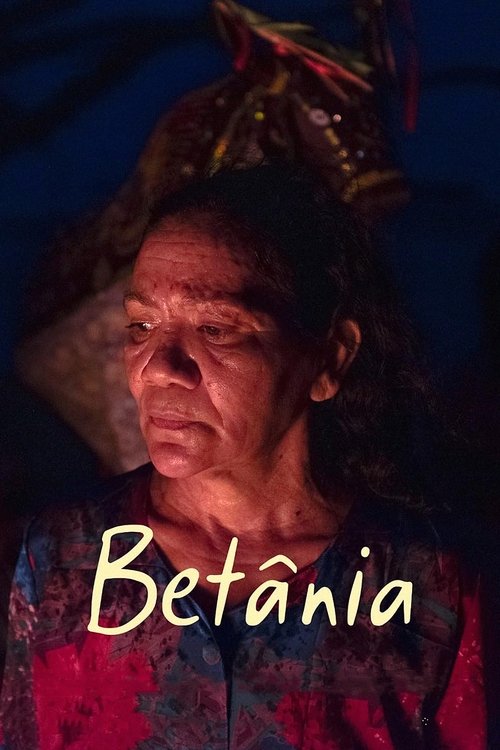
After losing her husband, 65-year-old midwife Betânia is persuaded by her daughters to leave her remote village. She moves near the sand dunes of Lençóis Maranhenses in northern Brazil and ventures a new beginning.
Betânia

No description available.
Onde Estiver Estarei: Uma Paixão Rubro-negra
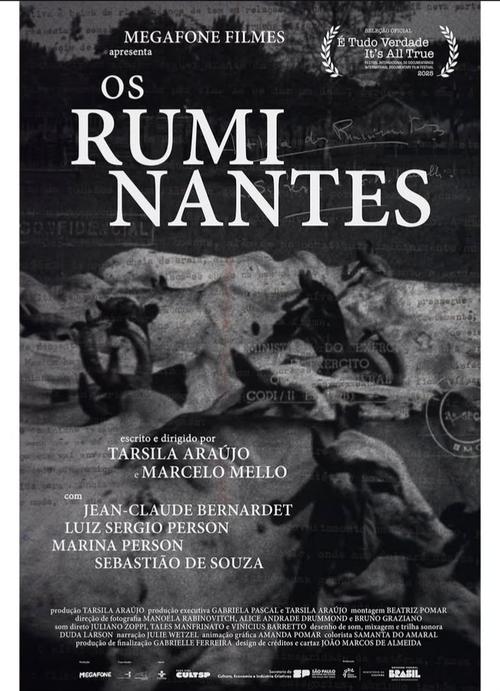
No description available.
Os Ruminantes

Documentary about the foreign tourism in Rocinha, the biggest Latin America's favela, which receives about 3.000 foreign tourists per month. They come to Rocinha looking for the most varied aspects, from the poorness to the violence, from the geography to the architecture, from the viewing to the atmosphere, from the curiosity to the welfarism.
Gringo on the Slum

Three carnival blocks, born in candomblé terreiros in Bahia, are the center of this documentary: Ilê Aiyê, Cortejo Afro and Bankoma. Through work, centenary groups, the film explores black culture, its dances, its fabrics and its ancestry.
Samba de Santo: Resistência Afro-Baiana
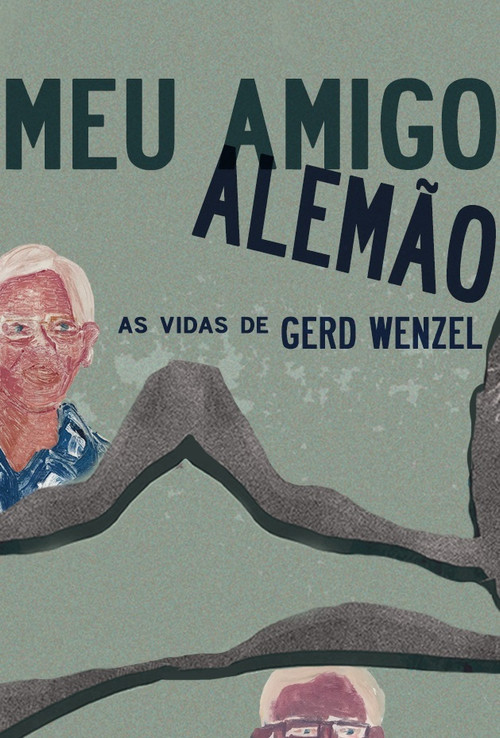
Gerd Wenzel was born in Berlin, and as a boy he arrived in Brazil as a refugee from East Germany. Here, he was a pastor, found himself a football commentator and, today, recovered social and political activism. At 75, after fleeing the Second World War, overcoming Nazism, being persecuted by the military dictatorship and never getting tired of the fight for freedom ... Gerd, a good friend, has a story to tell.
Meu Amigo Alemão

Colonel Ustra (1932-2015) is the only military man convicted as a torturer during the dictatorship. Today he is exalted as a hero. But what is the truth? Through internet searches, Brazil's past is being reconstructed and collides with the present.
Memória Sufocada
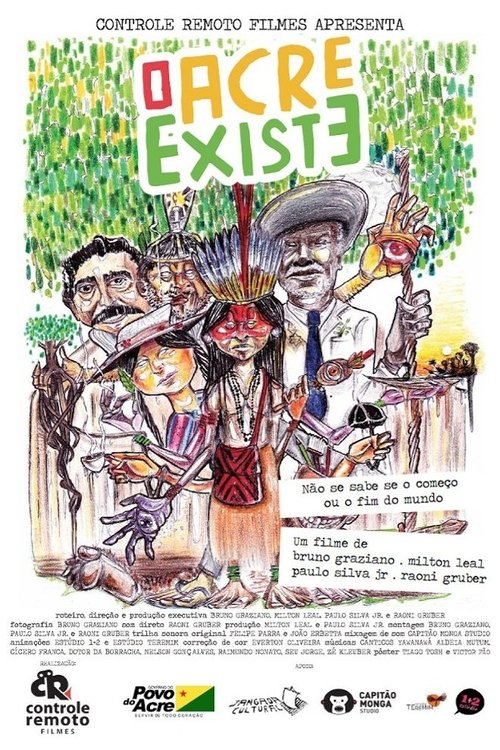
No description available.
O Acre Existe
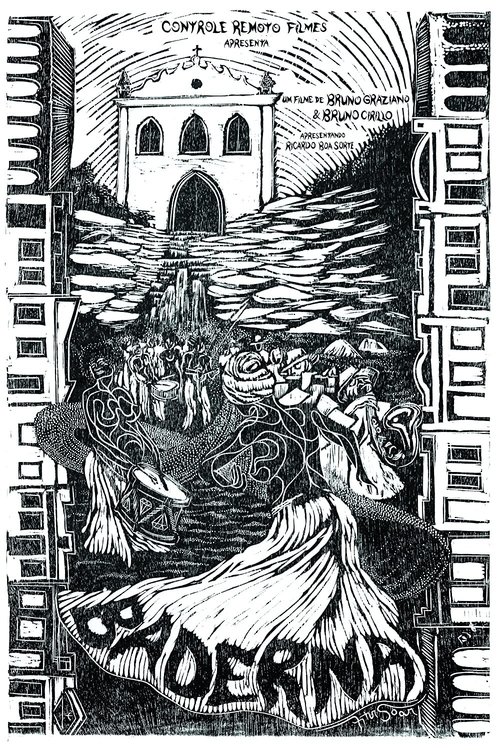
Baderna is a city in a countryside region of Brazil. Founded in 1871, it was built by black enslaved people and today it remains emancipated from the Brazilian state. With its mundane conflicts and its historical resistance, the city also maintains an intense relationship with nature. The movie narrates the day when Baderna receives 'Obaluaê', the 'Orixá' lord of the Earth, in a search for the cure of the 21st century.
Baderna
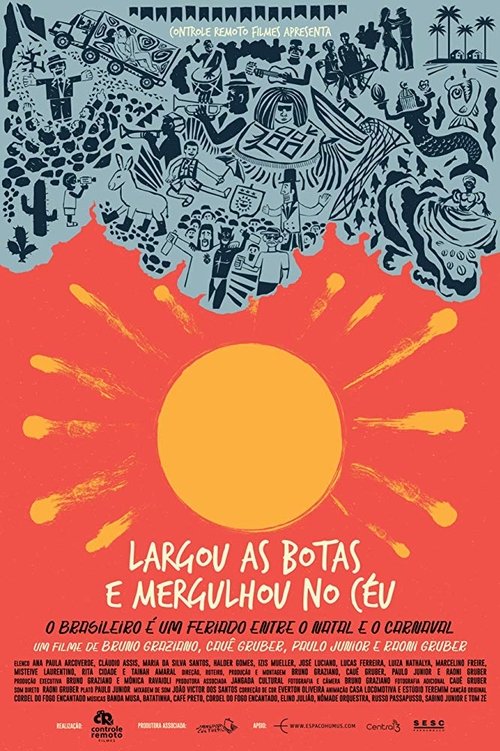
Nine stories take place between Christmas and Carnival, the sabbatical of Brazil. It's the northeast of the country. Dilemmas as displacement, roots, destiny, cycles, the sacred and the profane are sewn by real and fictional characters. Exploring the boundaries between documentary and fiction, Dropped the boots and dived into Heaven is a film about the Brazilian.
Largou As Botas E Mergulhou No Céu
No description available.
Paulo Mendes Da Rocha, Nosso Querido Arquiteto

Marcha Cega portrays violent police repression at demonstrations in São Paulo that turned the city's streets into real battlefields, leaving blind journalists, students wounded and dozens of political prisoners. This violent march follows without seeing the deep roots hidden by the dense fog of the tear gas.
Marcha Cega

Through Marcelo Perdido's search in the process of researching his album called Brasa, musicians, singers and composers reflect and sing the chapel in silent black and white. When the music stops, what we hear is the cry of the world.