Acting
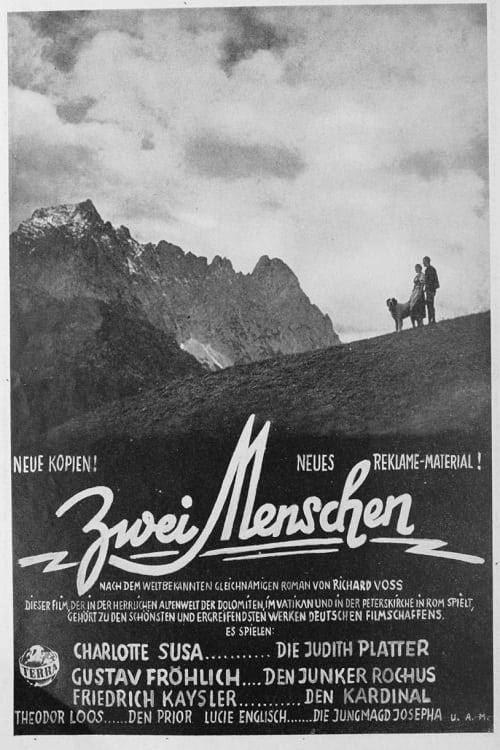
Gustav Froehlich and Charlotte Susa play Rochus and Judith, the zwei menschen (two humans) of the title. Rochus' domineering mother insists that he enter the priesthood, but he is reluctant to break up his blissful romance with the fair Judith. A religious fanatic of the first order, the mother swears before God and her Church that Rochus will indeed take his vows. When this does not come about, she dies of grief, whereupon the guilt-stricken Rochus abandons Judith to become a priest. The girl subsequently commits suicide -- and it is Rochus who must officiate over her body during the funeral. This final scene was excised from the print of Zwei Menschen released in New York, leaving audiences hanging in regard to Judith's ultimate fate.
No description available.
A German soldier lies wounded on the front line in the First World War. To avoid capture or death, he assumes the identity of a fallen French officer. As the German soldier happens to speak fluent French, nobody realizes the deception. The soldier begins a new life in Paris, yet remains in constant fear of being exposed as the ‘enemy’.
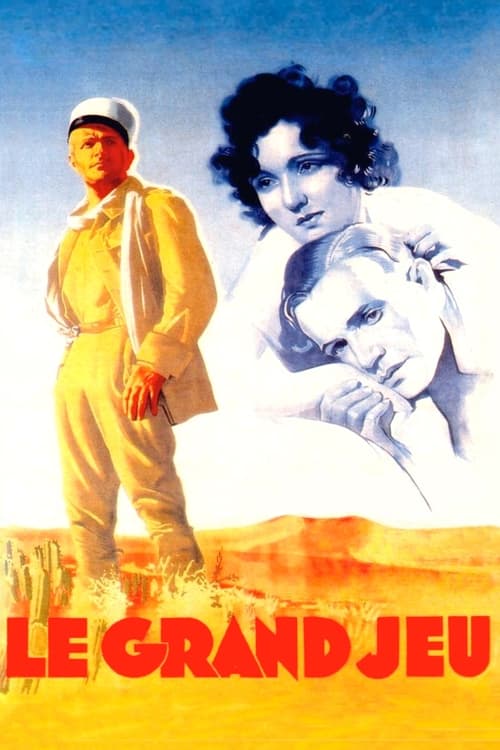
Pierre , a young lawyer, has enormous debts due to his mistress Florence and her whims of luxury life. Pierre has gone too far and put the family firm in jeopardy. They ask him to expatriate. To avoid scandal, Pierre joins the Foreign Legion. In Morocco, near the desert, Pierre goes with his comrades of the Legion to a bar-restaurant-brothel, owned by a shady character, Mr. Clement . Clement lives more or less with Ms.Blanche who is a fortune teller with cards, as a hobby. But Clement is also after his girls now and then. Pierre is still obsessed with Florence but he meets Irma , one of Clement's girls, who is the double of Florence except for hair color. Irma has had an accident and has lost part of her memory at a certain point of her recent past, and Pierre slowly persuades himself she is Florence, but cannot remember it. Advised by Ms.Blanche, Irma finally accepts to act as if she was Florence because she is falling in love with Pierre.
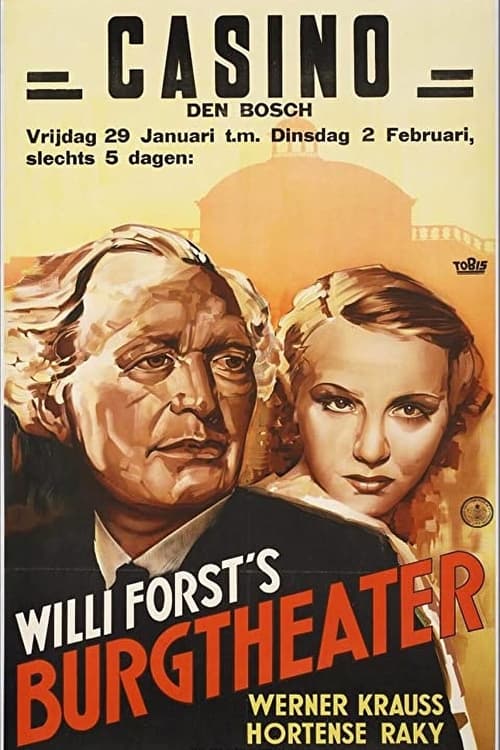
In this convoluted melodrama, an elderly thespian falls for a rising young starlet. He admits his love for her and then announces that he will retire. The young woman pretends she loves him too, but her real motive is to give her struggling lover, also an aspiring actor, a break.
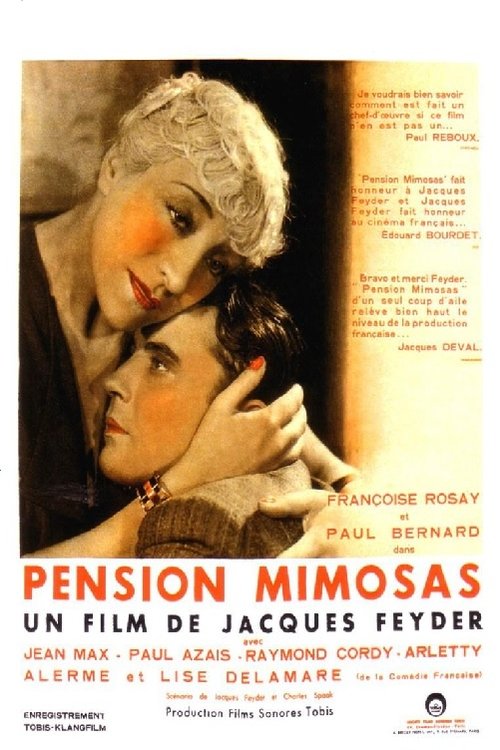
Mr. and Mrs. Noblet run a boarding house on the French Riviera. One day, they are led by circumstances to welcome a little boy Pierre, whose father is in jail, into their home. Which makes Louise Noblet all the happier as she can't have children herself. But, after a while, Pierre's father is released from prison and reclaims his son... Time passes and Pierre, now a young adult, lives in Paris more or less on the wrong side of the law. He has a mistress, Nelly, who does not say no to other men's money... Louise, who still loves Pierre as her own son, wants only one thing - to help him get by.
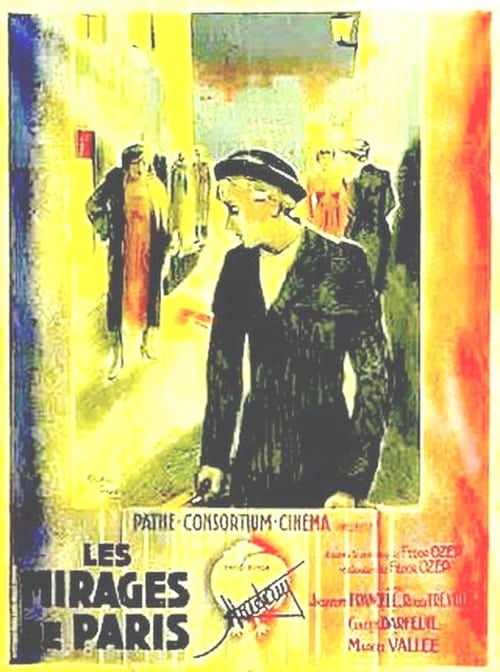
In this fast-moving fantasy, an unsophisticated student escapes from a boarding school to become, after many trials and tribulations, the "toast of Paris."
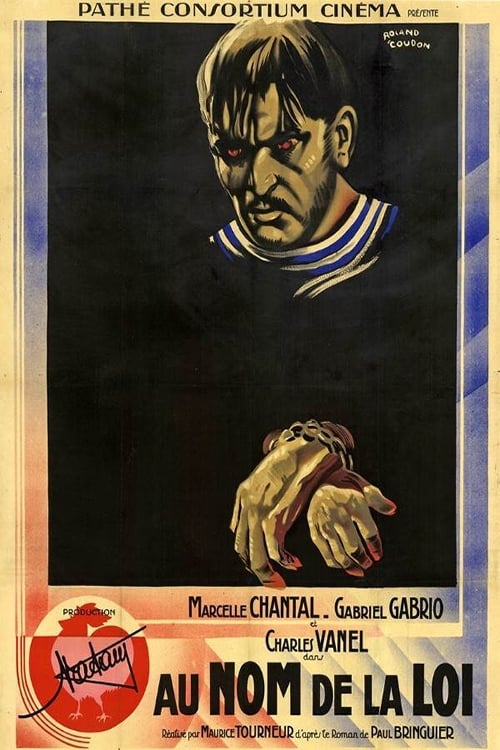
The story is about a drug ring and the finally successful efforts of the Paris police to break it up. A young detective goes into a den in Paris' Chinatown, following a clue, and that is the last seen of him until his body is found floating in the Seine several days later. The only clue is a woman's glove. The dead man's friends on the force vow to avenge him, and receive information leading them to suspect one Sandra, a beautiful foreigner, played by the stunning Marcelle Chantal.
The daily lives and struggles of a group of workers in a small German town. They face poverty, unemployment, and various hardships, but also find moments of hope and solidarity. The film portrays their efforts to survive and support each other in difficult economic conditions.
A working-class couple living on a river barge sees their fragile stability shattered when a seductive outsider enters their closed world. Jealousy, desire, and social pressure slowly build, leading to betrayal and an inescapable tragic outcome as the city comes into view.
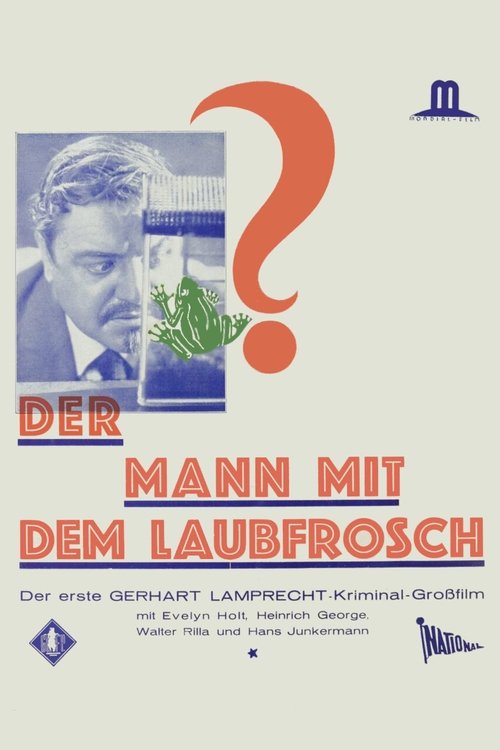
An unknown guest checks into an obscure hotel. He is a burly but well-dressed gentleman carrying an umbrella and a tree frog in a glass. This man spends most of his time wandering the hallways and staircases of the inn, ostensibly to hunt for flies to feed his pet. But quite obviously, there is more to it than that: the man also listens at doors and peeks through their keyholes.
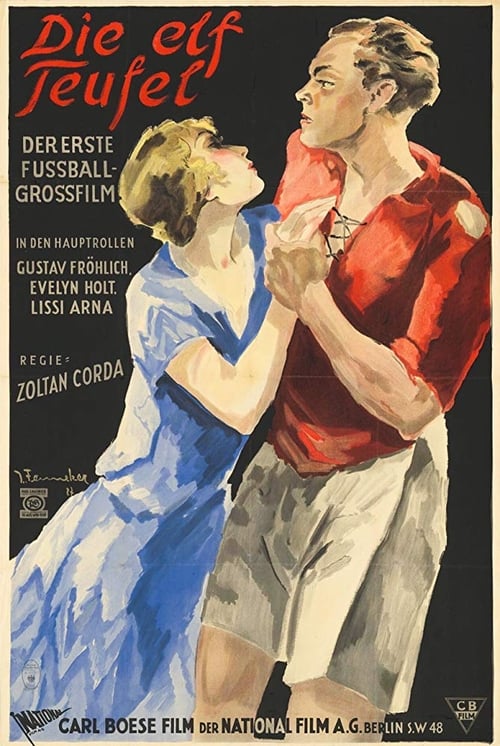
Die elf Teufel / The Eleven Devils was made in Berlin in the summer of 1927, in the last throes of the silent movie era. But Die elf Teufel strikes one today as a prophetic film. One of its early captions is "Football, the sport of the century ". We are shown a ball bathed in light like some sacred relic, and observe how, even in those early days, fans on the terraces wouldn't shy away from using their fists.
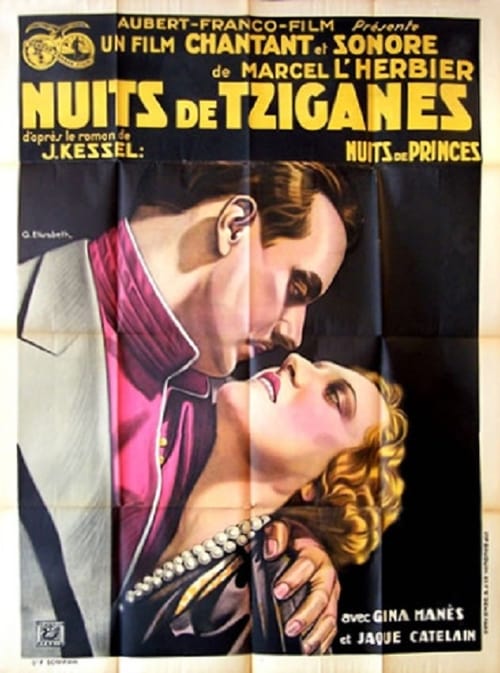
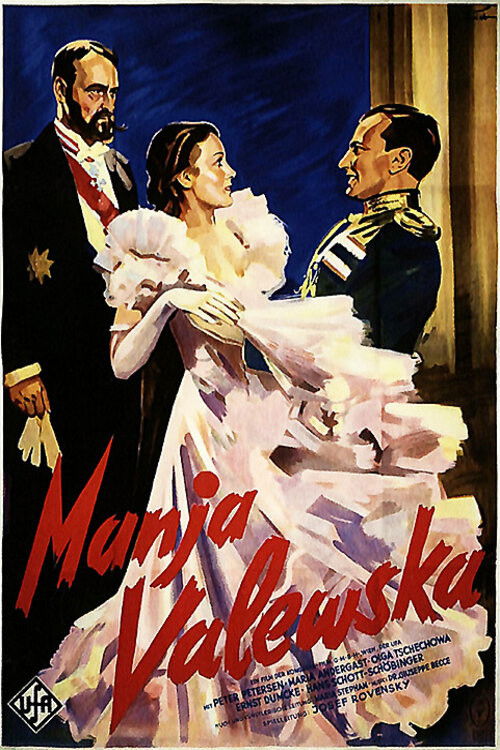
A romantic melodrama set in 19th-century Russia: magnificent uniforms, dashing officers, glittering balls. A young woman, unhappily married to an aging count, who is passionately in love with another man, must stand trial on charges of murder after her husband commits suicide.