Néstor Jiménez Rodríguez
Acting
Known For

Sun is setting on Havana. Five friends are gathered to celebrate the return of Amadeo after 16 years of exile in Madrid.
Return to Ithaca

The story of Iluminada, a woman who, having studied to be a literature teacher, ends up working as an usher in an iconic cinema in Havana.
Neurótica Anónima
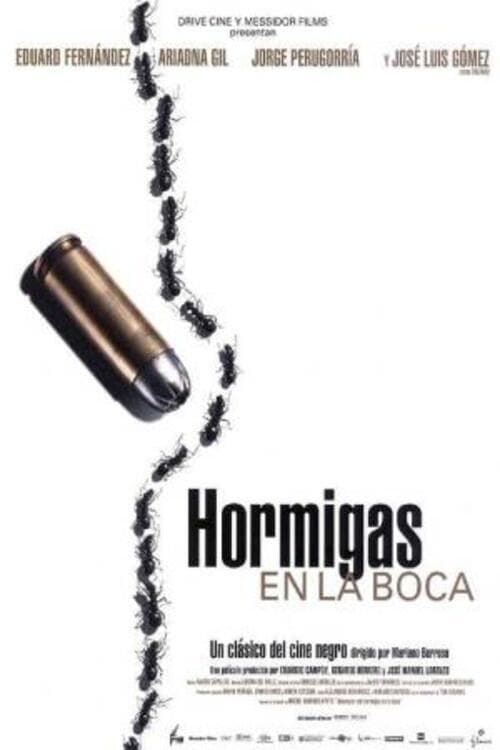
After languishing in a Barcelona prison for nearly a decade, a busted bank robber attempts to find the girl who made off with the cash in this suspenseful tale of revenge and betrayal starring Adriana Gil and Eduard Fernández. Ex-con Martin Losada is out of prison and on the hunt. When he and his band of anti-Franco bank robbers were busted after a botched heist ten years ago, the only member of their team never caught by police was his long-gone ex-girlfriend Julia. Now, on the eve of the 1958 revolution, the recently released ex-con sets his sights on Havana in a determined bid to find Julia, and stake his claim on his rightful share of the take.
Ants in the Mouth

Amor Crónico follows Grammy-nominated, Cuban-born CuCu Diamantes as she embarks on a whirlwind tour of her home country. Interweaving glamorous live performances with a fictional romance, the film pays tribute to the history of cinema in surreal fashion. Backed by a high energy Latin soundtrack, Cucu's journey is a visual love poem to the sites, sounds, and people of Cuba.
Chronic Love

Miguel, a young singer, loses his job when the quartet he was part of breaks up. He forms a new quartet with a fresh approach to Cuban music. They quickly rise to the top of the charts, but conflicts between the members lead to their early demise.
Zafiros, Locura Azul
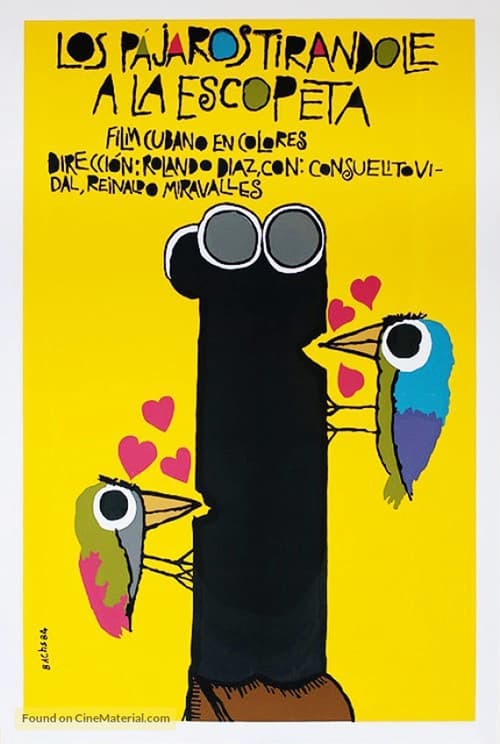
A young couple find out that their parents (her father and his mother) are having a romance. A series of problems arise because the young couple can't accept that relationship.
Tables Turned
Nicanor O’Donnell travels in a time machine to the year 1960, in search of the epic spirit of a country in revolution. He enters a bar and tells his story to a stranger. But neither of them has any idea how much this encounter will change their lives.
Epic

Rodríguez is picked up by Nicanor, a very special “botero”. Ana and Estrada also get into the car, and unexpected relationships develop among the four characters.
Pas de Quatre

Nicanor, his wife, and his in-laws watch Cuban television. In a single twenty-minute shot, the differences surface between Nicanor, who supports the Revolution, and his father-in-law Damián Rodríguez, a former Batista supporter. The two women try in vain to mediate, and the conflict seems irreconcilable. However, they have no choice but to make up with each other every night.
Homo Sapiens

Rodrigo, a famous European artist, comes to Cuba to create a collage using photos of one hundred Cuban artists. Wanting the photos to reflect the anguish inherent in the creative process, he can think of nothing better than hiring the worker Nicanor O’Donnell to punch the one hundred artists in the face for a fee of five euros per head. Knowing that the collage will be exhibited all over the world, the artists line up to be beaten. Nicanor, who at first believes he has stumbled upon the deal of his life, is dismayed to discover that he must hit elderly people, women, artists he admires…
Exit
At the elementary school where Evita, Nicanor’s daughter, studies, the parents are instructed that the children must bring photos of various independence heroes for an important activity the next day. That night, when he discovers that they do not have any photos of heroes at home, Nicanor will have to go out and look for them, no matter what it takes.
Photoshop
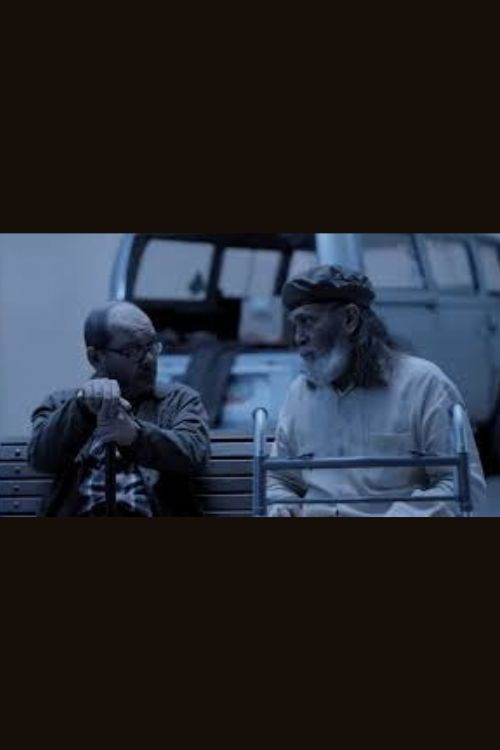
Cuba has changed in the near future, but Nicanor and his friends still meet in a park to talk about politics…
Dos veteranos

A young altar boy decides to abandon his habits and goes out into the world, where he encounters love, envy, and friendship.
El Diablo anda Suelto
Nicanor has been arrested for doing graffiti at three in the morning. Against all logic, the graffiti is in favor of the government. The police captain who interrogates him—a cultured policeman, for a change—tries to understand why he does it.
Pravda

At an unspecified event, everyone votes in favor. Unexpectedly, there is one vote against: Nicanor O’Donnell’s. When Nicanor goes to the bathroom during the intermission, some curious delegates follow him, eager to find out why he dared to vote against. The suspicion that someone is locked in a stall, listening to everything, turns their sympathy into mistrust toward Nicanor. But the one locked in the stall is also a poor wretch.
Intermezzo

Havana, 1974. Almost every day, Ana puts a cuban flag on the balcony. The flag is faded and full of stains. Ana suggests to her husband Nicanor to get another one. From there the couple will be doomed to unexpected complications...
Aché

Daniel, loner and hermit, is forced to give overnight shelter to Anna, his neighbor's niece. The need for affection and human warmth of these two injured people will emerge, turning into a romance. Things get complicated when Anna's husband appears.
La guarida del topo
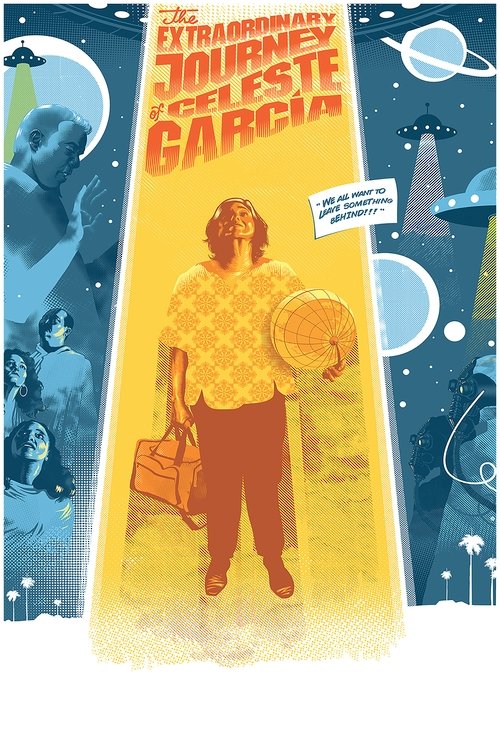
Celeste García, a 60-year-old former schoolteacher and current guide at the Havana Planetarium, is looking for a life change. When a group of aliens land in Cuba offering earthlings a chance to visit their planet, Celeste signs up for the journey hoping for a better and more fulfilling life.
The Extraordinary Journey of Celeste García
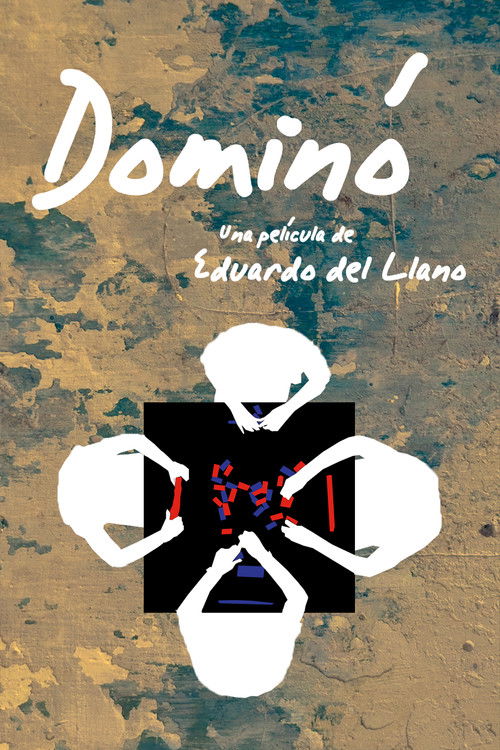
In a tenement in a poor Havana neighborhood, four men are playing a game of dominoes: Rodríguez and Nicanor versus Sangremono and Pepe “the Victim.” Once the game has begun, Rodríguez suddenly mentions that he has heard some astonishing news that concerns the future of the country and every one of its inhabitants…
Domino
Nicanor has just finished the ritual of preparing himself a gourmet coffee when two strangers knock at his door. They identify themselves as members of State Security, who have come to install microphones in his house to listen to the antigovernment remarks Nicanor makes. Since they only have two microphones, they ask for his help in choosing the best room to install them and tell him that from now on he can only make his comments in that room.