FEEL IT.STREAM
François-Régis Bastide

François-Régis Bastide

Writing

Biography

François-Régis Bastide (1 July 1926; Biarritz – 16 April 1996; Paris) was a French writer, diplomat, politician, and radio host. Bastide was born in Biarritz in the French Basque Country on 1 July 1926 and attended school in Bayonne. In October 1944 he joined the 2nd Armored Division led by General Leclerc and participated in the last phase of the WWII Western Front operations. Bastide published his first book, the novel Lettre de Bavière, in 1947. He continued to publish books regularly and won the Grand Prix de la Critique for his 1953 biographical essay Saint-Simon par lui même about Louis de Rouvroy, duc de Saint-Simon and the Prix Femina for his 1956 novel Les Adieux. In 1953 Bastide began a parallel career as a book editor working for the Éditions du Seuil where he worked for close to thirty years. Bastide also wrote for the theatre (Siegfried 78) and for television (most notably Le Troisième concerto which won the grand prix de la Télévision in 1963 and L'Éducation sentimentale, a mini-series adaptation of Gustave Flaubert's novel Sentimental Education). In 1981 Bastide received the Pierre de Régnier Prize of the Académie française for his lifetime achievements. Bastide began his radio career after World War II as a host on "Radio Sarrebruck" then under French military control. Starting in 1949, he worked for the ORTF as a producer and host. He is perhaps best known to the wider French public as one of the original co-hosts (with Michel Polac) of the popular radio talk-show Le Masque et la Plume. The show which features debates about cinema, literature and theatre debuted in 1955 and is still running today on France Inter. Bastide left the show in 1982. Throughout his life, Bastide was active in politics in various ways. From 1968 to 1976, he was the president of the radio producers and presenters section of the powerful CFDT trade union. He was close to the Socialist Party which he represented as a city councilor in Biarritz in 1977 and as a national delegate in 1978. He also co-authored the 1978 "Bastide report" which led four years later to the creation of the Haute Autorité de la communication audiovisuelle. After the election of François Mitterrand in the 1981 presidential election he began a diplomatic career and was successively appointed Ambassador to Denmark (1982–85), Ambassador to Austria (1985–88) and Permanent delegate to UNESCO (1988–90). Source: Article "François-Régis Bastide" from Wikipedia in English, licensed under CC-BY-SA 3.0.
Known For

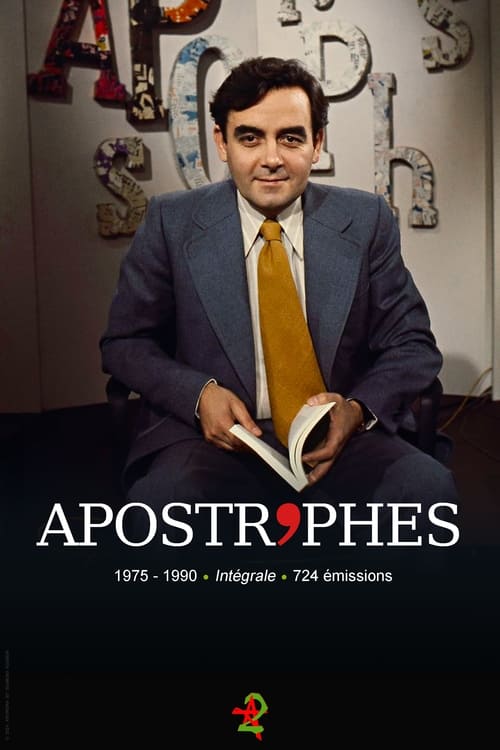
Apostrophes
8.5

Apostrophes was a live, weekly, literary, prime-time, talk show on French television created and hosted by Bernard Pivot. It ran for fifteen years (724 episodes) from January 10, 1975, to June 22, 1990, and was one of the most watched shows on French television (around 6 million regular viewers). It was broadcast on Friday nights on the channel France 2 (which was called "Antenne 2" from 1975 to 1992). The hourlong show was devoted to books, authors and literature. The format varied between one-on-one interviews with a single author and open discussions between four or five authors.

Apostrophes

1975
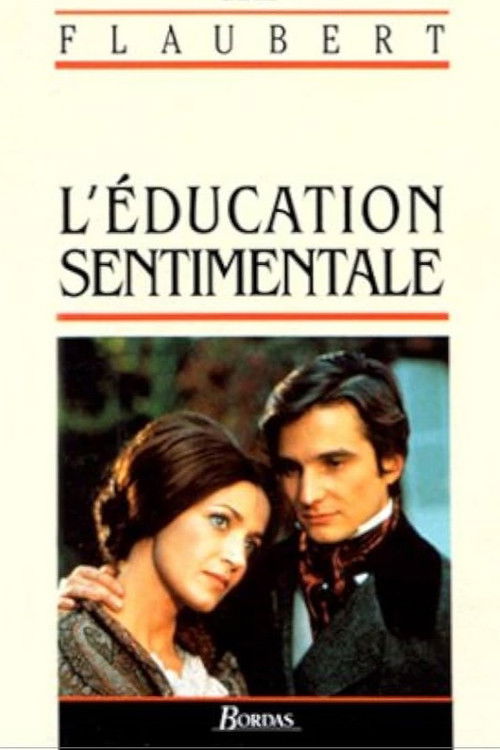
L'Éducation sentimentale
6.8

Miniseries adaptation of Gustave Flaubert's novel. Frédéric Moreau, an eighteen-year-old provincial youth, full of dreams and rather attractive, comes to Paris to study. From 1840 to the evening of the coup d'état in 1851, he learns about the world in a society in turmoil. Along the way, he encounters true love and the contingencies of pleasure, the Revolution and its false apostles, art, the power of money and stupidity, the reversibility of beliefs, brotherly friendship, and the inevitability of betrayal, without ever managing to commit himself to any cause other than that of following the loss of his illusions.

L'Éducation sentimentale

1973
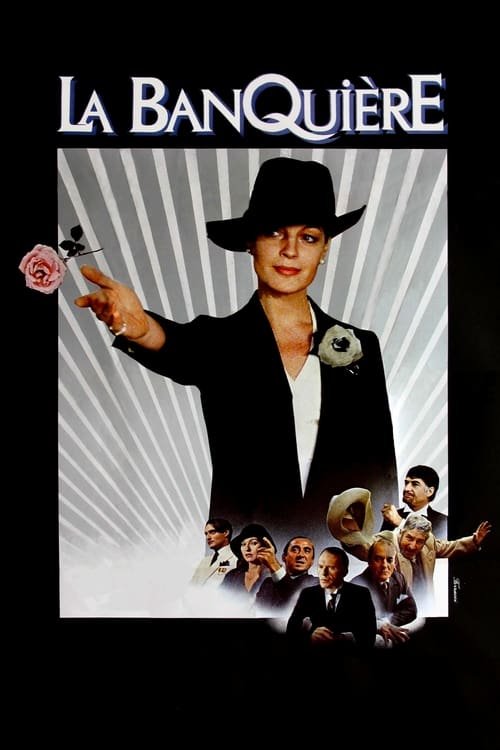
The Lady Banker
5.3

Ambitious Emma Eckhert successfully makes her way into a world previously reserved for men: that of high finance. She quickly becomes popular with small savers, but leads a scandalous life that will cost her.

The Lady Banker

1980
The Elegant Criminal
6.1

On 9 January 1836, Pierre Lacenaire goes to the guillotine, a murderer and a thief. He gives Allard, a police inspector, his life story, written while awaiting execution. He also asks Allard to care for Hermine, a lass to whom he has been guardian for more than ten years. In flashbacks, from the prison as Lacenaire writes, from Allard's study as he and Hermine read, and from other readers' memory after the book is published, we see Lacenaire's childhood as he stands up to bullies, including priests, his youthful thieving, his first murder, his brief army career, his seduction of a princess, and his affair with Avril, a young man who dies beside him.

The Elegant Criminal

1990
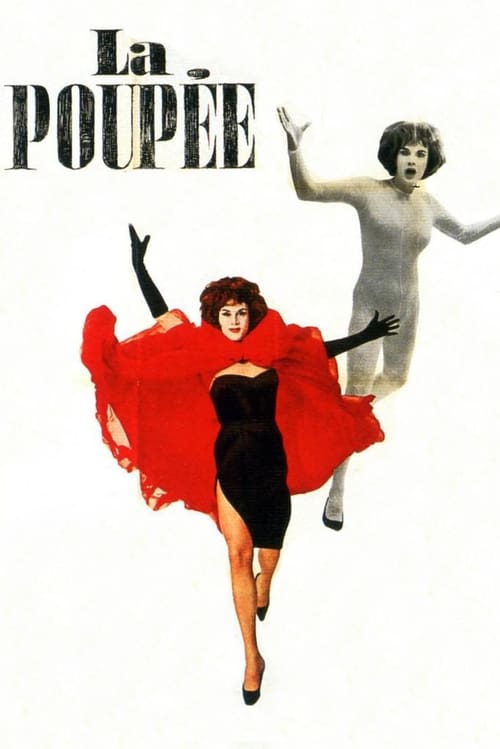
The Doll
5.7

An avant-garde political satire that takes place in a mythical country in South America. The dictator has been replaced by a look-alike revolutionary, and the dictator's wife has been replaced by a robot.

The Doll

1962
No image
9.0

Delphine Seyrig is Catherine Miller, an internationally renowned pianist. Married and mother of a little boy, she leads a hectic life. Following a recital, she accepts a dinner with the music critic Gilles Bollème. This seemingly innocuous encounter gradually confronts Catherine with her own demons.

Le Troisième Concerto

1963
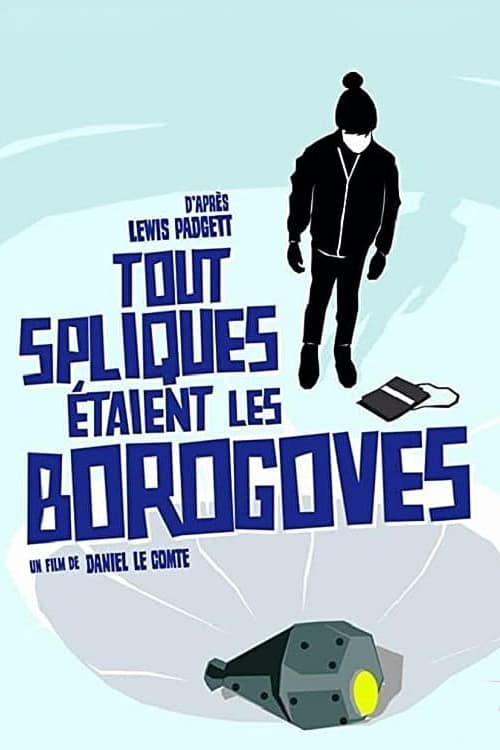
Mimsy Were the Borogoves
6.8

Philippe and Sylvie bring home a small container they found on the way from school and strange things start happen...

Mimsy Were the Borogoves

1970