Sholom Secunda
Sound
Known For

“The Bell Telephone Hour” was a musical variety show that aired on “NBC” TV from 12 January 1959 to 14 June 1968 that showcased the best in Broadway, Classical, Concert, Jazz and Popular music each week. The series had its’ own house band appropriately named the “Bell Telephone Orchestra”. The show also had its’ own theme song being the “Bell Waltz” composed by “Donald Voorhees” who was also the show's Orchestra conductor. Some of the greatest violinists of the 1960’s performed on this show that aired in the old “Black & White” format. Some of these great violinists included “Erica Mornin”, “Isaac Stern", "Michael Rabin", "Ruggiero Ricci", "Yehudi Menuhin" and "Zino Francesacatti". From time to time some of the great singers and bandleaders of the 1960’s would perform on the show as well. Some of these were “Bing Crosby”, “Gordon MacRae”, “John Gary”, “Leslie Uggams”, “Mary Martin”, “Nelson Eddy”, “Patti Page” and “Roy Rogers”. The TV show followed on the heels of its’ predecessor with the same name on “NBC” radio that aired from 29 April 1940 to 1958 on Monday nights at 8 PM. The name of the show was derived from its’ Major sponsor “Bell Telephone Laboratories”. The TV version began airing on Friday nights at 8:30 PM once a month. It later was given it’s same time slot now airing every other week alternating with another show on the other weeks such as News shows and specials. The show time slot changed quite often over the years. In September 1960 it aired at 9 PM and in September 1961 it moved to 9:30 PM. In October 1963 it moved to Tuesday nights at 10 PM, September 1965 it moved to Sunday night at 6:30 PM and in September 1967 it made its' final move back to Friday night at 10 PM.
The Bell Telephone Hour
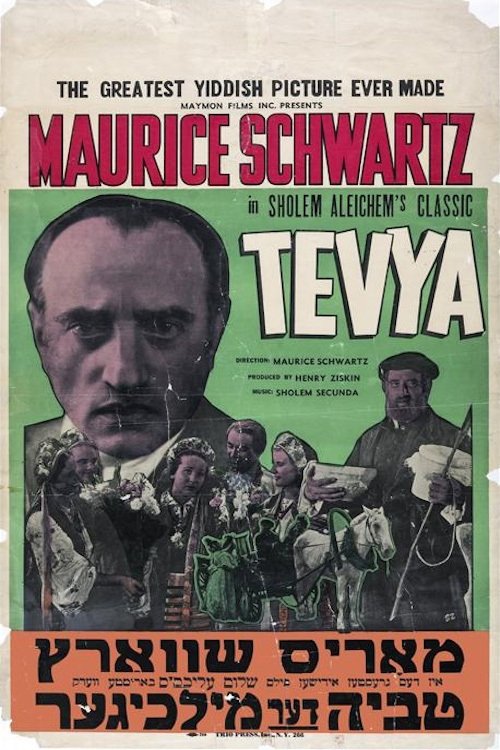
Tevye is a dairyman in the Russian Ukraine early in the 20th century. He lives in a cabin outside Boyberik with his wife Goldie, his widowed daughter Tseytl, her two children, and his younger daughter, the unmarried Khave. Khave is being courted by Fedya, a Christian, the son of a local government official. Tevye warns Khave against romance and marriage outside her faith, but Fedya is persuasive too. What will Khave decide, how will Tevye react, and when the Tsar initiates a pogrom, will Tevye's friends come to his defense? Can the stubborn Tevye reconcile his heart and tradition?
Tevye
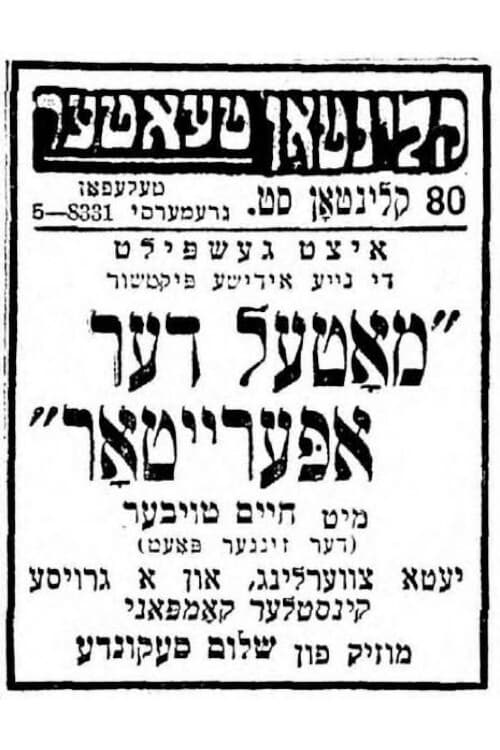
Motel, a poor laborer, loving husband and new father, leads cloakmakers in a strike for better working conditions. When he is severely injured by strikebreakers, his wife, Esther, and infant son are left destitute. Desperate to save her starving child, Esther gives him up for adoption to a wealthy couple, and then commits suicide. The richly-rendered beautiful Yiddish songs by Sholem Secunda featuring Cantor Leibele Waldman and Joel Feig's famous choir are a good example of the bittersweet melodrama in the finest tradition of the Yiddish theater.
Motel the Operator
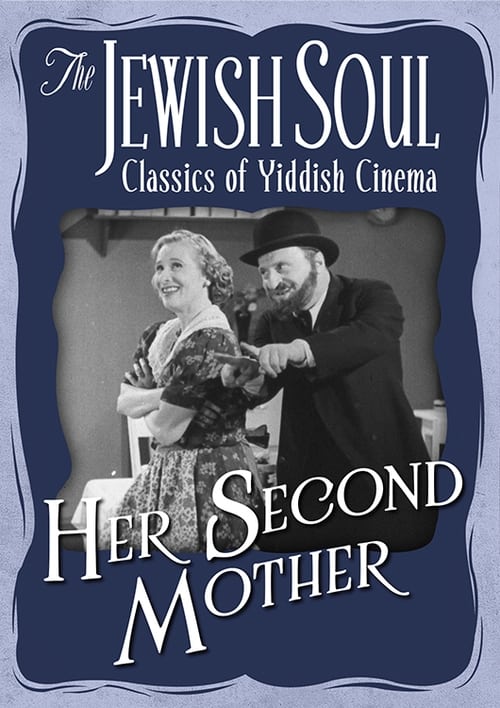
A young woman tries to repay her adoptive parents' kindness by shielding their biological child, who has gotten involved with an embezzler, from the police.
Her Second Mother
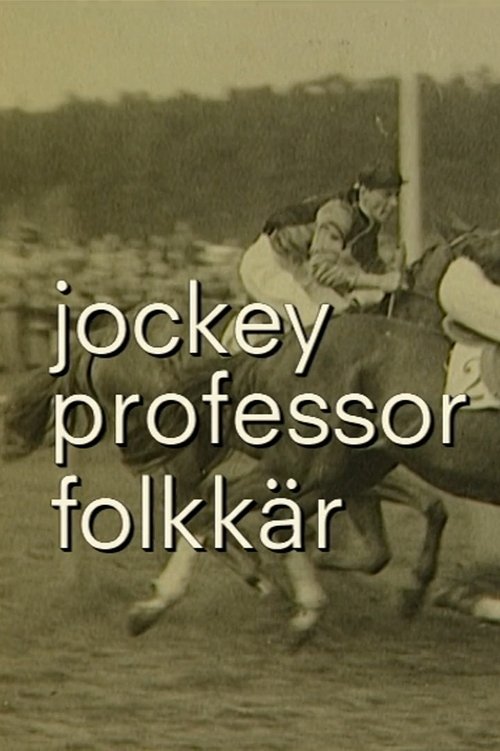
Documentary about the Swedish artist and painter Philip von Schantz.
Jockey, professor och folkkär målare

Mendel and Hannah Shapiro, an elderly Jewish couple who run a small farm in New Jersey, must get money to meet their mortgage payment to the bank by the next day to keep their farm. Mendel calls their children, Mollie, in Philadelphia, and Morris, in New York, to come right away. His neighbor Michel believes that most children do not properly care for their parents and insinuates that Mendel's children would not come to visit if they knew that their parents needed money. Mendel, however, assures Michel that children are the best investment one can make.
Eli Eli

This dramatic tale of immigrant hardship highlights some of the traumatic problems of the immigrant experience, including alcoholism, separation and poverty. The child star, Jerry Rosenberg (Ross) gives a memorable performance as the son Benny and the film introduces two European stars Fannina Rubina and Gustav Berger. The plot centers on the story of a stage couple that develops marital problems due to the demands of the theatre. The husband, whose career is failing, insists that the wife stay home to tend their young son. The subplot focuses on the plight of a woman who chooses her career over family obligations.
My son
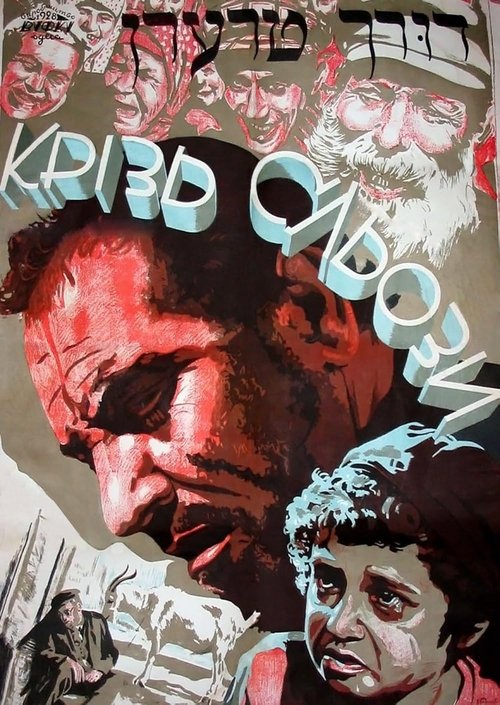
The poor tailor Perchyk who dreams to buy a she-goat lives in a small town. Meanwhile, Perchyk’s daughter Frida falls in love with the unemployed Elia. Perchyk is totally against their marriage, as he cannot buy a she-goat if the son-in-law does not have any money. Finally, Perchyk buys a she-goat from a rich tavern owner but he gives him… a goat. Moreover, a police officer dissatisfied with the tailored uniform forges a document, according to which Perchyk and his whole family are expelled from the town as troublemakers.
Through Tears
The classic conflict between the traditional Jewish way of life, and the modern life of the 20th century comes alive in this story of a young cantor who brings home a future bride, when he has already been betrothed by his parents to someone else!