Writing
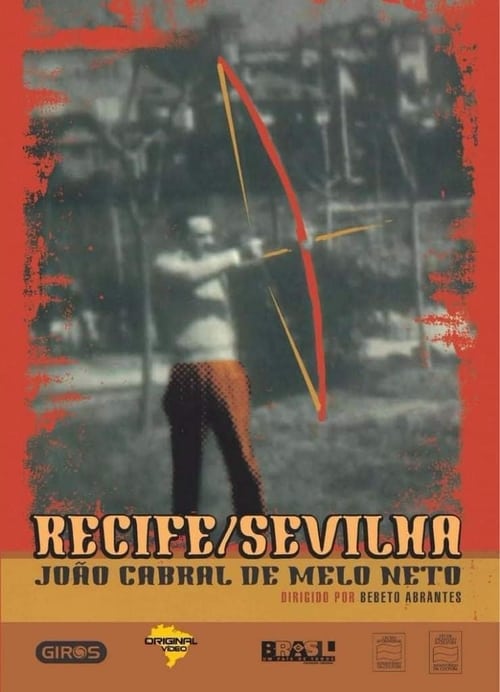
Two unique cities that have been courted configure a universe where many references from João Cabral's vast production can be found. Recife/Seville enters these cities, having as a guide the poems, testimonies and cases narrated by the poet's voice and printed lyrics, and, thus, show the man João Cabral de Melo Neto.
No description available.
Film inspired by a poem from João Cabral de Melo Neto and his life in Capibaribe.
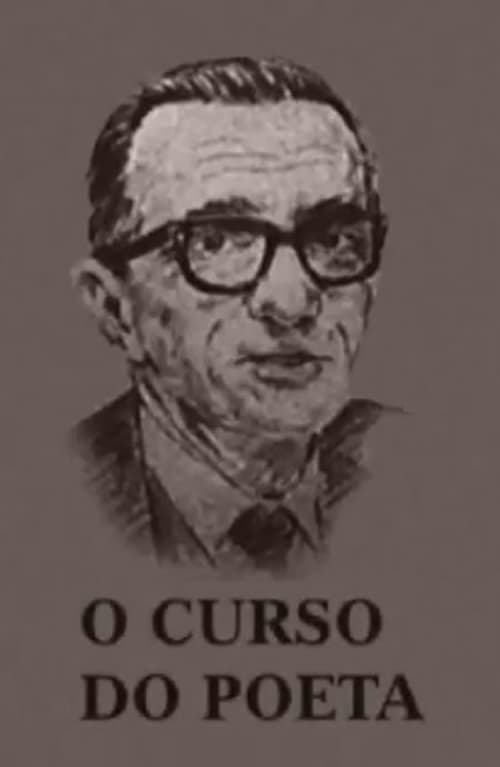
Inez Cabral portrays her father, João Cabral de Melo Neto, in the year of the centenary of the birth of the "poet of precision", renovator of Brazilian poetic language.
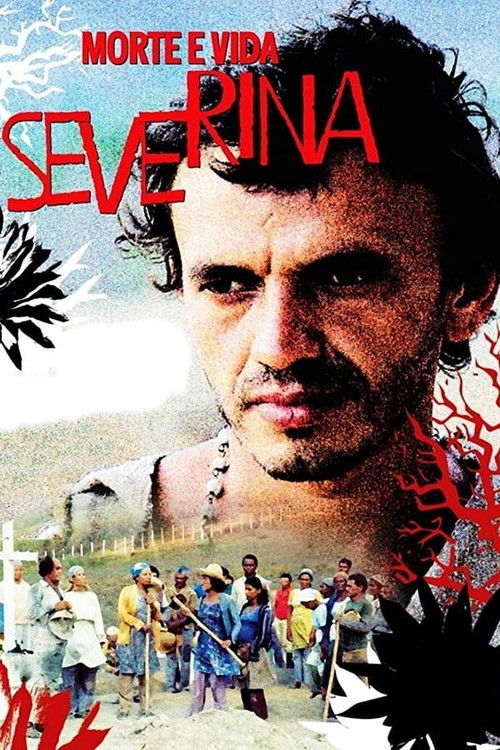
The saga of Severino, a poor guy living in the back country of Northeast Brazil, leaving for the big city of Recife, in search of a better life.
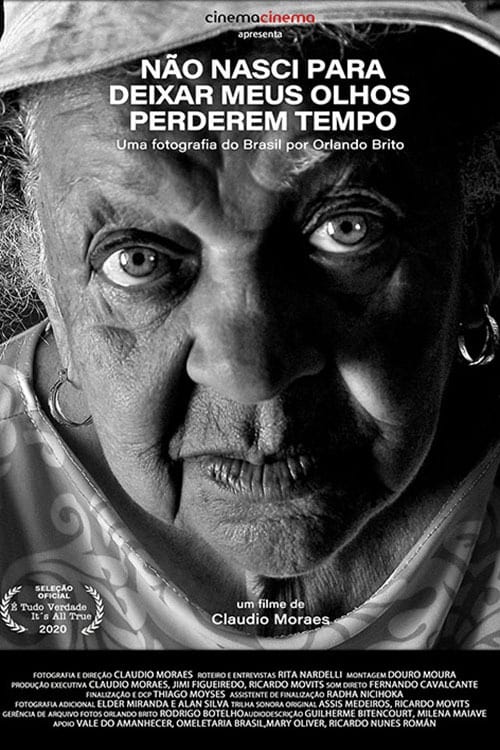
The fading of composer Zé Keti’s career. The sad portrait of Brazilian Congress closed in 1977. The pain of a mother who lost her 15-year old daughter run over by a car. The Brazilian Presidents since Castelo Branco. Characters and settings registered through the keen and sensitive perspective of photographer Orlando Brito, in a career spanning 50 years as a professional. From the political sidelines to the lives of Brazilians from the interior, Brito recalls experiences and discusses the role of the photographer and the pain of registering someone’s grief.
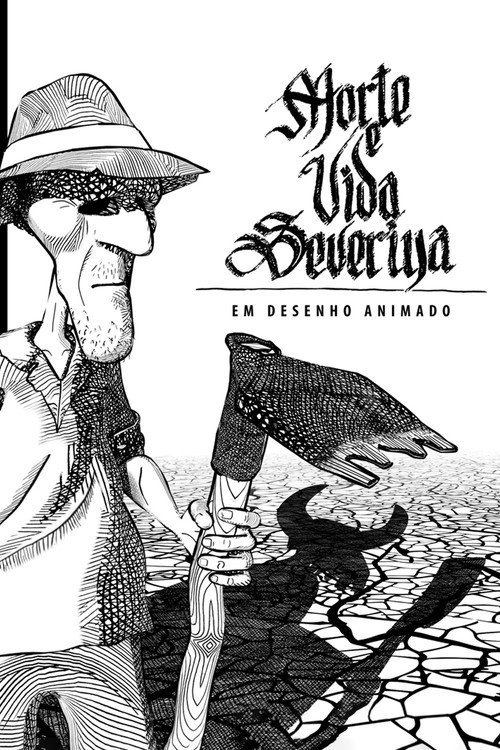
The Brazilian poem 'Morte e Vida Severina', a masterpiece of João Cabral de Melo Neto, comes to life in an animated version directed by Afonso Serpa.
The story of Severino, a man who tries to escape the misery and the drought prevailing in the rural backcountry of the Northeast of Brazil. He heads for Recife, passing through desert and forest regions, expecting to find a better life.
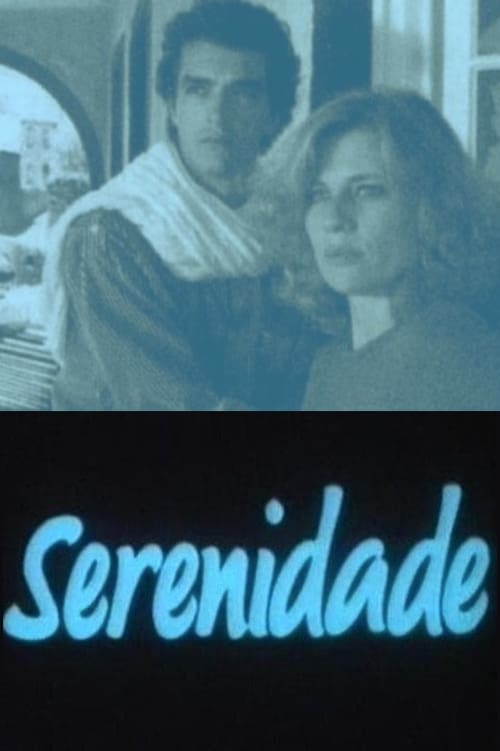
Luís Medeiros, Azorean painter, meets two odd characters in an exhibit in Lisbon: Inês, a charming woman, and Ed, a sneaky man. The two reveal to have with them a precious document that might be threatening to Luís. He brings them back home but his serenity is over due to an unexpected chain of events.
In protest against the 500,000 deaths from COVID-19, five actresses recite poems by João Cabral de Melo Neto.