Camera
Manos (Christos Loulis) seems to have problems with his love life. He leaves the capital and coercive girlfriend to be close to his only relatives in the province. There, apart from his uncle (Paul Chaikalis) - that is looking frantically for donuts with honey - and beloved aunt (Bright Baxevani), he will meet Xenia (Fay Xila), an old friend who now works in the funeral home. With the help of the clever and cute pink piggy Marikaki he will try to reveal a old secret on the whole village and break out the lies that prevent redemptive truth.
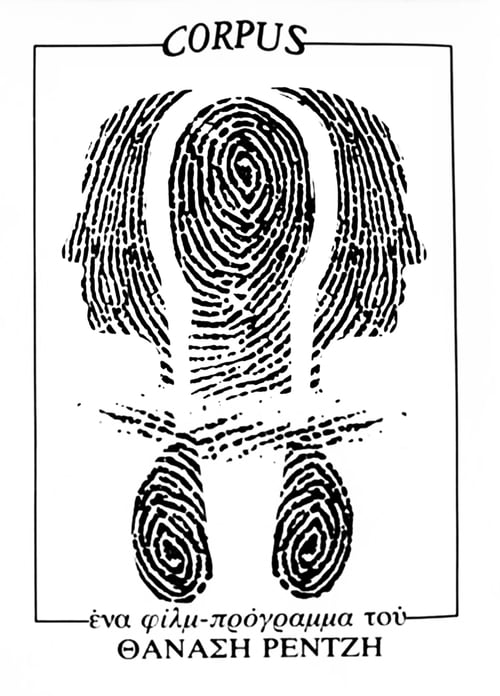
An experimental film using a mixture of techniques to portray the different views of the human body. It consists of seven parts, each one presenting an ideotype of the human body, from the beginning of civilization up to the present time. The body as a concept or dogma is simply the embodied reflection of every civilization, upon which man himself is established. The anthropomorphism that characterizes the sum total of perception, in a clear or latent state, comes from the fact that the human body, as reality, idea and expression, comprises the ultimate reference.
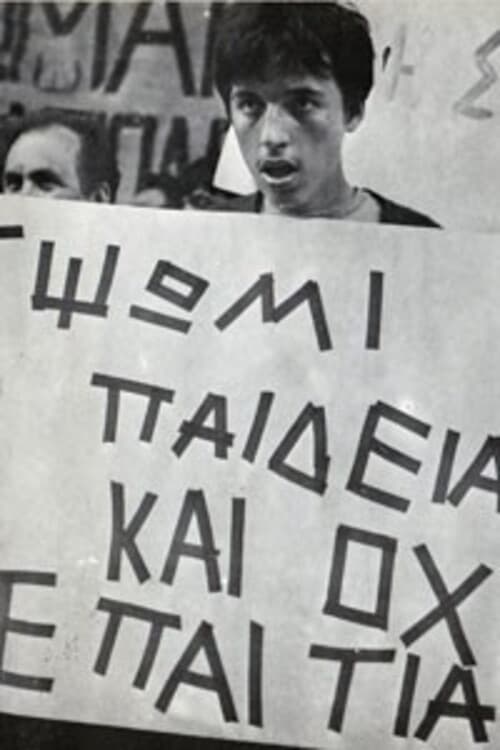
Within the assertive climate of the years after the restoration of democracy in 1974, a fringe group, the blind, many of them beggars, protested by demanding Bread and Education and not Beggary.
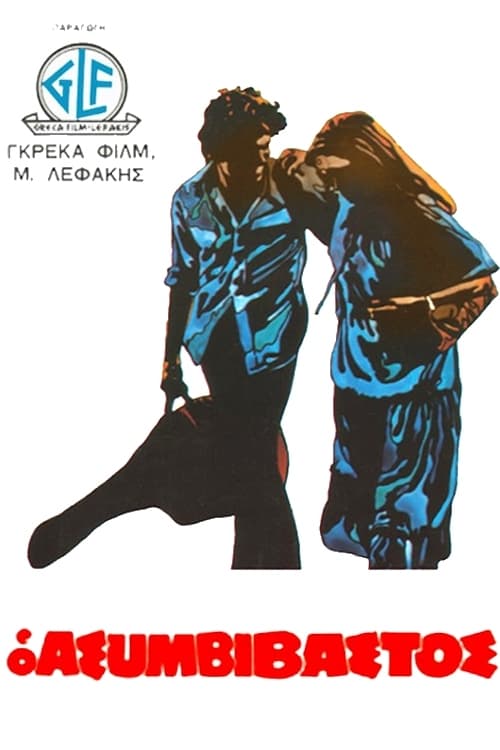
A medical student (Pavlos Sidiropoulos) delays his studies to become a singer in this story of a man who follows his own convictions. He becomes a street singer and finds a young woman (Betty Livanou) he wishes to marry. After the two are wed, he returns to medical school to support his wife and family. He earns his medical degree and lands a job in a hospital. When he refuses to take part in the exploitation of the patients, he is fired. He opens his own practice but later quits when he is asked to participate in another fraudulent medical scam.
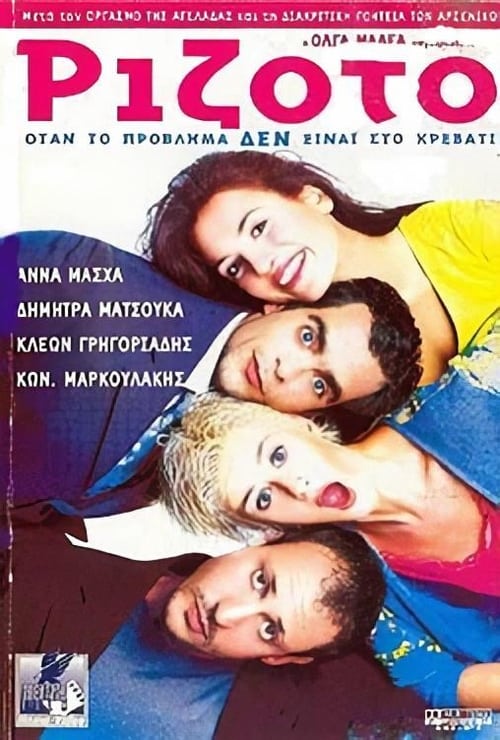
Two mothers/wives devise a solution to the downsides of marriage.