Writing
Series revolving around community youth radio station 99.9 Raw FM and the young people who run it.
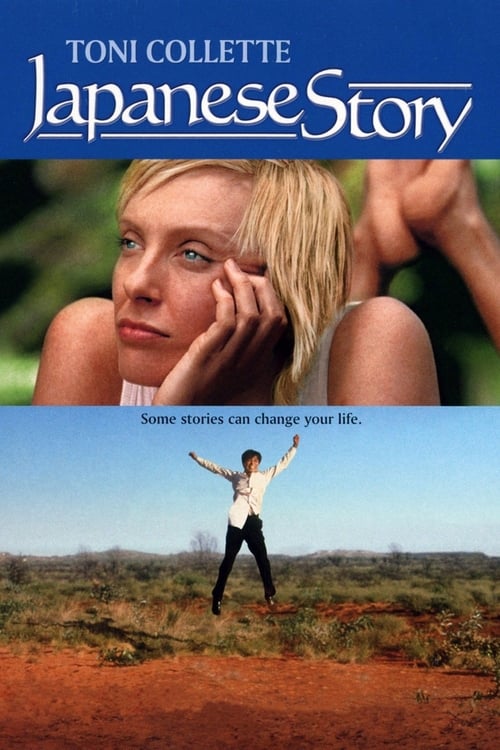
Sandy, a geologist, finds herself stuck on a field trip to the Pilbara desert with a Japanese man she finds inscrutable, annoying and decidedly arrogant. Hiromitsu's view of her is not much better. Things go from bad to worse when they become stranded in one of the most remote regions on Earth.
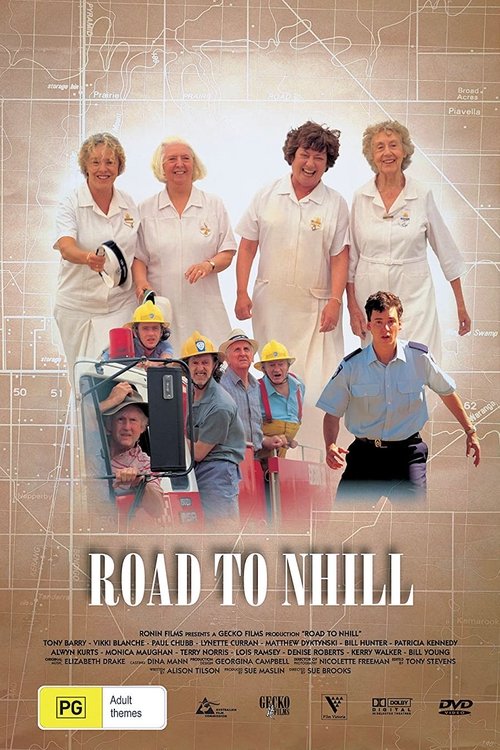
Four women bowlers on their way home to Pyramid Hill (population 550) from a tournament roll their car on a deserted road in rural Victoria. They are coping fairly well until the local men and emergency services start trying to help.
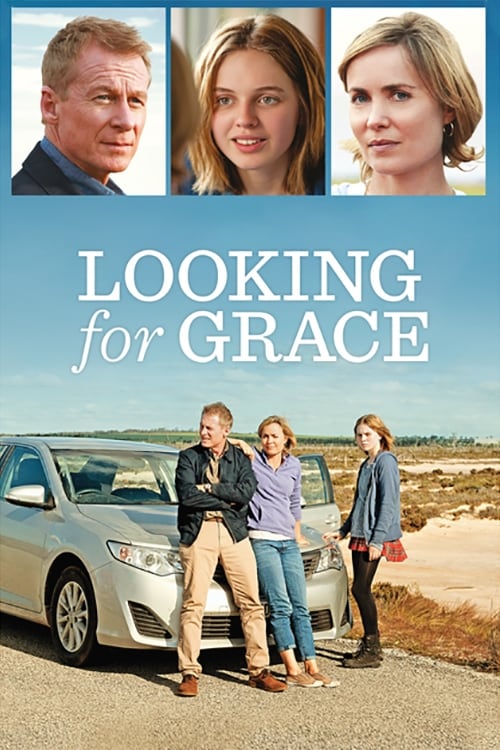
When rebellious 16-year-old Grace takes off, her exasperated mum and dad enlist the help of a close-to-retirement detective, and begin the long drive from Perth out to the West Australian wheatbelt to try to find her. On the journey, the two must confront the realities of their changing relationship to one another, and to their daughter…
This film examines how, since white settlement, Australians have structured, and restructured, their time. Despite some basic inequalities, Australia was a new nation trying to throw off the conditions of the Old World. Even two world wars and severe economic depression could not deter Australians from pursuit of “the fair go”. By the 1950s most middle class Australians lived in an ordered, protected, prosperous world of school, employment, Saturday afternoon sport and the Sunday roast. Yet today Australia is following the global trend towards a population divided between the overworked and the underemployed. The old 9 to 5 certainties are no longer in place. People work from home via computer; shop in non-stop trading supermarkets seven days a week; and online 24 hours a day. Overtime has increased and penalty rates are disappearing.
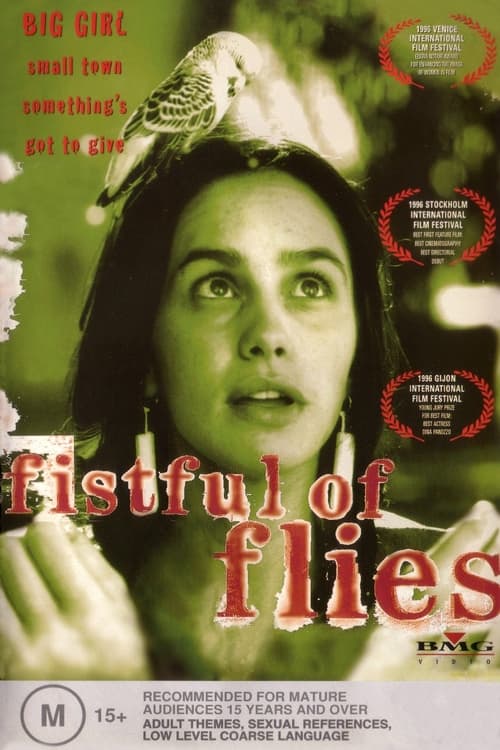
Sixteen-year-old Mars wants more from her life than just a fistful of flies which, to her, is a fistful of nothing. Stifled and dominated by her family, Mars just wants to be free. Denied relationships with the people who truly understand her, Mars battles her family on her own, and in her quest to be treated as a grown-up she gives her mother the courage to act and forces her father to make the choice of his life. A story about how a young girl finally finds the courage to have faith in herself.
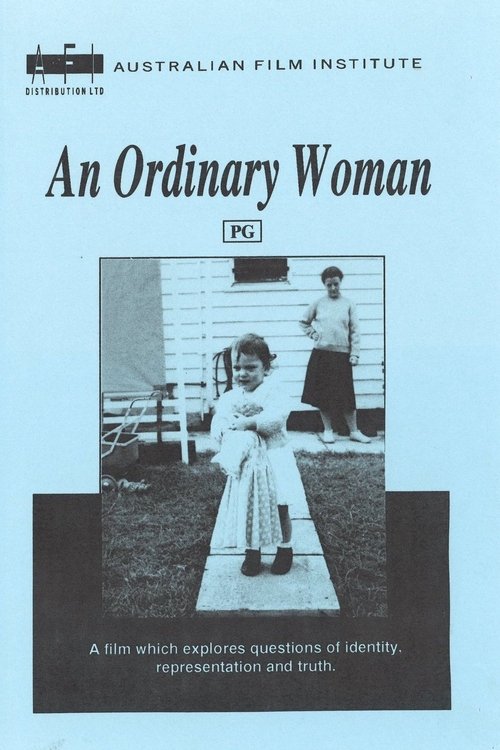
Jackie is 38 years old. She lives with John and they have two small children. Once she wanted to be an opera singer. Once, she had a boyfriend called Paul who married someone else. Once she travelled overseas. In the sixties she was in love with Charlie. In the seventies she sang in a band. In the eighties she makes scones with the kids. In the process of (re)presenting an ordinary woman's life this film explores questions of identity, representation and truth.