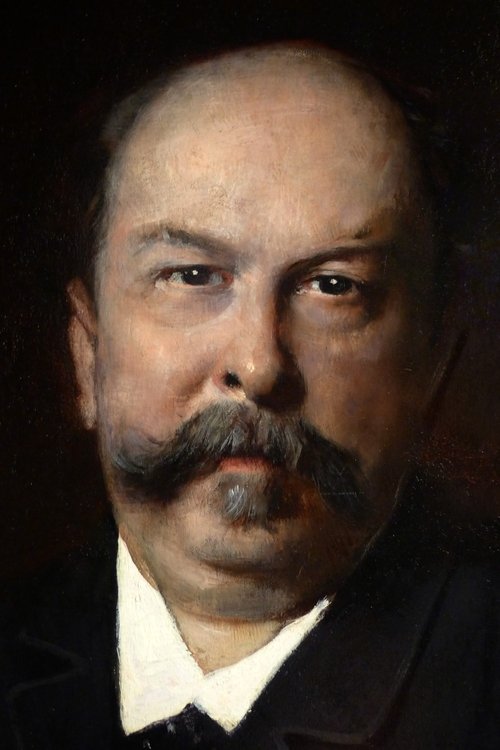
Henri Meilhac
Writing
Known For
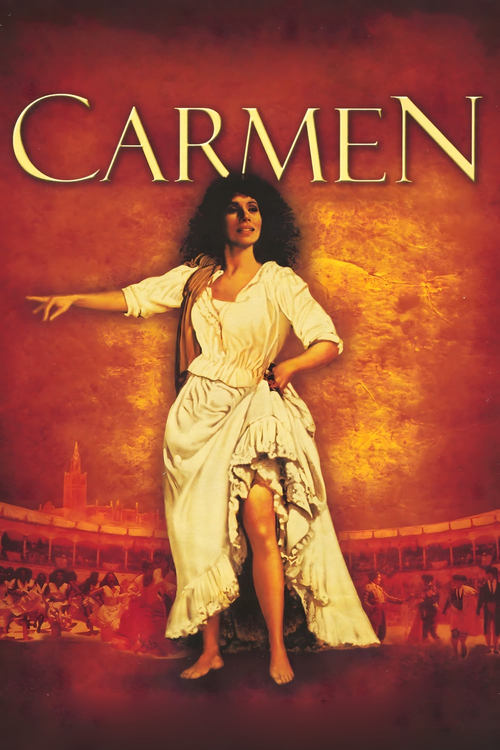
In the early 19th century, in Seville and the surrounding area, Carmen seduces the sergeant Don José, who deserts the army to be with her. But the beautiful gypsy falls in love with the bullfighter Escamillo, much to Don José’s despair.
Carmen
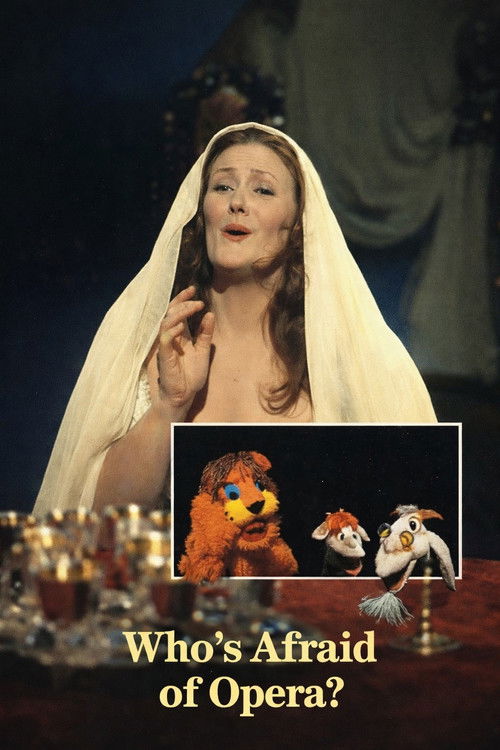
Three zany puppets bring to life our greatest opera treasures, as Joan Sutherland, the world’s most famous soprano, performs their highlights. The puppets make up the audience: Sir William, a wise old goat; Little Billy, his nephew; and Rudi, a rather boisterous lion. Sutherland first introduces them to the story of each opera. Then, backed by the London Symphony Orchestra and a first-rate cast, she moves onto the opera stage, complete with elaborate sets and elegant costumes. After each exquisite aria, the diva comes back to her inquisitive friends and unfolds the plot.
Who's Afraid of Opera?
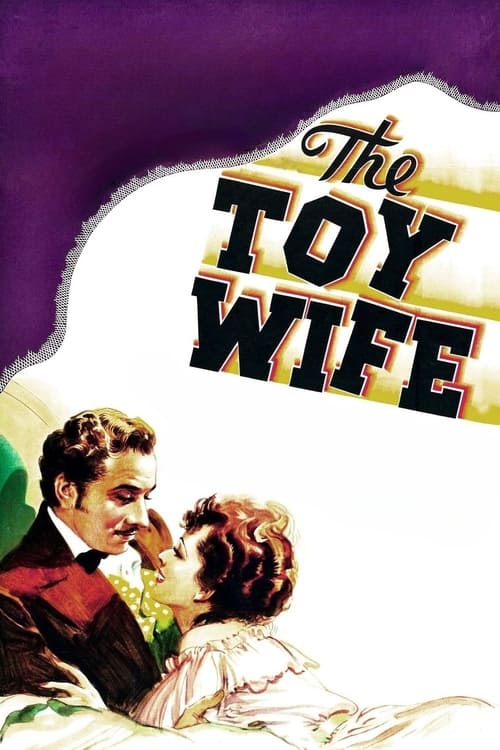
A Southern belle finds herself torn between two suitors.
The Toy Wife
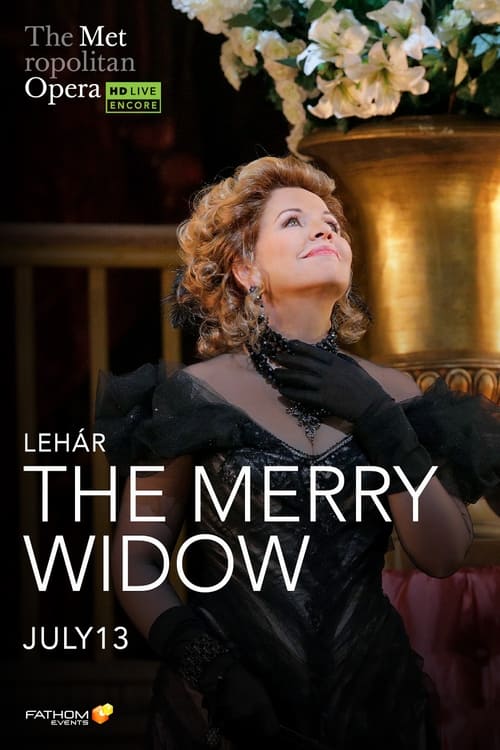
Renée Fleming lights up the Met stage as Hanna Glawari, the fabulously wealthy widow of the title in Lehár’s beloved operetta, set in Paris and seen in a glittering production directed and choreographed by Broadway’s Susan Stroman. Nathan Gunn is Danilo, Hanna’s former flame, who is supposed to woo and marry her in order to keep her fortune in their home country of Pontevedro. Kelli O’Hara sings Valencienne, the flirtatious young wife of the Pontevedrian ambassador in Paris, Baron Zeta, played by Thomas Allen, and Alek Shrader is her suitor, Camille. Andrew Davis conducts the waltz-rich score, and the new English translation is by Jeremy Sams.
The Metropolitan Opera: The Merry Widow
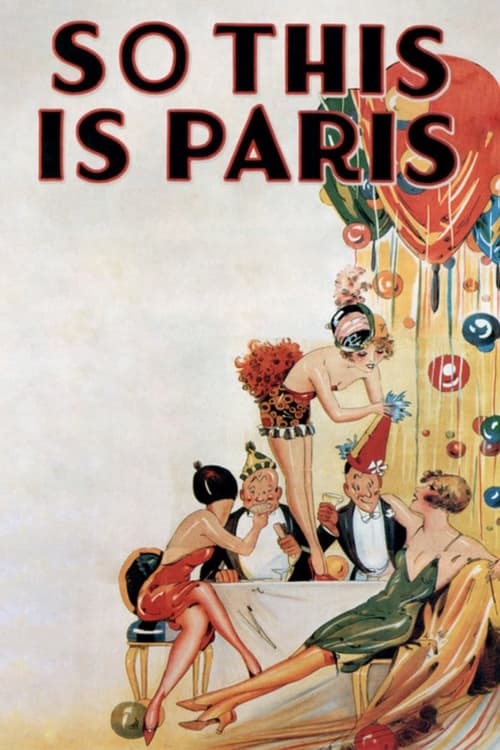
Paul and Suzanne Giraud are happily married and living in a quiet neighborhood. When Suzanne notices that their new neighbors are expressive dancers in revealing outfits, she demands Paul speak to them about their lack of morality. Paul discovers that the woman is Georgette Lalle, an old flame.
So This Is Paris

Celestin is the singing teacher in a monastery and Denis is one of her students. They both dream about the life outside. (It's a Swedish version of the famous vaudeville-opérette "Mam'zelle Nitouche").
Lilla helgonet
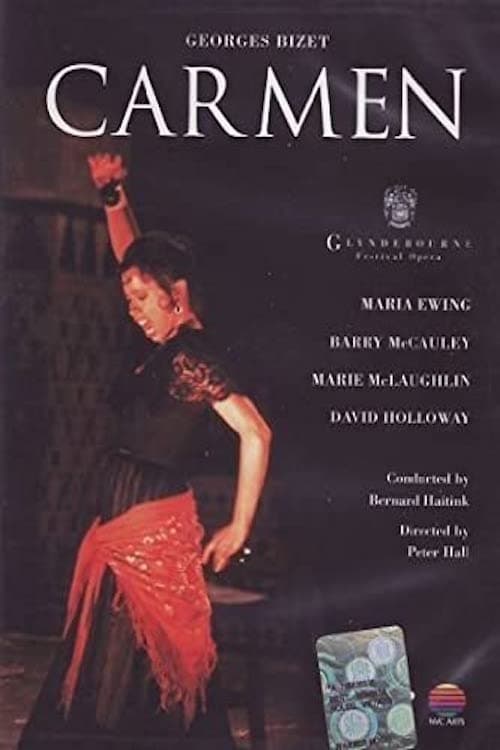
Don José is a guard who begins an affair with the tempestuous Carmen. He is imprisoned and loses his job, then flees with her to the mountains. When the relationship starts to break down José refuses to acknowledge it and will not leave, even when he gets news that his mother is dying. Carmen, meanwhile, has taken up with the bullfighter Escamillo. Bizet's most famous opera is brought to the Glyndebourne Festival Opera by Sir Peter Hall, with Maria Ewing and Barry McCauley heading an international cast.
Carmen - Glyndebourne Festival Opera
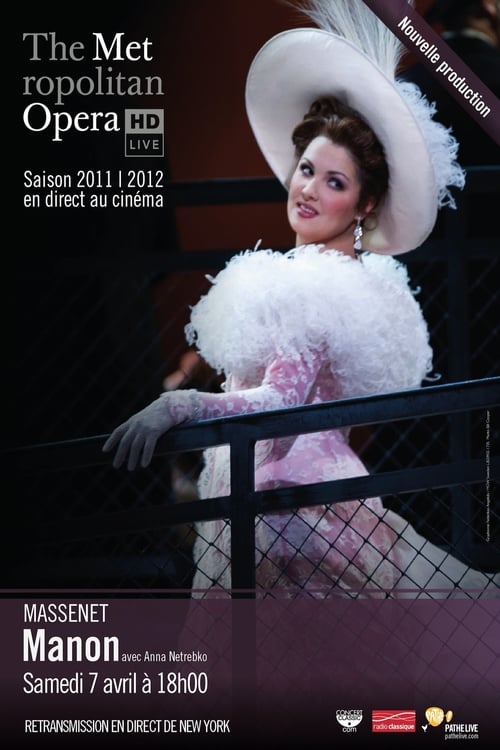
Star soprano Anna Netrebko scored a triumph in Laurent Pelly’s acclaimed 2012 production, singing the title heroine for the first time at the Met. Manon’s story—from innocent country girl to celebrated courtesan to destitute prisoner—is one of the great tragic tales in literature and music, and this performance brings out all of its colors, as seen through Massenet’s masterful score, from the comedic beginning to the heart-wrenching finale. Piotr Bezcala is des Grieux, Manon’s lover, who decides to become a priest when she leaves him, but ultimately is reunited with her, only to lose her again. Paulo Szot sings Lescaut, and Fabio Luisi conducts the Met Orchestra and Chorus.
Massenet: Manon
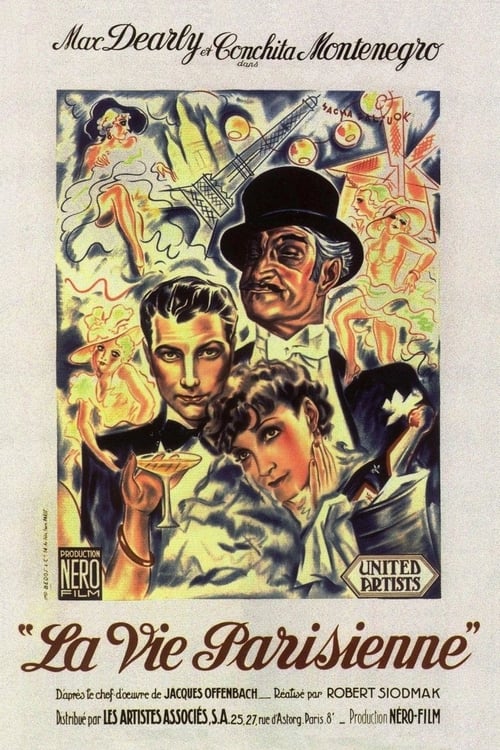
A rich Brazilian, Mendoza, visited Paris in 1900 and was romantically involved with the star of Offenbach's 'La vie parisienne' which was playing at the time. Thirty five years later, he returns with his son and granddaughter, who is engaged to a young Frenchman. But Mendoza's puritanical son forbids the marriage. Mendoza and the actress's friends conspire to change his mind and convert him to 'Parisian life.'
Parisian Life
Mendoza, who had an affair with the star of the original production of La Vie parisienne in 1900, returns in 1935 with his son and granddaughter. His granddaughter is engaged to a young Frenchman, but Mendoza's strait-laced and puritanical son initially forbids the marriage. The core conflict involves Mendoza and his old Parisian friends conspiring to change the son's mind and convince him to embrace the titular "Parisian life".
Parisian Life
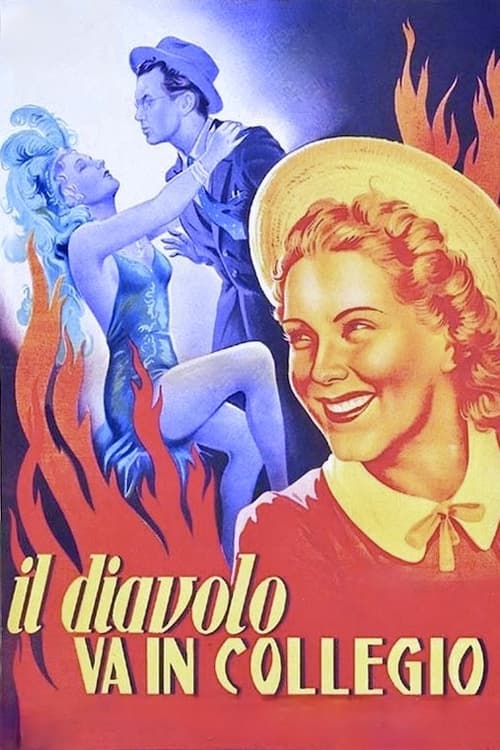
No description available.
Il diavolo va in collegio
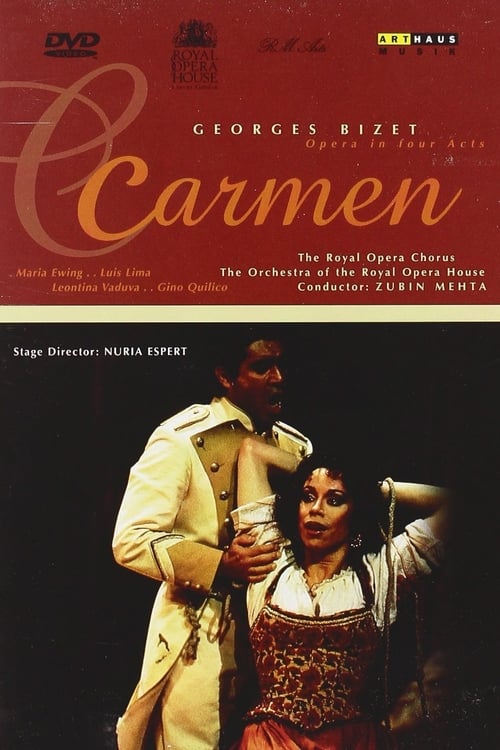
Bizet's masterwork, Carmen, directed for stage by the Spanish actress Núria Espert. Royal Opera House in Covent Garden in 1989.
Carmen by Georges Bizet
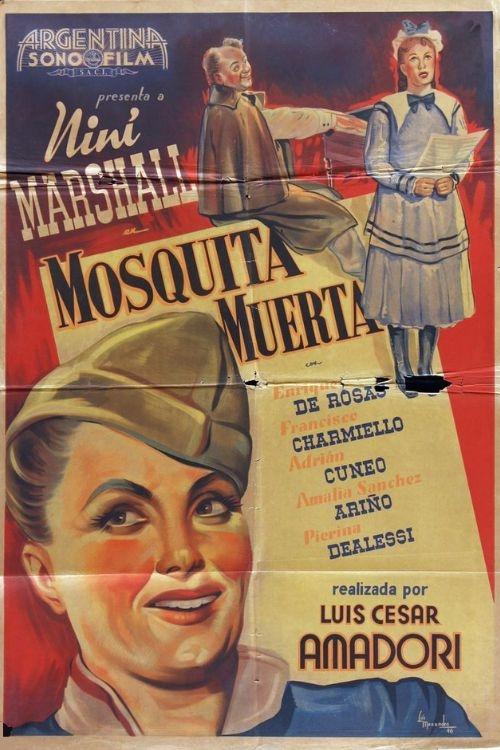
In an all-girls boarding school, one of the students resists the will of her uncles to marry her off because she does not know her future husband. Which is why she pretends to be a prude for whom marriage is a dirty word.
Mosquita muerta
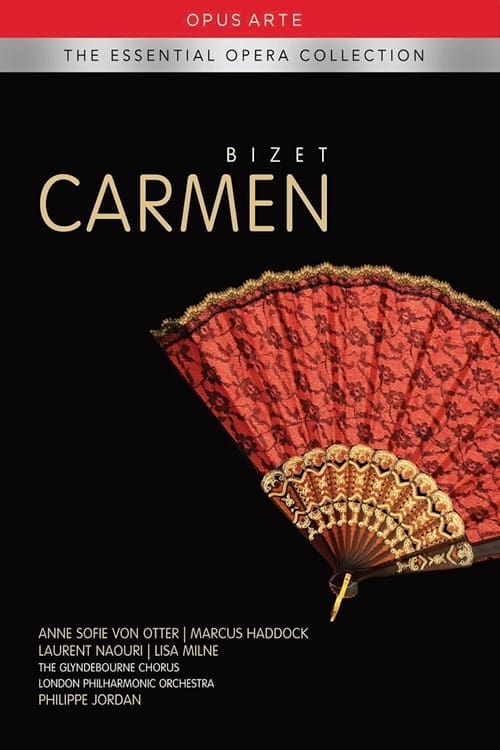
David McVicar's exhilarating new production, with Anne Sofie von Otter in the title role, restores the Opera Comique to Bizet's masterpiece. Philippe Jordan, in his Glyndebourne debut, conducts the London Philharmonic Orchestra, the Glyndebourne Chorus, and a cast which includes Marcus Haddock, Laurent Naouri, and Lisa Milne.
Carmen
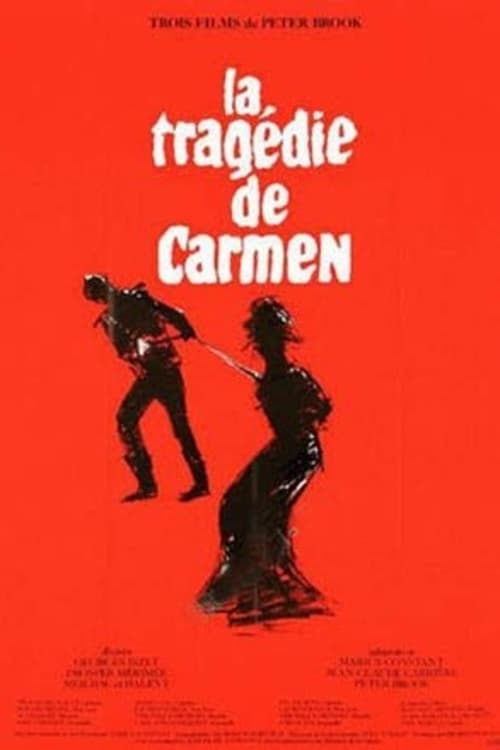
Peter Brooks' adaptation of Carmen by Mérimée and Bizet.
The Tragedy of Carmen
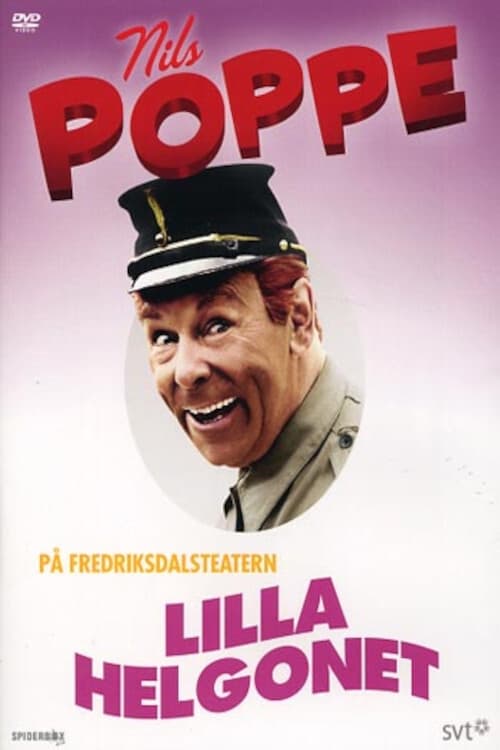
A convent organist and music teacher escorts a young woman who has been boarding there, home to be married, but romantic complications ensue.
Lilla helgonet
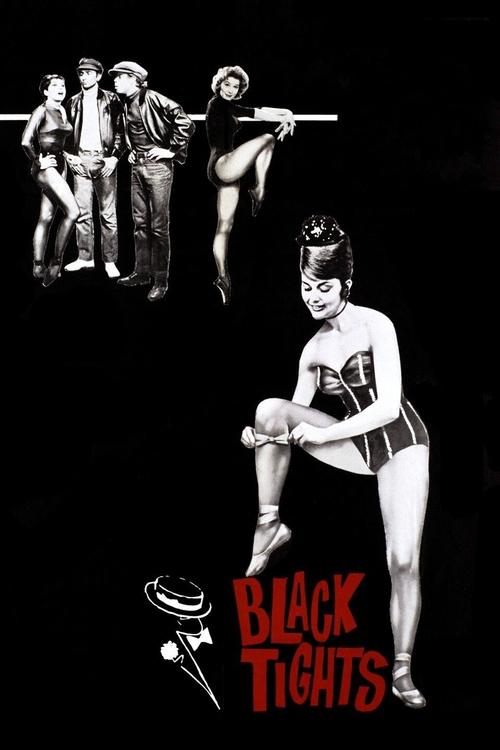
Lively scenes of Paris, all narrated by Maurice Chevalier, link together four dramatic ballet choreographies by Roland Petit: La Croqueuse de diamants (The Gold Digger), Cyrano de Bergerac, Deuil en 24 heures (A Merry Mourning), and Carmen.
Black Tights
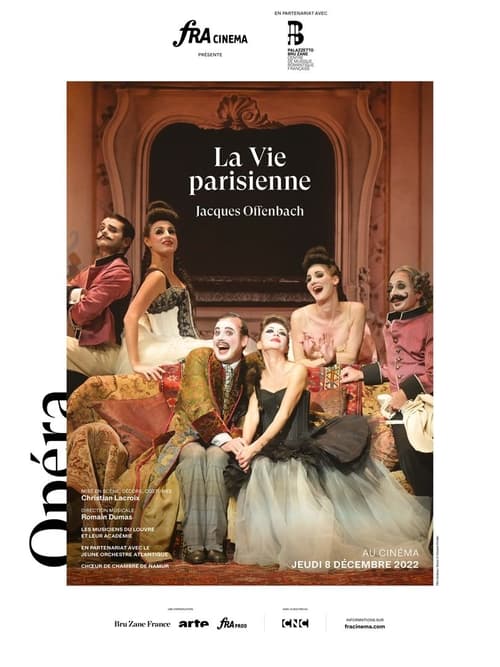
La Vie parisienne (Parisian life) is an opéra bouffe, or operetta, composed by Jacques Offenbach in 1866, with a libretto by Henri Meilhac and Ludovic Halévy. This work was Offenbach's first full-length piece to portray contemporary Parisian life, unlike his earlier period pieces and mythological subjects. It became one of Offenbach's most popular operettas.
La Vie parisienne
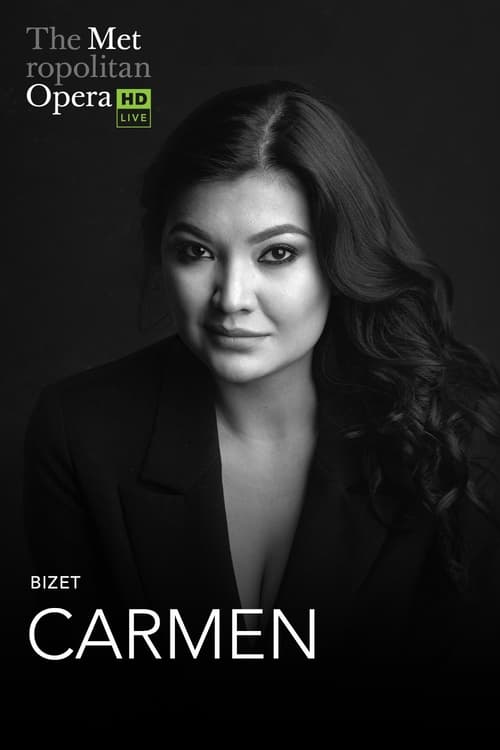
Director Carrie Cracknell makes her Met debut, reinvigorating the classic story with a staging that moves the action to the modern day, in a contemporary American industrial town.
The Metropolitan Opera: Carmen
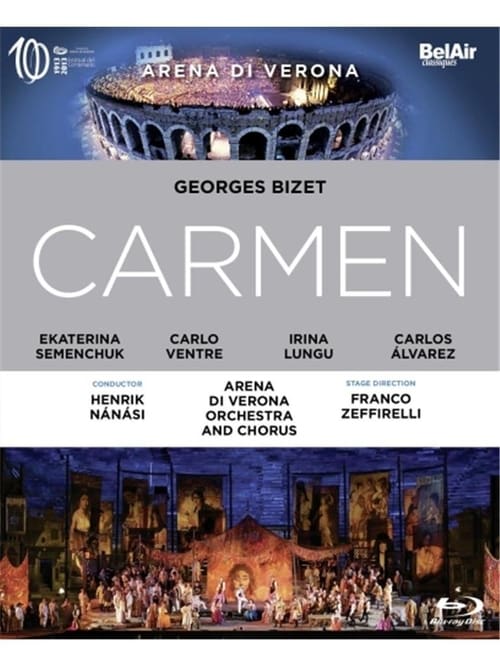
High Definition recording June 2014, Arena di Verona. This opulent production was directed by Franco Zeffirelli and sung by an international cast of excellent singers: Russian mezzo-soprano Ekaterina Semenchuk, soprano Irina Lungu, tenor Carlo Ventre and Carlos Alvarez. The famous opera is staged as a colourful feast for the eyes, true to its source and convincingly acted by soloists, chorus and ballet alike. Conducted by Henrik Nánási it is a gloriously sung musical experience.