Writing
Zsigmond Móricz was a major Hungarian novelist and Social Realist.
Filmed in the Hortobágy region of the Great Hungarian Plain, Hoellering presents three generations of herdsmen and an arresting depiction of societal progress.
Avary, himself a hustler, is jealous of his beautiful wife. He eavesdrops to catch Vilma, his wife, having supper with a neighbour on the terrace of their manor-house. He is about to shoot at the woman, but it is him who gets shot to death.
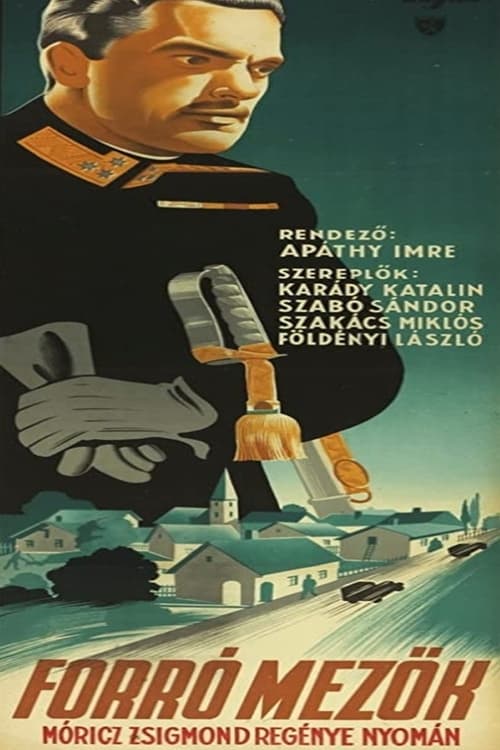
The main character in the story that takes place in 1896, year of the millennium, is Szakhmáry Zoltán, who, in sharp contrast with the people around him, is neither a cynic nor a lewd, not even someone with a tendency for showing off his strength. Instead, he strives to become a humane person with enough common sense and modern thinking.
The rise and fame of Sándor Rózsa, the infamous outlaw of 19th century Hungary.
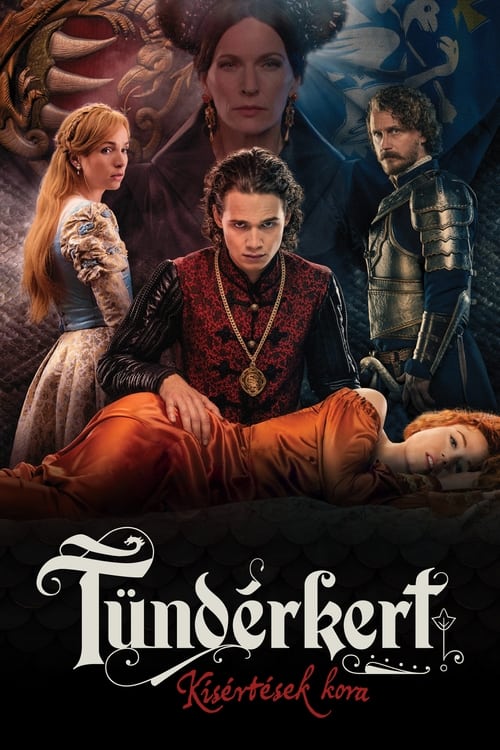
Gábor Báthory was the ruler of Principality of Transylvania from 1608 to 1613. The infamous Elisabeth Báthory was his relative. The young Báthory is daring handsome and the idol of women, and triumphantly acquires the throne of Transylvania. The young ruler is the hope of the Transylvanian people, who have long suffered from wars. However, the ambitious Báthory pursues glory. He turns into a deranged tyrant, his best friend, the wise Gábor Bethlen, also becomes his mortal enemy and infuriates the neighboring great powers. Huge armies of the Ottomans, Wallachians, Poles, Hungarians and Cossacks attack Transylvania because of Báthory's adventurism.
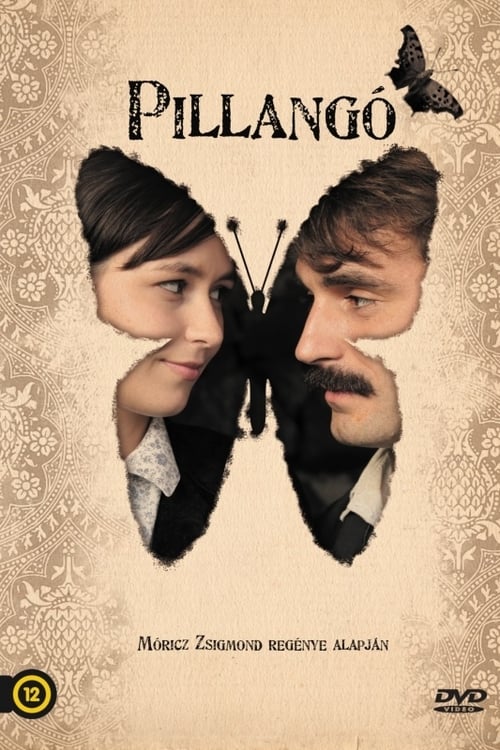
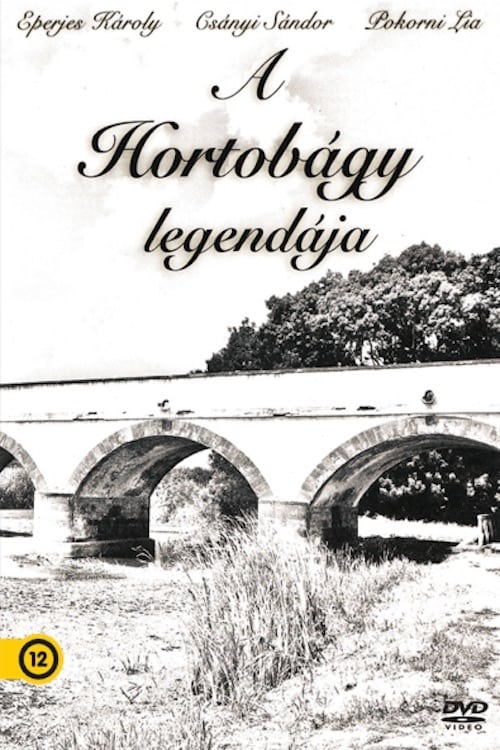
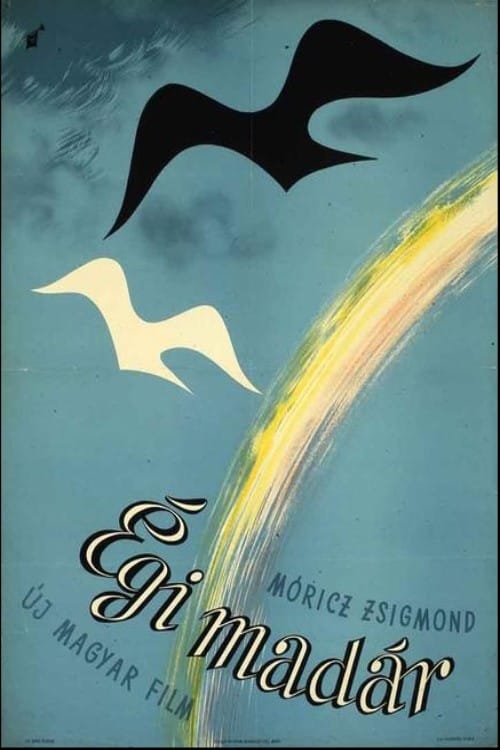
Zsigmond Móricz wrote his novel Butterfly in just a few days in 1924. Móricz tells the story of a mighty love that triumphs over adversity and is all-powerful in the language of ordinary people. The love of Zsuzsika and Jóska is presented through the "lightning and veil-soft" emotions of the director, László Vitézy's television adaptation. After The Legend of Hortobágy (Komorló) and The Sky Bird, this is the third film made by László Vitézy based on the writings of Zsigmond Móricz.
An orphan girl suffers abuse from her adoptive parents.
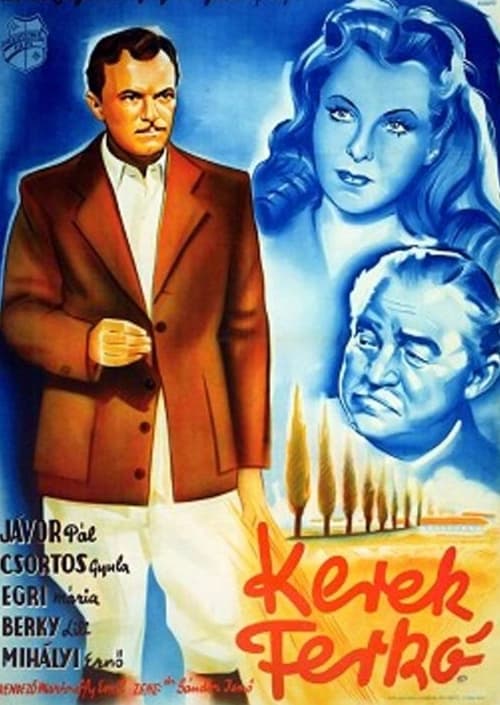
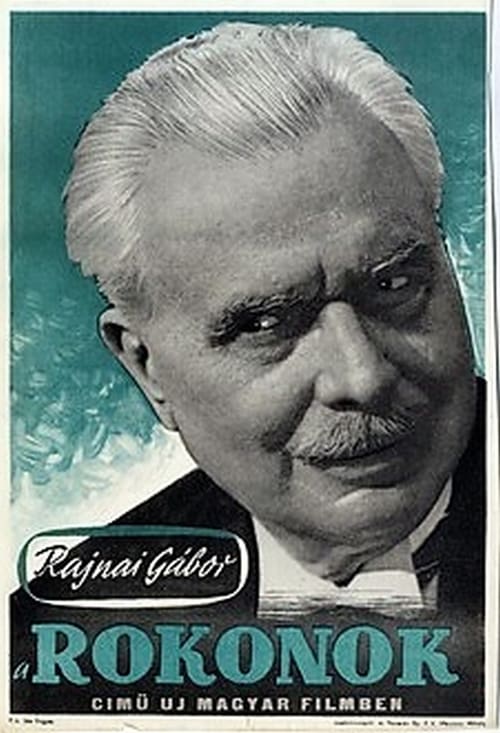
After a heart attack, landowner Ferdinand Kerekházy summons his son Ferko Kerekházy from abroad, who, to his conservative father's dismay, sends a wagonload of machines ahead to set up an irrigation system and turn the saline, barely productive fields into fertile ones. The old count doesn't want to hear about his son's plans, and wants Ferko to marry Baroness Zólyomi. Since his son refuses, he disowns him. With persistent work, and the support of the mayor and a young engineer from Pest, the irrigation plan is realized. When the old count, who is always dreaming of grandchildren, realises that his son and the mayor's daughter have fallen in love, he reconciles with Ferko and asks her to marry him.
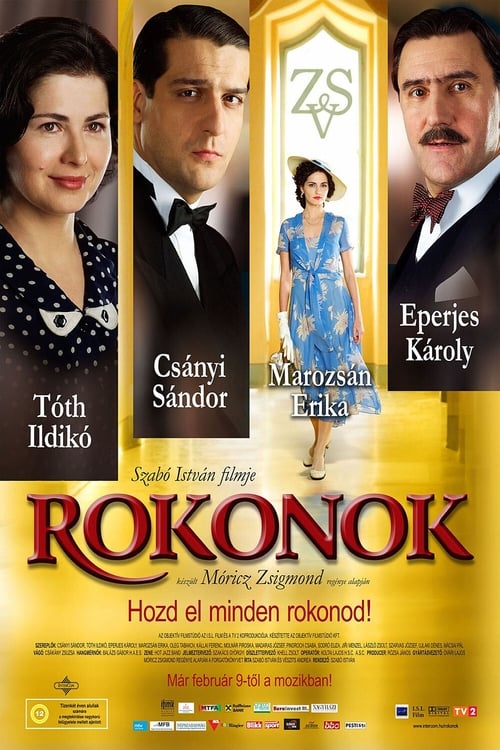
The hero of the story taking place at the end of the twenties is the modest civil servant, doctor Kopjáss who is suddenly appointed to be the chief attorney of Zsarátnok city. He realises slowly that his immaculate name was needed as a cover for the corrupt loan transactions handled by the lords of the city.
No description available.
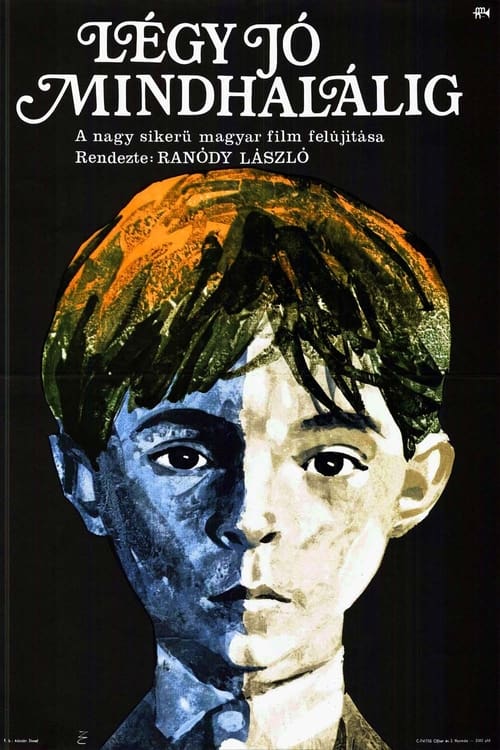
The story follows the life of a bright and sensitive schoolboy growing up in an old, established boarding school in the city of Debrecen in eastern Hungary.
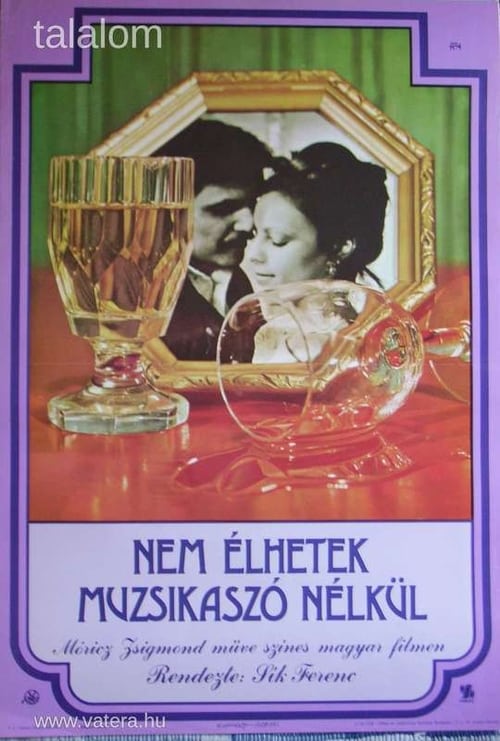
The reformed priest of Gát, Pap Énók, gets married. He is engaged to the worthy Miss Ica Zádor from Malomsk and Zádor. At the Easter 'priestess election ball', Énók could have chosen a wife from among thirty-five Gáti girls, but he asked the thirty-sixth, Ica, a young lady from Pest. Enoch, of peasant origin, had studied his way up to the middle-class intellectuals of the countryside. Ica, the scion of a ruined noble family, comes from Budapest to a low-class marriage, but Ica's rise to office could bring her back into the higher social circles she had lost through the family's decline. They married for love, but both were guided by interest and expectation. Ica is a vivacious woman of the world, dissatisfied, bored, longing to return to life and society in Pest. She finds strange amusements: sometimes she embraces, sometimes she torments her master. Enoch is head over heels in love, puts up with everything, and in return happily accepts the kisses he is rewarded with.
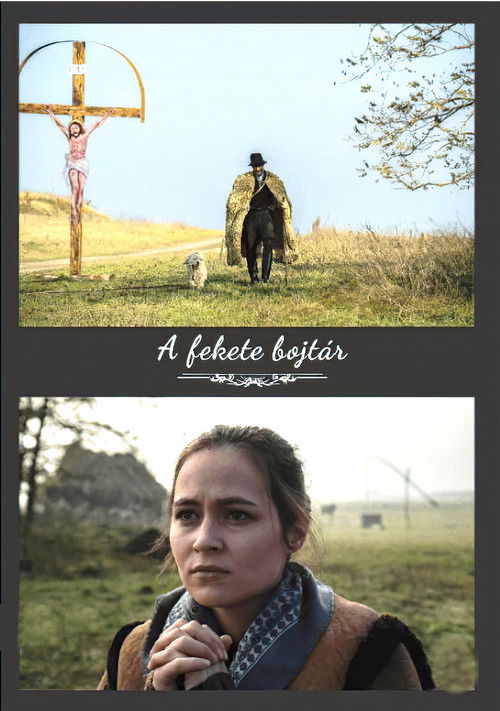
István Sinka, known in the farm world of the Great Plains only as Black Burdock, is a decent, honest fellow. He stands out among his peers with his education and literacy. He and his love, Piroska, are happily planning their lives when an unexpected tragedy occurs.
A moving story of a bright and sensitive schoolboy growing up in an old, established boarding school in the city of Debrecen in eastern Hungary.
Balazs, who is married to Polika, welcomes his friend Viktor who pays him a surprise visit, unaware that Viktor and Polika dated each other in their adolescent years.
Pólika, tired of her husband Balázs Nyiri’s partying, moves in with her aunt. Nyiri, desperate to win her back, tries everything but fails. Aunt Zsani seeks help from her brother, Uncle Lajos. They sing Pólika’s songs at a pub, joined by the household. Aunt Zsani’s housekeeper, Pepi, serves them food, while servants share news of the Nyiri farm’s sale. Frustrated by the scandals, Pólika tells Nyiri to run away with her if he wants.
The film weaves together three stories from Hortobágy. It takes a sacred approach to the honesty, fallibility, stubbornness and deep emotions of the ancient people of Hortobágy. The director was inspired by Zsigmond Móricz's short story "Komor Ló" and the writer's realistic yet mystical vision to film two other stories told by the people of the Hortobágy, set in 1945 and after the communist coup.
Young honest public official is sworn in after his predecessor had to leave due to a corruption scandal. Soon, the young idealist discovers just how far-reaching the corruption is in his town and how easy it is to become corrupt yourself.
Panni, coming from a landless family of ten and Miska have loved each other for a long time. The pretty Panni, however, has another suitor as well: Komáromi, the big farmer. The two men fight from time to time, but then, during the time Miska is serving his military duty, Panni marries Komáromi to end the tremendous squalor of her family.