Directing
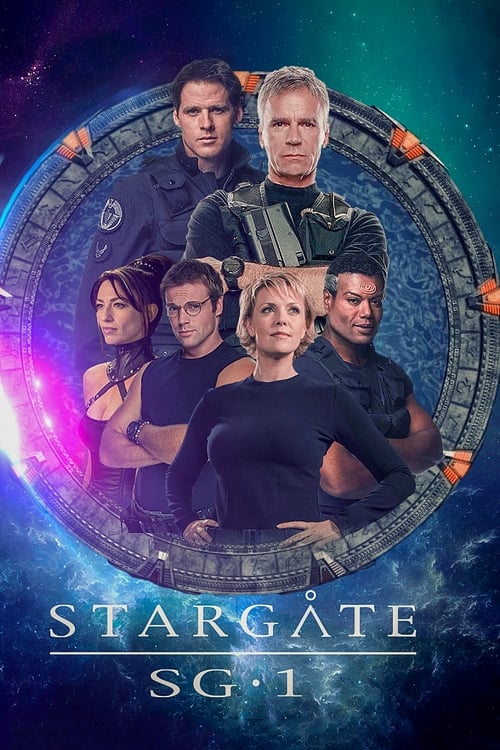
The story of Stargate SG-1 begins about a year after the events of the feature film, when the United States government learns that an ancient alien device called the Stargate can access a network of such devices on a multitude of planets. SG-1 is an elite Air Force special operations team, one of more than two dozen teams from Earth who explore the galaxy and defend against alien threats such as the Goa'uld, Replicators, and the Ori.
An avant-garde omnibus that features works by off-the-wall artists in many different disciplines.
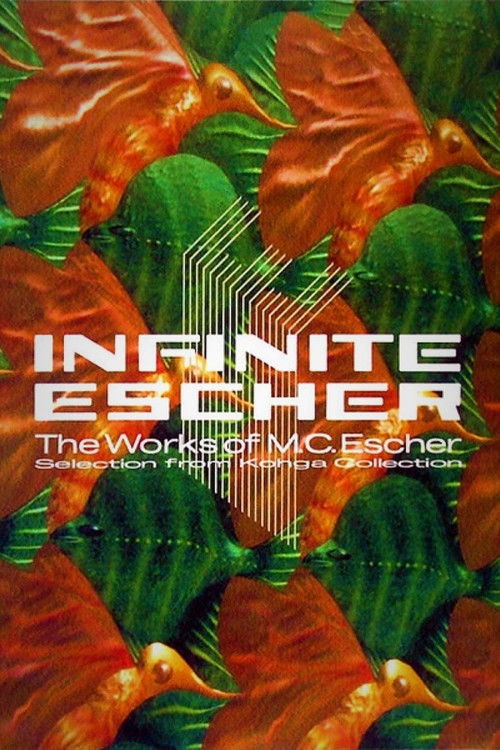
A boy travels through the world of M.C. Escher.
Short film by John Sanborn
A sequel to Ear to the Ground, Ear-Responsibility finds avant-garde percussionist David Van Tieghem roaming the streets of New York, discovering the inherent rhythms and music in ordinary objects, from sidewalks to subway cars.
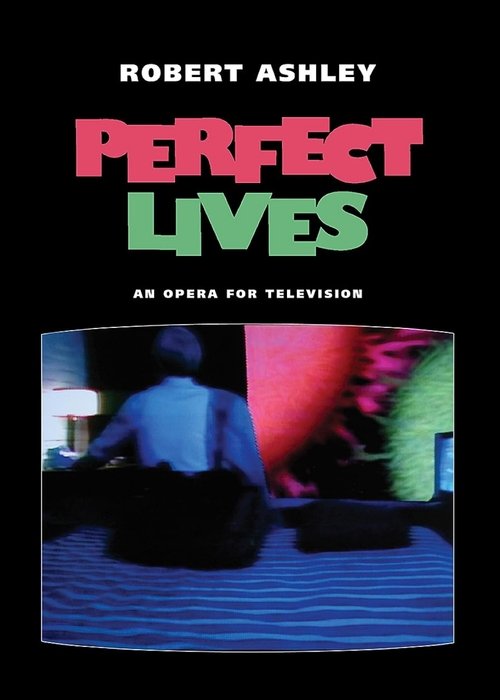
Set in the American Midwest, Perfect Lives is “about” bank robbery, cocktail lounges, geriatric love, adolescent elopement, the changing of the light at sundown, et al. One of the definitive text-sound compositions of the late 20th century, it has been called "the most influential music/theater/literary work of the 1980s".
Commissioned for the 1980 Winter Olympic Games in Lake Placid, New York, Olympic Fragments is a taut, expressive reinterpretation of athletic movement, a tour-de-force of dynamic editing and post-production techniques. Through sophisticated visual and aural juxtapositions, Fitzgerald and Sanborn isolate the gestures and movements of athletes in a controlled, powerful display. Eschewing the "thrill of victory" tradition of broadcast television sports coverage, they allow a portrait of individual skill and grace under pressure to emerge from their manipulation of highly fragmented and choreographed imagery — what they term the "skill, beauty and sheer joy of kineticism.
Created in 1984 for the opening of the Computer Museum in Boston, Massachusetts. By Dean Winkler and John Sanborn. Music by Jamaaladen Tacuma.
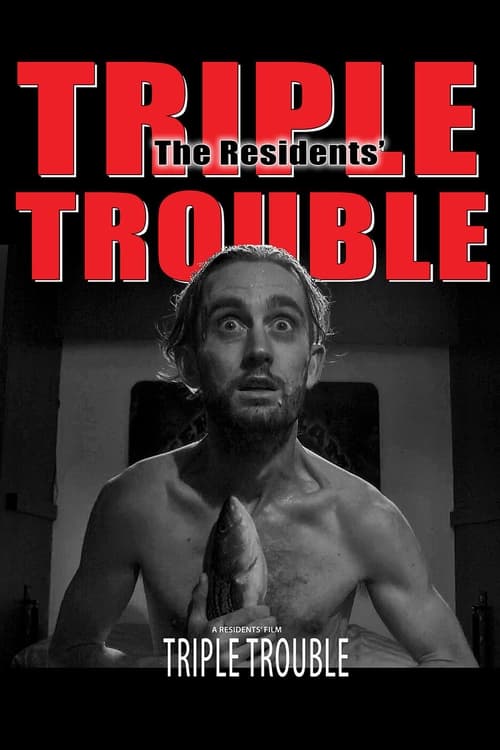
In the year 2023, following the death of Randy Rose, the lead singer of The Residents, his son Randy Junior discovers that his father's ashes have been stolen and listed for sale on eBay by a mysterious culprit. While investigating, Junior discovers the footage for the group's unfinished feature film Vileness Fats in a foot locker in his mother's basement.
Employing single-frame edits from broadcast television, the artists construct a rapid-fire media barrage of sound and image.
Abstract video art set to the music of Philip Glass.
Abstract video art by John Sanborn and Dean Winkler. Dedicated to Ed Emshwiller.
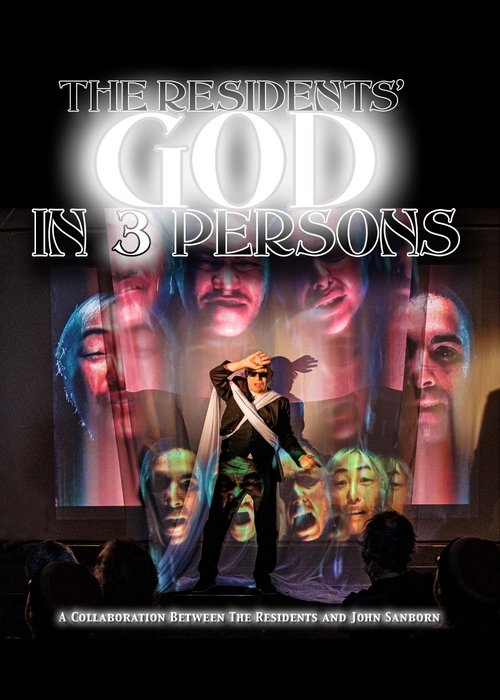
A live adaptation of art rock band The Residents' 1988 concept album about a disgraced evangelist and his obsession with gender-fluid conjoined twins.
In Visual Shuffle, Moulton's choreography becomes part of a fantastic landscape of floating pop icons and symbols.
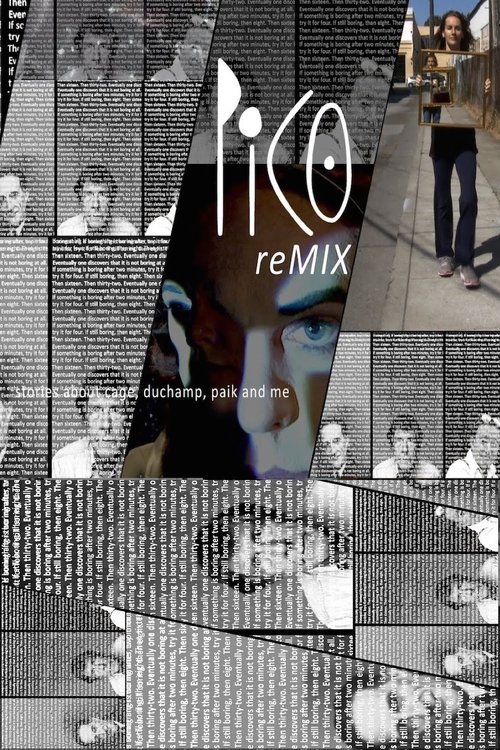
A video memoir in which artist John Sanborn explores the seismic artistic upheaval wrought by three great artists: John Cage, Marcel Duchamp, and Nam June Paik, celebrating the ways each artist challenged assumptions about what defines an artist, art, and the relationship of creator to audience.
With HOW TO FLY, Bowes abandoned plot entirely, finding other forms of structure. He wanted to show that stories do not have to obsessively organize and explain data, and that television’s hundreds of simultaneous, fragmented narratives – news, fiction, commercials, sports, etc. – had prepared audiences for this new type of structure. — Charles Ruas
The Planets is an epic video feature commissioned by the new music ensemble Relâche. The score took composer Kyle Gann twelve years to complete and became a multi-media immersion into the myths and mystery of the planets when Relâche commissioned video artist and director John Sanborn to take viewers on a journey out into space, and inside the play between reality and fantasia. The work is in ten parts, each focused on a single planet, and blends together things we know and elements that we imagine about the heavenly bodies in the sky. We see them only through lenses, mental and physical—and we dream up more about them than we understand. We have praised them for the origins of humankind and we have blamed them for controlling our fragile lives from moment to milestone.
Italian video producer Magmart asked me to participate in their F.I.V.E. project - a collection of 25 artists exploring the five senses. This series showed around the world at both traditional venues (museums and galleries) and unusual spaces, like a grocery store in Canada. I was assigned the sense of "touch" and created a sensual piece with dancer Laura Bernasconi. The process was juried based on open submissions. I was pleased that the resulting work called "INTEMERATA" was selected for their world tour.
Conceived & Performed by David Van Tieghem, Produced & Directed by John Sanborn, 1979
This work explores perception, time and memory, based on the concept that "science has yet to determine the actual resolution of the eye." Using time-lapse, slow dissolves, and ghostly, ephemeral images, the artists manipulate linear time and dimensionality. Evoking subconscious memory, Remains Vivid recalls childhood experiences through use of the "after-image," while Over/Time subtly transposes physical and temporal distance as contrasting, equally resonant landscapes. POV explores the subjective eye versus the camera eye, and the nature of artistic creation. Using a split-screen technique, Similar Nature dissects the activities of four people in a study of time, motion, and simultaneity of gesture. Sax and Violins is a conflation of sound and fragmented image in which the musicians perform separately and are brought together only in the post-production process.