Acting
Series of single made-for-television dramas.
No description available.
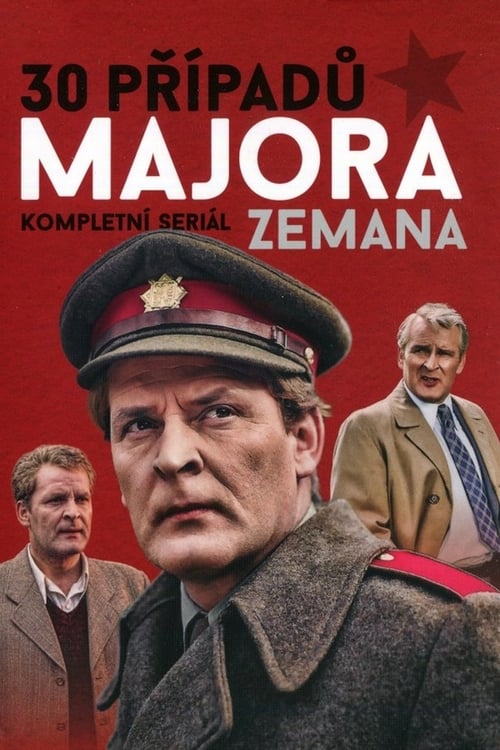
Thirty Cases of Major Zeman is a Czechoslovak action-drama television show intended as a political propaganda to support the official attitude of the communist party. The series were filmed in the 1970s. Each episode encompasses one year, and investigations are stylized to that year. Most are inspired by real cases. The series follows the life of police investigator Jan Zeman during his career from 1945 to 1975.
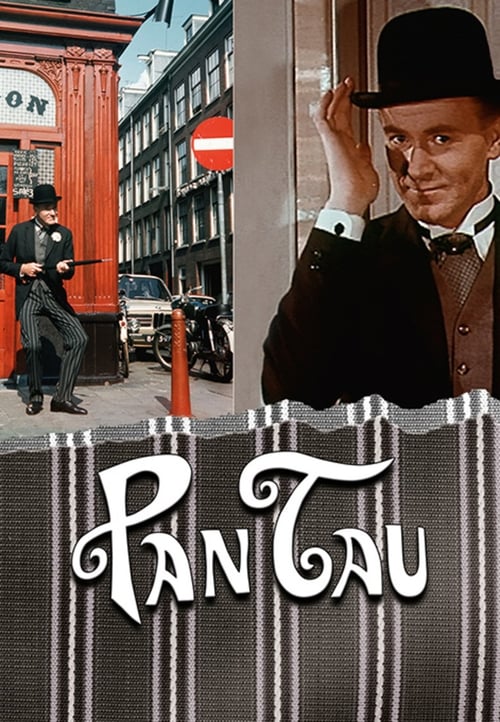
Pan Tau always had a gentle expression and a friendly smile, he was elegantly dressed in a stroller, with an umbrella and a white carnation in the lapel. Foremost, he was famous for his magic bowler hat. By tapping on his hat, Pan Tau was able to change his appearance into a puppet, to conjure up miscellaneous objects or to do other magic. His most characteristically behavior is that he would help children who were experiencing some sort of difficulties in-between their dreams and reality, like finding a place for skiing, settling family problems on Christmas, and even give a boy a good time at a fair when he is supposed to have piano lessons. To adults, he usually remained invisible.
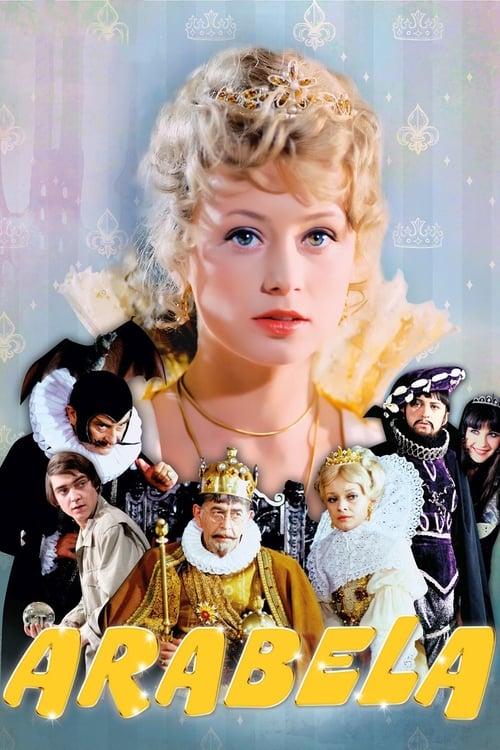
Arabela was a children's television series produced in Czechoslovakia which aired from 1979 to 1981. The series has 13 episodes and is in the Czech language.
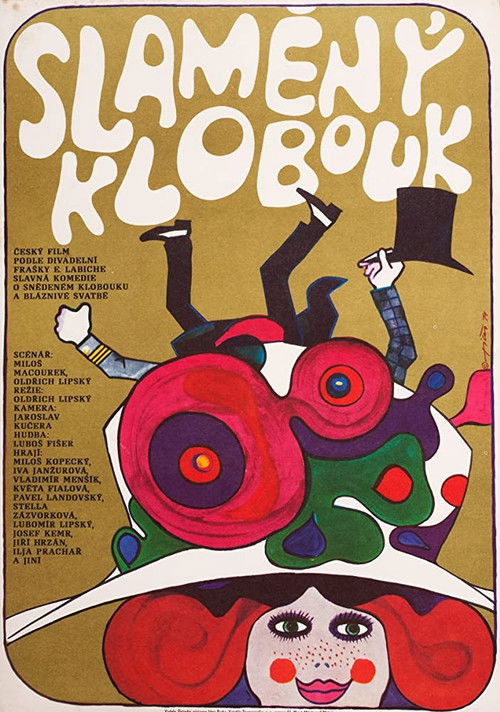
Slacker Maurice Fadinar wasted his whole inheritance and the only way out of this situation, as it seems, to marry Helen Nonankur - daughter of a wealthy farmer. At the last meeting with his mistress in a nearby forest Fadinar's horse eats straw hat which belongs to a married lady, spending time in the company of young and hot Lieutenant Emil. Emil literally puts a knife to Maurice throat - or the lady will get back the exact same hat immediately, or he will arrange such a scandal that no wedding will not happen ...
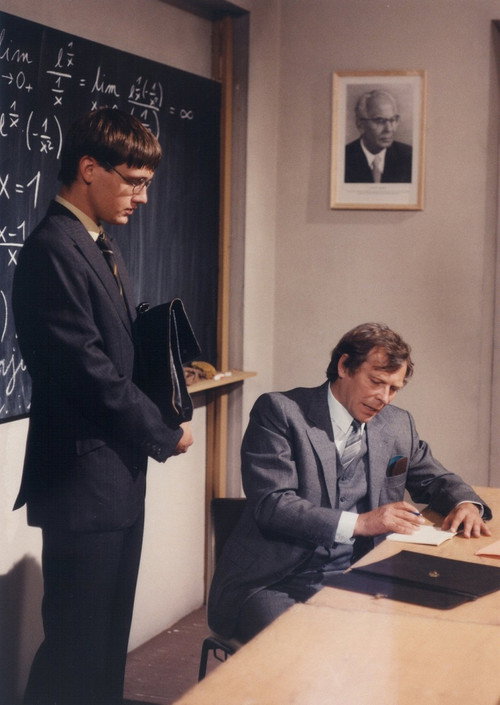
Sixth-grade pupil Katka daydreams during a math class about being Snow White and being freed by a prince who looks very much like Dzery from the eighth grade. Katka, her girl friends Lenka and Martina, and her fellow-pupils Franta, Joska and freckled Vrabcák, have spent five years going to the same little one-class school in their home mountain village of Pastvina. Their kind teacher Smetácek was very understanding about their games and fantasies, but he didn't teach them much about arithmetic. They are now laughed at for their ignorance by the strict Bidlo, their new teacher at the near-by little town. As he does every year, Smetácek is preparing a theatre performance with the local children. Katka suggests the fairytale about Snow White
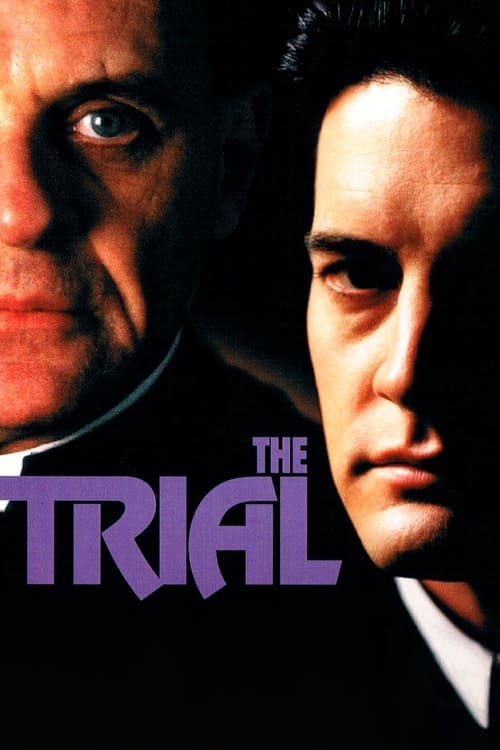
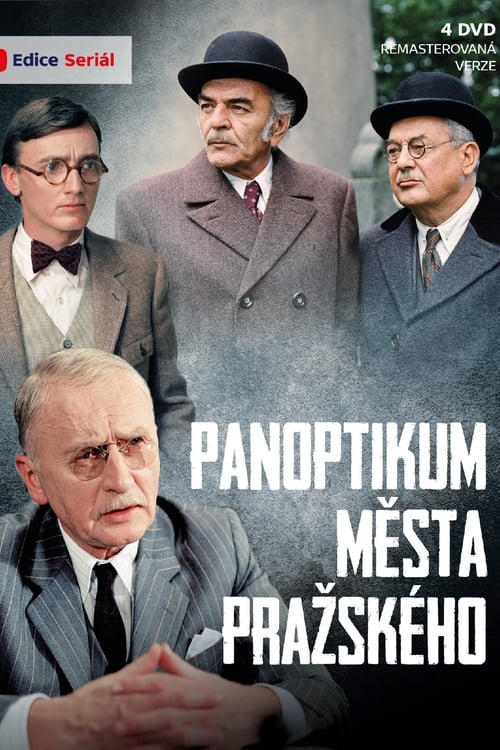
Joseph K. awakes one morning, to find two strange men in his room, telling him he has been arrested. Joseph is not told what he is charged with, and despite being "arrested," is allowed to remain free and go to work. But despite the strange nature of his arrest, Joseph soon learns that his trial, however odd, is very real, and tries desperately to spare himself from the court's judgement.
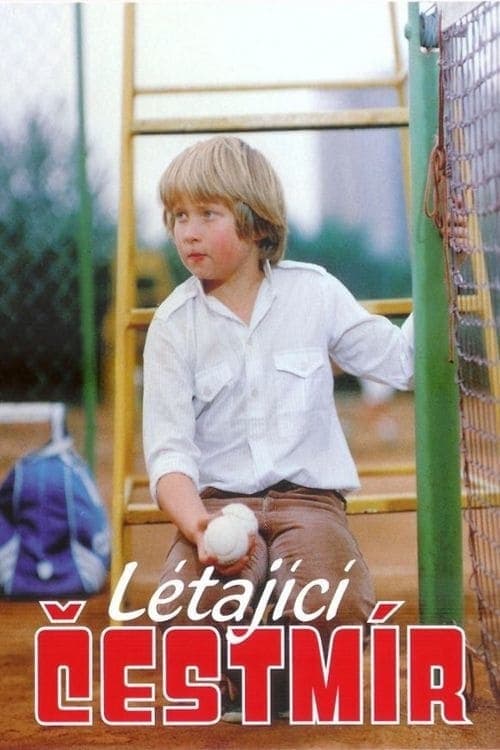
Young boy Cestmir finds a magic rock which allows him to bring the seeds of the flowers which allow flying from Blue Planet...
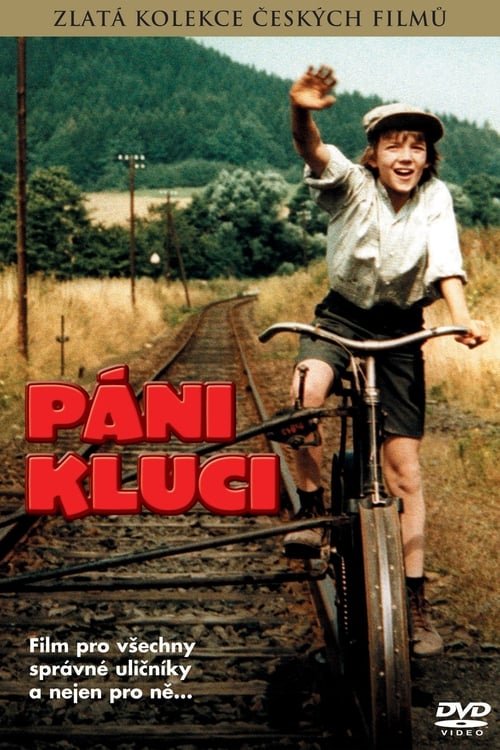
Three friends - Tomás, Hubert and Jozka - are boys growing up in a little town. Tomás lives with his aunt Apolena and uncle Václav. Tomás is a boy with lots of ideas that often end up getting him into trouble not only with his teachers and aunt, but with the other inhabitants of the town as well. He has a crush on his schoolmate Blanka and for her sake he decides to try to get the prize for the best pupil in the school.
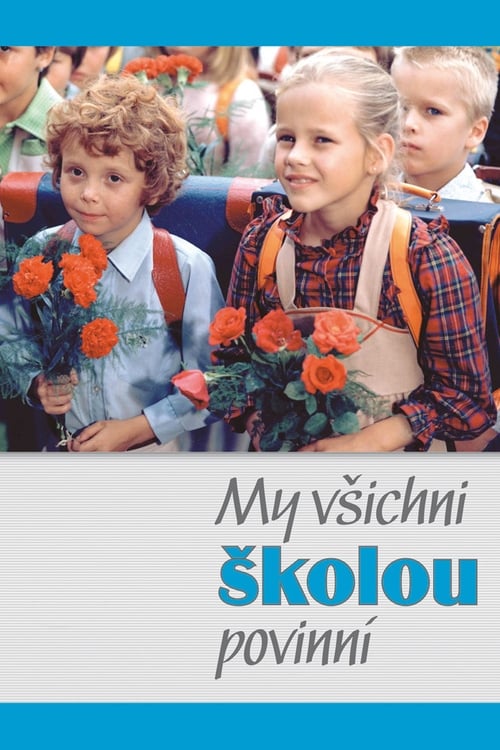
Stories from a daily life of children attending a regular school.
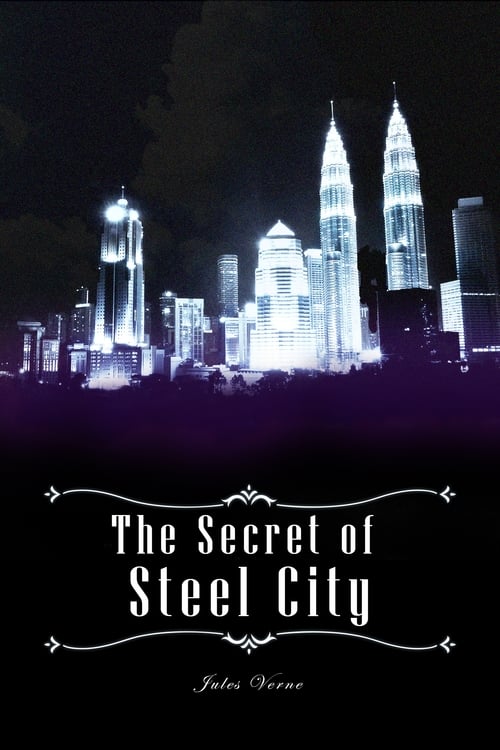
The film is a metaphor for the Cold War. It depicts two neighbouring nations: peace loving Fortuna and the not so peaceful land of the Steel City.