Acting
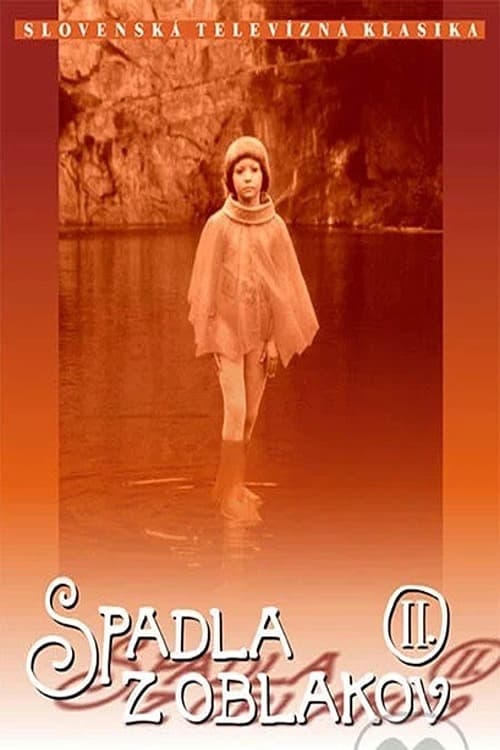
Sixth-grade pupil Katka daydreams during a math class about being Snow White and being freed by a prince who looks very much like Dzery from the eighth grade. Katka, her girl friends Lenka and Martina, and her fellow-pupils Franta, Joska and freckled Vrabcák, have spent five years going to the same little one-class school in their home mountain village of Pastvina. Their kind teacher Smetácek was very understanding about their games and fantasies, but he didn't teach them much about arithmetic. They are now laughed at for their ignorance by the strict Bidlo, their new teacher at the near-by little town. As he does every year, Smetácek is preparing a theatre performance with the local children. Katka suggests the fairytale about Snow White
No description available.
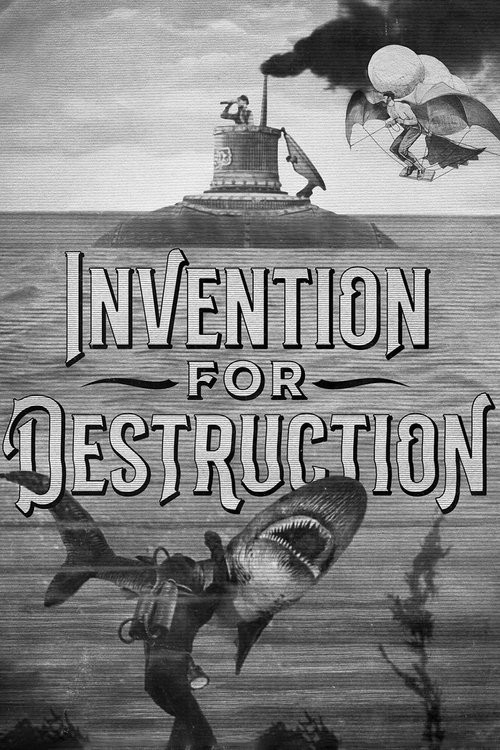
As the world progresses into the industrial age, a professor studying the "nature of pure matter" is spirited away by a would-be dictator and connived into building a super-bomb, as a young reporter and a girl rescued from the sea attempt to warn him of their mutual kidnapper's intentions to dominate the world with a new and more-deadly-yet weapon.
Spadla z oblakov is a Slovak language sci-fi TV series for children created in year 1978. The series became very popular in Czechoslovakia and several other countries. The series was based on 1967 child book Spadla z nebe by Václav Pavel Borovička, a Czech writer and screenwriter. The first, very successful edition was followed by several reprints, the last in year 2000. The TV series follows the book quite closely.
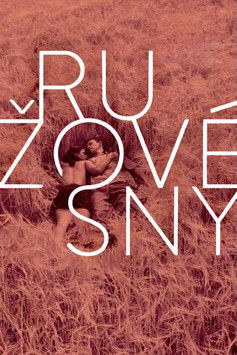
Jakub, a dreamer and budding magician, juggles between parcels and services rendered to the villagers. His eyes cross that of the beautiful gypsy Jolanka. Together, they will try to live a first and big love, despite the pressure of their respective communities.
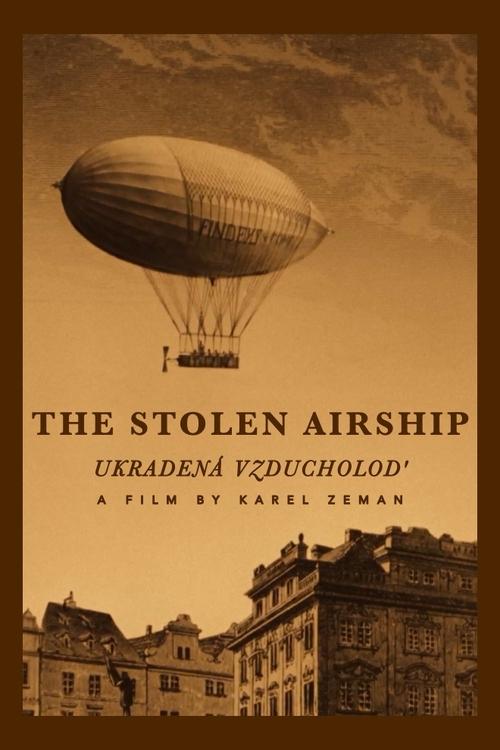
Five young people take off in a lighter-than-air machine at the Prague Centennial Exhibition. In an Art Nouveau style, the film consists of live action generally shot in black and white, as well as hand-drawn, stop-motion, and cutout animation. Various live-action and animated elements are often composited into the same scene.
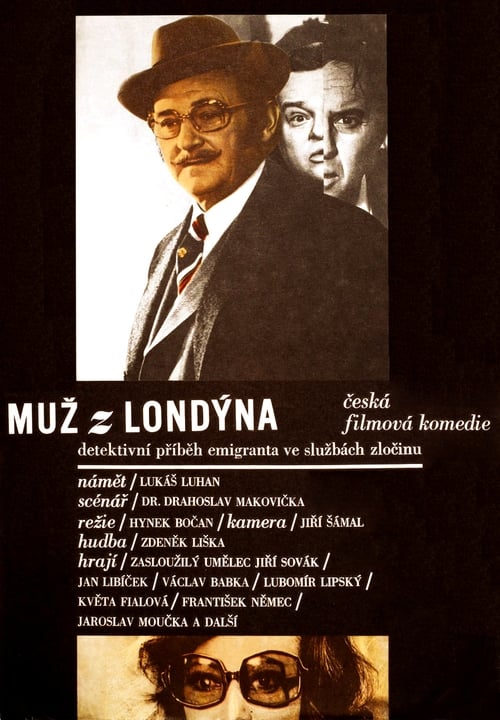
A British citizen by the name of George Reiner (Jirí Sovák) arrives at Prague airport. He was once a Czech safe-breaker, and has now returned home after thirty years to steal twenty-dollar gold coins still kept in the safe at a private villa in Pilsen whose owner fled to the West.
While old Oliva tells a group of children about his life as a sailor and how he met Diana and her cat with sunglasses, a strange circus arrives in town.
Eleven-year old Mísa has the temperament of a proper boy and endless problems with the grown-ups. It is no wonder that he longs to become an adult without further delay. Mísa keeps house together with his father and has various duties. After a failed attempt at dish-washing he goes off to the research institute where his father is working on an important invention. He is trying to produce a substance that would make poultry and other animals bigger and thus help the struggle against famine in the world, but so far he has only managed to produce a shrinking substance. After his father leaves the laboratory, Mísa mixes up different ingredients and makes the growth substance. He drinks it and instantly becomes an adult. His father, conversely, turns into a toddler after drinking the shrinking substance with his beer by mistake.
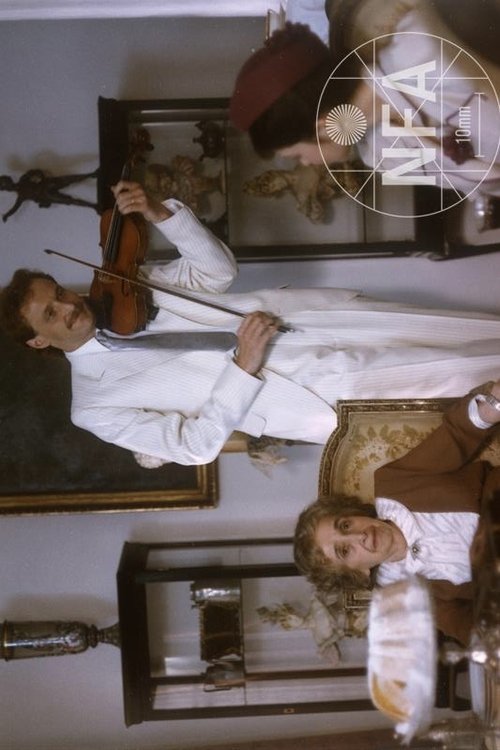
In May 1945, a broken violinist lies drunk by a creek, haunted by memories of his life before and during WWII. Once the celebrated first violin in spa orchestras, he married Jewish nurse Róza and dreamed of fatherhood, only to face brutal anti-Jewish persecution. Relegated to second violin, he spirals into alcoholism and betrayal, while Róza and their daughter are deported. Cast out by colleagues and lovers, he descends into madness, murdering a vagrant with his violin case. In a final psychotic haze, he tends a roadside Christ statue before collapsing, his shattered life a testament to love, loss, and atrocity.
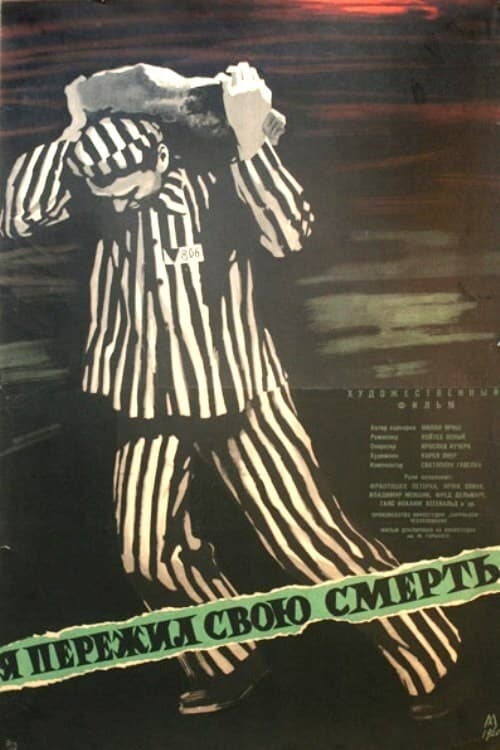
Telling the prisoners of a death camp. Boxer Tony Majer, who got into a concentration camp for a fight with the Gestapo, remembers the murderous work in quarries, on the cruel torture of the Nazis and prison solidarity that helped him survive.
The hero of the story is a forty-something intellectual, a sensitive composer of classical music. His exclusive profession, his work, which is actually incomprehensible to those around him, and his deep inner passion set him apart from the conformist milieu. Therefore, he tries to search for the "lark's silence" - a new strength, purity, truth, essence and roots of Czechism. However, on his return from the oppressive, alienated big city to his native village, to his former home, to nature, a deep disillusionment awaits him: he discovers that the once idyllic village has lost not only its face, but also any manifestation of spiritual life in its foolish attempt to resemble the city.