Cláudio Assis
Directing
Biography
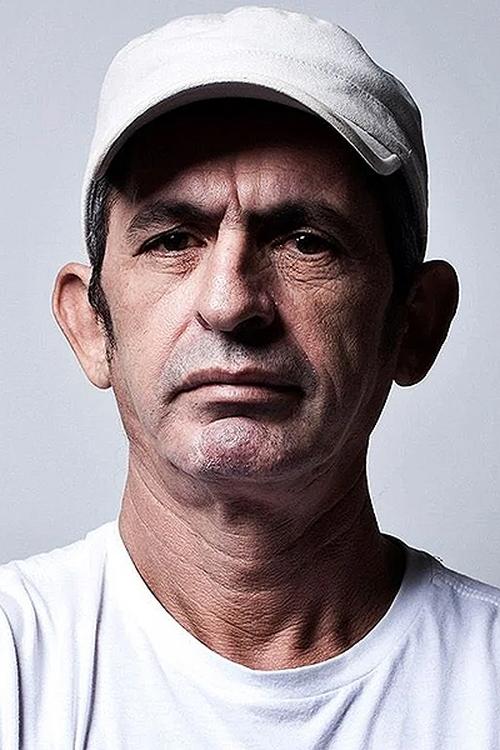
Cláudio Assis (Caruaru, December 19, 1959) is a Brazilian filmmaker. With a career that began with amateur shorts films shot on video, Assis eventually directed his debut feature film Amarelo Manga in 2002, which gained widespread national recognition. He has since directed other feature films and television series.
Known For

Seventy critics and filmmakers discuss cinema around the conflict between the artist and the observer, the creator and the critic. Between 1998 and 2007, Kléber Mendonça Filho recorded testimonies about this relationship in Brazil, the United States and Europe, based on his experience as a critic.
Critic

A man falls in love with a teenage girl, who is exploited by her own grandfather, who sometimes takes her to a gas station to show her naked to whomever pays him some money.
Bog of Beasts

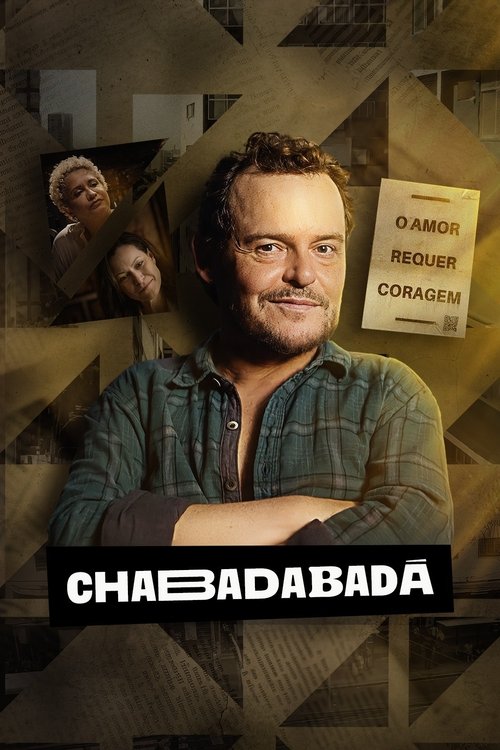
The original Canal Brasil series is based on chronicles by writer Xico Sá. The focus is on modern relationships, taking as a starting point the love misadventures of journalist Quincas.
Chabadabadá

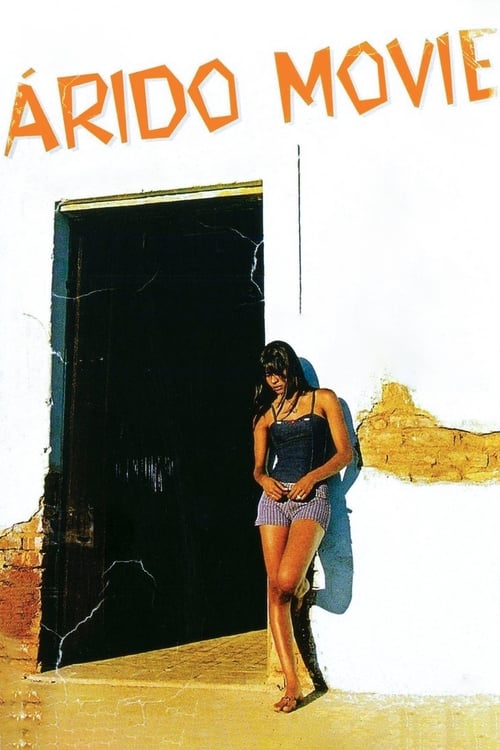
Weatherman from a TV network goes back to his hometown, Vale da Rocha, a place in Northeast Brazil, devastated by the drought. He is forced to face the geographic elements and his own memories.
Dry Movie

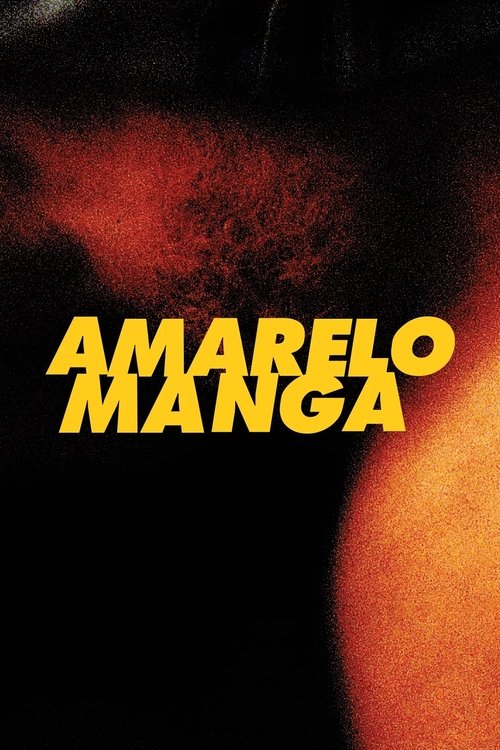
The lives of a macho butcher, his wife, a lonely waitress, a sadist and a flophouse manager intersect in Recife, Brazil.
Mango Yellow

Zizo, a radical and anarchist poet living in a marginal quarter of Recife in the north eastern state of Pernambuco, distributes his social angst-filled thoughts through a publication named Febre do Rato, and spews poetry to anyone who’d listen. Our character always revolves within the universe that he has created around himself. A very particular world, in which satisfying the unfortunate is a mixture of a kind of benefit with high dose of malice.
Rat Fever

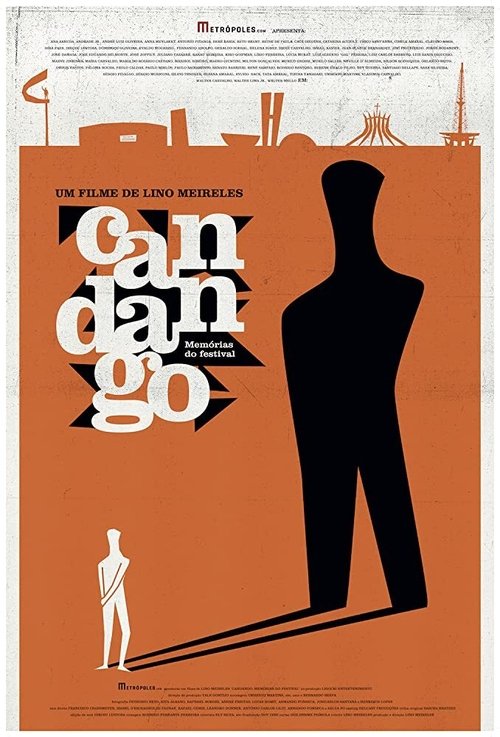
In 1965, a year after the military coup in Brazil, an oasis of freedom opened in the country's capital. The Brasília Film Festival: a landmark of cultural and political resistance. Its story is that of Brazilian cinema itself.
Candango: Memoirs from a Festival

Antônio Martins, respected theatrical critic, is a very rational man. But a chance meeting with young Inês, a nude painting model, is going to rock him. Inês keeps a relationship with painter José Torres Campana, an older man with a deep influence over her. Antônio gets jealous, and the three become characters of a drama saturated with desire and danger.
Delicate Crime

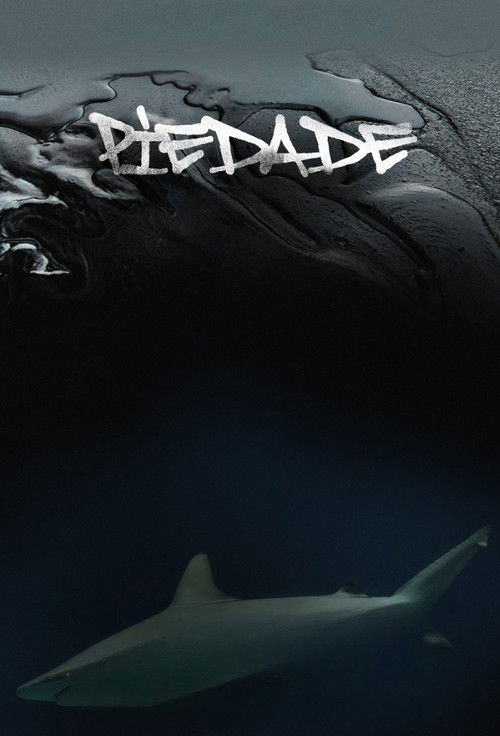
The quiet life of the small town Piedade's inhabitants is shaken up by the arrival of a big oil company, which barges in taking over houses and local businesses, throwing everyone out, to better reach and use the area's natural resources.
Mercy

No description available.
Cachaça

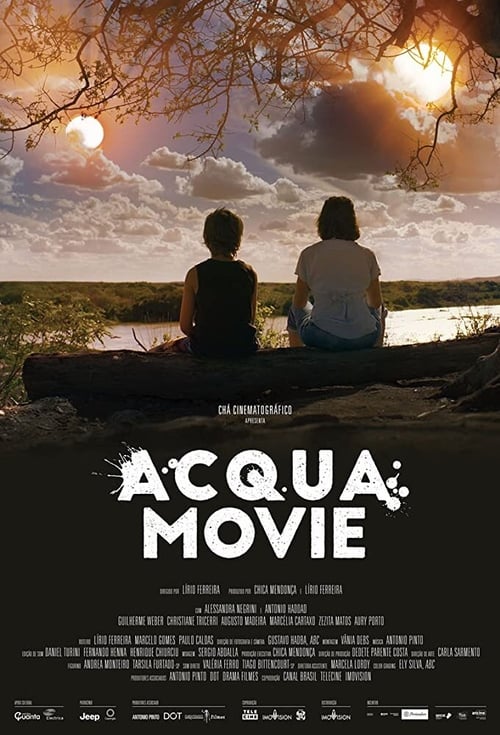
A documentarist is convinced by her son to travel to Brazil's Northeast so she can throw his dad ashes at São Francisco river.
Acqua Movie

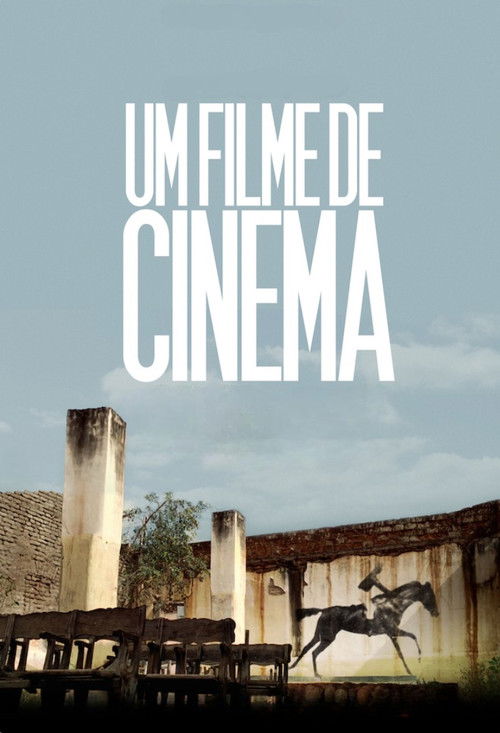
An abandoned tumbledown theater in the outback of Paraíba state is the initial setting of a film about cinema, which explores the testimonials of the novelist and playwright Ariano Suassuna and other filmmakers such as Ruy Guerra, Julio Bressane, Ken Loach, Andrzej Wajda, Karim Ainouz, José Padilha, Hector Babenco, Vilmos Zsigmond, Béla Tarr, Gus Van Sant and Jia Zhangke. They all respond to two basic questions: why do they make movies and why do they serve the seventh art. The filmmakers share their thoughts about time, narrative, rhythm, light, movement, the meaning of tragedy, the audience‘s desires and the boundaries with other forms of art.
About Cinema

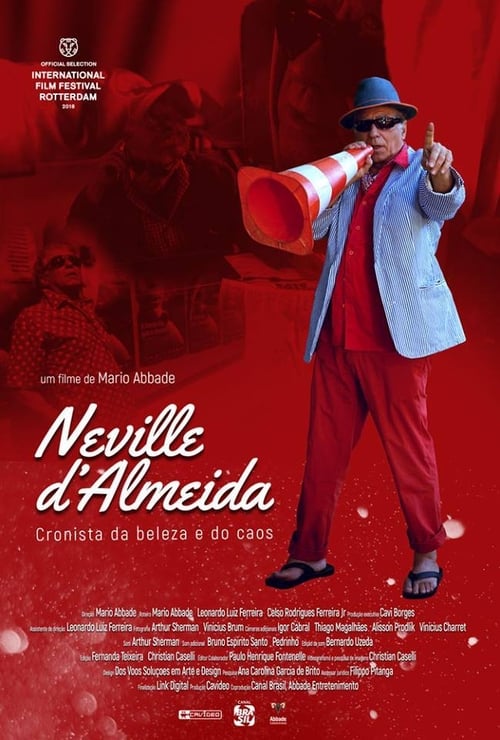
This film seeks to rescue the role of filmmaker Neville D'Almeida by using many rare images, numerous interviews, vast archival and audiovisual material.
Neville D'Almeida: Chronicler of Beauty and Chaos

The boy Francisco spent his days accompanying his father at work, or rather, on the roads. The man is a driver of the imposing Big Jet, a pickup truck used to clean the city's cesspools without basic sanitation. But the boy is more interested in the ideas of his uncle, a libertarian and anarchist artist. As he discovers his first love, Chico realizes the vocation to become a poet.
Big Jet

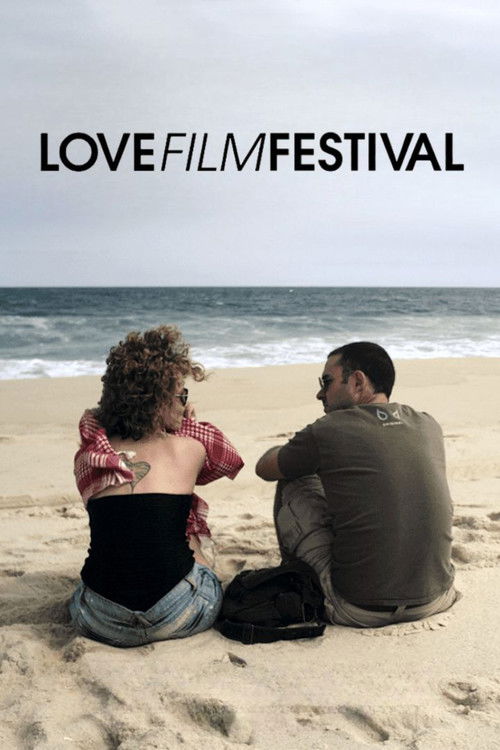
Filmed over six years in four countries: Portugal, Brazil, Colombia and United States, this romantic drama tells the story of Luzia, a Brazilian screenwriter, and Adrian, a Colombian actor, that fall in love during a film festival in 2009 and will live a fragmented love story while competing in different film festivals around the world.
Love Film Festival

It portrays the work of Carlos Filho, Cafi, a photographer from Recife, who for more than 40 years has dedicated himself to recording a large part of the events of dance, theater and Brazilian popular music. Recordings, concerts, tours and rehearsals by important artists passed through Cafi's lens.
Cafi

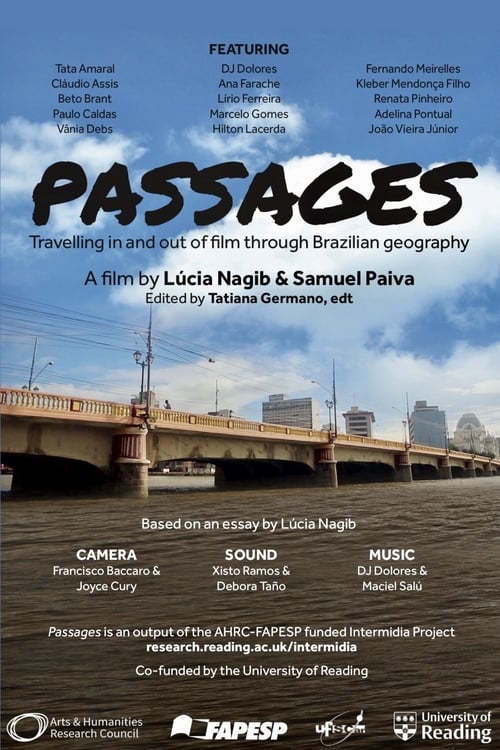
Passages showcases Brazilian films in which the utilisation of artforms and media such as literature, painting, theatre, music, photography, radio and television, functions as a 'passage' to political and social reality.
Passages: Travelling In and Out of Film Through Brazilian Geography

No description available.
Conceição

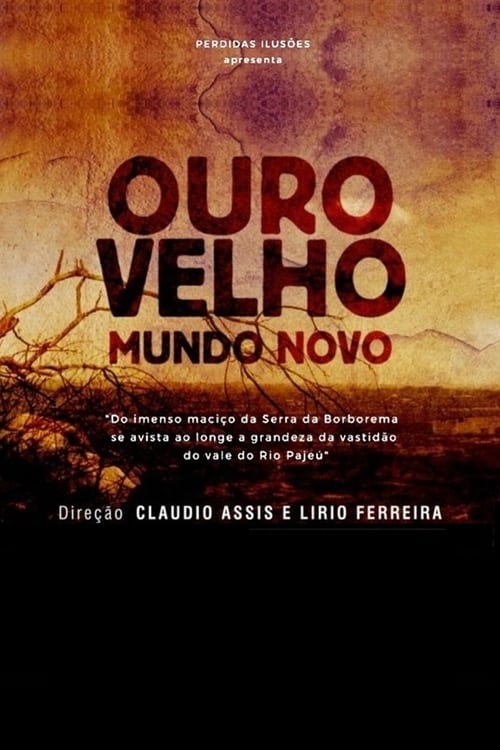
Filmmakers Cláudio Assis and Lírio Ferreira go on a journey through the frontier between the states of Pernambuco and Paraíba, Brazil, to show the importance poetry holds in local culture.
Ouro Velho, Mundo Novo

The cultural differences between the several generations of the rural maracatu: an afro-indigenous ritual which originated in the sugar mills of the state of Pernambuco.