FEEL IT.STREAM
Štefan Uher

Štefan Uher

Directing

Biography

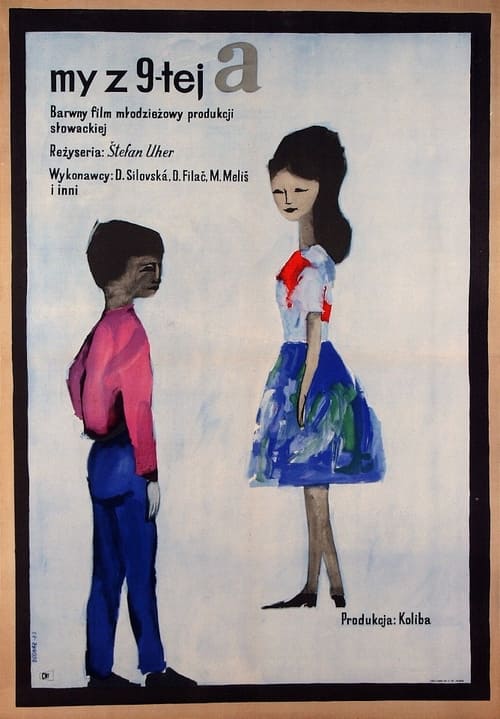
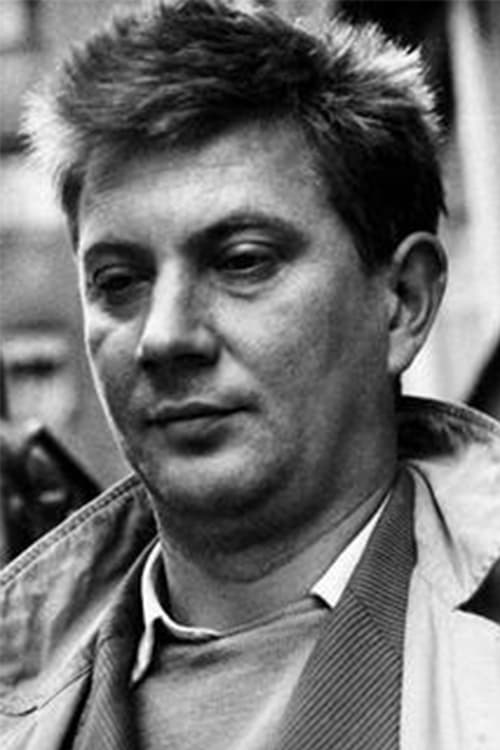
Štefan Uher (4 July 1930 – 29 March 1993) was a Slovak film director, one of the members of the Czechoslovak New Wave. He was born in Prievidza on 4 June 1930. He graduated from the FAMU in Prague in 1955. Among his fellow students were future directors Martin Hollý Jr. and Peter Solan. All three began to work at the Koliba film studios (then called the Feature Film Studio and the Short Film Studio) in Bratislava after graduation. Uher first worked in the short film division. The first movie he directed was My z deviatej A about the life of a group of 15-year-old students and their school. His second feature was The Sun in a Net. His next two movies The Organ (1964), and Three Daughters (1967) were based on screenplay by Alfonz Bednár. He worked with a composer Ilja Zeljenka on 8 of his movies. Uher's last film She Grazed Horses on Concrete (1982) has remained one of Slovakia's most popular domestic productions through the 2000s. The film was entered into the 13th Moscow International Film Festival where it won the Silver Prize.
Known For

No image
N/A

Television series Golden Sixties examines new insights into Czech and Slovak cinema of the 1960s and the role of the Czechoslovak New Wave. Each episode focuses on a different filmmaker.

Golden Sixties

2009
No image
9.0

No description available.

Moje kone vrané

1980
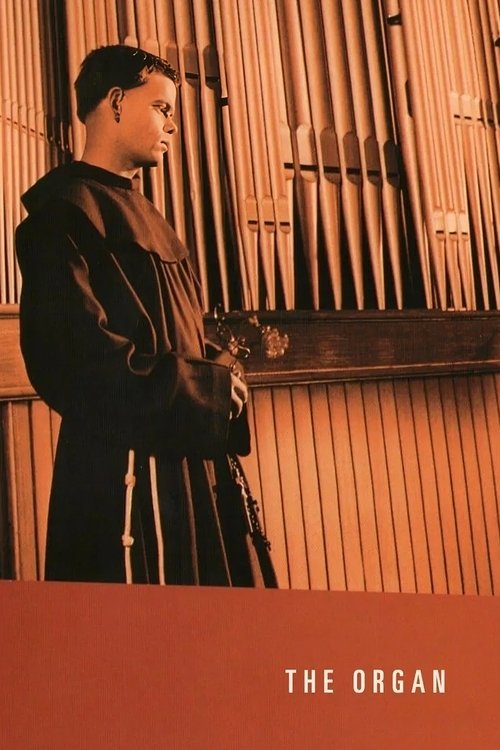
The Organ
5.9

A young Polish deserter and gifted organist finds shelter from the fascists in a Slovak Franciscan monastery. He find himself in conflict with the local organist and choir leader, a man limited in his world views and spiritual values.

The Organ

1965
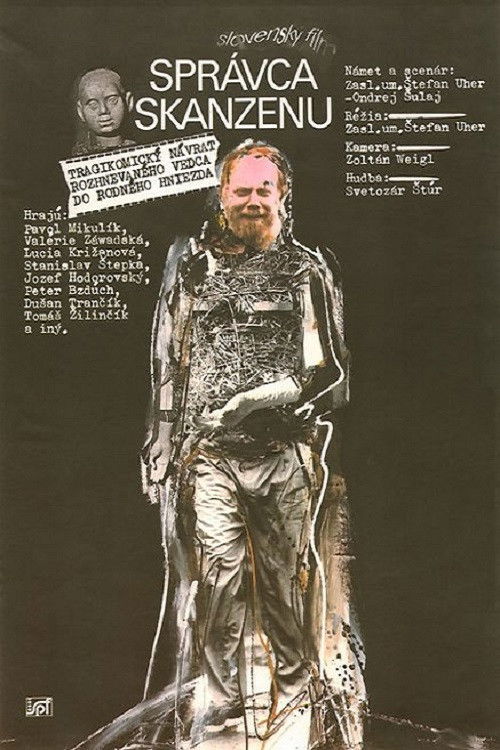
The Curator of Outdoor Museum
9.0

The story of a man who decides to leave his job and good position to return to his native region and become the administrator of an open-air museum. This step is primarily his personal rebellion against the abuse of his scientific work. It is only a personal confession in a conversation with his teenage daughter that brings him moral cleansing and a return to his lost psychological balance. The final film by Slovak director Stefan Uher.

The Curator of Outdoor Museum

1989
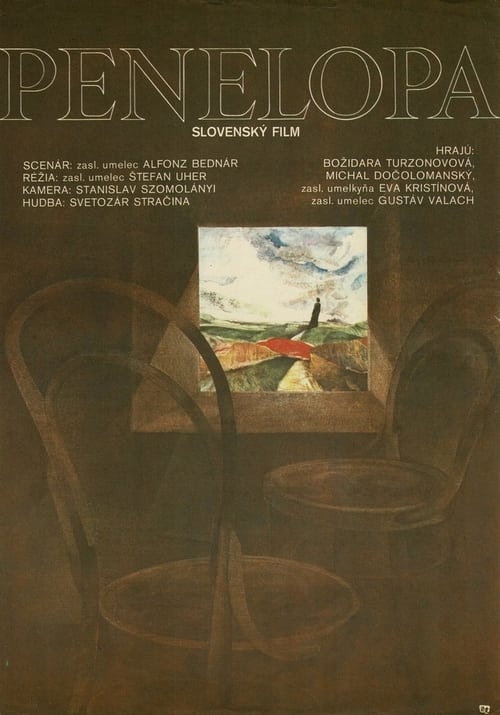
Penelopa
8.0

An emancipated restorer restores rare castle frescoes in an ancient village with figures of ancient heroines - and one of them, Penelope, resembles an old woman who has been waiting for the return of her husband and son for forty years, who have supposedly gone to work in America.

Penelopa

1978
Miraculous Virgin
5.4

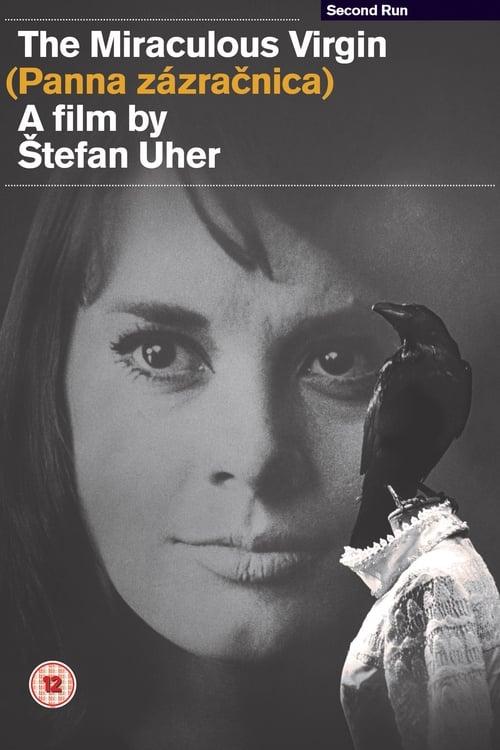
A film adaptation of the novelette of the same title written by Dominik Tatarka depicts the life of a young generation of artists that was formed in Slovakia during the war. Anabella, a young and beautiful girl meets a group of artists. She awakens their erotic desires but also pure feelings of love; she becomes the object of their secret fantasies as well as their artistic inspiration. And it seems that the boundaries between reality and fantasy suddenly cease to exist.

Miraculous Virgin

1967
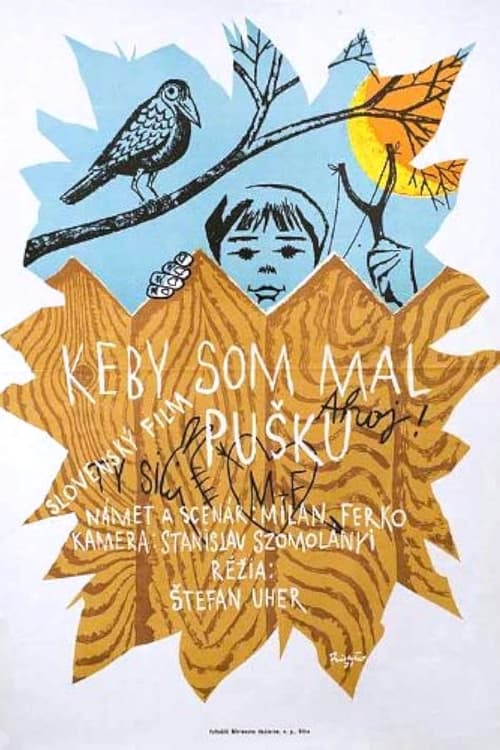
If I Had a Gun
7.5

Vlado, an intelligent boy living in a small village, has fantasies that take him away from his humdrum life. But as the Nazi occupation begins to encroach on the townsfolk his fantasies and reality begin to merge.

If I Had a Gun

1971
The Sun in a Net
7.3

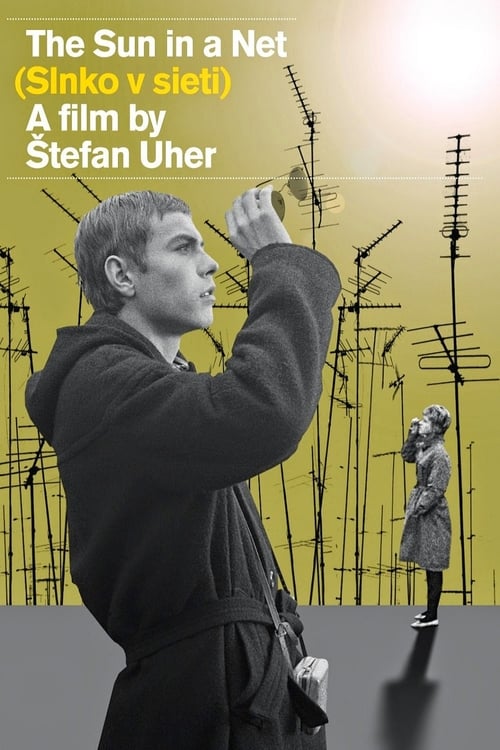
Oldrich "Fajolo" Fajták (Marián Bielik), a student who directs quasi-existentialist verbal abuse at his girlfriend Bela Blazejová (Jana Beláková), takes off to a formally volunteer summer work camp at a farm where he meets her grandfather.

The Sun in a Net

1963
Three Daughters
7.7

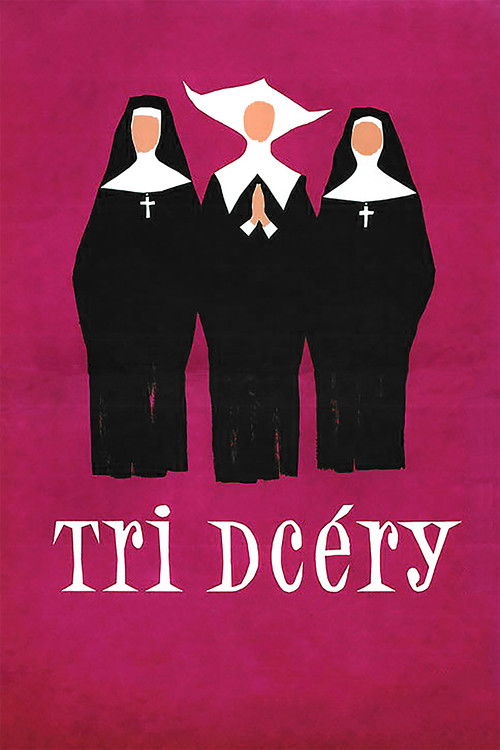
A classical ballad motif about an aging father and his three daughters is quite unusually here set against the backdrop of Czechoslovakia of the 1950s. After having been expropriated, the former landowner Majda seeks refuge with his three daughters whom he had sent to a convent a long time ago. But only the youngest one is able to forgive him and she is willing to take care of him despite the threat of expulsion from the order.

Three Daughters

1968
No image
7.7

Old farmer Martin Hudec summons his three estranged sons back to their native village to mow a family meadow. As they spend days together, old pains and personality clashes surface…

Kosenie Jastrabej lúky

1982
No image
9.0

Slovakian villagers towards the end of WW II are despairing as German troops fall back to their village.

Big Night and Big Day

1975
Maple and Juliana
7.0

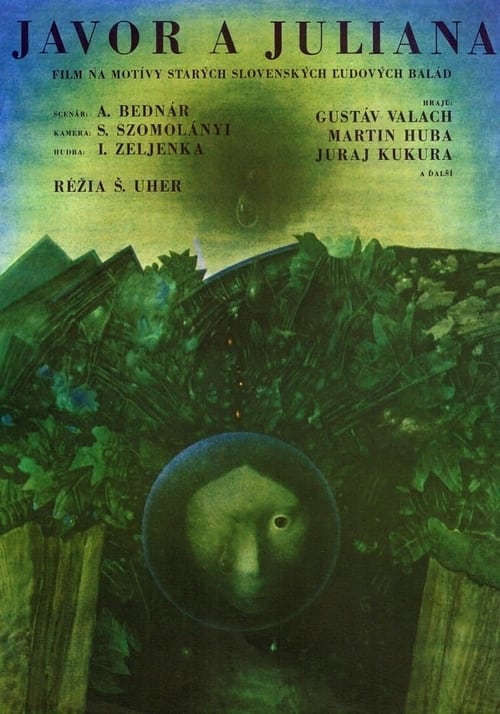
A girl is transformed into a maple tree by her impulsive and angry mother. Three poor wandering musicians come by the tree and create instruments from it. Walking around the country instead of happiness they bring death everywhere with their cursed instruments. However they cannot get rid of them, unless they bury the wooden instruments at the place of the tree. The three are anything but harmonious, each taking in their disputes various stances.

Maple and Juliana

1973
She Kept Asking for the Moon
6.9

Johanka had a fling with a well digger she had not met before and who, she was most likely certain, would never be around again. Just before his departure, they have sex and she eventually becomes single mother of a baby girl. Now, 18 years later, her daughter Paulina commutes by bus to work in the nearby city, which gives the village gossips the occasional opportunity to remind her of her unknown father. A resultant conflict with her mother makes Paulina take up residence in the city. Johanka, prodded by her also-single friend Jozefka who maintains that a woman without a man is nothing, begins to woo the new teacher Jarek only to discover later that he is married. Paulina, in the meantime, loses her virginity to the soldier Jirka who promptly makes himself scarce. Johanka fails to consider that she actually has a better life than some of her married neighbors, begins to see.

She Kept Asking for the Moon

1983
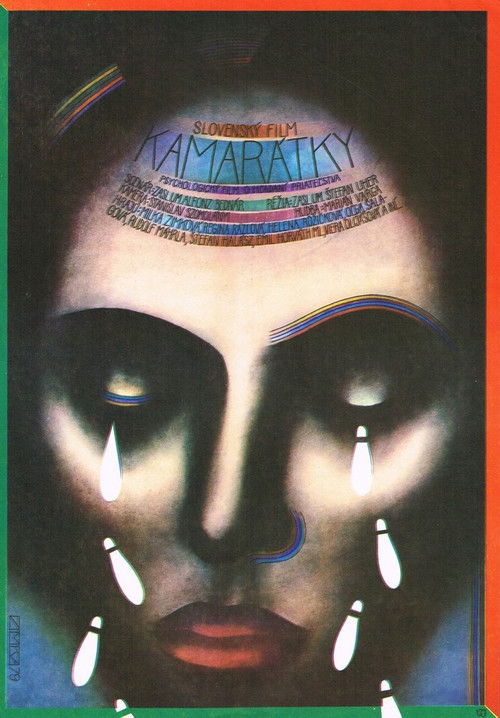
Kamarátky
10.0

A psychological film about a young woman, mother of two, who is abandoned by her husband for her lover. The woman desperately seeks understanding and help from her two best friends. But they have neither the will nor the time to share her problems.

Kamarátky

1979
The Genius
10.0

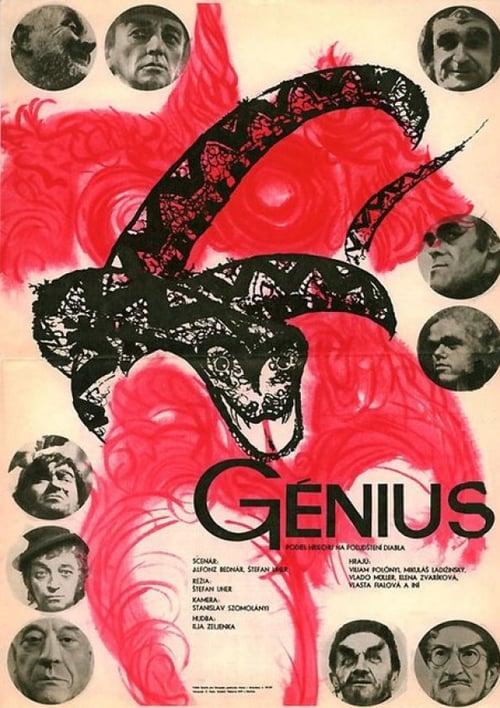
A metaphorical story about the conflict of human reason and ideals with the dehumanizing mechanism of social institutions. A satire criticizing the negative relations between people, condemning the evils of human characters and the resulting qualities - pride, envy, malicious gloating, hatred and mammonism.

The Genius

1969
No image
9.5

A sensitive and modest girl gets married and lives with her family in the mountains. After her husband leaves for the army, she finds herself isolated by her family and her surroundings. The father-in-law perceives the bride's sadness and tries to establish a more cordial relationship with the lonely girl. This, however, gives rise to speculation about the bride's moral failure. She cannot bear the shame of suspicion and throws herself under the wheels of the locomotive. The blame for the death of a frail, honest man lies with those who acted on unverified assumptions of passion and suspicion.

Studené podnebie

1975
No image
7.0

No description available.

Once upon a time there was friendship

1958
If I Had a Girl
6.5

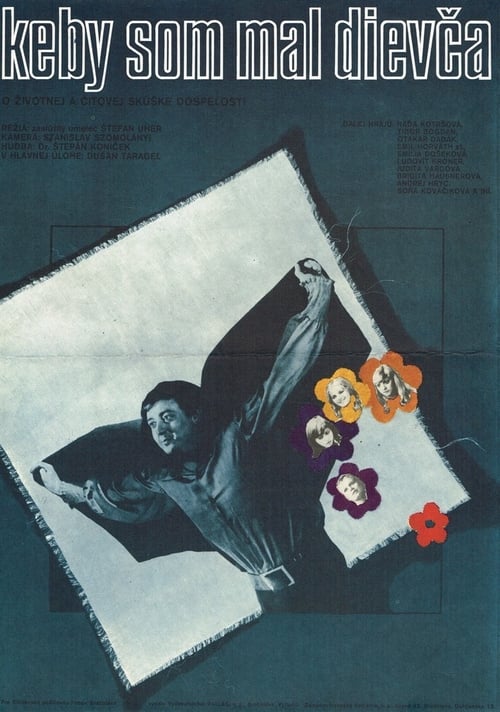
Vlado has just passed his high school diploma and is starting a job as a home tutor in the family of a big businessman. He finds himself in a very difficult turning point in 1947-48. He does not understand much of what is happening around him. He constantly experiences emotional confusion, comes into conflict with his conscience and finally has to decide between love and reason...

If I Had a Girl

1976
Dolina
7.0

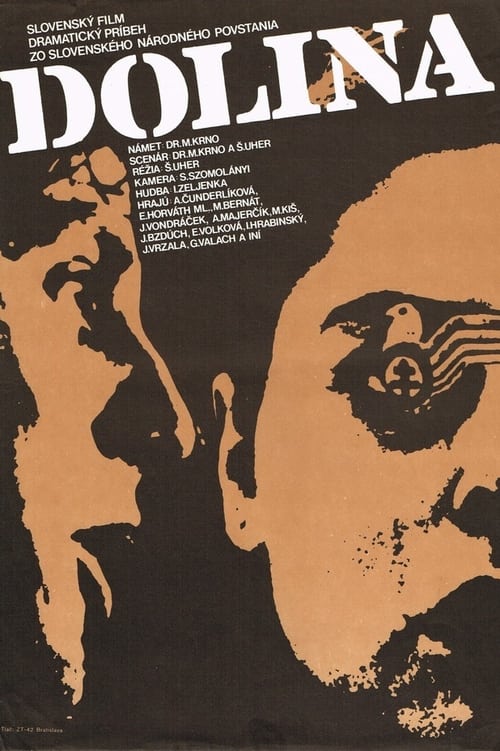
A dramatic story of the emotional, moral and political maturation of two young people during the Slovak National Uprising.

Dolina

1973
Great Times
4.8

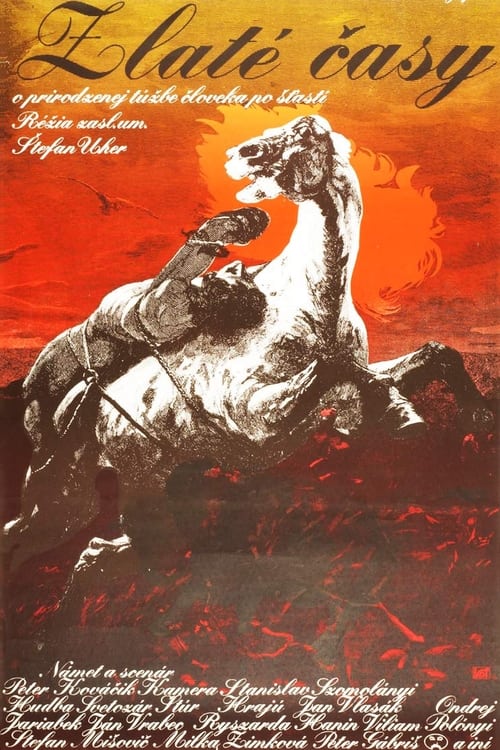
The drama of the last days of the second world war through the eyes of children in rural areas.

Great Times

1979