FEEL IT.STREAM
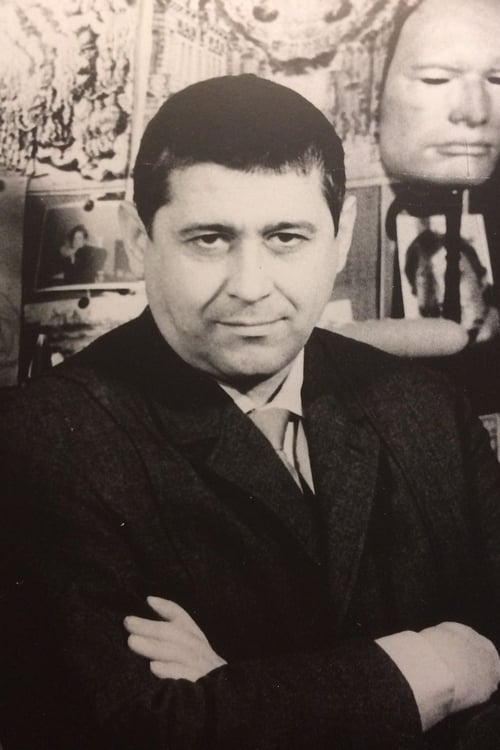
Jiří Brdečka

Jiří Brdečka

Writing

Biography

Jiří Brdečka (24 December 1917 – 2 June 1982) was a Czech writer, artist, and film director. Brdečka was born in Hranice (then in Austria-Hungary) to a literary family, as his father, Otakar Brdečka (1881 – 1930), was a writer under the pseudonym Alfa. Brdečka studied philosophy and aesthetics at Charles University in Prague until the German occupation of Czechoslovakia forced the closing of the school in 1939. He then became an administrative clerk at the Prague Municipal Museum and found occasional work as a newspaper journalist and cartoonist. He worked as a press agent for the studio Lucernafilm from summer 1941 to the end of 1942. In 1943 Brdečka took a job as an animator, and by 1949 he was working as a film director and screenwriter at Barrandov Studios. He began directing animated films on his own in 1958. In addition to his film work he also worked as a journalist, a film critic and a novelist. Brdečka's work is marked by its droll intellectual humor, often featuring an extensive use of hyperbole, satire, and literary illusions.
Known For

The Fabulous World of Jules Verne
7.2

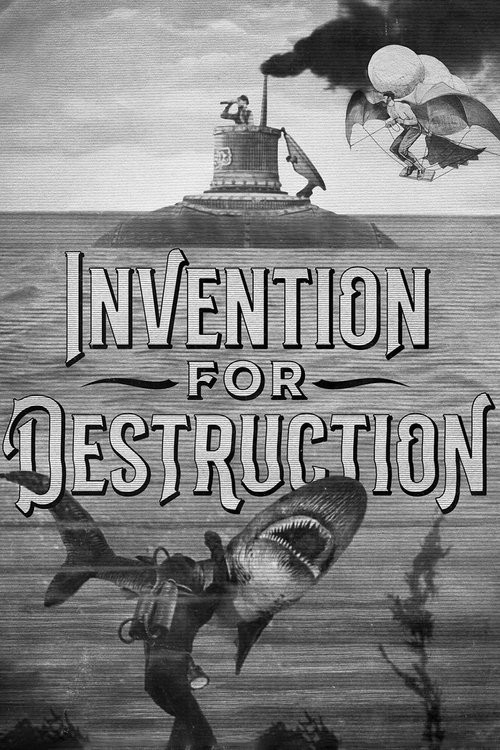
As the world progresses into the industrial age, a professor studying the "nature of pure matter" is spirited away by a would-be dictator and connived into building a super-bomb, as a young reporter and a girl rescued from the sea attempt to warn him of their mutual kidnapper's intentions to dominate the world with a new and more-deadly-yet weapon.

The Fabulous World of Jules Verne

1958
The Fabulous Baron Munchausen
7.4

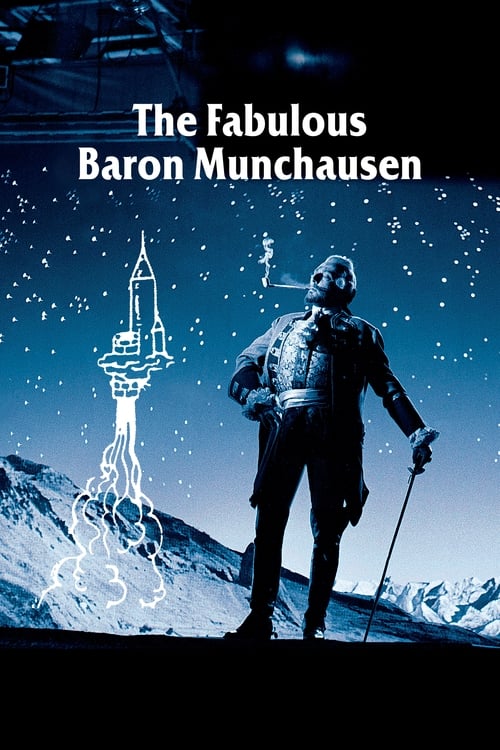
A 20th century man lands on the Moon and discovers that Baron Munchausen has beaten him to it, accompanied by Cyrano de Bergerac and the characters from Jules Verne's novels about the conquest of the satellite.

The Fabulous Baron Munchausen

1962
An Easy Life
5.0

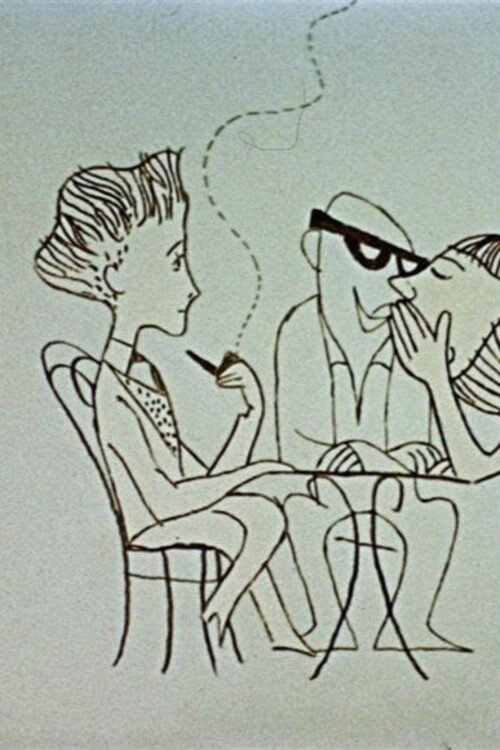
Depiction of Czech students in the 1950s. The kids are less interested in communism than in rock n’ roll. Czech authorities deemed the work decadent and subversive, which led to the director being kicked out of film school.

An Easy Life

1957
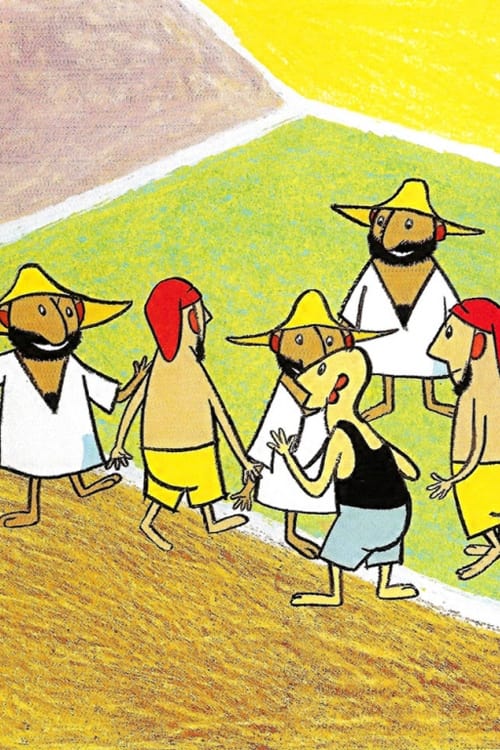
The Three Veterans
7.8

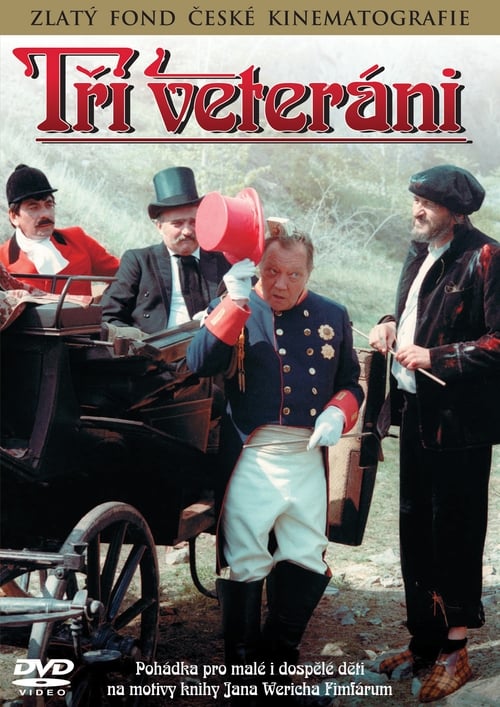
It is a story of three veterans released from the army. During one night spent camping in the country they one by one wake up and meet three elvish brothers. Each of the veterans is given a magic item - one gets magic harp that provides him with servants by wish, other one endless pouch of gold and the last one owns magic hat that can create all the staff excluding money and people.

The Three Veterans

1984
Adela Has Not Had Supper Yet
7.5

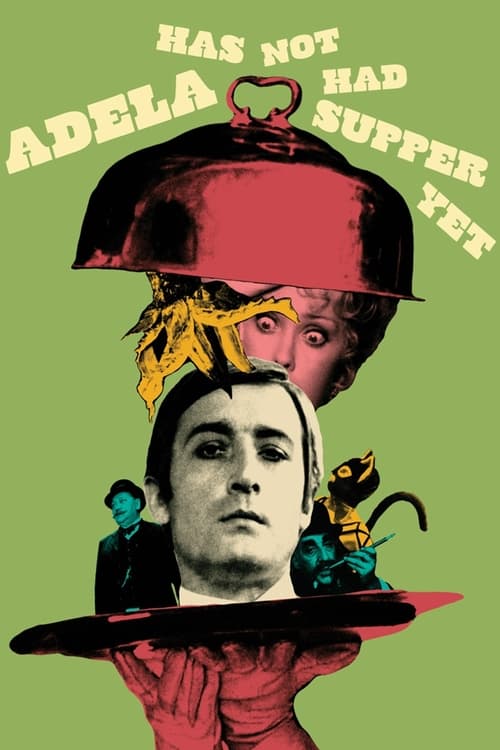
When famous detective Nick Carter visits Prague, he becomes involved in strange case of a missing dog and even stranger carnivorous plant. He becomes convinced that he is standing against his greatest enemy, the Gardener, who supposedly died years ago in a swamp...

Adela Has Not Had Supper Yet

1978
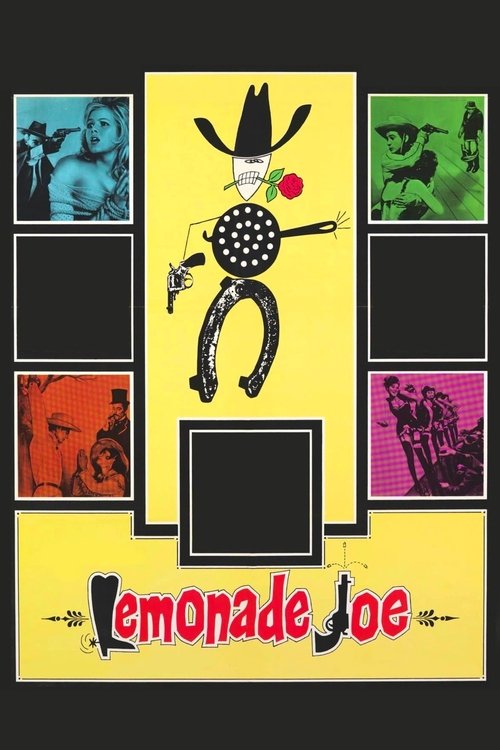
Lemonade Joe
7.1

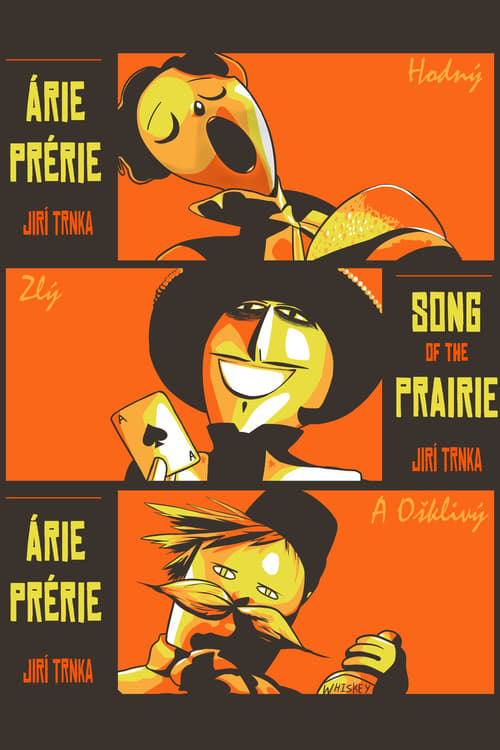
A satire of the Great American Way, with Lemonade Joe a "clean living" gunfighter who drinks only Kola-Loca Lemonade and convinces everyone else in town (with his gun skills) that all "real men" drink ONLY lemonade!

Lemonade Joe

1964
The Emperor's Nightingale
5.6

Adaptation of a fairy tale by Hans Christian Andersen, about an emperor who prefers the tinkling of a bejeweled mechanical bird to the song of a real nightingale. When the Emperor is near death, the nightingale's song restores his health.

The Emperor's Nightingale

1949
When the Cat Comes
6.9

While old Oliva tells a group of children about his life as a sailor and how he met Diana and her cat with sunglasses, a strange circus arrives in town.

When the Cat Comes

1963
The Mysterious Castle in the Carpathians
6.0

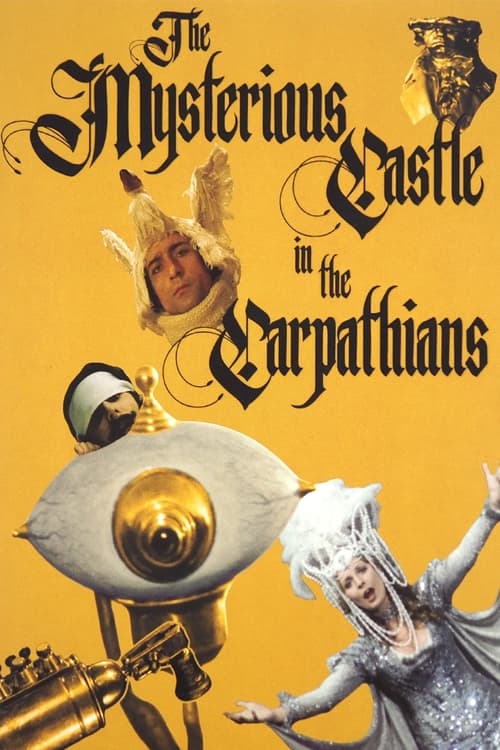
In 1897, in a castle near the town of Werewolfville in the Carpithians, a slightly deranged Professor Orfanik experiments with his new inventions which include, even at this early date, television and a film camera. He is also an obsessed opera fan, keeps the body of his favorite diva preserved in a crypt in the castle. In order to keep away nosy visitors, the baron's mad-scientist assistant invents all sorts of spooky phenomena in order to give the castle a creepy reputation.

The Mysterious Castle in the Carpathians

1981
Once Upon a Time, There Was a King...
8.0

A selfish self-centered widowed ruler, barely tolerated by his subjects and called appropriately enough, 'King Myself, First' asks his three daughters to name the measure of their love for him. When one of them says, "more than salt", he banishes her from the kingdom. Not understanding what she meant the King assumes love can only be measured by precious metals or one's own talent, the 'correct' answers from his other two daughters. The arrogance of the King leads him to gather all the salt in the kingdom and destroy it. Of course, this backfires as he slowly learns the universal value of the substance, and of course, the essence of his daughter's reply. With the help of the wise and magical old 'herb woman', the King also learns what it means to be a true and wise ruler.

Once Upon a Time, There Was a King...

1955
Prince and the Evening Star
6.0

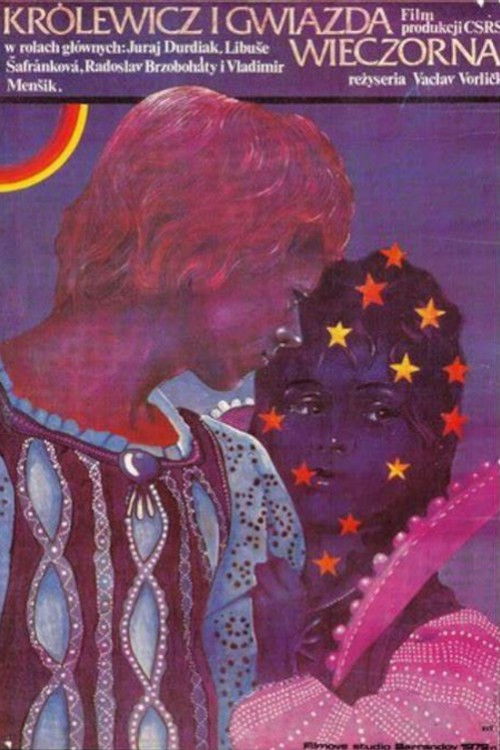
A wonderful fairytale about looking for love, defeating evil and learning some valuable moral lessons on the way. The story begins with the young Prince Velen, who is left in charge of the castle and his three sisters. During the night he has a visitation and before he knows it, all his sisters are married off and gone away, and himself falls in love with beautiful Večernice. Now he is faced with the King's wraths and charged with a quest. The journey, however, hides obstacles and danger; not only treacherous merchants and robbers, but also a evil wizard Mrakomor...

Prince and the Evening Star

1979
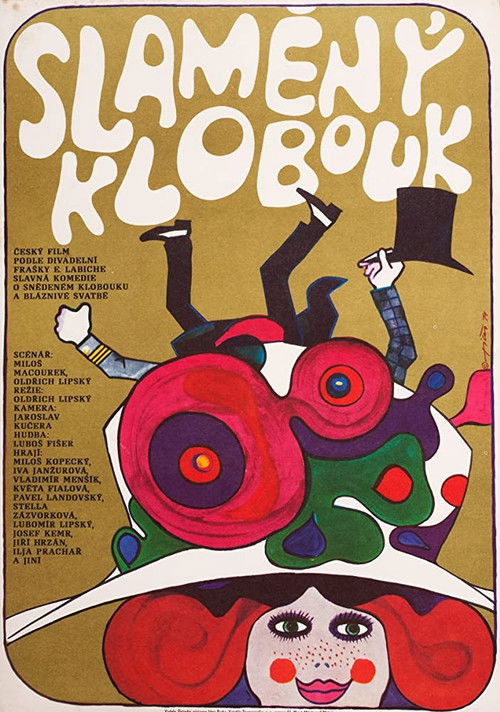
Straw Hat
5.6

Slacker Maurice Fadinar wasted his whole inheritance and the only way out of this situation, as it seems, to marry Helen Nonankur - daughter of a wealthy farmer. At the last meeting with his mistress in a nearby forest Fadinar's horse eats straw hat which belongs to a married lady, spending time in the company of young and hot Lieutenant Emil. Emil literally puts a knife to Maurice throat - or the lady will get back the exact same hat immediately, or he will arrange such a scandal that no wedding will not happen ...

Straw Hat

1972
Prague Nights
5.8

A stuffy middle-aged foreigner, a businessman named Fabricius, lonely and looking for a night's diversion, finds it in the form of a mysterious blonde. In an abandoned cemetery, she tells him three tales involving black magic and erotic obsession. In "The Last Golem," a young rabbi struggles to fashion a massive, silent giant out of living clay — until he's distracted by a mute servant girl. In the second episode, "Bread Slippers," an 18th-century countess indulges her passion for sweet cakes, adulterous affairs, and secret kisses with pretty maids until a mysterious visitor whisks her away to an abandoned mansion, where Fate has a different kind of dance in store for her. And in the final story, "Poisoned Poisoner," a ravishing murderess in the Middle Ages dispatches lecherous merchants to the tune of upbeat '60s Czech pop songs.

Prague Nights

1969
Ceiling
5.6

The young Marta has made a break in her medical education to fully invest in her career as a model. We follow her for a day in her life, almost completely without hearing her voice. It is seldom that Marta gets the space to speak, instead she is mostly subject to the voice of others.

Ceiling

1962
The Emperor and the Golem
7.0

The Emperor's mismanagement of his country is provoking some in his court to plot to overthrow him. He feels successful, at least, when he discovers the legendary Golem, which he believes can protect him and even cure his imaginary illnesses but, when he disappears while on a bender, his kindly baker, who looks just like him, is mistaken for him, and begins to put things in order. However, the conspirators, not to be outdone, determine to bring the Golem back to life to do their bidding.

The Emperor and the Golem

1952
No image
4.0

Oldřich Nový was and will forever remain the embodiment of charm, elegance and personal charm for Czech cinema, to which all women, regardless of age, were subject. In his unforgettable lover roles, he was not only a romantic who was able to fall in love with a girl from an ancient painting, succumb to the chocolate-brown eyes of the minister's girlfriend, but also a seducer for whom infidelity was a regularly practiced sport, or, conversely, a newlywed obsessed with jealousy. This was exactly Viktorin, the main character of a crazy Art Nouveau comedy, where everything revolves around a massive deer antler. Its involuntary owner becomes the jealous Viktorin, and it is certainly not difficult to guess what such a "right" gift can cause.

Parohy

1947
The Stolen Battle
6.6

In 1757, the second year of the Seven Years' War, Frederick II the Great stands at the gates of Prague. He has been trying to take the city for weeks, as the enemy commander Duke Charles of Lorraine is inside. Frederick has just defeated him, but the tide could soon turn against the Prussians, as new Austrian troops are approaching. None other than the famous master thief Andreas Christian Käsebier is to sneak into Prague to open the gates from the inside. As a reward, the king promises him freedom. Käsebier accepts the offer because he is tempted to steal an entire city. But by chance, Käsebier learns that the king wants to betray him. After a successful battle, he is put back behind bars for life. This doesn't suit the master thief at all, especially as he has just fallen in love with Katka in Prague.

The Stolen Battle

1972
No image
7.5

On his first day in a new place, waiter Josef Kučera stands up for his old servant Bartoš and bellhop Svát. His actions earn him the distrust of the café owner Stýbl, the admiration of the maid Jindřiška, and the hatred of her suitor, the waiter Vacek. One evening, Kučera overhears a strange conversation between two guests and confides in the editor of Rudý právo Rokos. When a scandal breaks out about the bank robbery of the minister's son-in-law Zakhar, Rokos deduces from the conversation that it was a fake robbery...

Kavárna na hlavní třídě

1954
Old Czech Legends
6.5

A monumental piece of art bringing the heroes of the ancient Czech myths back to life. The picture consists of seven parts: Cech the Forefather, Bivoj, Libuse, Premysl, Girls War, Horymir, Lucka War.

Old Czech Legends

1953
The King of Kings
7.5

During his work assignment in Tamani Kingdom, Czech worker Lojza saves a local man from dying in the desert. Two years later, it turns out the saved man was also the Taman king; and he has decided to name Lojza, a communist, his royal heir.

The King of Kings

1963