Camera
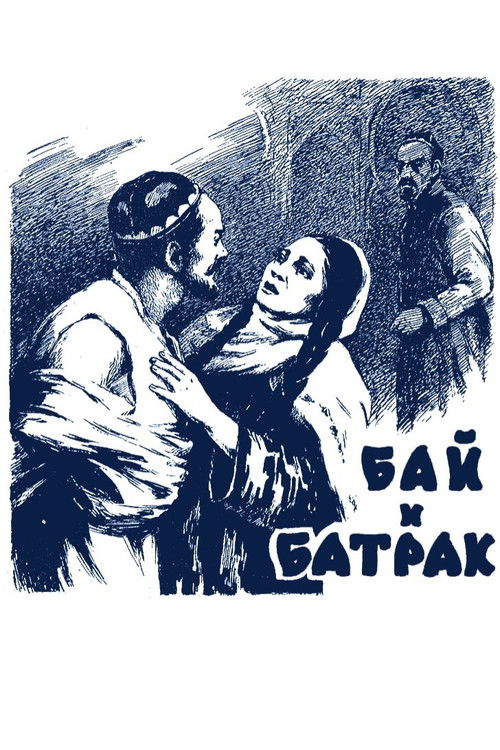
Based on the play of the same name by the Uzbek poet, playwright, and composer Hamza Hakimzade Niyazi. Exposing the feudal way of life, the wealthy landowners (bais), the clergy, and Tsarist officials, the film depicts the awakening of class consciousness among working Uzbeks.
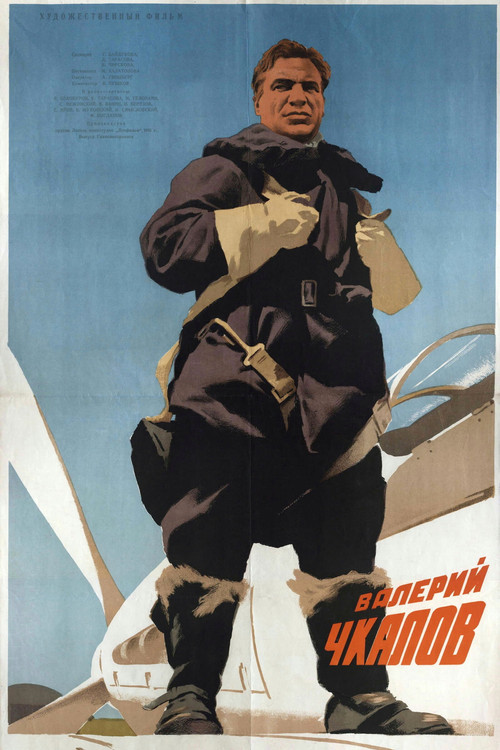
Based on the true story of Russian pilot Valeri Chkalov (1904 - 1938), who set several long-distance flight records. Chkalov and co-pilots Baidukov and Belyakov altogether had accomplished several nonstop long-distance flights. In June 1937, Chkalov set the world record, covering 12,000 kilometers in 63 hours of nonstop flight from Moscow to Vancouver, Washington, flying over the North Pole.
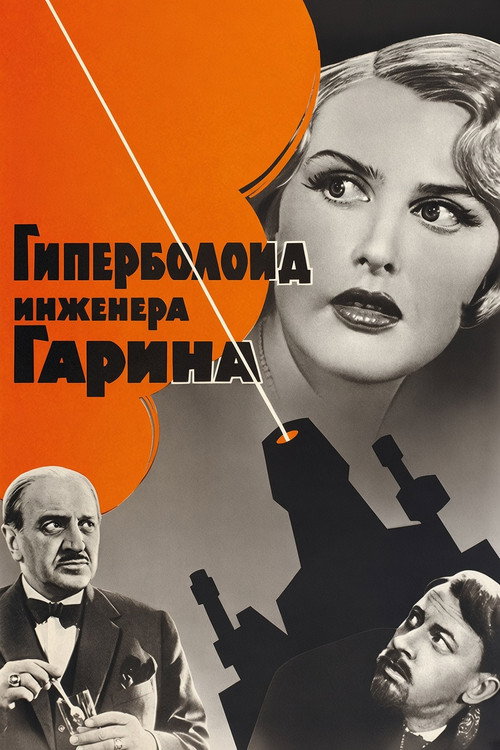
A Russian engineer Petr Garin possesses a unique beam-shooting weapon that can destroy any target. His goal is to achieve world domination with the help of this weapon. Vasily Shelga is out to stop him and also to prevent others getting possession of this weapon.
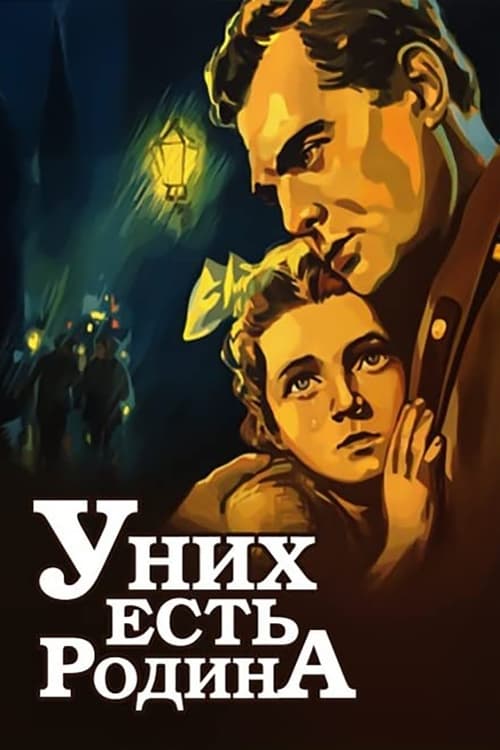
The Great Patriotic War is over, but Major Sorokin and Colonel Dobrygin still have a lot to do for their homeland. They must go to West Germany in order to find and return the children who were taken out of the Soviet Union by the Nazis and are now kept in atrocious conditions under the supervision of British intelligence. Former allies want to grow real spies out of their children.
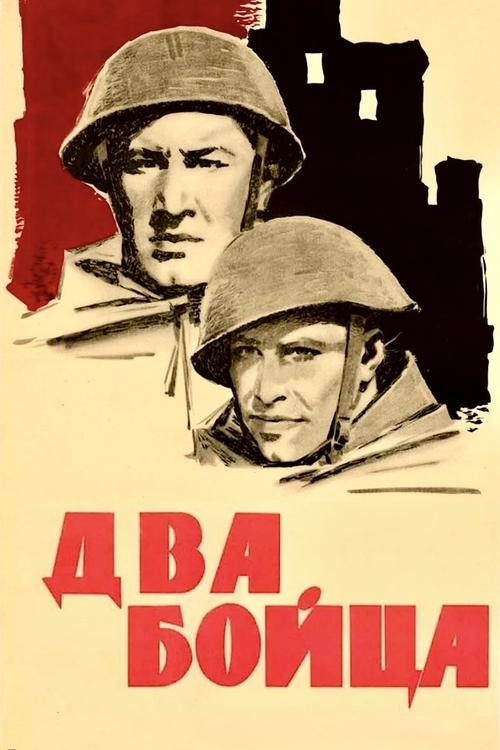
A story about the friendship between two young men, two soldiers - Arkady from Odessa and Sasha from Ural.
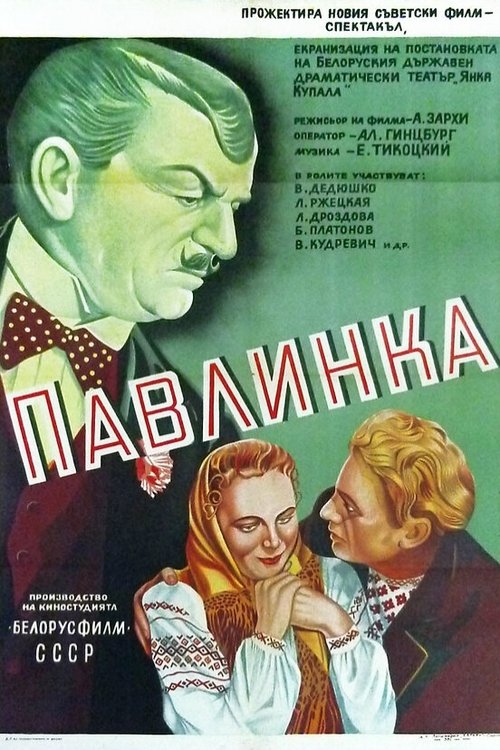
About the love of a Belarusian peasant girl Pavlinka and a village teacher Yakim, about the obstacles that stood in their way, about how they fought against them and defended their happiness.
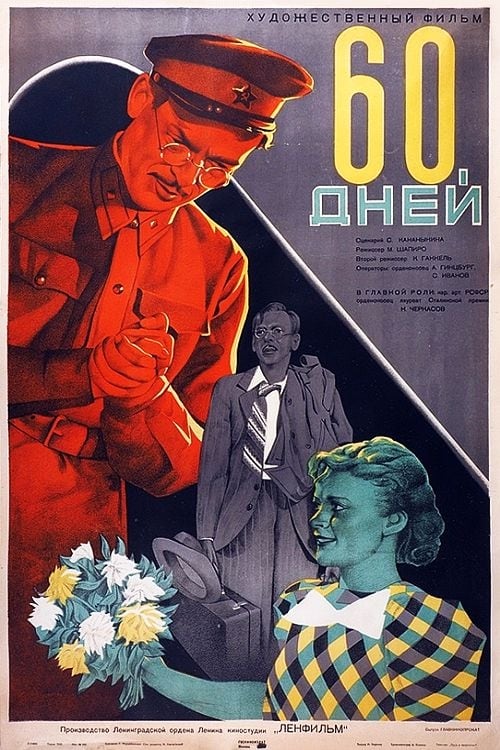
Adventures of the medicine professor during reserve duty.
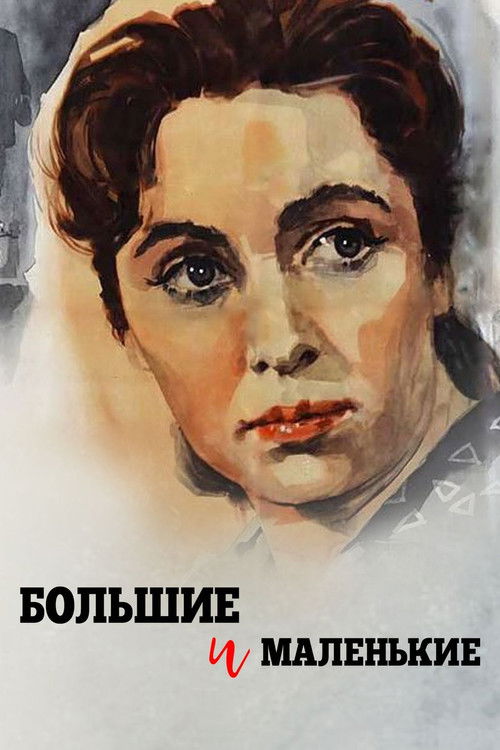
Several short stories tell the story of the complex relationships between difficult children and their parents.
The story of Hakima, who becomes pregnant after being raped by the imam Abdu-Nabi. When, years later, the 'holy man' turns his gaze to his biological daughter Oinasa, Hakima attempts to protect her.
Young railroad worker, seemingly accommodating to Nazi overlords at a captured rural depot, secretly spearheads acts of sabotage against the evil occupying forces.
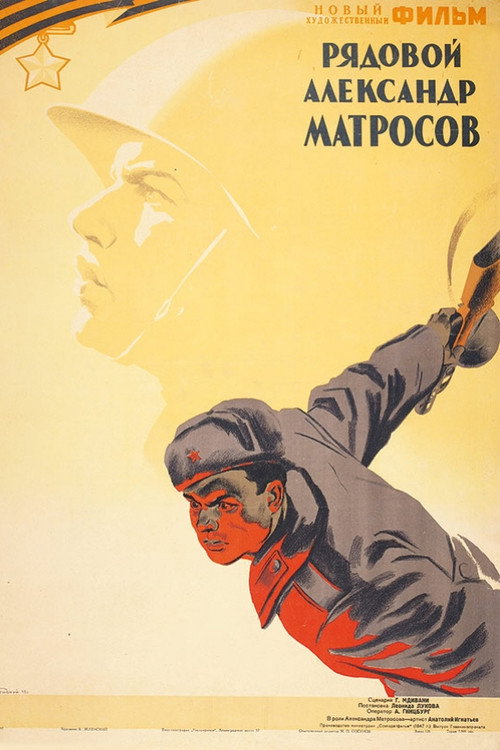
The film is about the exploit of a nineteen-year-old soldier of the Great Patriotic War - Alexander Matrosov, who covered the embrasure of the enemy's bunker with his body.
No description available.
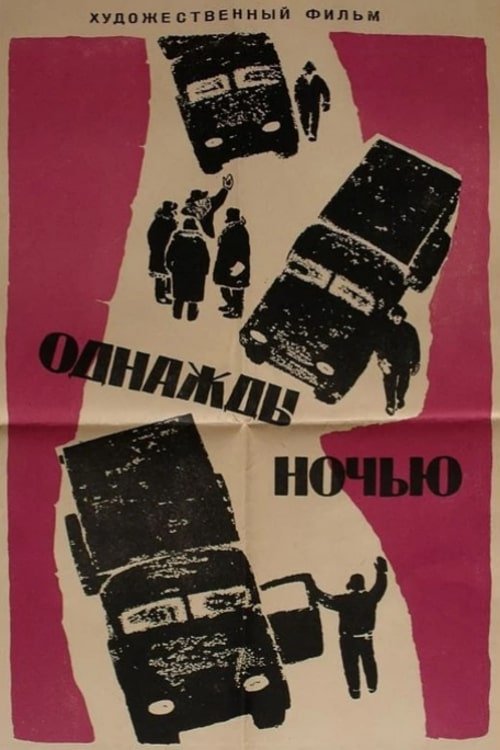
Intrigues are growing in the research institute...
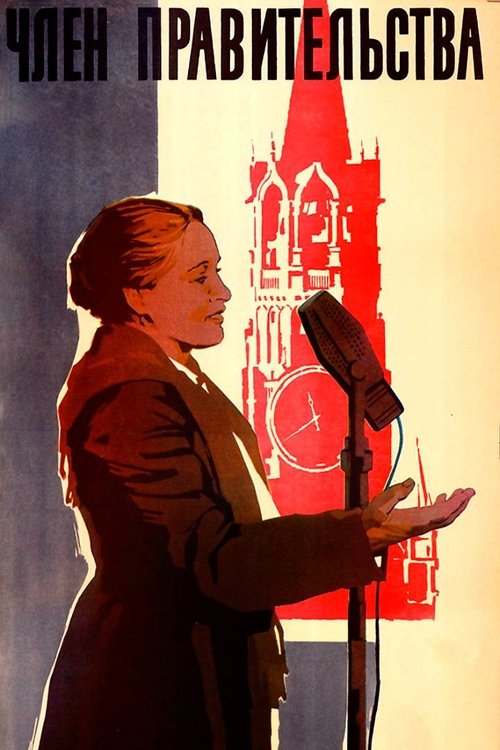
In the 1930s, during Collectivization, we follow Alexandra Sokolova, who having joined a kolkhoz, is promoted by the Party to the management of the farm: she becomes chairman of the kolkhoz, courageously coping with the difficulties of collectivization, the distrust of some fellow villagers, and family conflict.
The story of an effort to catch "wreckers" at work in a Soviet factory. The film’s title-song called "The Song of the Counterplan", composed by Dmitri Shostakovich, became world famous and was adapted into "Au-devant de la vie", a notable song of the French socialist movement of the 1930s.
The peaceful life of an exemplary collective farm is being rent asunder by shortages and dissent, and a commissar is sent to uncover the source of the problems, unaware that their is actual sabotage involved.
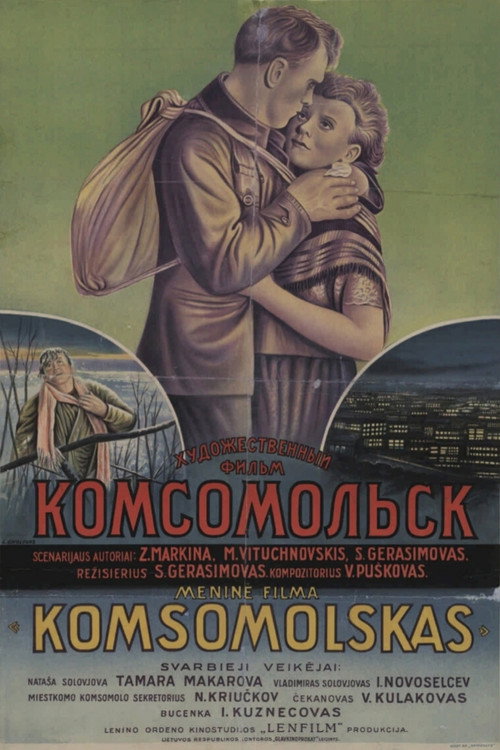
In 1932, thousands of Komsomol members set off for the Far East to build the "city of youth" — Komsomolsk-on-Amur. Among the builders is a saboteur. Soon, fuel depots explode at the new factories in Komsomolsk.
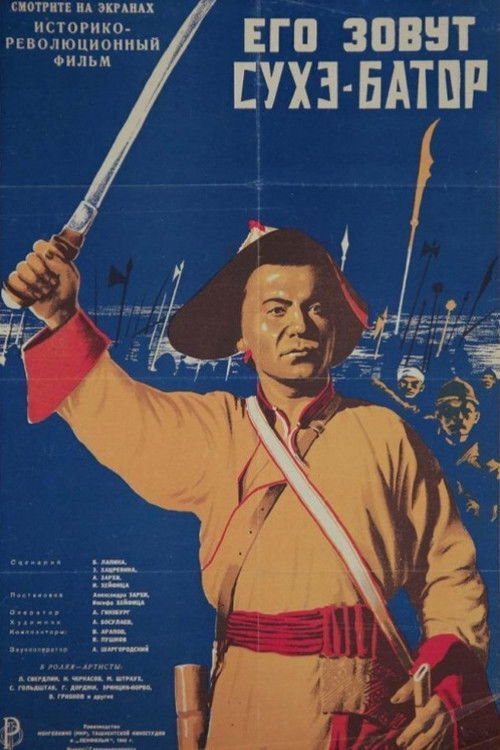
The film tells about the founder of the Mongolian People's Revolutionary Party, the leader of the Mongolian People's Revolution - Damdin Sukhe-Bator.