Acting
A woman remarries after receiving official notification that her husband has died, but he returns.
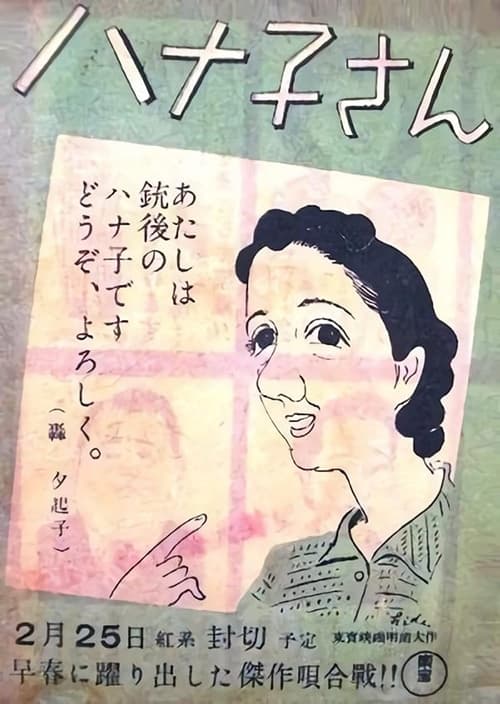
Hanakosan (1943, TOHO, MAKINO Masahiro), a thoroughly light and joyful musical comedy, influenced by Busby Berkeley films, against the national policy under the wartime, was made into a film from comic serials by SUGIURA Yukio published in a magazine.
During the late Meiji period, at the beginning of the twentieth century, Sumako, a country girl, becomes a great actress with the help of Hogetsu, a scholar who brought European realism to the Japanese stage. The relationship leads to the end of his marriage and the breakup of his Arts Society.
No description available.
A 1942 film.
After her anti-fascist professor father is dismissed, Yukie navigates love, political repression, and wartime upheaval—ultimately forging her own path in pre- and post-WWII Japan.
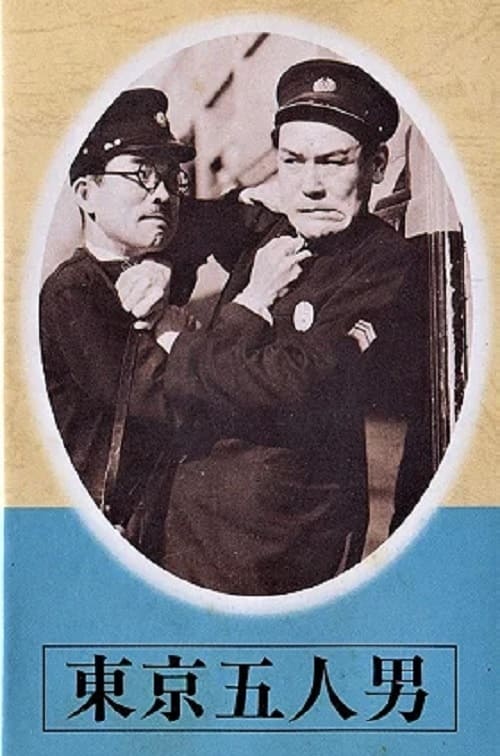
Newly released from the army, five men return to Tokyo to find no place to live in the bombed-out city, food and necessities rationed out by people who don't care, and a thriving black market.
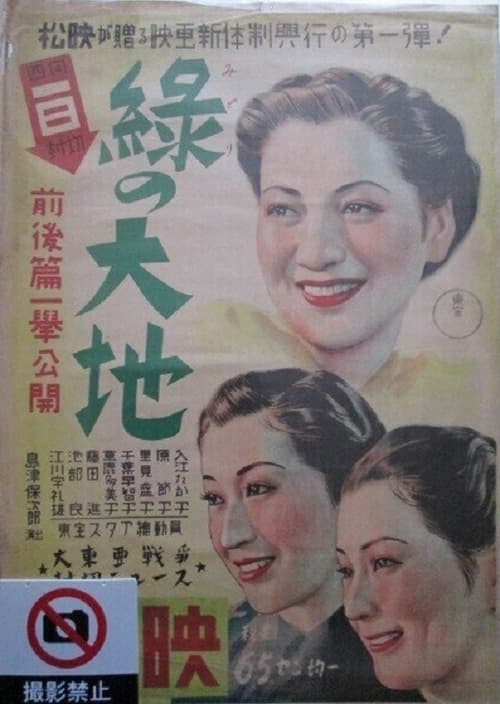
Set in Qingdao, China, a Japanese company locates an office there and begins work and cooperation with a local Chinese company for business. Many Japanese engineers also move to China, with their families, for the company in order to construct a canal. There are young Chinese resisting the Japanese in this area.
Set in a rural area of Shinshu, a drama in which a woman who graduated from a women's college in Tokyo with her brother's efforts opens up a new life in her hometown where she is tired of the city. The original is a stage play by Yobun Kaneko. Directed and written by Mansaku Itami.
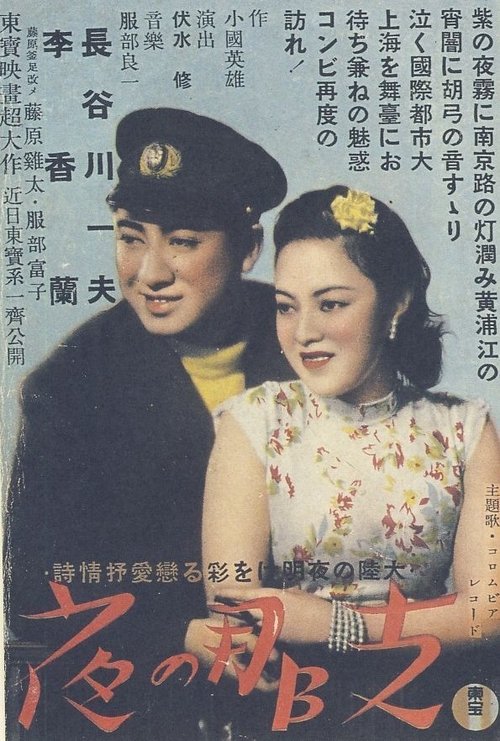
Wartime propaganda filmed by the Japanese in occupied China, Shirley Yamaguchi portrays an orphan rescued from the streets by a kindly Japanese merchant marine officer. Part spy thriller and part Shanghai travelogue, it was part of a popular series known as "Chinese Continental Friendship" made by the occupying Japanese in China.
Set in the late Edo period of the assassination of Dairo Ii, the sword and emotional romance that depicts the murderous world. The turmoil of the end of the Edo period is depicted through the nameless Ichii people, centering on the main character of the Hatamoto collapse that is drunk by the waves of the end of the Edo period.
Adaptation of a novel by Nobuko Yoshiya that was serialized in "Shufu no tomo" between 1939 and 1940.
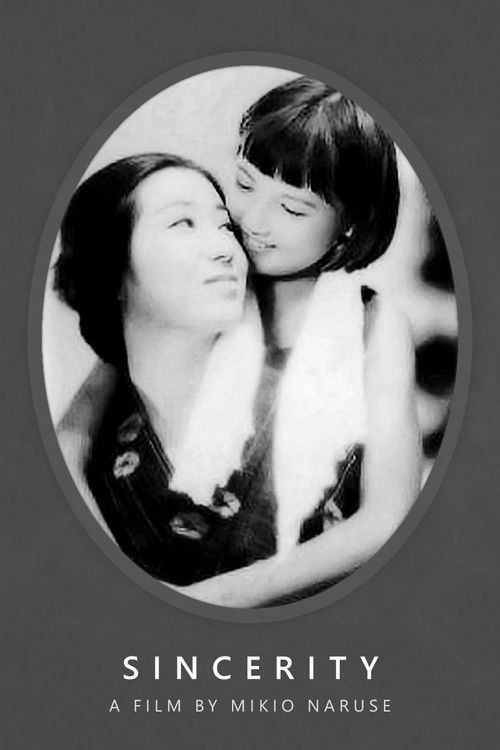
Two young girls, Nobiko and Tomiko, go to the same school. The less fortunate girl Nobiko is one of the top students, while the rich girl Tomiko is not. At one time Tomiko's father was quite fond of Nobuko's mother.
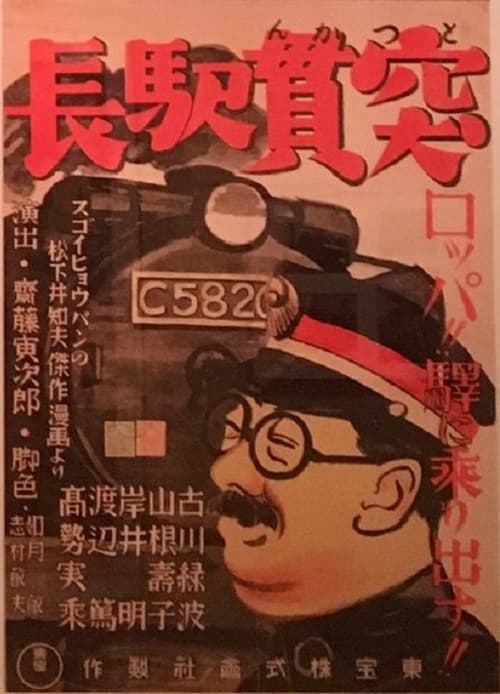
Based on the comic by Ichio Matsushita
A film by Kiyoshi Saeki
An episodic film about life in and around a rural police station and the people it serves.