Katsuhiko Haida
Acting
Known For
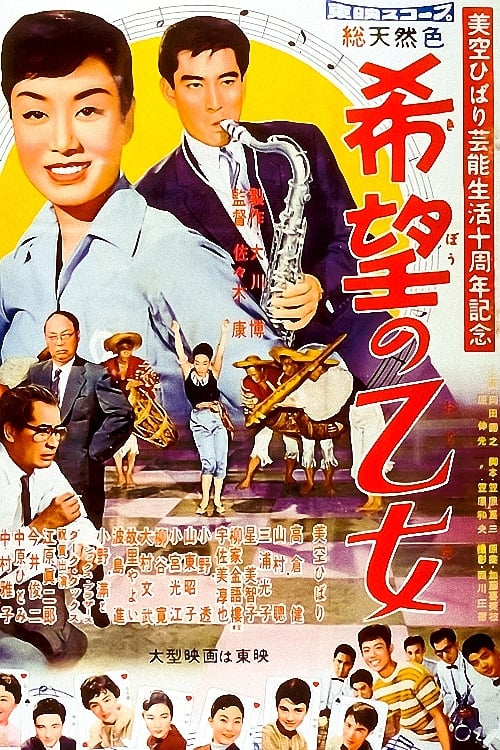
Sayuri, a young woman born to a simple life on a farm, moves to Tokyo to pursue a life long dream of becoming a singer. Through dance, music, and songs, this story shows how a girl raised on a farm was able to make her dream a reality, with the love of those around her.
With Songs in My Heart
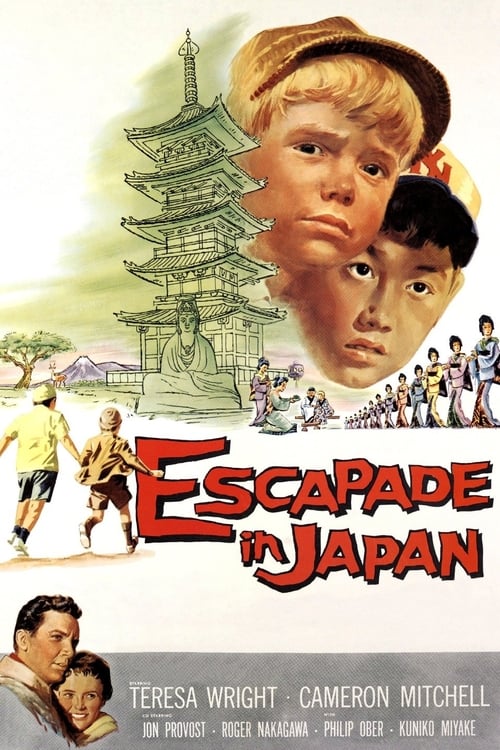
A plane is forced to land at sea just off the Japanese coast. A young American boy is later befriended by a fisherman's son, with the two setting off on an unintended journey across the country.
Escapade in Japan

Three IJN flyers Mikami (Susumu Fujita), Kawakami (Masayuki Mori) and Murakami (Akitake Kono) are good friends, and they are all renowned for their torpedo techniques. Mikami is posted as a staff officer at a base on an island in the Pacific. Kawakami and Murakami later joins him as the base squardron is reinforced. The enemy task force approaches the island and all three of them attack the fleet, killing themselves in the process.
Battle Troop
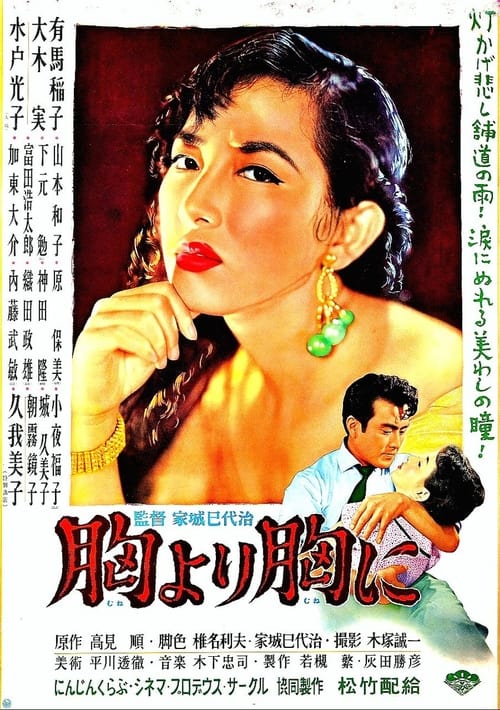
Japanese drama
Mune yori mune ni
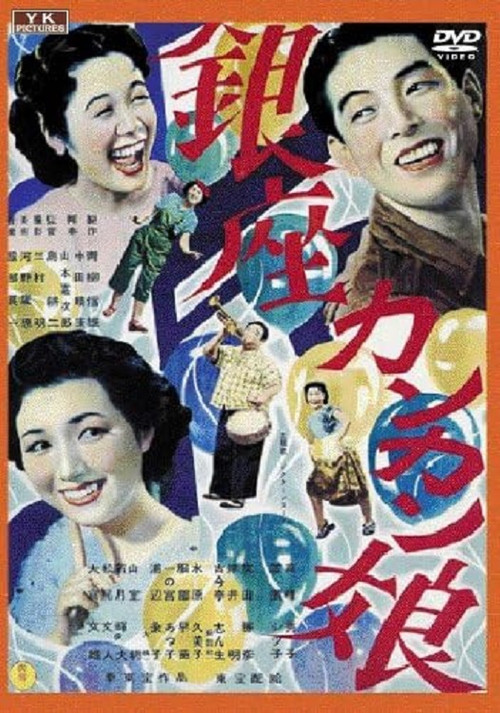
Shizuko Kasagi and Hideko Takamine star as young women who try to raise money for a needy old friend by becoming wandering singers who work for tips in Tokyo's Ginza nightlife district.
Ginza Cancan Girls

Hanakosan (1943, TOHO, MAKINO Masahiro), a thoroughly light and joyful musical comedy, influenced by Busby Berkeley films, against the national policy under the wartime, was made into a film from comic serials by SUGIURA Yukio published in a magazine.
Miss Hanako
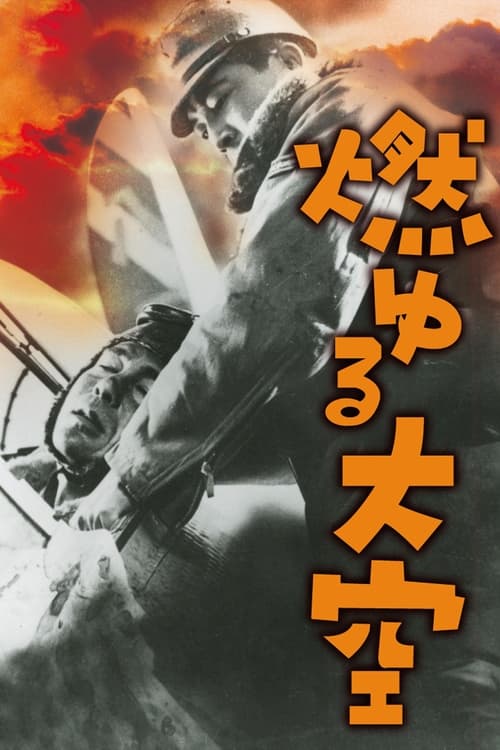
The film was produced during Second Sino-Japanese War, before the Pearl Harbor Attack in 1941. The film mainly concerns the training of newly-recruited pilots and their daily life, then their subsequent fighting experiences in China. Army supported the production, providing all the authentic airplanes, training and actual actions. They even provided the older biplanes disguised as Chinese fighter planes. Obinata plays the trainer-turned-combat-leader, who is passionate and cool at the same time. All his boys love him, of course. The film is not as intense, full of sugar-coated camaraderie, until young pilots are killed in action one by one. Last twenty minutes are fairly grim, as the message of self-sacrifice is heard loud and clear.
The Burning Sky

A 1944 propaganda film that depicts the fictionalised career of IJAAF pilot Tateo Kato, who led the 64th Sentai during the early months of the Pacific War. The film has scenes featuring Ki-43 fighters escorting Ki-21 bombers to attack Rangoon, where they are attacked by P-40 Warhawk and Brewster Buffalo fighters.
Colonel Kato's Falcon Squadron

The story of a lovely "maiko" who bloomed in Gion. Three half-sisters play out a tale of tearful love between father and daughters against the backdrop of the city's dance festival.
祇園物語 春怨
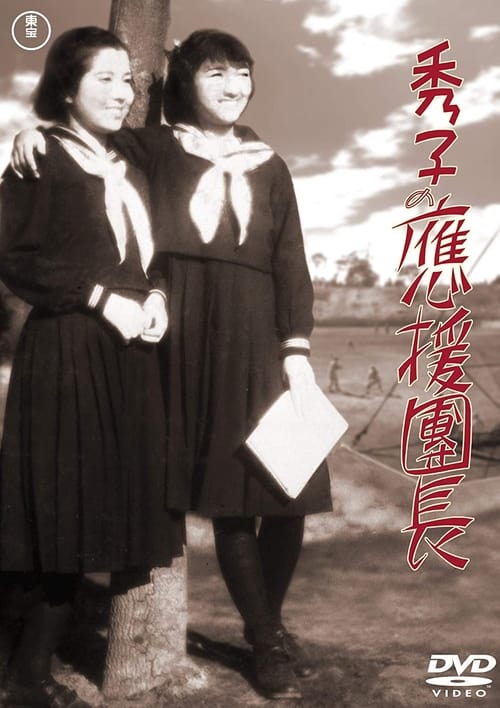
Hideko, a young Baseball fan, determined to cheer for her favourite baseball team by creating a new song for them.
Hideko the Cheerleader
1946 Toho film directed by Kiyoshi Saeki
Yoki na onna

A Communist spy ring in Japan is hard at work trying to sabotage the American war effort during the Korean War, using kidnapping, murder and a disturbed former kamikaze pilot. A U.S. secret agent, posing as a reporter, is dispatched to Tokyo to put a stop to these nefarious activities.
Tokyo File 212
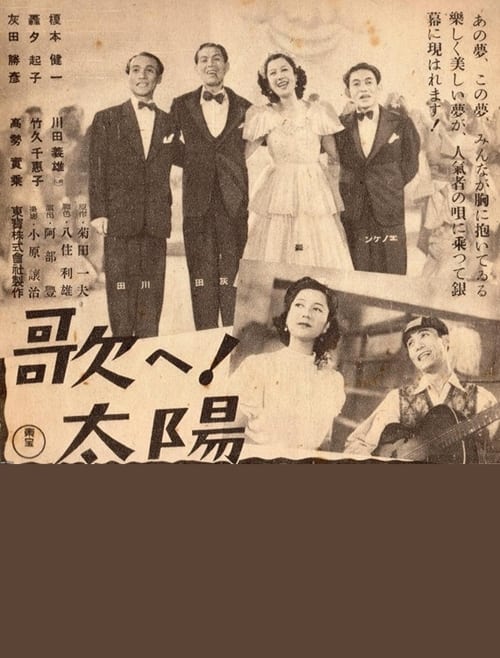
1945 Japanese movie
Uta e! Taiyō
Based on the comic by Yutaka Asou
Nonkina tosan
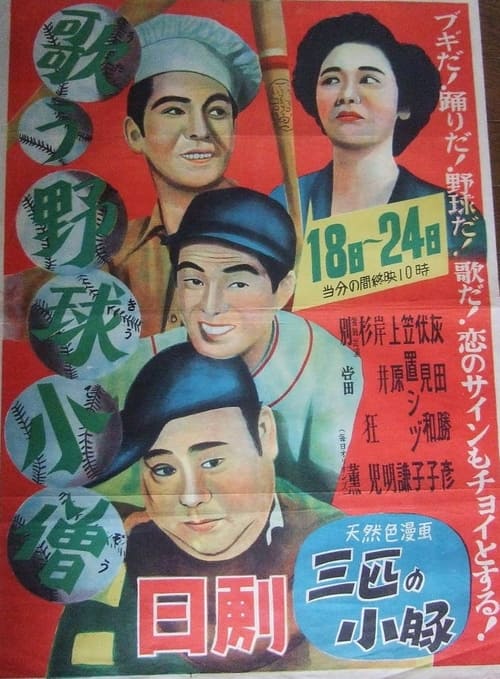
A musical comedy about a spirited orphan who forms a youth baseball team and gets caught up in a mix of sports, singing, and crime when he tries to return a star player’s lost money.
The Singing Baseball Kid
Drama directed by Kōzō Saeki.
Uta no Myojo
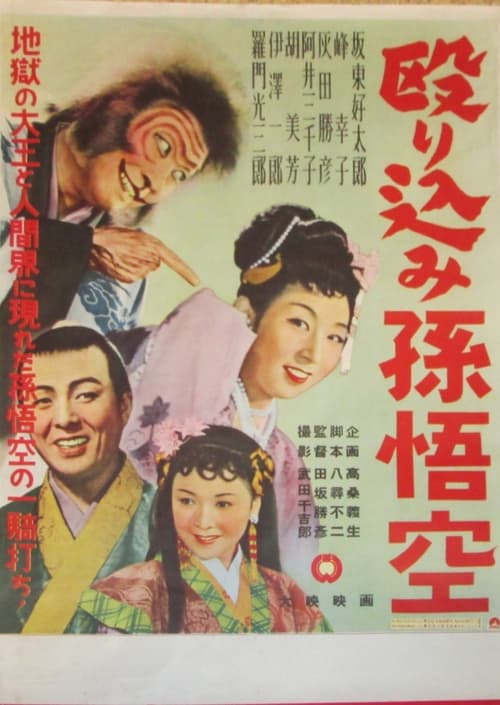
Second sequel to Saiyuki (1952)
Nagurikomi Songokū
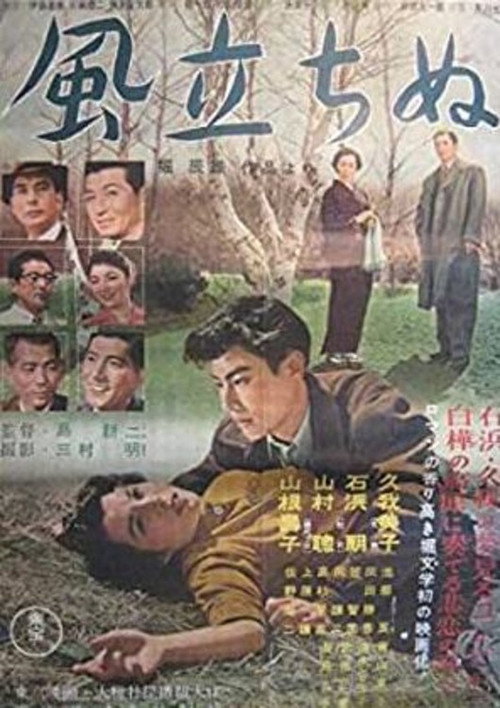
A young woman (Kuga), recuperating at a sanitarium in Karuizawa, falls in love with a young student (Ishihama) but returns to Tokyo to be with her father (Yamamura).
Autumn Interlude
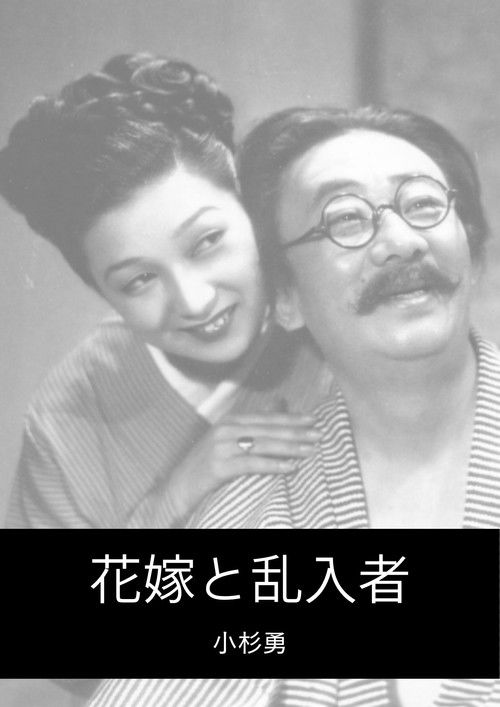
No description available.