Acting
A police department, lead by an older, experienced detective solve crimes together.
Polizeiruf 110 is a long-running German language detective television series. The first episode was broadcast 27 June 1971 in the German Democratic Republic, and after the dissolution of Fernsehen der DDR the series was picked up by ARD. It was originally created as a counterpart to the West German series Tatort, and quickly became a public favorite.
Michael considers himself a genius criminal and plans the big coup. He forms three new gangs who know nothing about each other and each only know part of his plan. In the background Michael pulls the strings and mercilessly plays the actors on his stage against each other. This strategy also poses unsolvable problems for the police until something goes wrong and the house of cards collapses.
No description available.
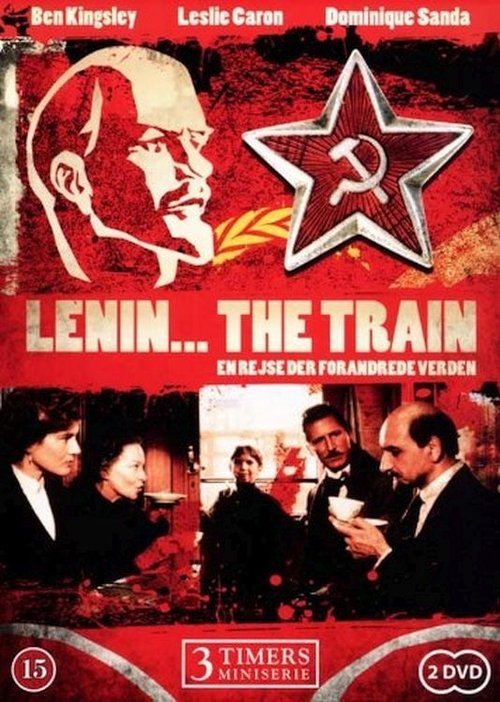
In March 1917, amidst World War I, a sealed train carries Russian revolutionaries, led by Lenin, from Germany to St. Petersburg. Along the journey, political tensions and personal dramas unfold, culminating in a historic arrival.
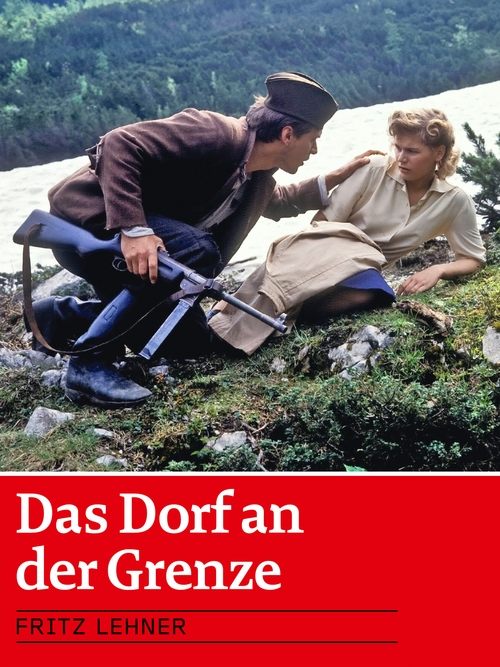
A fictional town on the Austrian-Yugoslav border from 1920—through World War II—until the breakup of Yugoslavia in 1991.
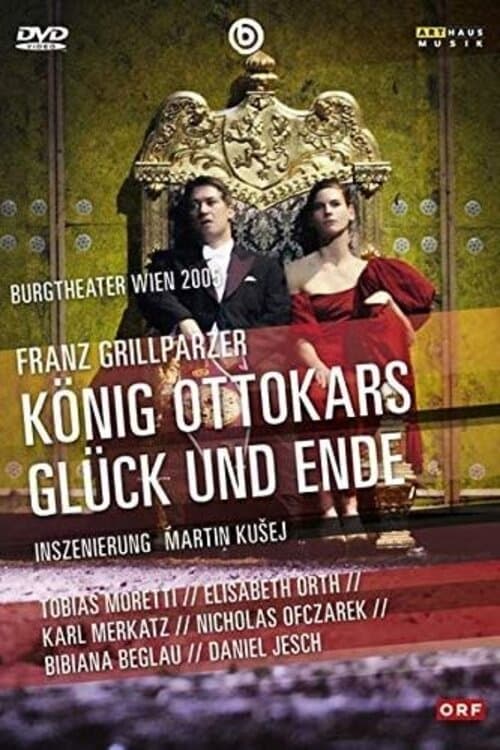
The cruel King Ottokar of Bohemia, spoiled by fortune and unpredictable, is dead. Now, with the modest Rudolf of Habsburg, peace has finally returned to Austria, for he replaces tyrannical arbitrariness with God-fearing clemency—and the way is clear for a story that lasted 700 years and bears the title: "The Habsburgs in Austria." With this view of Franz Grillparzer's play, many productions have been staged since the premiere of "King Ottokar's Fortune and End" – Rudolf of Habsburg as the gatekeeper to the dawn of a new, better era. It became clear what a great projection screen Grillparzer's play offered. It should really be called "The Habsburgs' rise to power as a development toward the good, the just, the orderly." But it is called "King Ottokar's Fortune and End," and that is what it is about—the fortune and end of a human being and how the one is sometimes directly connected to the other.
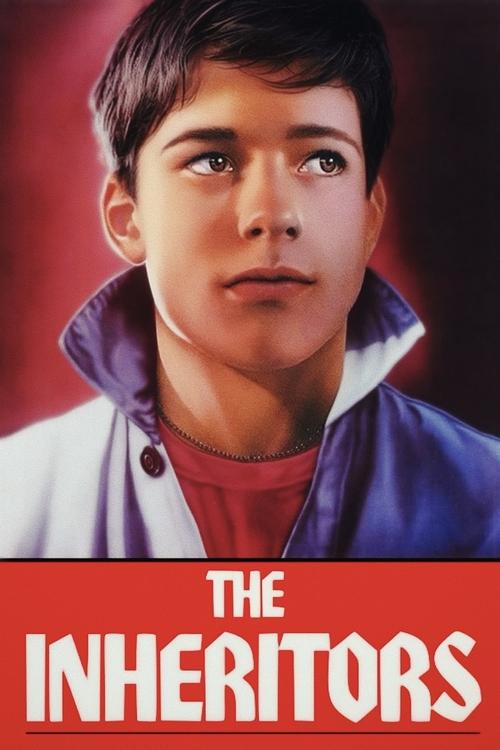
A neo-Nazi organization is recruiting in the 1980s, and two youths of high-school age join for similar reasons, despite class differences. Thomas is the son of a self-made industrialist father and a scolding social-climbing mother. He attends private school and has a brother who's an accomplished musician, but neither can satisfy mom's constant demands for school and social success. She belittles them, and there's incessant bickering at their table. Charly, a dropout, is the son of an abusive, alcoholic laborer. In the youth group, each finds order, respect, camaraderie, and adults who seem to value them. Where do domestic abuse and sanctioned political violence end?
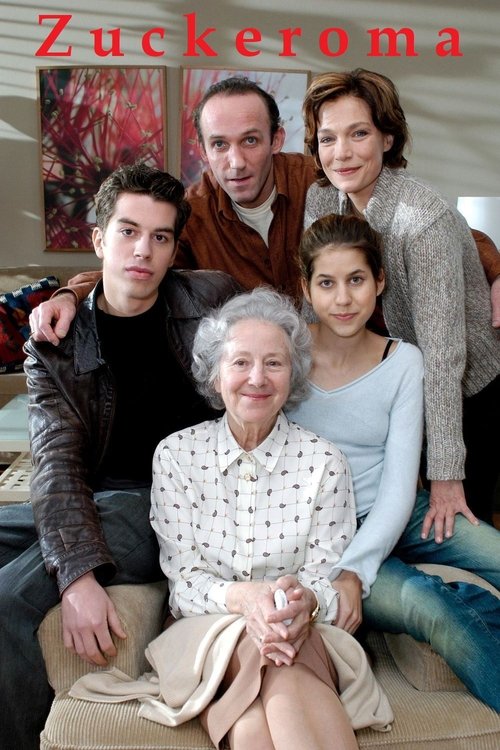
The Seebergs are a happy family - until Melanie's mother moves in. The old lady's malice plunges the once sweet home into chaos and discord. When the "sugar granny" even puts her tolerant son-in-law to flight, Melanie resorts to extreme measures to get her perfect world back.
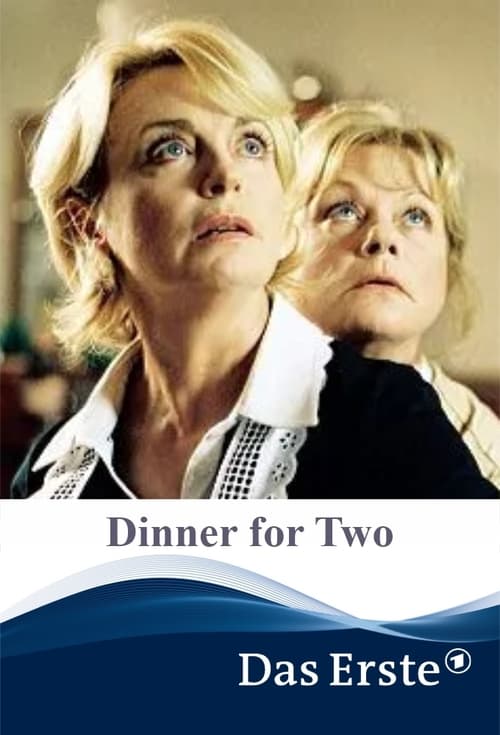
Nothing can help. Leopold's cholesterol levels have finally broken through the sound barrier and it is his Steffi, of all people, whose cooking is to blame for everything, who has to put him on a strict diet. When Steffi's best friend Sophie is left without a husband and money overnight, the two of them draw the consequences. As "Dinner for Two", they want to conjure up exclusive gourmet menus in posh households for a lot of money - and get into some serious turmoil in the process.
A fantasy movie directed by Ernst Wolfram Marboe.
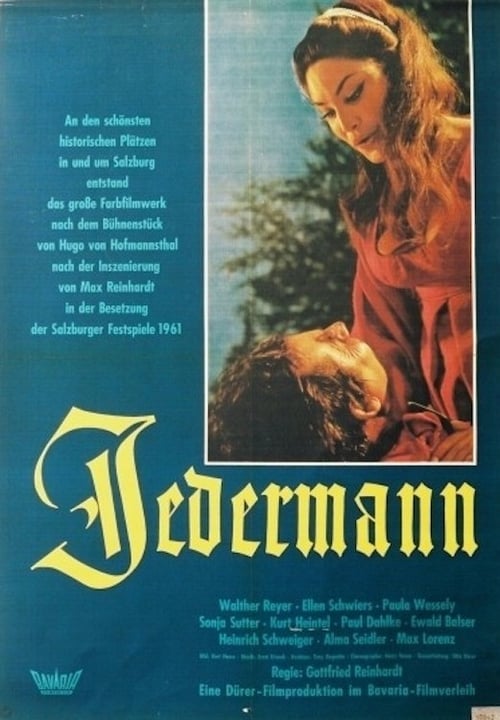
Everyman (German: Jedermann) is a 1961 Austrian drama film directed by Gottfried Reinhardt, based on the play written by Hugo von Hofmannsthal. The film was selected as the Austrian entry for the Best Foreign Language Film at the 34th Academy Awards, but was not nominated.
Vienna before the First World War: Clarissa Schuhmeister grows up in the monastery. Strict discipline determines her life until she meets the Frenchman Léonard and falls in love with him. Just when she expects a child from him, the First World War tears the happy couple apart. Out of pragmatism, Clarissa marries Gottfried, a deserter, with whom she makes a painful yet realistic agreement so that he will not be sent back to war. But she never feels love for him because she can not forget Léonard.
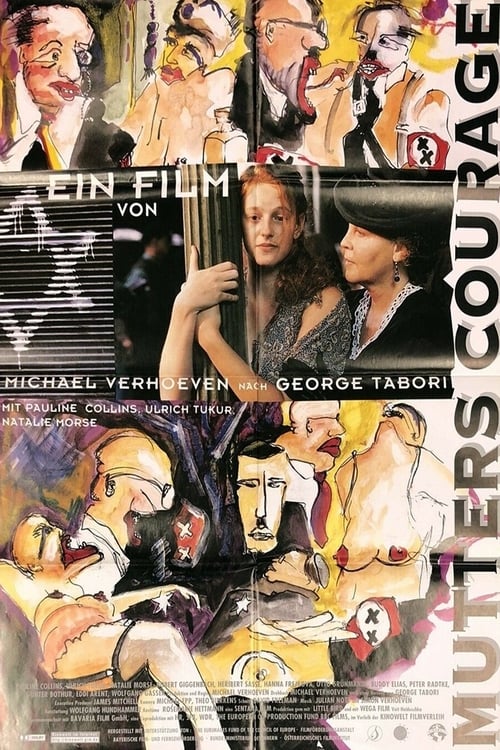
The deportation of 4000 Jews from Budapest to Auschwitz in July 1944, as told by George Tabori, and how the narrator’s mother escaped it, owing to coincidence, courage and some help from where you’d least expect it.