Alan Howard
Acting
Biography
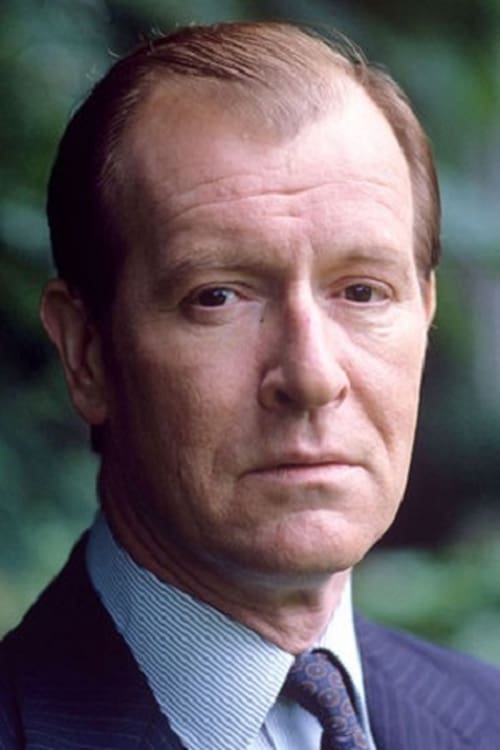
From Wikipedia, the free encyclopedia Alan MacKenzie Howard, CBE, (5 August 1937–14 February 2015) was an English actor known for his roles on stage, television and film. He was a member of the Royal Shakespeare Company from 1966 to 1983, and played leading roles at the Royal National Theatre between 1992 and 2000. Description above from the Wikipedia article Alan Howard, licensed under CC-BY-SA, full list of contributors on Wikipedia.
Known For

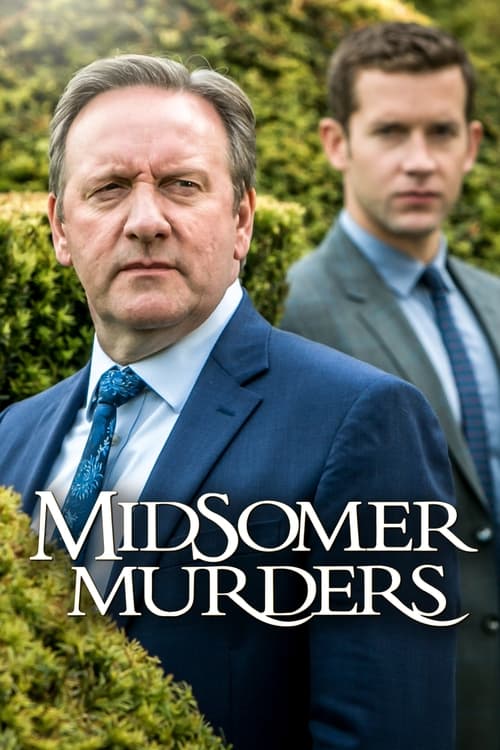
The peacefulness of the Midsomer community is shattered by violent crimes, suspects are placed under suspicion, and it is up to a veteran DCI and his young sergeant to calmly and diligently eliminate the innocent and ruthlessly pursue the guilty.
Midsomer Murders

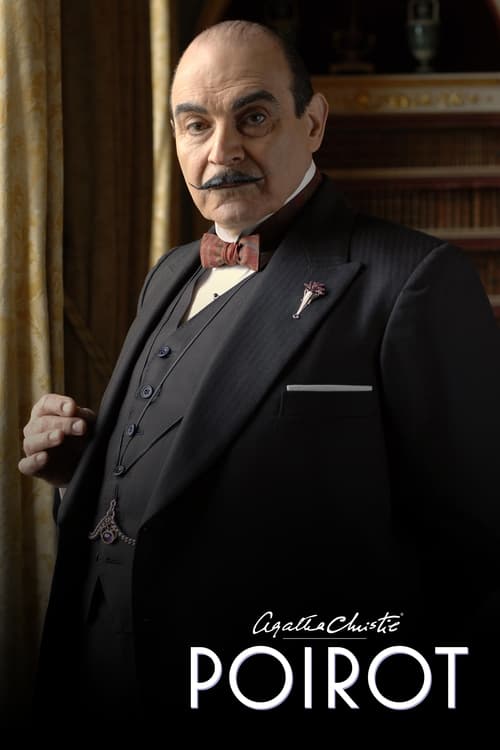
From England to Egypt, accompanied by his elegant and trustworthy sidekicks, the intelligent yet eccentrically-refined Belgian detective Hercule Poirot pits his wits against a collection of first class deceptions.
Agatha Christie's Poirot

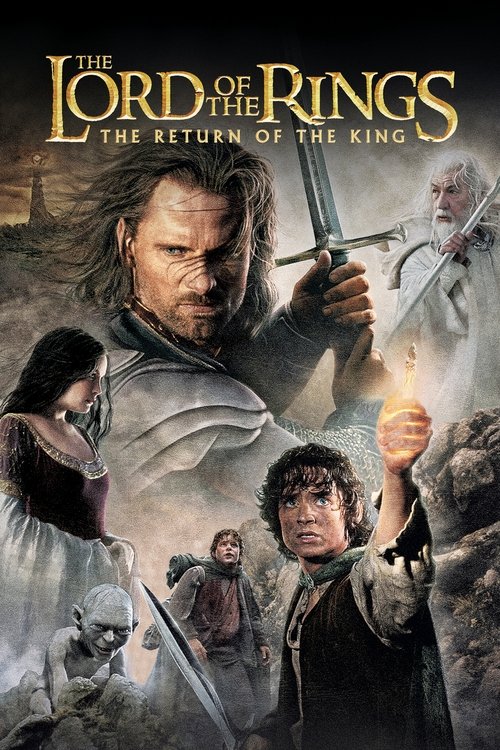
As armies mass for a final battle that will decide the fate of the world--and powerful, ancient forces of Light and Dark compete to determine the outcome--one member of the Fellowship of the Ring is revealed as the noble heir to the throne of the Kings of Men. Yet, the sole hope for triumph over evil lies with a brave hobbit, Frodo, who, accompanied by his loyal friend Sam and the hideous, wretched Gollum, ventures deep into the very dark heart of Mordor on his seemingly impossible quest to destroy the Ring of Power.
The Lord of the Rings: The Return of the King

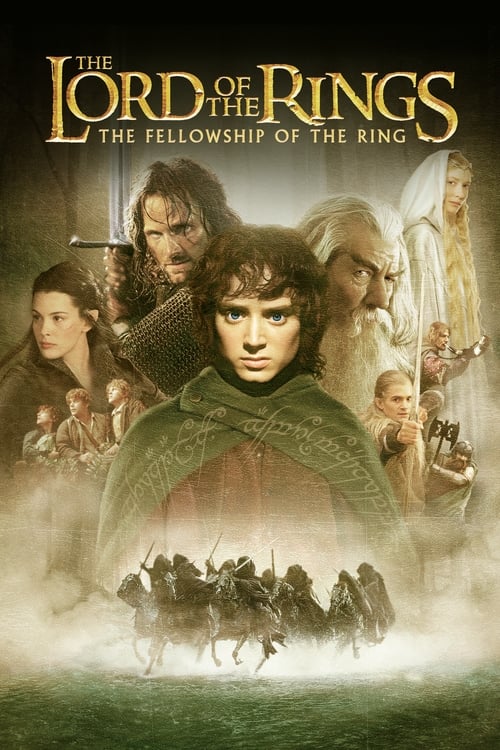
Young hobbit Frodo Baggins, after inheriting a mysterious ring from his uncle Bilbo, must leave his home in order to keep it from falling into the hands of its evil creator. Along the way, a fellowship is formed to protect the ringbearer and make sure that the ring arrives at its final destination: Mt. Doom, the only place where it can be destroyed.
The Lord of the Rings: The Fellowship of the Ring

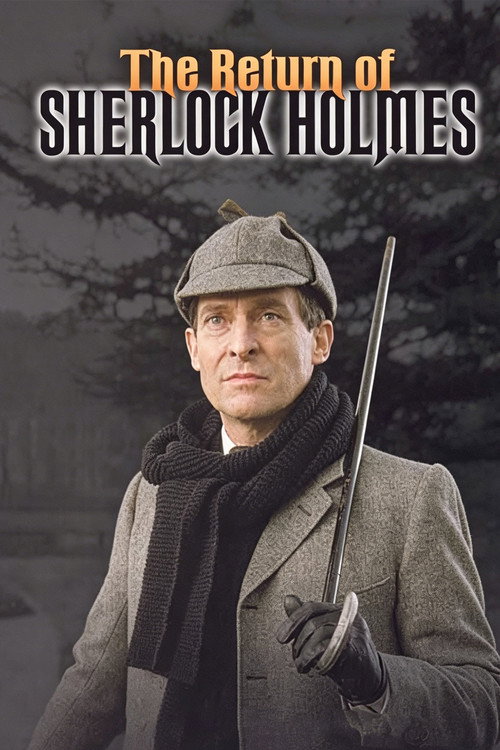
Sherlock Holmes uses his abilities to take on cases by private clients and those that the Scotland Yard are unable to solve, along with his friend Dr. Watson.
Sherlock Holmes

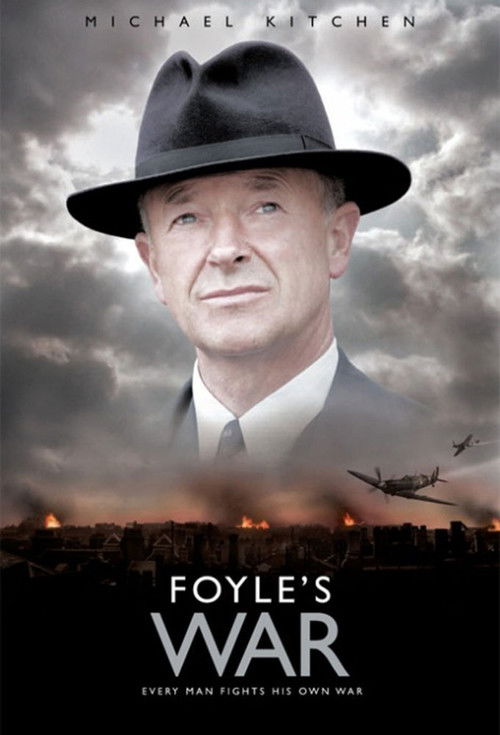
As WW2 rages around the world, DCS Foyle fights his own war on the home-front as he investigates crimes on the south coast of England. Foyle's War opens in southern England in the year 1940. Later series sees the retired detective working as an MI5 agent operating in the aftermath of the war.
Foyle's War

Series of single made-for-television dramas.
Screen Two

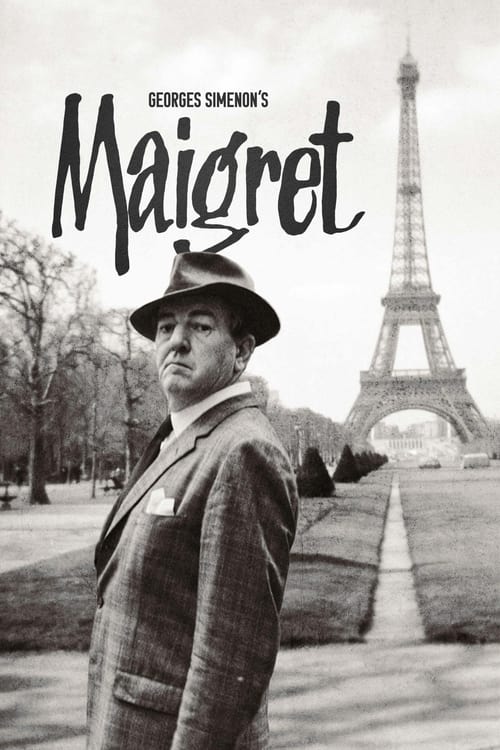
BBC series based on the novels by Georges Simenon which starred Rupert Davies as Inspector Maigret, a French police detective who preferred to watch and listen in order to solve crimes. The series ran from 1960-63 on British television.
Maigret

“The Bell Telephone Hour” was a musical variety show that aired on “NBC” TV from 12 January 1959 to 14 June 1968 that showcased the best in Broadway, Classical, Concert, Jazz and Popular music each week. The series had its’ own house band appropriately named the “Bell Telephone Orchestra”. The show also had its’ own theme song being the “Bell Waltz” composed by “Donald Voorhees” who was also the show's Orchestra conductor. Some of the greatest violinists of the 1960’s performed on this show that aired in the old “Black & White” format. Some of these great violinists included “Erica Mornin”, “Isaac Stern", "Michael Rabin", "Ruggiero Ricci", "Yehudi Menuhin" and "Zino Francesacatti". From time to time some of the great singers and bandleaders of the 1960’s would perform on the show as well. Some of these were “Bing Crosby”, “Gordon MacRae”, “John Gary”, “Leslie Uggams”, “Mary Martin”, “Nelson Eddy”, “Patti Page” and “Roy Rogers”. The TV show followed on the heels of its’ predecessor with the same name on “NBC” radio that aired from 29 April 1940 to 1958 on Monday nights at 8 PM. The name of the show was derived from its’ Major sponsor “Bell Telephone Laboratories”. The TV version began airing on Friday nights at 8:30 PM once a month. It later was given it’s same time slot now airing every other week alternating with another show on the other weeks such as News shows and specials. The show time slot changed quite often over the years. In September 1960 it aired at 9 PM and in September 1961 it moved to 9:30 PM. In October 1963 it moved to Tuesday nights at 10 PM, September 1965 it moved to Sunday night at 6:30 PM and in September 1967 it made its' final move back to Friday night at 10 PM.
The Bell Telephone Hour

Churchill's People is a British anthology series based on A History of the English-Speaking Peoples, Winston Churchill's four-volume history of Britain and its former colonies. 26 episodes were produced by the BBC and initially broadcast from 30 December 1974 to 23 June 1975.
Churchill's People

John Barton holds a master class in how to play Shakespeare, using members of the RSC doing scenes, sonnets, and commentary as prime examples.
Playing Shakespeare

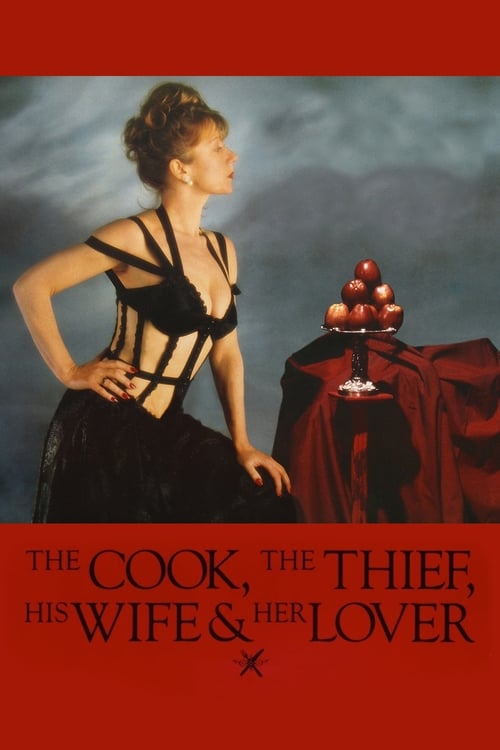
When churlish mobster Albert Spica acquires an upscale French restaurant in London, he dines there nightly, effectively scaring off the clientele with his bad manners. His wife, Georgina, is especially disgusted by him, and soon begins an affair with regular guest Michael. Despite their best efforts to keep it secret, Spica learns about their trysts, and he plots a terrible revenge.
The Cook, the Thief, His Wife & Her Lover

An anthology of seven psychological dramas, each with a different cast and crew, exploring deaths in unusual circumstances.
Unnatural Causes

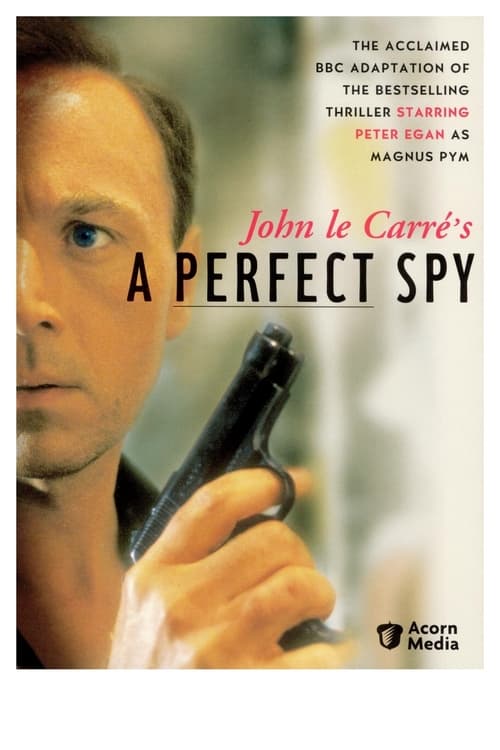
The life of British MI6 spy Magnus Pym, from his school days to his mysterious disappearance.
A Perfect Spy

A web of blackmail and murder attracts the attention of a barrister with a seemingly idyllic life, threatening to derail his career on the path of success.
Victim

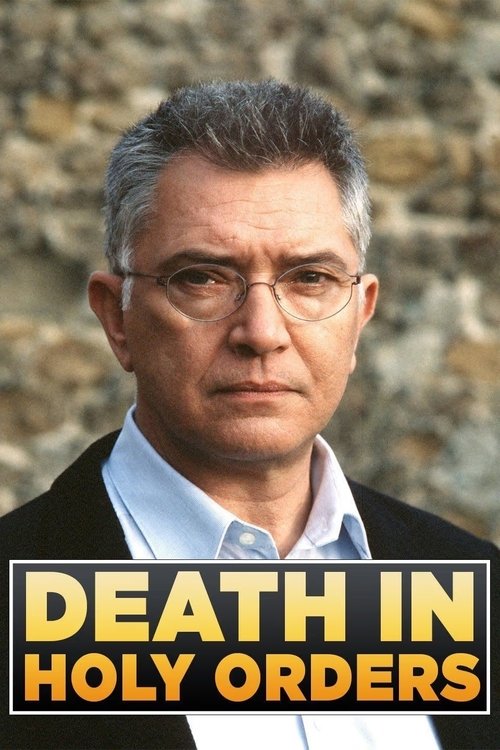
Detective Adam Dalgliesh investigates the death of a young ordinand who died in mysterious circumstances.
Death in Holy Orders

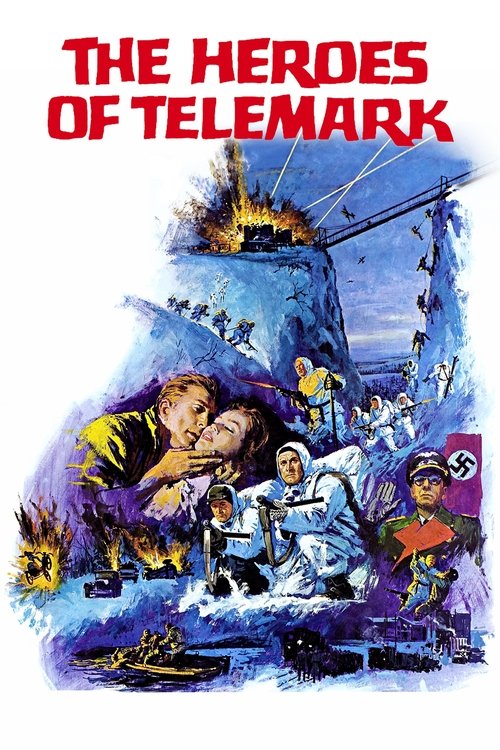
Set in German-occupied Norway, resistance fighter Knut Straud enlists the reluctant physicist Rolf Pedersen in an effort to destroy the German heavy water production plant in rural Telemark.
The Heroes of Telemark

Sir Arthur Conan Doyle's non-Sherlock Holmes stories embodying the author's interest in boxing, the supernatural, and medical matters.
Sir Arthur Conan Doyle

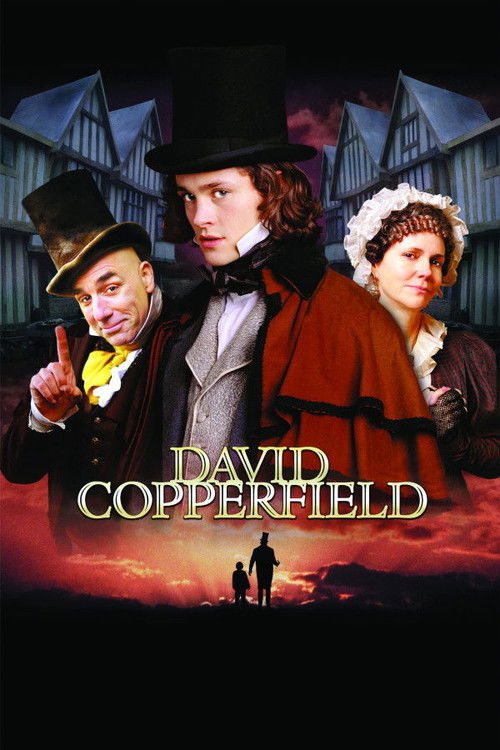
A young man journeys from a difficult childhood to maturity, exploring social injustice, personal development, and the complexities of human relationships.
David Copperfield

It's 1649: Mazarin hires the impoverished D'Artagnan to find the other musketeers: Cromwell has overthrown the English king, so Mazarin fears revolt, particularly from the popular Beaufort. Porthos, bored with riches and wanting a title, signs on, but Aramis, an abbé, and Athos, a brawler raising an intellectual son, assist Beaufort in secret. When they fail to halt Beaufort's escape from prison, the musketeers are expendable, and Mazarin sends them to London to rescue Charles I. They are also pursued by Justine, the avenging daughter of Milady de Winter, their enemy 20 years ago. They must escape England, avoid Justine, serve the Queen, and secure Beauford's political reforms.