Writing
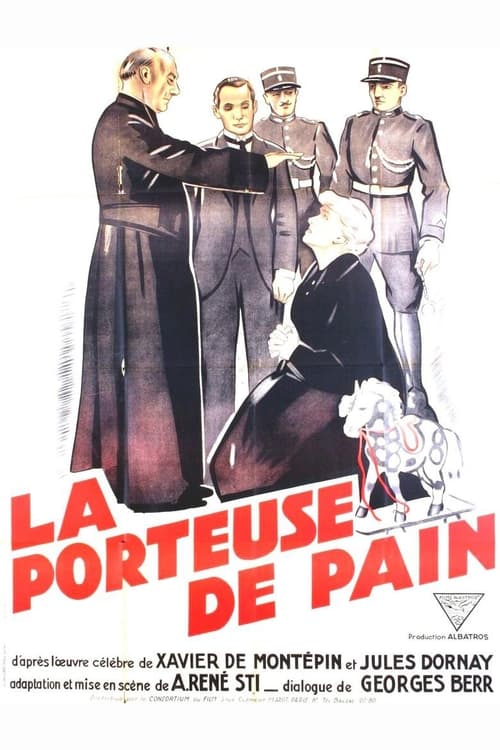
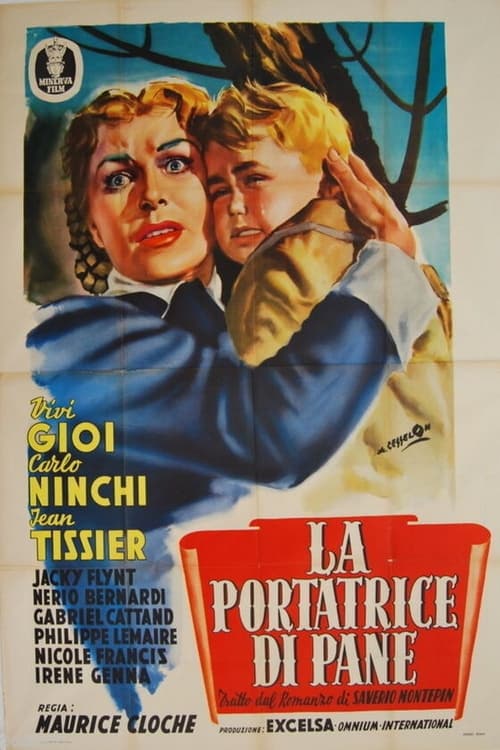
Based on Xavier de Montépin's story, the film tells the story of a widow wrongly accused of arson.
No description available.
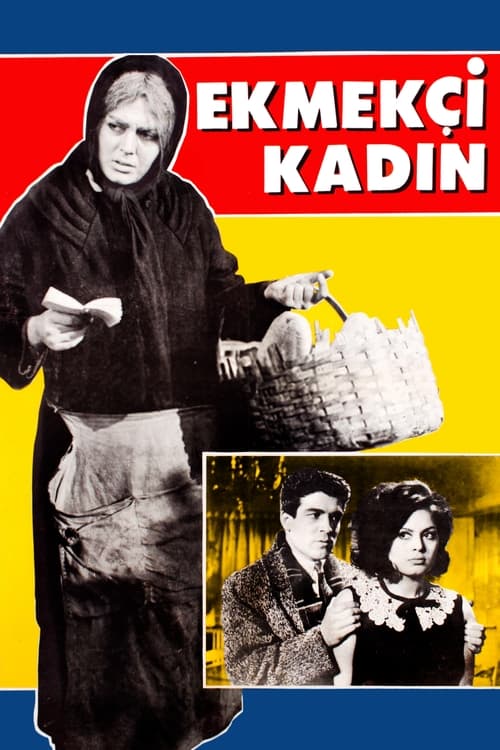
A brave woman is sentenced to prison on false testimony. She escapes twenty years later and takes refuge in Paris where she carries bread while looking for her children Georges and Lucie who will find her and exonerate her.
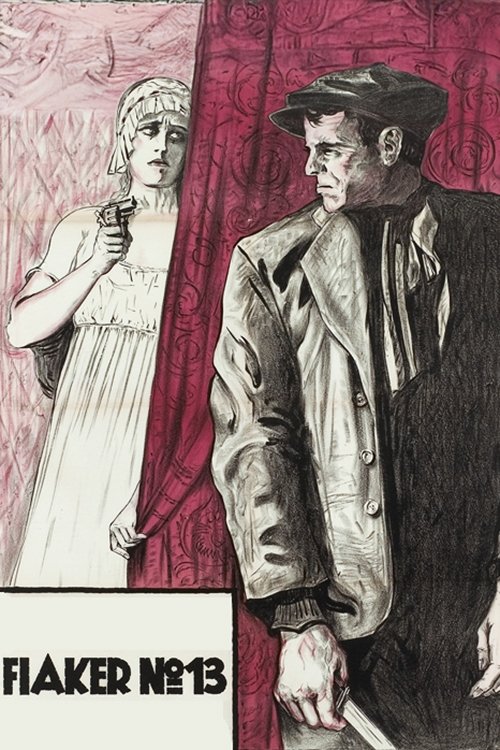
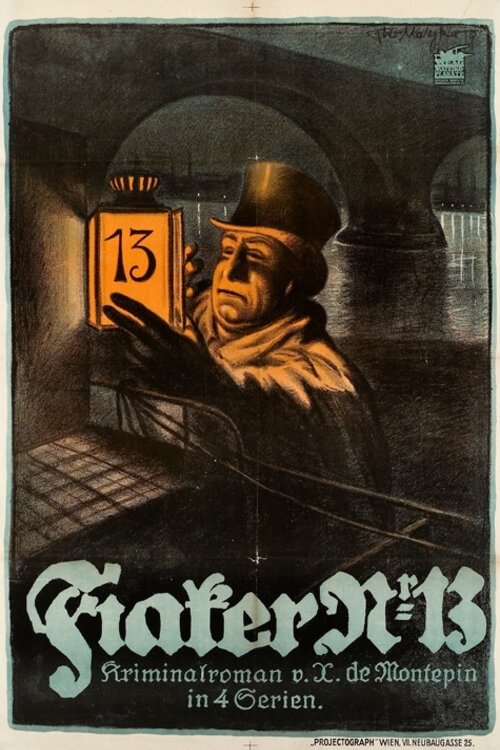
Il Fiacre n. 13, from the novel of the same title by Xavier Henri Aymon Perrin, Count of Montépin, a highly prolific and much-loved author whose books were vehicles for the depiction of social inequality, narrating stories of love, death, betrayal, blackmail, and redemption. The sweeping narrative of Il Fiacre n. 13 was mutilated by the Italian censor’s suppression of its first part, the most cynical episode, which sets the scene for a scheme discernable in the other three episodes, as the story develops from a sordid murder through plotting and deceit to finally reach a happy ending.
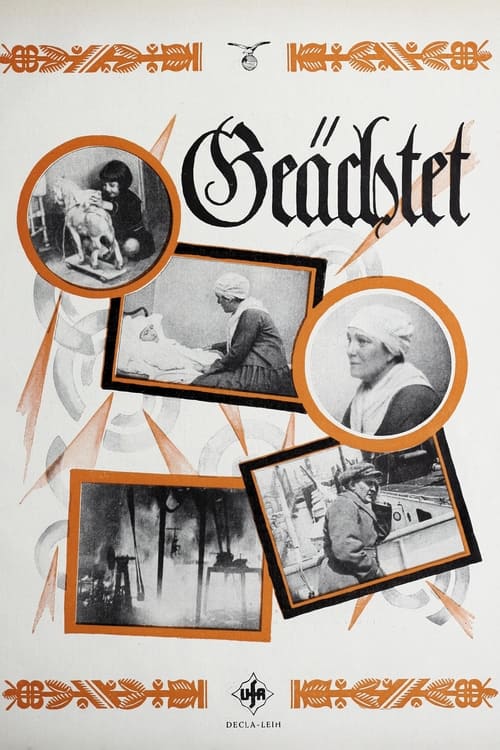
Robert Bernier murdered his brother with the complicity of a worker. The only witness to the tragedy, Veronique was injured while rescuing her boss and remains blind. Later, cured by an operation, she denounces the criminal whose voice she recognized and who had taken over the factory.
The film starts with a woman on the run from her millionaire husband giving birth to a daughter in the home of a washerwoman. The woman dies in childbirth, but the baby survives. The washerwoman leaves the baby in a horsedrawn Parisian taxicab (No. 13). The paperwork of the birth is lost in a huge tome. Sixteen years pass. The tome is bought by a poor student. One day his bookshelf collapses, and the tome opens at the page where the paperwork has been hidden. The student realises that the paperwork relates to a millionaire who has spent the last sixteen years looking for his pregnant wife. The student traces the washerwoman, and he tricks her into confessing what she has done with the baby. Meanwhile, the baby has been adopted by the cab driver and his wife, and has grown into Lili Damita.
The Bread Peddler is a 1923 French silent drama film directed by René Le Somptier and starring Suzanne Desprès, Gabriel Signoret and Geneviève Félix. It is based on Xavier de Montépin's novel of the same title.
A husband dies,leaving his wife Khadija and their two children, Nemat and Sami behind. Khadija is arrested for burning the factory where her husband was working. She gets mad and is hospitalized for 10 years until she regains her memory and begins a journey to find her children.
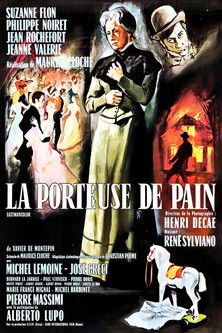
France, 1860. A young widow is wrongly accused of murder and, after serving many years in prison, she escapes to find the real culprit.
A young woman by the name of Jeanne Fortier finds herself the victim of a terrible miscarriage of justice.