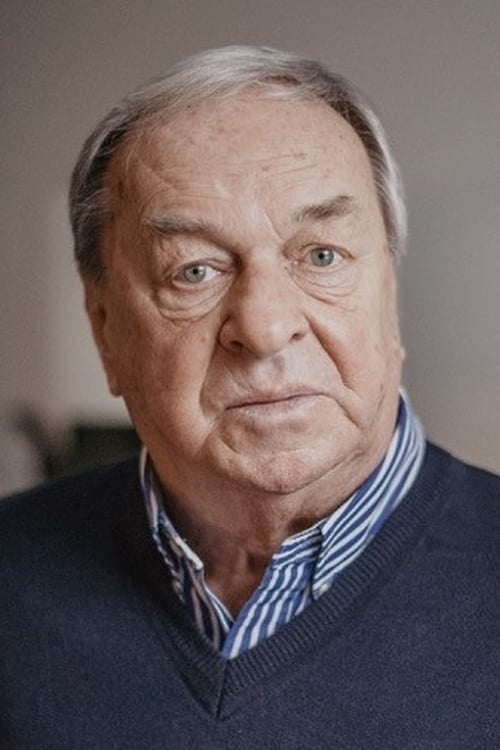
Leszek Piskorz
Acting
Known For
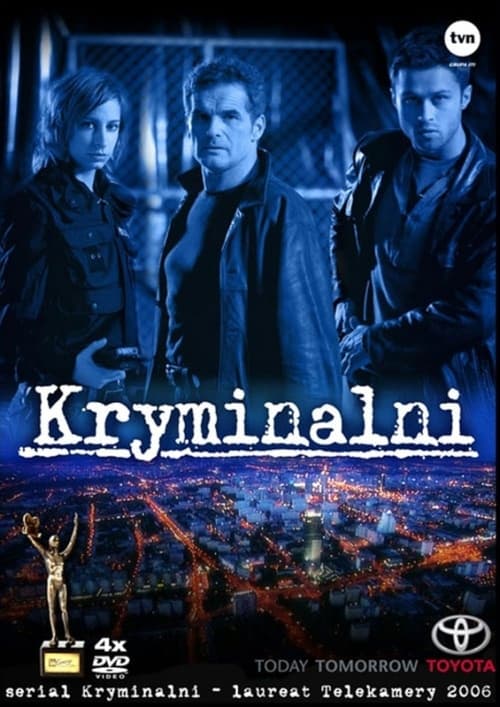
Kryminalni was a Polish crime drama television series that aired on TVN network from September 18, 2004 until May 24, 2008. It ran for 8 seasons and 101 episodes were broadcast in total. It was created by Polish director and screenwriter Piotr Wereśniak and produced by MTL Maxfilm studio. The series followed life and work of police officers from the elite Criminal Terror and Murders Division of the Warsaw Metropolitan Police; the title refers to police officers in the crime section. The three main characters were Adam Zawada, an experienced, tough cup, his younger colleague Marek Brodecki and Barbara Storosz, an ambitious female officer who in the first season joins the team just after graduating. Although none of the main actors had had star status before the series debuted, all three of them rose to prominence and popularity during the 5-year-long run. Many of Poland's best known actors guest starred, usually playing roles of people involved in just one particular investigation. The serial was one of the most popular in Poland: each week it had an audience of 4 million.
Kryminalni
No description available.
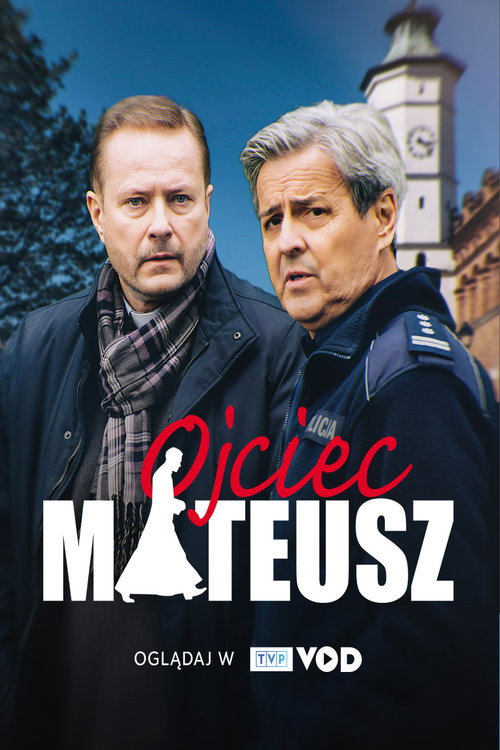
Ojciec Mateusz

A series about the adventures of a Polish secret agent, Hans Kloss, who acts as a double agent in the Abwehr during Second World War in occupied Poland.
More Than Life At Stake
No description available.
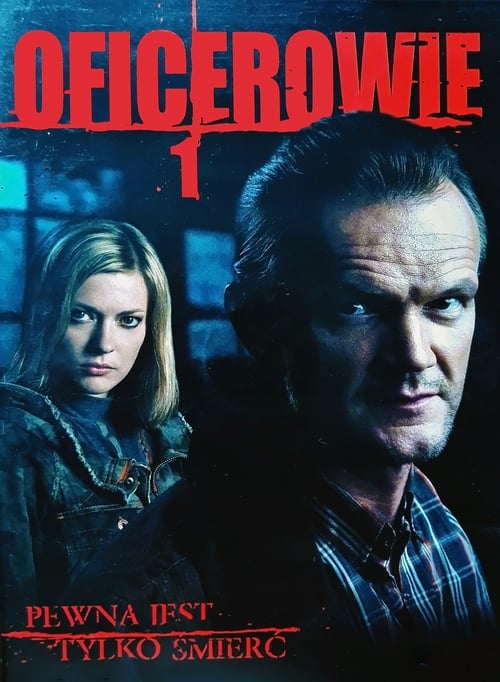
Oficerowie
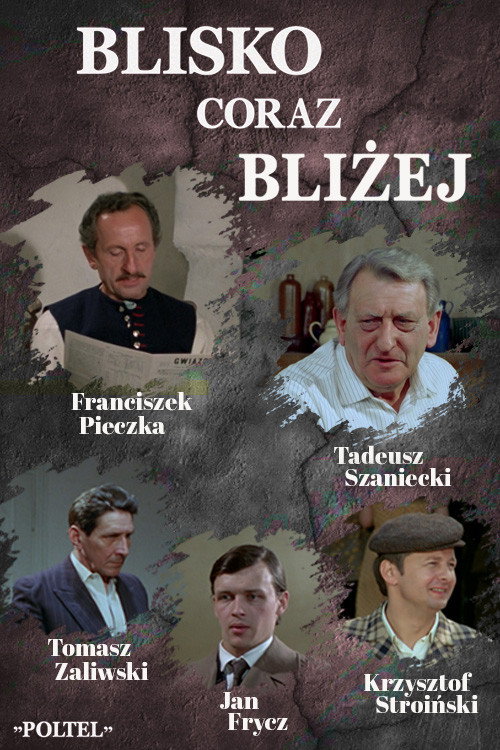
The story stretches from 1863 to 1945. Its main characters are representatives of the Pasternik family, who live in the fictional village of Wielowice near Pszczyna. The protagonist of the first three episodes is Franciszek Pasternik, the following parts tell about the fate of his many children and even more grandchildren. The viewer follows their history against the backdrop of great changes and historical events that influenced the lives of Silesian Poles. So there is the Kulturkampf, Prussian rugi, the revolution of 1905, World War I and the Silesian Uprisings.
Blisko, coraz bliżej
No description available.
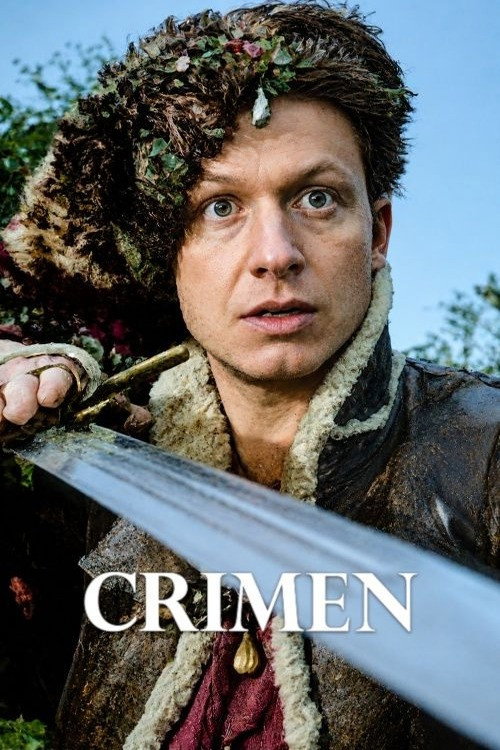
Crimen

On September 1st, 1939, Nazi Germany invades Poland, unleashing World War II. On September 17th, the Soviet Red Army crosses the border. The Polish army, unable to fight on two fronts, is defeated. Thousands of Polish men, both military and government officials, are captured by the invaders. Their fate will only be known several years later.
Katyn
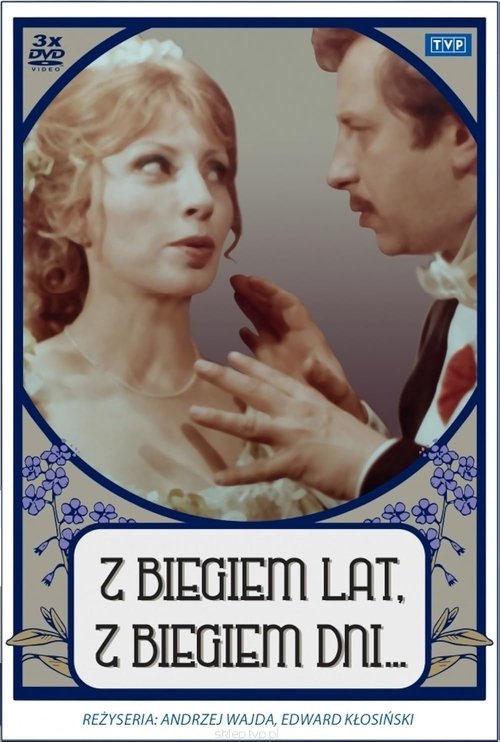
A story about the fate of two Krakow families, the action takes place in the years 1874-1914.
As the Days Come and the Days Go

Following the death of his mother in '80s Poland, 12-year-old Wojciech has taken the brunt of his stressed father's frustrations with him; the boy frequently gets punished via belt. Wojciech's father occasionally tries to, instead, bond with him, but soon snaps back to his short-fused habits. Apart from Wojciech's friend Bartek, no one does anything to help. Jump to present day, Wojciech is a furrow-browed journalist who spends most of his spare time spelunking alone. Just like his father, he has serious anger management issues. Fellow caver Tania feels inexplicably attracted to him, but the love of a good woman may not be enough.
The Welts
No description available.
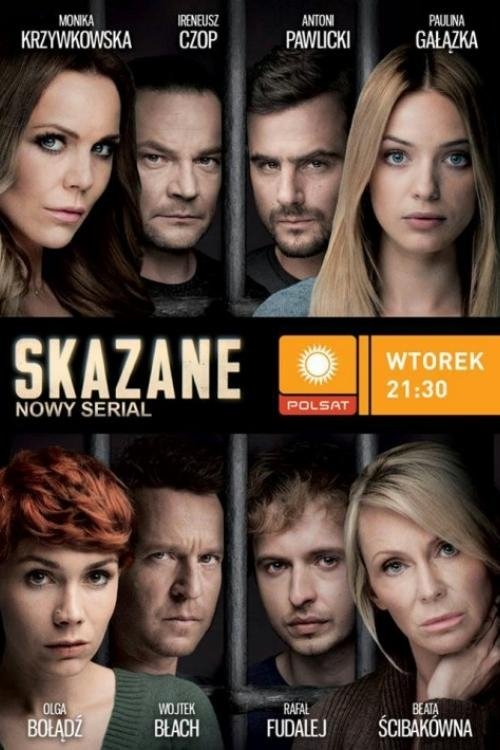
Skazane

A careerist from Warsaw, who does not like dogs, has to go to Kraków for professional reasons, where she meets a charming widower, his son and their four-legged pet.
Heart Parade
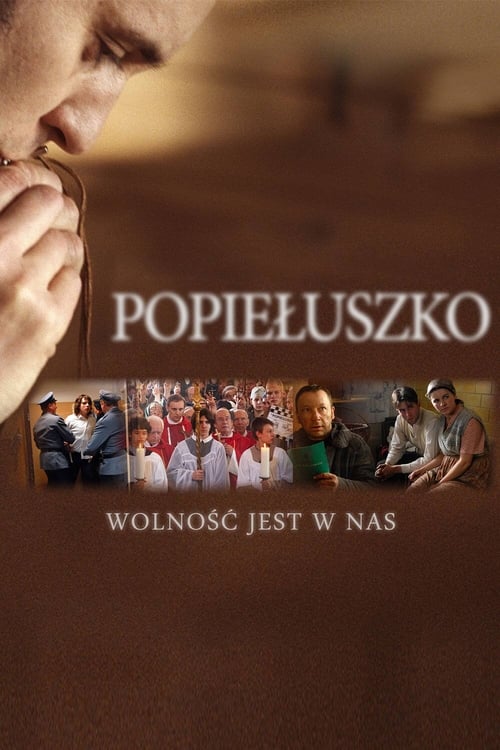
Story of life of Father Jerzy Popieluszko, the priest called "The Solidarity Chaplain", murdered by communist secret police.
Popieluszko: Freedom Is Within Us
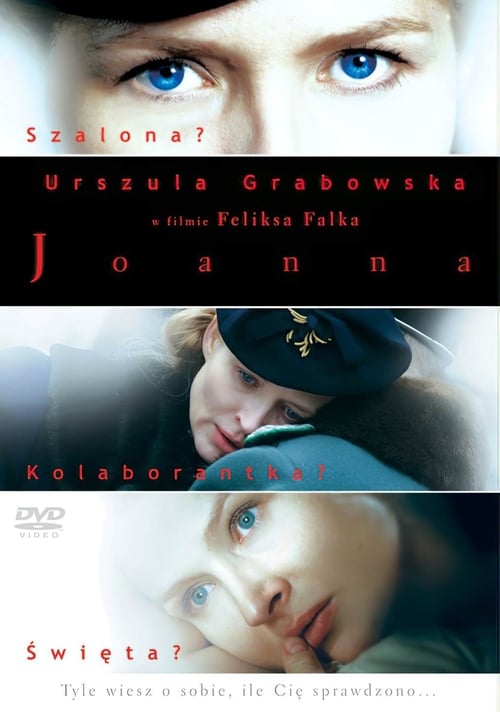
In an era in which it is difficult for the true emotion and excitement, Feliks Falk found the key to the human heart. How many of us love? How much we are able to self-sacrifice? Is there a price that can not pay, when it comes to life of a loved one? Are we really as good as we think about yourself? In Joanna's life is given forever. Today's friend suddenly becomes an enemy. Reflex heart turns into a curse. When one of the lonely woman takes care of little girls-czynkę do not know that from now on, her life will be sweet - bitter taste. Fate in this film is everything. Allows people to find that in a moment blow and lead to separation. After-forgives love, for which you have to pay a huge price. Fulfills the promise of happiness loneliness, brittle as glass.
Joanna
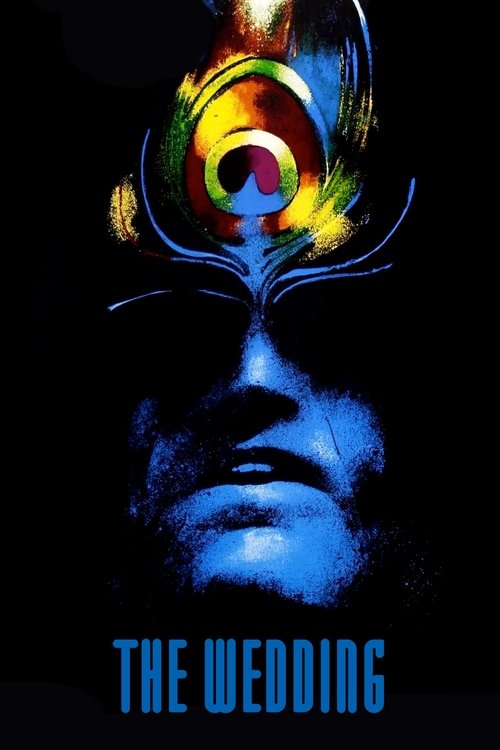
Set at the turn of the century, the story concerns a Polish poet living in Cracow who has decided to marry a peasant girl. The wedding is attended by a heterogenous group of people from all strata of Polish society, who dance, get drunk and lament Poland's 100-year-long division under Russia, Prussia, and Austria. The bridegroom, a painter friend, and a journalist each in turn is confronted with spectres of Polish past.
The Wedding
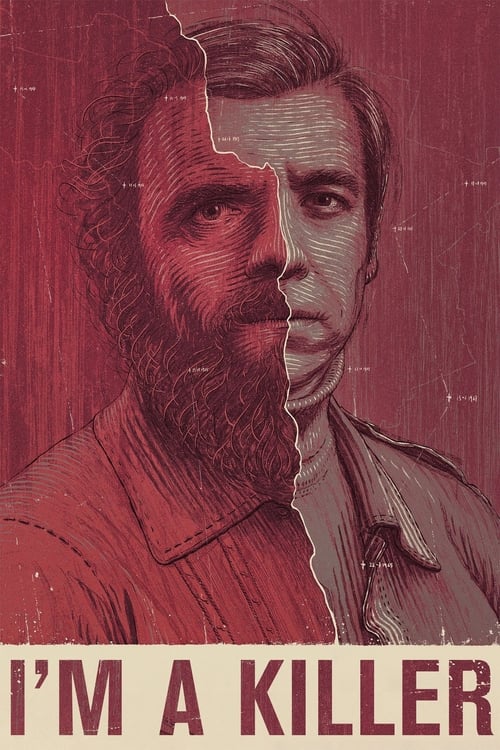
Inspired by true events from the 1970s, the story revolves around a young detective who becomes the head of a police unit focused on catching a rampant serial killer of women, nicknamed 'The Silesian Vampire'.
I'm a Killer
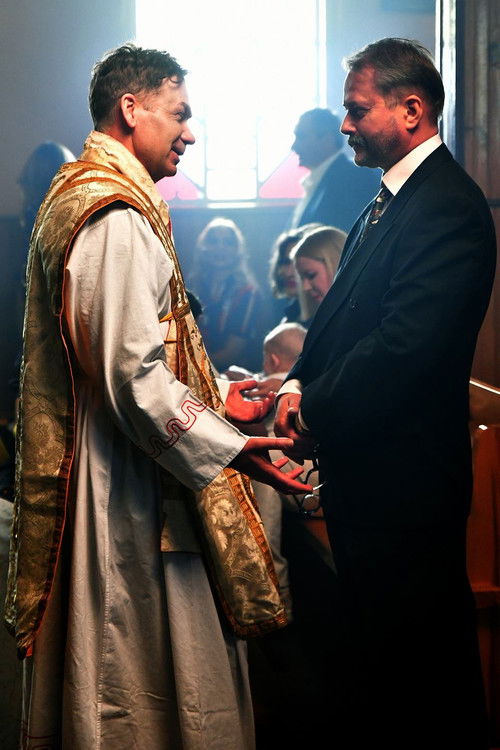
In 2011, a psychiatric patient is visited by a postulate. The patient is a retired head of the "D" Group – a secret department of the Security Service to fight against the Polish Catholic church. Murders, beatings, blackmails, provocations, robberies, those are standard methods of operation for its officers. The postulate wants to unravel the mystery of the death of priest Roman Kotlarz, a parish priest from Pelagow.
Clergyman
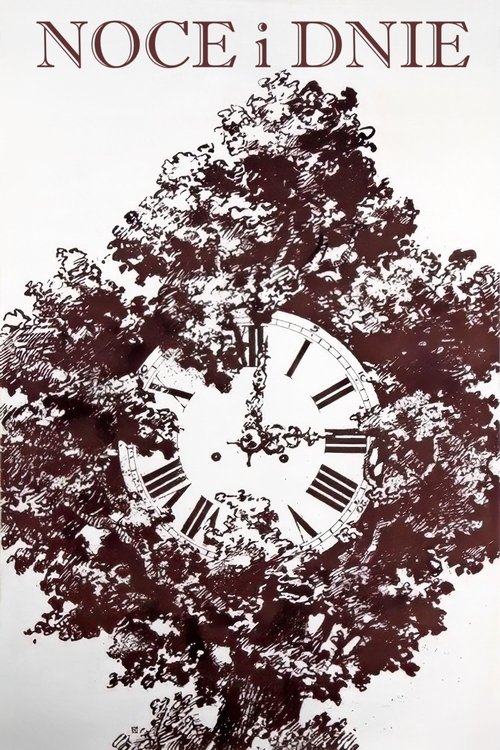
A family saga of Barbara Ostrzeńska-Niechcic and Bogumił Niechcic against the backdrop of the January Uprising of 1863 and World War I. The film is a rather straightforward and faithful adaptation of a novel by Maria Dabrowska with the same title. The plot is woven around the changing fortunes of a noble (upper-class) Niechcic family in the pre-WWI Poland. There are two main crossing threads: a social history one and an existential one.
Nights and Days
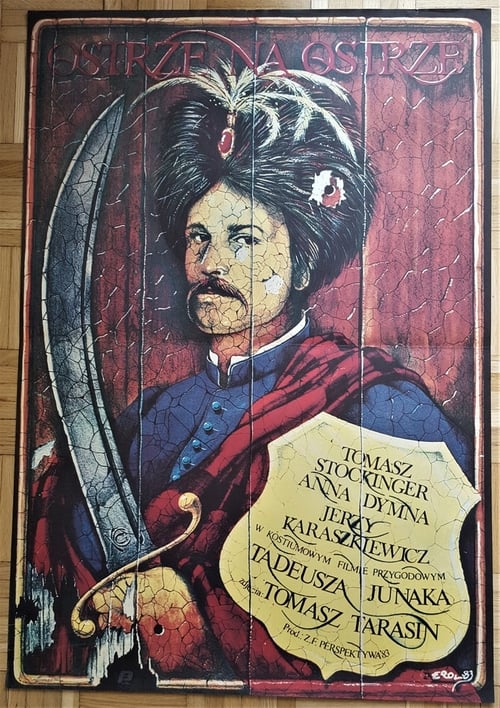
The action of the film takes place in the 17th century. Piotr Wolski returns to the country and is appointed juridic governor. A man tries to rule fairly and restore order. He soon falls in love with Konstancja, but his background causes problems.
Ostrze na ostrze
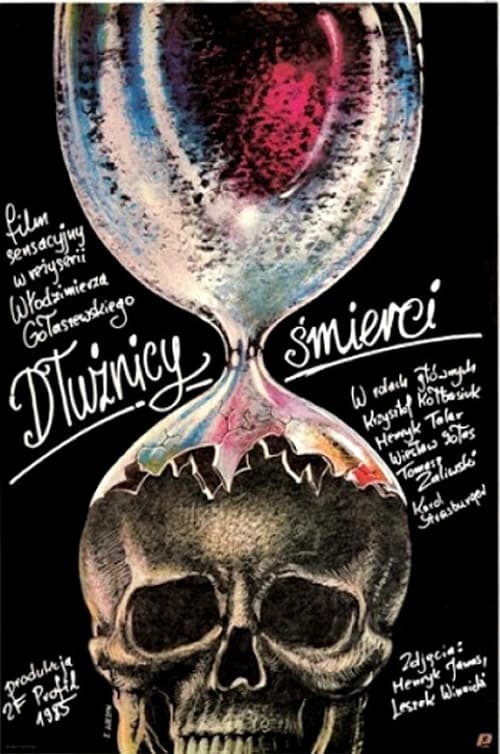
Poland 1946. Militia looks for commander of anticommunist partisans called Grom (Thunder). It quickly comes out that militiamen have to discover a rat in their group.
Dłużnicy śmierci
The final stage of the great artist's life, a stage in which Witkacy decides to destroy himself. A growing sense of danger, the futility of all actions, and fear of what is to come accompany him constantly during his escape from Warsaw to the East at the outbreak of World War II. Everyday facts and events are intertwined in the film with reminiscences and images from his life, supported by the artist's inner monologue. The style of narration and the way of filming make the film a poignant study of the writer's inner disintegration. By emphasizing the painterly quality of the image and introducing dreamlike themes, Kluba captures on screen the characteristics of both Witkacy's playwriting and painting.