Directing
No description available.
Jutta and Eric were once lovers and aspiring chefs in the Spree Forest region of East Germany. Too prone too brilliant but risky improvisation, Jutta fell into obscurity; Eric defected to the West and became famous. Now he has returned to enlist her aid of crucial cooking contest - does this portend rekindled romance or cynical exploitation?
Short directed by Gordian Maugg
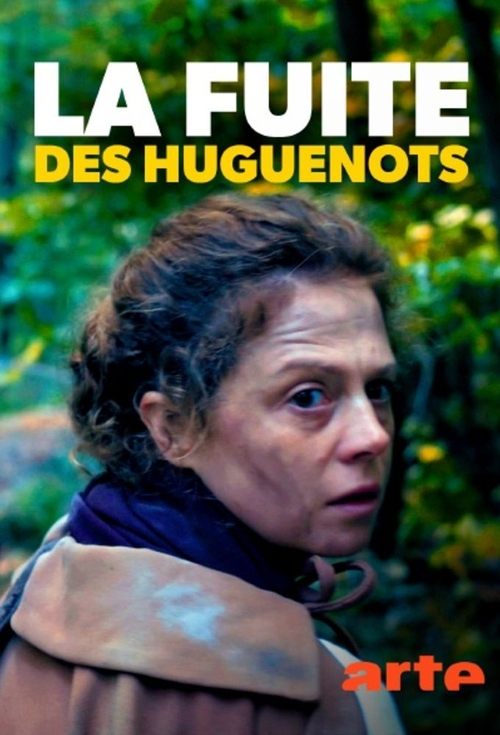
French King Louis XIV revoked the Edict of Nantes in 1685, a document that had protected the rights of French protestants for almost one hundred years. The decision led to a mass exodus of French Protestants with many going to Prussia.
As a 25-year-old legal trainee Sebastian Haffner experienced the assumption of power of Hitler in Berlin in 1933. He became a witness of a dramatic upheaval which changed also his life fundamentally. His best friend had to emigrate hastily, the love to a young Jewish woman broke up. Haffner himself could avoid the whirlpool from terror and seduction less and less. His life became a dangerous tightrope walk between adaptation and refusal. He emigrated to England in 1938. Decades after the war he was one of the most famous journalists of the Bonn republic.
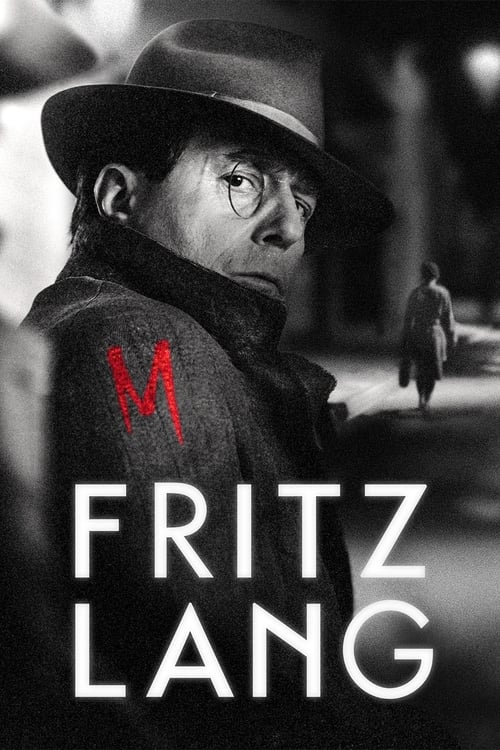
Filmmaker Fritz Lang seeks inspiration for his first sound film by immersing himself in the case of serial killer Peter Kürten.
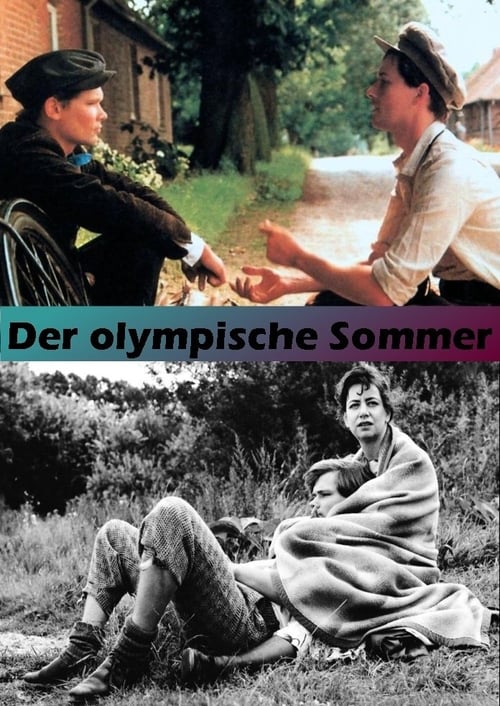
In 1936 Nazi Germany, a young, innocent apprentice, full of Olympic fever, leaves his rural village to see the ceremonies in Berlin. Upon arriving in the capitol, he meets a widow and a relationship blossoms. They spend an idyllic summer at her lakeside home, but the forces of totalitarianism cannot be held at bay and soon invade their lives.
Drama directed by Gordian Maugg
In the chaotic, highly emotional period after the First World War in 1918, the foreign ministers Gustav Stresemann (1878-1929) and Aristide Briand (1862-1932) put all their energies into trying to lead their countries, Germany and France, which were at enmity with each other, into a peaceful future and a united Europe. After their deaths, Europe has to go through a second hell before the plan of these two visionaries succeeds. The cinematic mix of archive footage and re-enactments shows two statesmen, full of facts and emotion, who give each other nothing in difficult negotiations, but at the same time hold on to their shared vision. Even if these two human lives were not enough to reap the fruits of their labor, they sowed the seeds for the next generation. In 1926, Aristide Briand and Gustav Stresemann were awarded the Nobel Peace Prize. It is a sign that the peoples of the world believe in a Europe at peace.
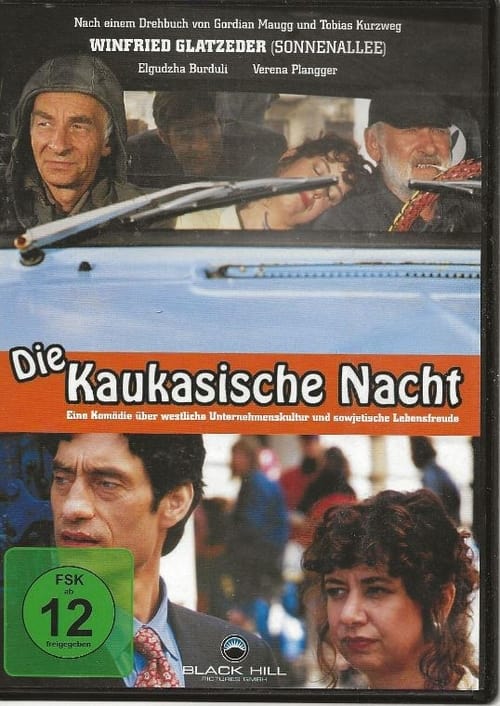
When a German businessman heads to Russia with his wife and son Stefan on a business venture following the end of the Cold War, he quickly finds that the way east and west do business differs greatly. In the meantime, his son Stefan forms a friendship with his father’s local business partner’s son Tengis.
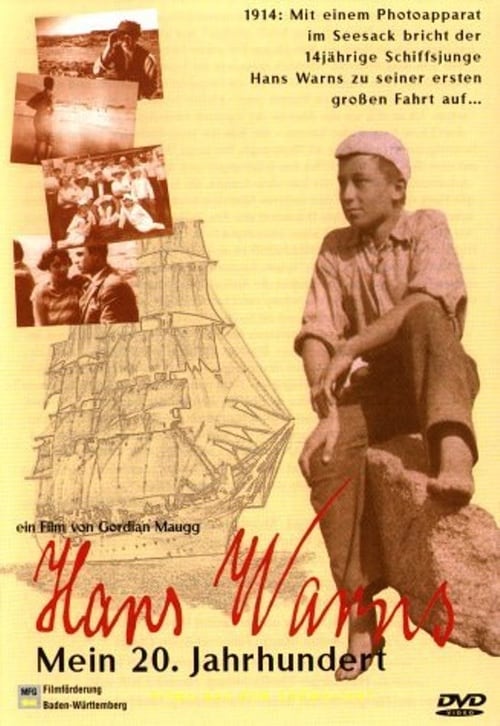
A 14-year-old boy becomes a ship's boy and embarks on a voyage to Chile...
German director Gordian Maugg creates this curious documentary/reenactment of the life of Hans Warn, adventuring sailor-turned-photographer. Born in Bremen in 1899, the young Hans signs on to the good ship Herbert in 1914, but not before he persuades his mother to buy him a camera. What starts as a hobby soon develops into a passion. Soon Hans is documenting his life on the high seas and his ship's six-month capture during World War I. Later, Hans marries the girl next door, Wilma, but their family life is sporadic because of his seafaring career. Maugg uses a wide palette of cinematic tricks and devices to recall the early years of the century, including sepia tinting, decorative intertitles, distressed footage, and other idioms of early silent documentaries.
In 1929, on the shores of Lake Constance, zeppelins are being built in the small town of Friedrichshafen. Fascinated by airships, Robert gets a job in the assembly shop thanks to Thea's brother Konrad, with whom he has fallen madly in love. The trio spent all their spare time together, frequently accompanied by Karl. In 1937, obsessed with zeppelins, Robert, now the father of a young Jakob, abandons his wife. One night, Konrad died under mysterious circumstances when he fell from a ready-to-launch Hindenburg. A few months later, Robert also died aboard an airship. In the 70s, Jakob, then his own son, Matthias, in 2005, will successively try to understand what happened...