Acting
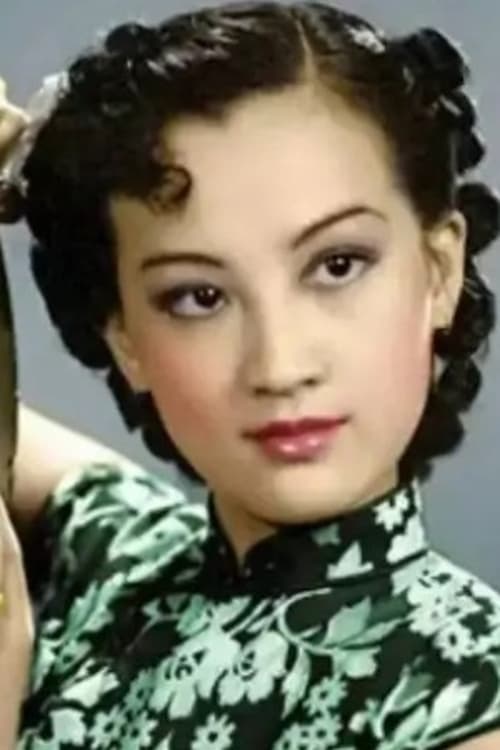
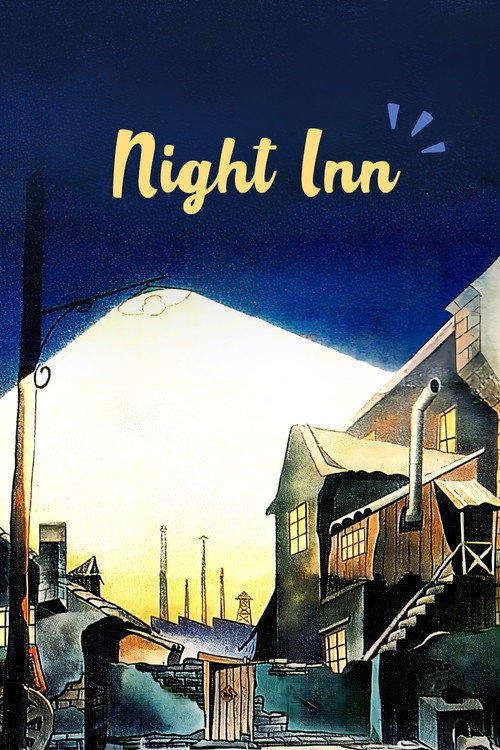
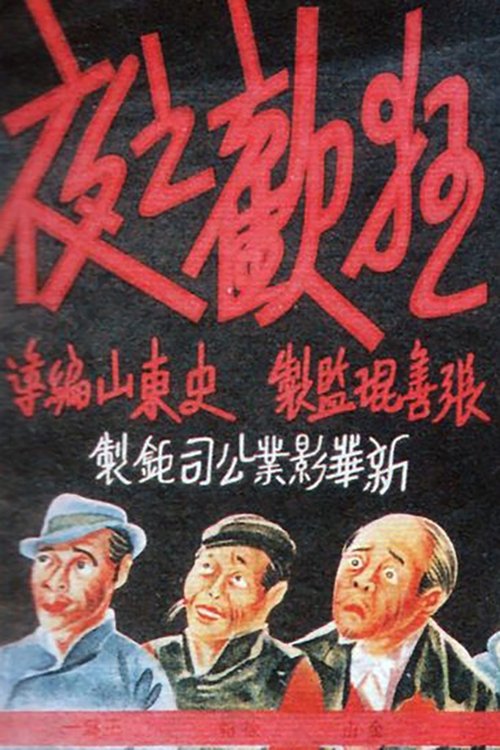
Night Inn (Chinese: 夜店; pinyin: Yè Diǎn) is a Chinese black-and-white film released in 1947, directed by Huang Zuolin and starring the popular Shanghai singer Zhou Xuan. The film is based on the Chinese theatrical adaptation of Maxim Gorky's The Lower Depths by playwright Ke Ling. The play and the film were both banned in China during the Cultural Revolution but were popular in the post-Mao period.
No description available.
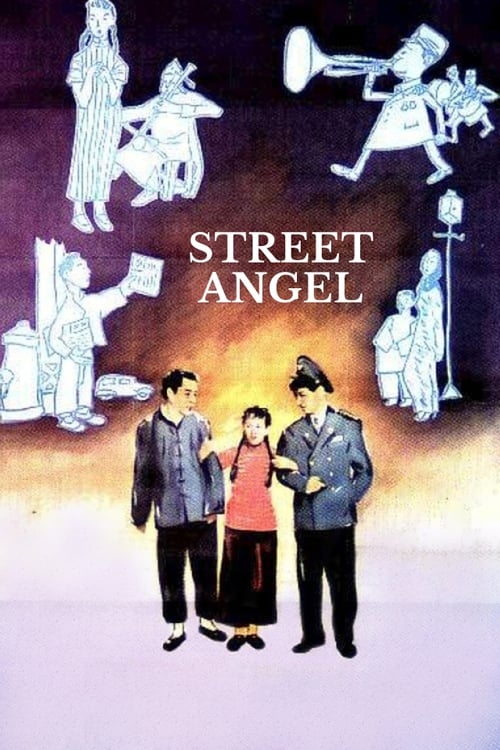
In old Shanghai, two sisters, a prostitute and a singer, try to escape from the local scoundrels with the help of a trumpet player and a newspaper seller.
Three women, three generations. This is a Chinese family without love in 1940s.
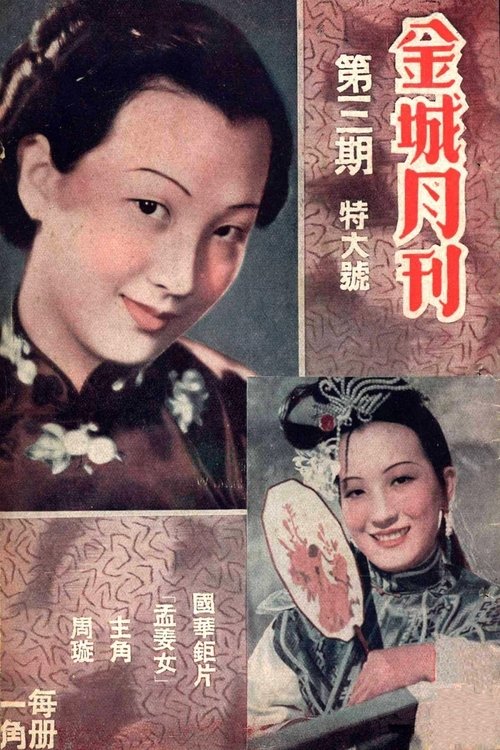
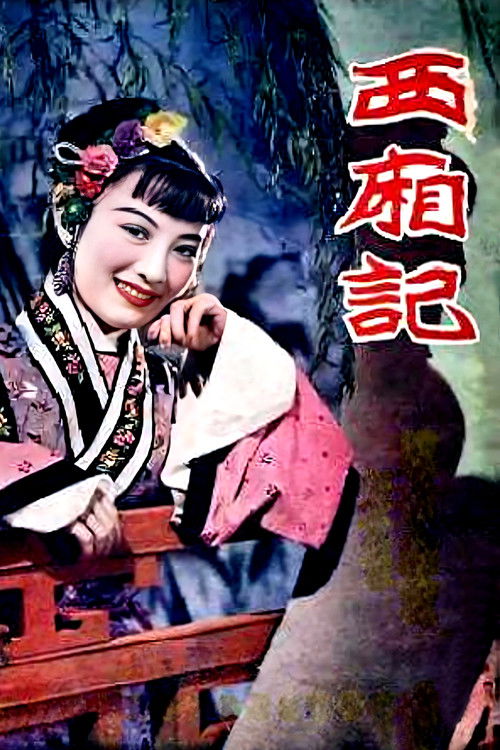
Based on the famous 18th century Chinese novel with the same name. Set during the 1700s in China, a prominent family loses its good luck when one of the sons loses the jade chip that was embedded in his mouth.
Based on the play The Government Inspector by Nikolay Gogol.
The young poet Xin Baihe flees Shanghai with his friend, Liang. Liang soon joins the resistance against the Japanese invaders, but Xin chooses to pursue a relationship with a glamorous and westernized widow in Qingdao. After hearing that Liang has been killed, Xin has a change of heart and rushes to join the war effort.
The film focused on a conflict between Empress Dowager Cixi, her son Guangxi (the nominal emperor) and his wife, Zhen Fei.
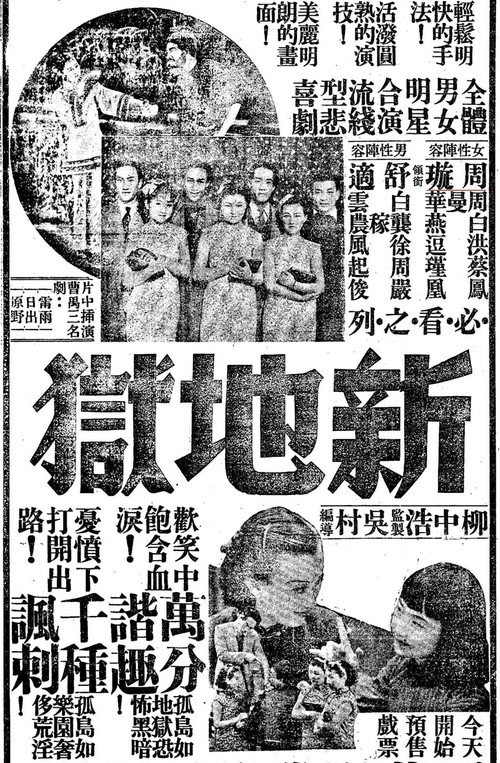
Three women fled to Shanghai due to the war and rented a room in the back of a building. They met four homeless men, who, coincidentally, lived next door, and the seven became friends. When the landlord cut off the electricity to a tenant who couldn't pay their rent, the seven intervened and learned that the man of the house was serving in the army, leaving only the invulnerables in the family. To help them, the seven performed an open-air play in the city center square to raise funds.
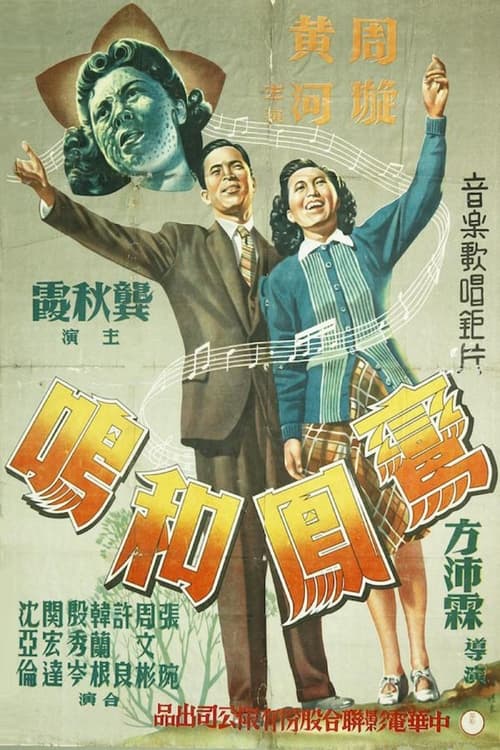
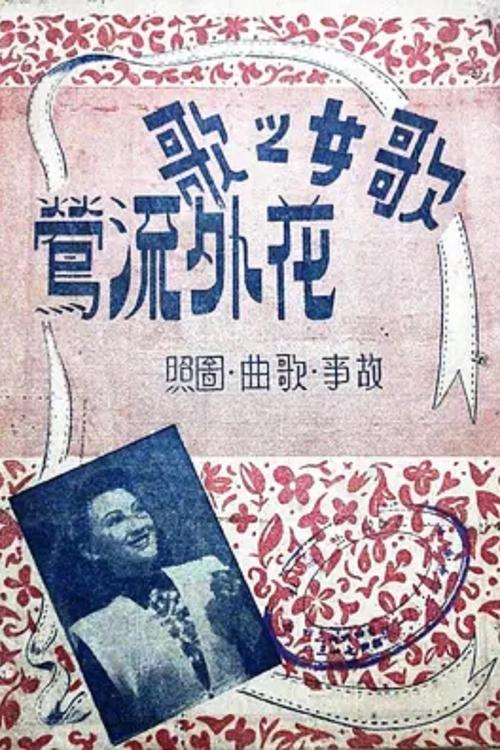
"Among the many filmmakers who immigrated to Hong Kong after WWII was theater tycoon Jiang Boying, who established the company Great China in 1946, inviting fellow migrants to work on the first post-war Mandarin films of Hong Kong. Their hearts still anchored in Shanghai, they made films catered to the mainland market, with production modes of the former glory days. Fan Peilin, a virtuoso in musicals, was invited south to make Orioles Banished from the Flowers, dying in the crash of the returning flight. The only two films Fan made in Hong Kong–the other one Song of the Songstress–are thus his last. Both star the singing-acting superstar Zhou Xuan. In this MusCom–musical comedy–Zhou plays not the hapless songstress but a vivacious, willful youngster, rollicking between a young man and his girlfriend, resulting in a series of embarrassing but amusing situations. A remarkable sample of transplanted Shanghai-style entertainment."-- Hong Kong Film Archive
Yuerong is an downtrodden orphan girl. She is taken in by Erhe, a rickshaw driver, whose neighbors, recognizing her intelligence and singing talent, recommend her for opera lessons. However, the manager Liu soon begins to take advantage of her.
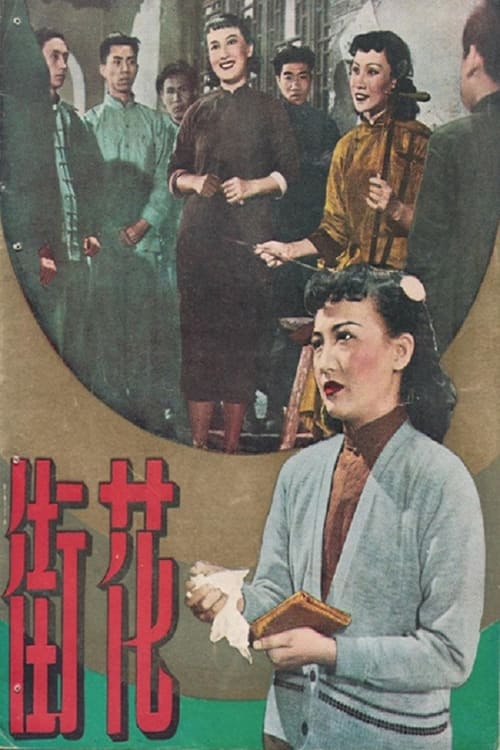
Flower Street is a place where people from the jungle live, and the street is a place where people from the marketplace gather. Zhaogou and his wife, Bai Lanhua, make a living as singers in the House of Delight and have a daughter, Daping. Daping enrolls in school, and her best friend Lian Bao is also helped by Zhaogou to learn the art, and later moves on to work as an apprentice in a factory. During the war, Zhaoxu's family fled, but his grandmother insisted on staying behind. Zhaogou is separated from his wife and daughter on the road; Daping wanders around with his mother and sells songs, and after a few twists and turns, he and his mother are able to return to Flower Street.
May be lost.
A young woman struggling by as a street performer is noticed for her enchanting voice.