Directing
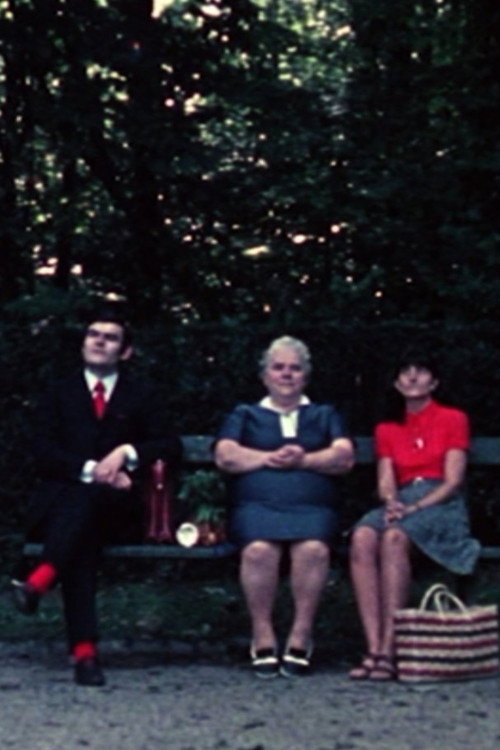
"There are people who never go and sit on a public bench and there are people who sometimes go and sit on a public bench. These are very different people, the former walk very fast, the latter arrive, stay a moment and then leave. And it was the latter who interested me in particular. What do they do? Do they talk to each other? What do they say? My idea was to make a short film about that, showing five people who are very different from each other but who were all able to come and have a chat for a moment on a public bench." (Patrick Van Antwerpen)
No description available.
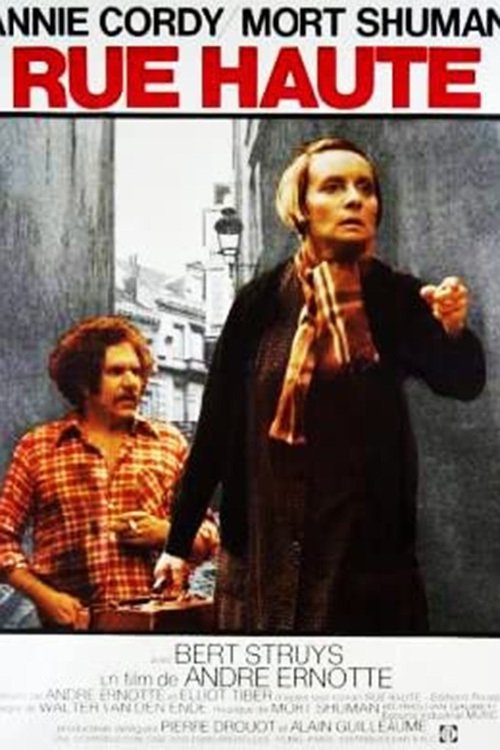
David, an American Jewish painter in Brussels for an exhibit, becomes obsessed with Mimi, a mentally ill Belgium woman. As he uncovers the World War II roots of her disturbance, however, he increasingly manifests her symptoms.
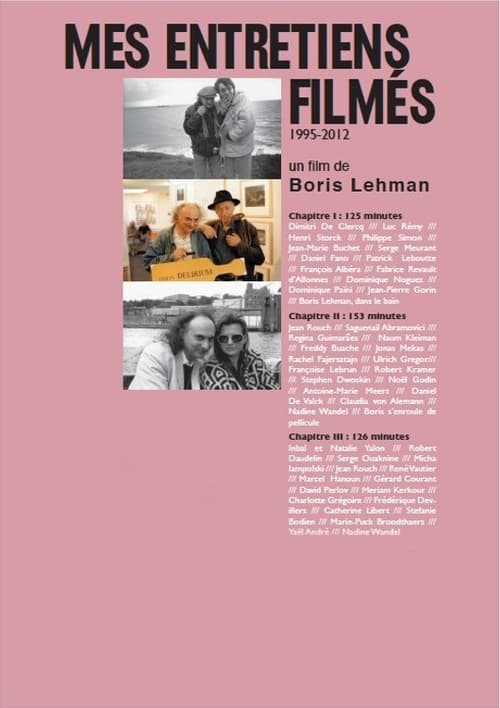
This distinctly personal journey into the artistic possibilities of independent film is not to be missed. Jonas Mekas, Jean-Pierre Gorin, Robert Kramer and many other visionaries and mavericks of the silver screen – as well as a book seller, a critic and a psychoanalyst – discuss what cinema has meant to them, what it is and what it could be and, implicitly, how it has changed over the 18 years in which this film was shot. Director Boris Lehman leads the charge, drawing in moments of absurdist humour and inventive camera work; he keeps things raw and spontaneous. His encounters with the now much-missed Jean Rouch and Stephen Dwoskin are particularly touching and stand testament to their personal playfulness and candour. An engaging, absorbing, epic odyssey of a movie.
A bourgeoisie client is transformed into a mouse and cannibalized by a prostitute in flagrante delicto with the camera changing focus in time to her breathing.
Shots of a car speeding down the road are intercut with kinky sex flashes (a woman with a whip rides a guy, for instance). Then the car crashes into a tree, the male driver (Christian Chaix) is decapitated and the bloody, injured female (Marie-Paule Mailleux) scoops up his head and returns to her home. There, she cleans herself and the head off, prepares dinner for herself and the head, buys the head a Ken Doll to keep it company, puts the head on a mannequin's body and then has a series of strange hallucinations, which include having sex with her bloodied lover, dancing in a room by herself with a spotlight, etc. Things culminate in her having sex with the head and then throwing it into the trash bin.
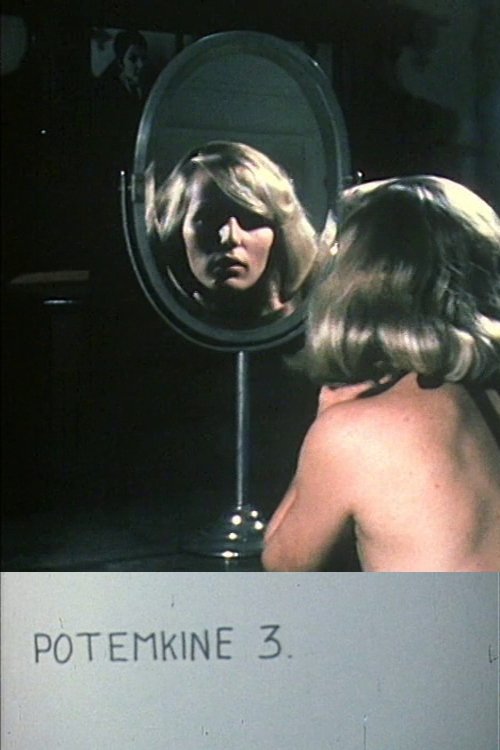
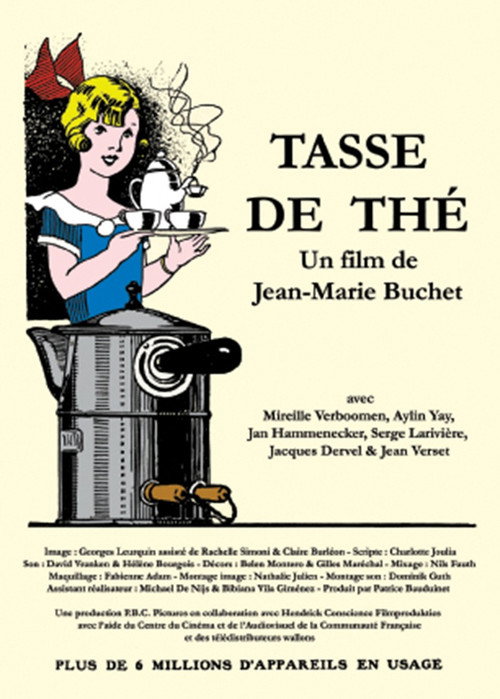
Recovering all of the intertitles of the Battleship Potemkin, Jean-Marie Buchet substitutes for the images of the film various views that he himself shot and which are unrelated to the initial work, thus joining the technique of diversion widely recommended and applied by the Situationists.
On Bernadette's advice, Jacqueline calls Gustave. She wants him to intervene with Jérôme, with whom she no longer wishes to speak. However, Gustave refuses to help her without saying why. She then calls Denise. Denise knows the reason, but she doesn't want to tell her either. Denise does offer to help Jacqueline, though...
The last film prohibited by Francisco Franco. Jean-Marie Buchet plays the role of a collector of used tampons in this avant-garde comedy-adventure film.
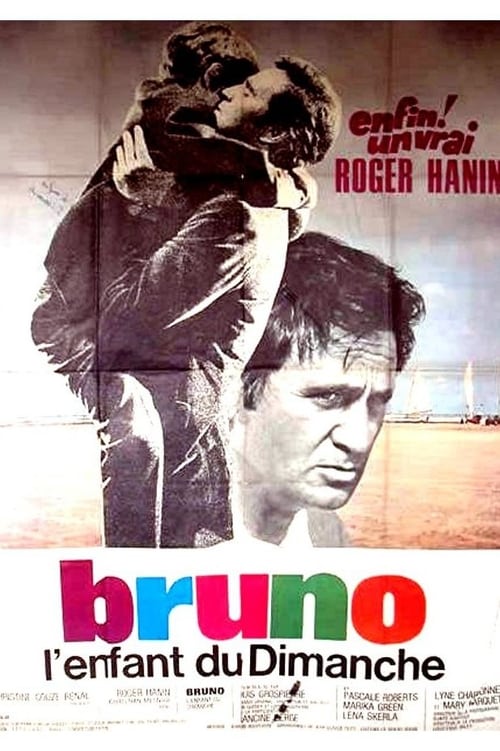
The weekend of August 15th gives the opportunity to Michel Fauvet, a recently divorced father, to spend two full days with Bruno, his thirteen-year-old son, that he can normally see only one Sunday a month. Feeling guilty, he tries to compensate for the trauma inflicted to Bruno by giving him presents. This time around, Michel has decided to treat him to a nice trip to Bruges and the Belgian Coast. Which will not prevent Bruno from asking his father disturbing questions.
An actor pretends to be a writer. He sits in his office, reflects and puts words to paper, which are then performed by Jan Decorte. The text influences the situations shown and vice versa [Avila].
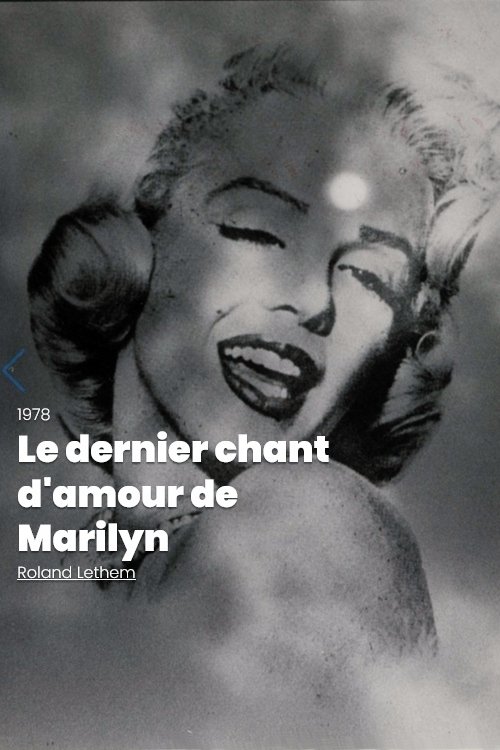
Marilyn’s shine flickering into your eyes, Marilyn’s mind melting into your mind, Marilyn’s heart beating inside of your chest,…if you so wish. – R.L.Before you start the film please light a candle and after stopping the film, please blow it out. Should the candle accidentally stop burning, do not light it anew: it means that the performance is over.
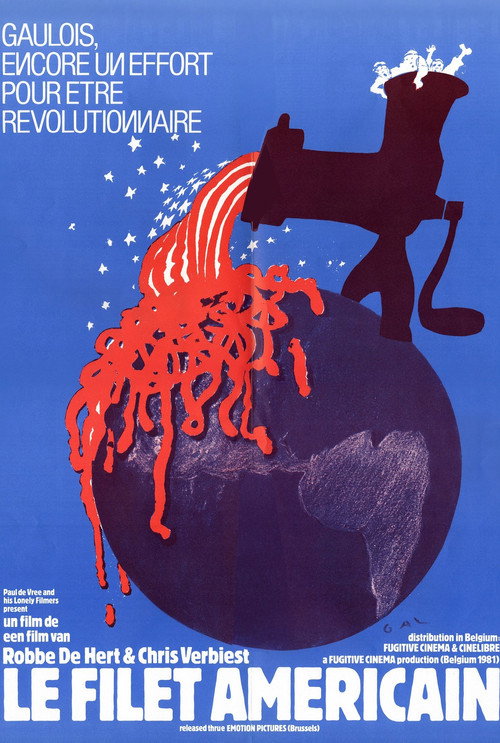
The documentary's legacy lies in its unapologetic fusion of agitprop and satire, a signature style of De Hert’s Fugitive Cinema collective. By juxtaposing Mandel’s economic theories with absurd military parades, the film exposes the contradictions of a society preparing for war while its social fabric decays. De Hert employs rapid montage, pop music, and street-level interviews to strip away the facade of state authority.Decades later, Le Filet Américain remains a vital historical document. It captures a specific era of Belgian polarization, marked by economic crises and the rise of the gendarmerie. The metaphor of the meat grinder endures as a powerful critique of how institutional systems compromise individual dignity for corporate profit.
Saddam Hussein is alive and well and he lives in Brussels.
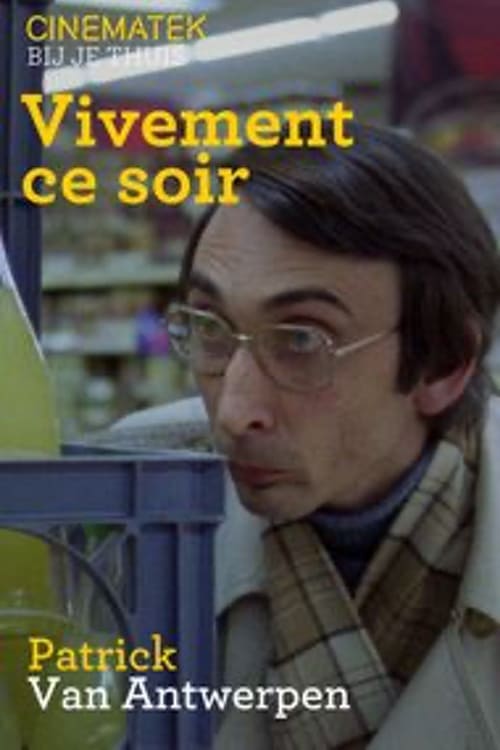
The film records a day in a supermarket in the Brussels region. The story of this day's little events, both comic and touching, provides the general framework of the film. The situations which are conveyed through an accumulation of quick, light touches, highlight some of the ways we behave in connection with food, the repetitive element in our gestures and movements in this everyday, enclosed world which is so familiar. The film is based on the observation of a supermarket and the people who shop or work there. More and more of their various personalities emerge in the course of the day. They all have their importance: we get to know them from the outside, like people in a group photo where each has his own place. All these individuals cross each other's paths, meet each other, bump into each other again and fill in the framework of the film with a many-sided tableau.