Art
A female vampire must bathe in the blood of virgins in order to stay alive. The trouble is that virgins are in short supply nowadays, and she is running into major problems in finding one.
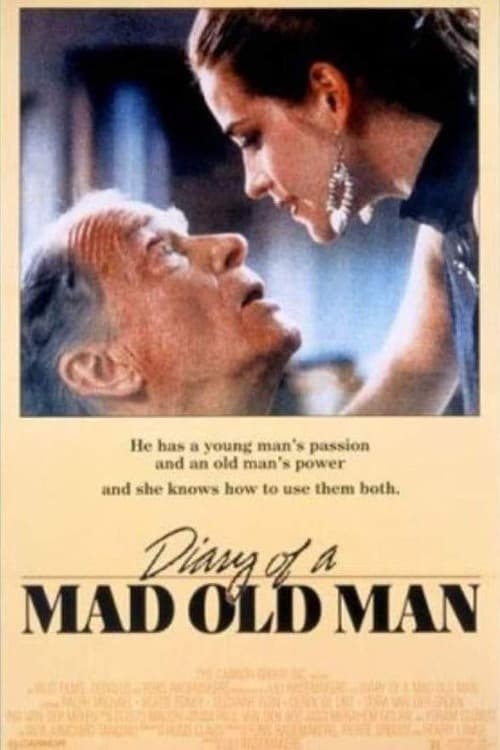
In this erotic drama, Marcel fantasizes about being with his daughter-in-law Simone after the death of his wife. The woman pretends to be surprised over his attention but does nothing to discourage his advances. He promises to build her a swimming pool in order to further his fantasies. The story is taken from the novel by Junichiro Tamizaki.
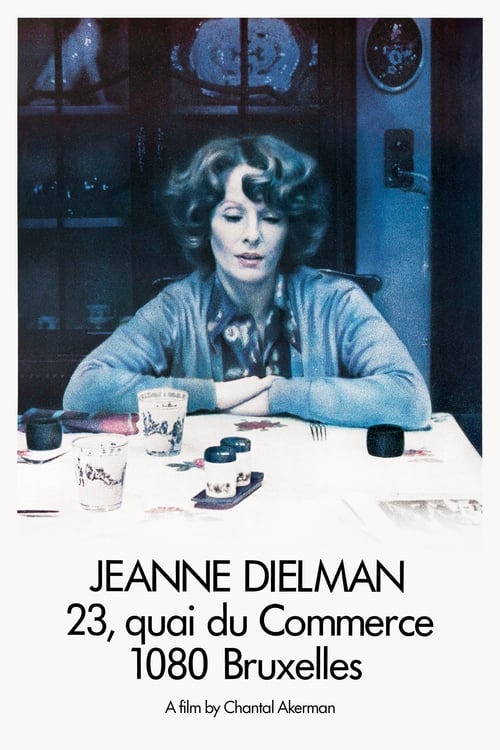
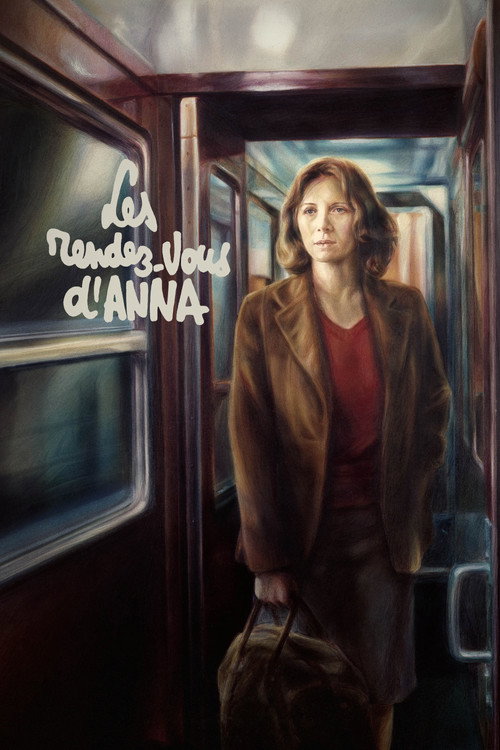
A lonely young widow lives with her son following an immutable order: while the boy is in school, she cares for their apartment, does chores, and receives clients in the afternoon.
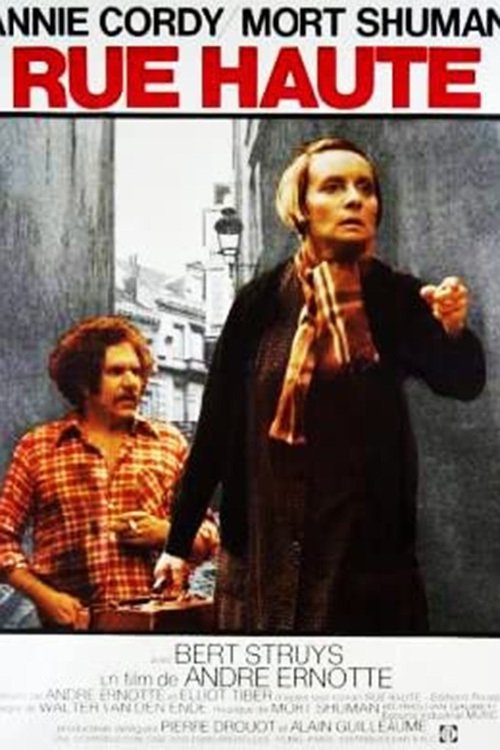
David, an American Jewish painter in Brussels for an exhibit, becomes obsessed with Mimi, a mentally ill Belgium woman. As he uncovers the World War II roots of her disturbance, however, he increasingly manifests her symptoms.
Shots of a car speeding down the road are intercut with kinky sex flashes (a woman with a whip rides a guy, for instance). Then the car crashes into a tree, the male driver (Christian Chaix) is decapitated and the bloody, injured female (Marie-Paule Mailleux) scoops up his head and returns to her home. There, she cleans herself and the head off, prepares dinner for herself and the head, buys the head a Ken Doll to keep it company, puts the head on a mannequin's body and then has a series of strange hallucinations, which include having sex with her bloodied lover, dancing in a room by herself with a spotlight, etc. Things culminate in her having sex with the head and then throwing it into the trash bin.
1955, un internat en Belgique. Laurent Matagne, 17 ans, croit discerner sous l'identité de son professeur de français surnommé "Vapeur", son père disparu lors d'un raid aérien pendant la guerre 40. Vapeur est excentrique, mystérieux, inquiétant, brillant, et il communique vite à Laurent sa passion pour la littérature, au point de susciter chez lui une vocation d'écrivain. Matagne et son ami Boulette décident de mener l'enquête. Alors qu'ils échafaudent un plan pour confondre Vapeur, Matagne s'attèle à son premier roman.
Cécile teaches English at the Collegium in Bruges. She has a boyfriend, Thomas, a student at the Beaux-Arts. Cécile lives with Mrs. Hanka, who reads horoscopes and surrounds herself with natal charts. She says she's known a lot about people for 30 years.
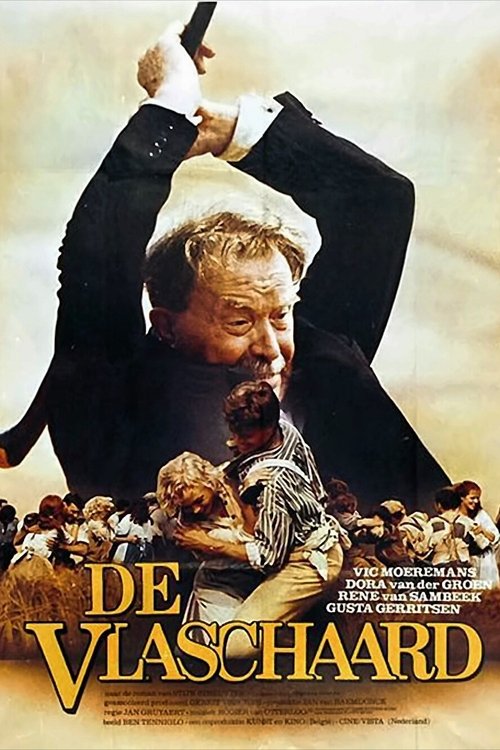
In a part of Flanders where flax is the main crop, farmer Vermeulen rules his estate like an 'old school' patriarch, stern and authoritarian, nobody else's word is ever taken seriously, just scolded fools, he rather risks being wrong then considering any advice. His marriage is based on a grim understanding: the wife Barbele accepts his heartless manner with everyone, even their studious, smart, healthy, studly son and heir Louis, but his two silly sisters are spoiled with a pointless fancy nunnery boarding school education fit for the upper classes. Farm-life is hard enough, laboring without machines or reliable weather, but this year the stubborn master made it even worse by picking the riskier, badly drained field and sowing later then his neighbors, even when luck turns he'll fetch a lower price for it. Poor practically perfect Louis is granted neither praise, respect nor any pleasure, however hard and well he slaves, obedient like the hired farmhands although well-read. Even ...
In the Belgian hamlet of Verbrande Brug, former lovers Monique and Louis reconnect at a carnival, stirring up drama with their current partners.
In this film version of the Dutch-language classic ('heimat'-)novel by Flemish author Felix Timmermans, the title character is a city-boy from Lier who after recovering from a life-threatening disease changes his life completely and his name to the self-invented Pallieter. He moves in with Charlote, a naive, caring relative in the country, where he starts frolicking, no longer caring for image, career or possessions, but concentrates on enjoying life -such as a draftee relative's Brueghelian wedding- and finds love with Marieke. A dark story-line however is when projected work on the river in the name of economical progress threatens the rural landscape they have fallen in love with...
Detached filmmaker Anna Silver arrives in Germany to show her latest film; over the course of some days, she encounters a variety of new and old faces, some of whom make personal revelations to her to little affect.
No description available.
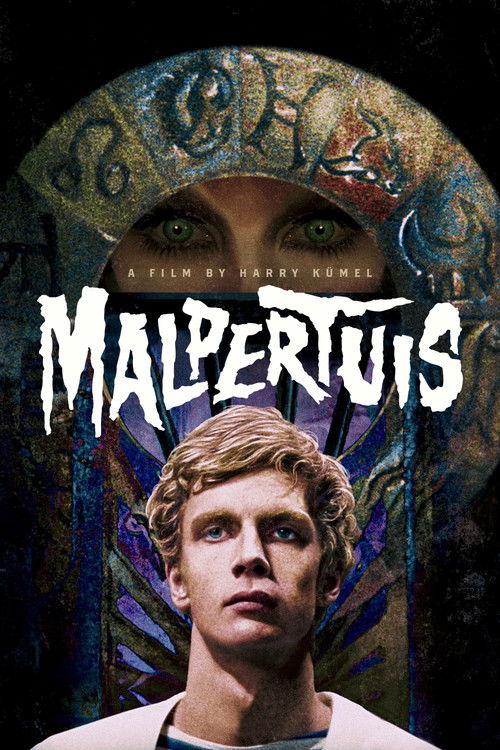
A young sailor finds himself trapped in the labyrinthine mansion of his occultist uncle, along with a number of eccentric and mysterious relatives who all seem to be harboring a dark secret.
Nick Vandom met his local friend Mai as a soldier during the Vietnam War. When the US troops flee the withdrawal, Nick manages to make his way to the airport with Mai, where the two become their own. Nick returns to the US and leaves May to an uncertain fate. In the years ahead, Nick had a bad conscience. When he responded to a letter from Mai with a cry for help six years later, he immediately set off for Thailand. When Nick found out there that Mai was hiding in the girl's descriptive, forcible ...
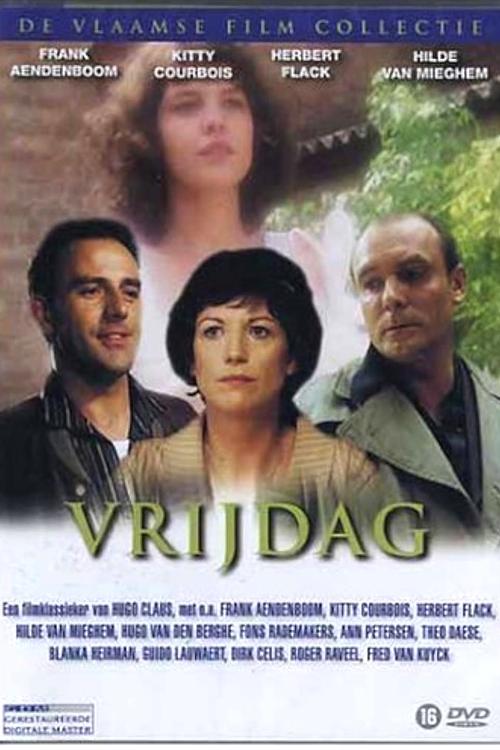
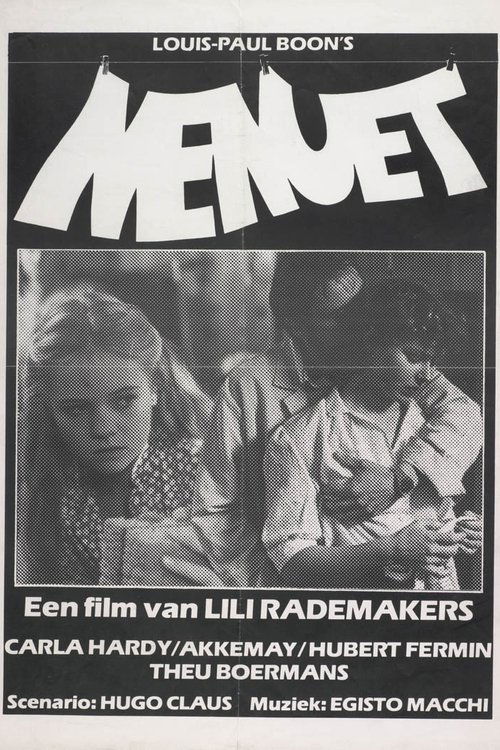
Hugo Claus rewrote and directed Friday as the cinematic version of his original 1969 play of the same name. Just as in the play, the story begins with the theme of incest, as the father Georges (Frank Aendenboom) returns from serving his jail sentence for that crime. Unlike the earlier play, however, the film does not emphasize that aspect of the story. When Georges gets home he finds out that his wife Jeanne (Kitty Courbois) has had an illegitimate child by a younger man, Erik (Herbert Flack), and now both of them must somehow try to return to a normal life, given their only too obvious lapses in moral judgment. As the husband and wife try hard to accommodate each other's failings and start to get to know each other again, Erik comes back into the picture. Now the three of them must resolve the deep-seated conflicts that brought them to this emotionally-wrought juncture of love and betrayal.
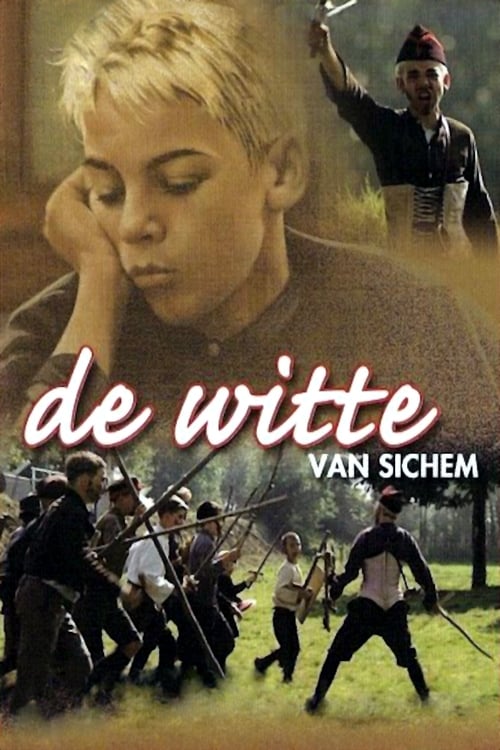
The second movie version, now in color, of Flemish (heimat-)author Ernest Claes' classical novel, titled after the nickname (Dutch 'the White', referring to a blond male) of the main character. The smart but naughty farmhands son's eternal mischief, pranks and disobedience drive his elders (especially teachers, family and father's grumpy employer, a rich farmer, but also neighbors and even the kind curate whose liturgical server he is) and classmates to despair in a time when a boy's punishment was still inevitable, swift and often severe; thus when his mother catches him skinny dipping she takes all his clothes home, forcing him to a long walk of shame, dreading dad's wrath all the way. This version also stresses the story's social and Flamingant aspects.
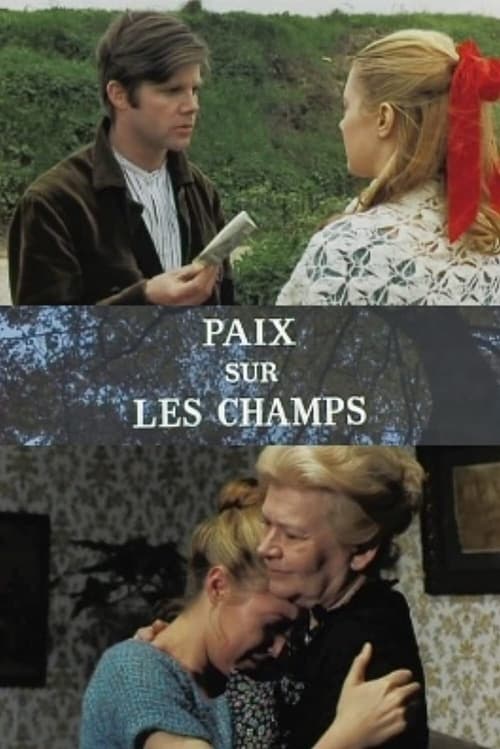
This is a film which was made in Belgium in the early '60s and was never released. However, it somehow got included in the American Oscar category for "Best Foreign Film," and was finally released in its home country in 1971. It explores the issues of prejudice and superstition in the Belgian countryside through the troubles of a middle-aged farmer whose mother has been accused of being a witch. In French, this picture is based on a true story which took place in the late 1920s and early '30s.
A factory worker is employed in the desolate, cold-storage cellars of a brewery. His spare time he devotes to collecting romantic images of wild flowers and sticking newspaper cuttings in an album, demonstrating a preference for more gruesome stories. Murders, rapes and acts of violence are the events which accompany his everyday existence and invest it with a tinge of color.