Acting
Directed by Antonín Fencl.
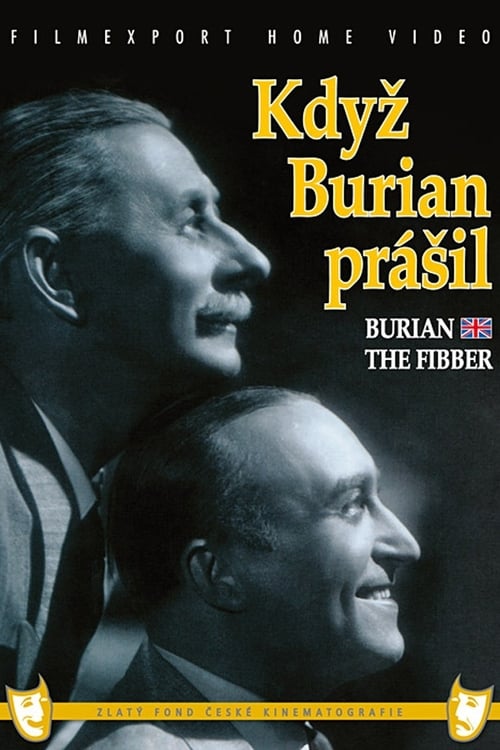
Fifty years old Baron von Fibberg lives at The Fibberg Castle with his wife Olga and daughter Charley. Besides the delight in hunting, Baron is very enthusiastic about truth. Although he can't withstand any falsehood of others, he keeps his own intimate secrets from his wife. Charley seems to be an innocent girl at first glance, but she has a little secret too. She fell in love with a young fop Ernest Benda and married him in secret. Her only concern is the way, how to let her strict father know about the marriage. Together with her husband they prepare a plan how to do it, but it turns out to be a catastrophe for the whole family.
No description available.
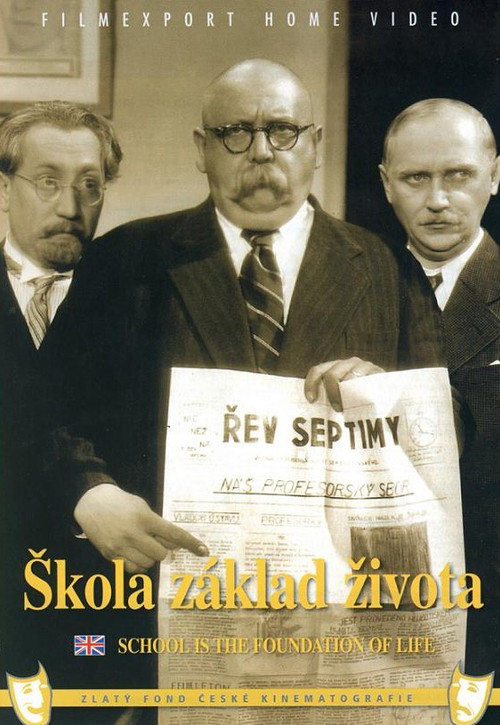
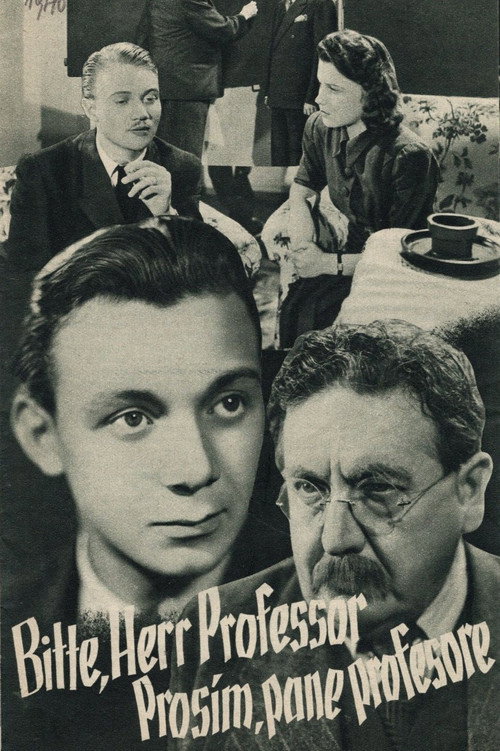
Seventh form pupils at a grammar school in Přívlaky are preparing for a secondary school sports competition. Class creep Krhounek gives the class teacher Lejsal a copy of the seventh form’s magazine Roar. Most of the teachers insist on severe punishing the culprit. The author does not own up and consequently the whole class is punished by being banned from taking part in the schools competition. The most gifted pupil, Benetka, rather sharply criticises the school in a homework essay on a subject of his choice. The strict Czech language teacher is convinced Benetka is the author of the school magazine. Benetka denies the charge but his expulsion from school is proposed anyway on account the views he expounded in his essay. Eventually, Boukal, the author of the school magazine comes forward and admits to writing it. The pupils are allowed to take part in the contest and thanks to Benetka they win. In the meantime however the teachers vote to expell him.
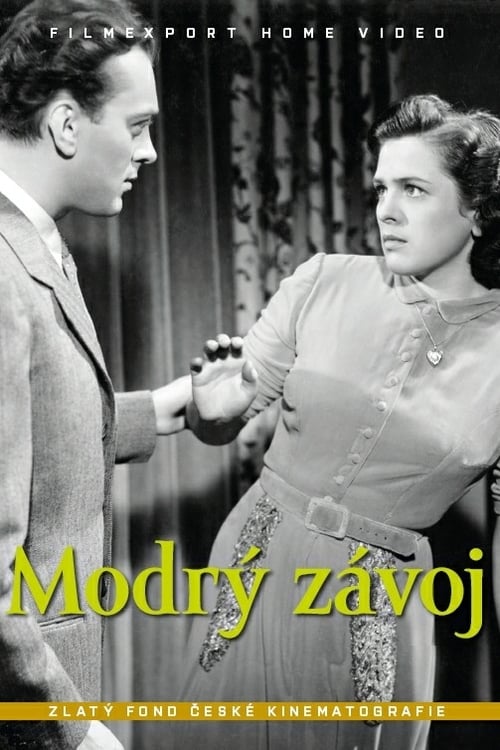
Marta Hornová, a blind soloist of the radio orchestra, becomes acquainted with the actor of the state drama Robert Holan. He also meets her sister Helena, a talented sculptor, whom he mistakes for Marta. However, when he returns her blue veil, which she supposedly lost during their meeting in the radio building, Helena realizes that Holan actually loves her sister...
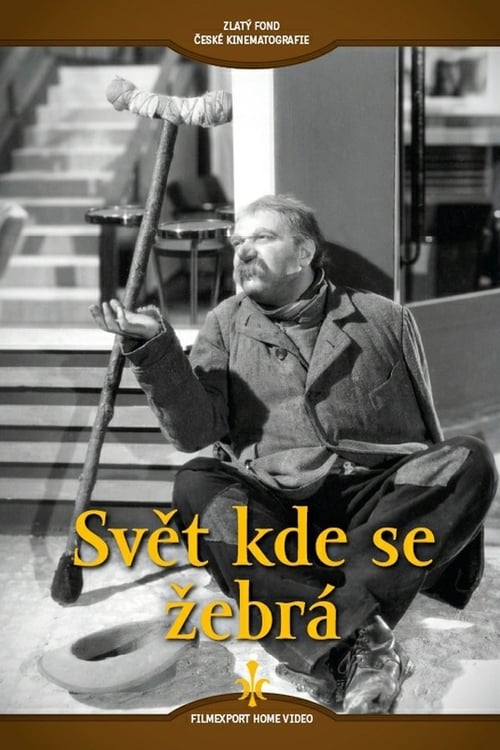
The smooth narration, corresponding to the requirements of a light comedy, develops the smiling and optimistic story of the "one-armed" beggar Dostál, who earned enough money with his excellent begging skills to buy a nice house, become a respectable master of the house, and save the impoverished lawyer Neprosil from poverty, who he contributed regularly to him when he was still well off. He also wanted to get him together with his pretty ward Zorka, for whom he said he would be an ideal husband, but the young people were able to do that by themselves and without his clumsy help, or rather despite his rather ineffective help... The film was shown at the VI. IFF in Venice in 1938.
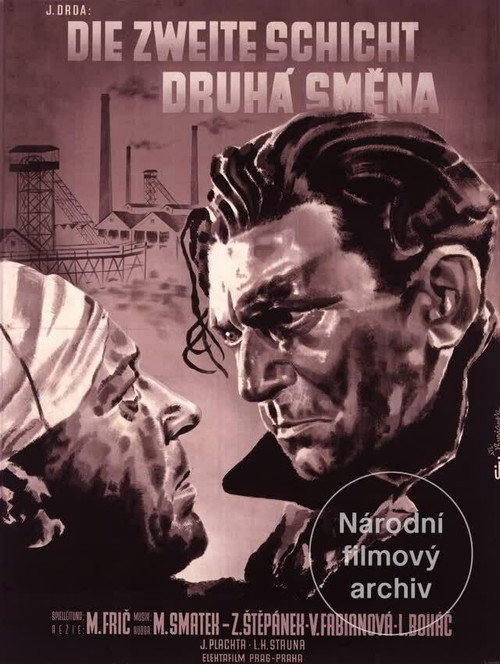
A morally questionable lord comes to the aid of a working class man who is to be executed for speaking out about thieving rich scoundrels sticking it to the poor.
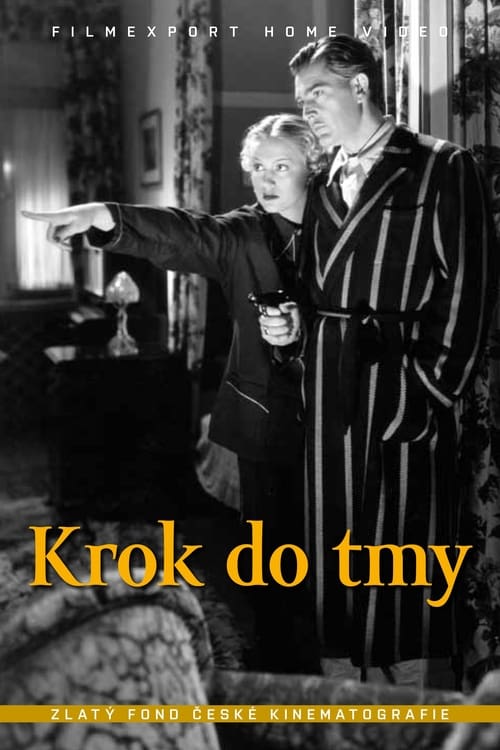
A dashing but mysterious man saves a gambler from suicide, crashes the posh party of a prominent industrialist, falls in love with his daughter, and finds himself in a web of intrigue revolving around her blackmailing fiance and a gang of counterfeiters.
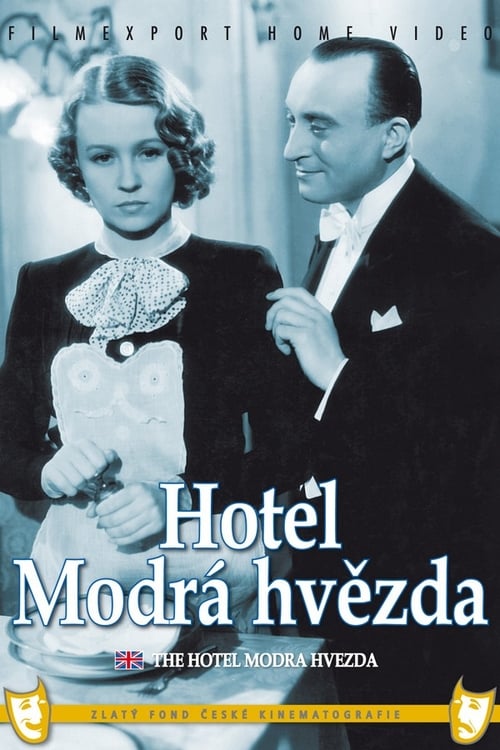
It all begins when Zuzanka, the new young owner, arrives at the dilapidated Blue Star Hotel. Determined to put the declining inheritance back on its feet, she starts chasing three young men, including the composer Jirka, who, dressed in a waiter's tailcoat, is to work off his debt to the new owner. Like his two friends, Jirka succumbs to the charms of his new boss and, with some confidence, hopes that he is the one who has the best chance of becoming her chosen one. At that moment, however, a guest arrives, intent on carrying out the family tradition and throwing an engagement party at the Blue Star Hotel, regardless of his condition. This, however, is not to the liking of his wilful fiancée. Fortunately, there is the sympathetic Zuzanka, who charms the unusual guest so much that he resolutely breaks off his engagement to the rich girl and prefers to marry the cute hotelier.
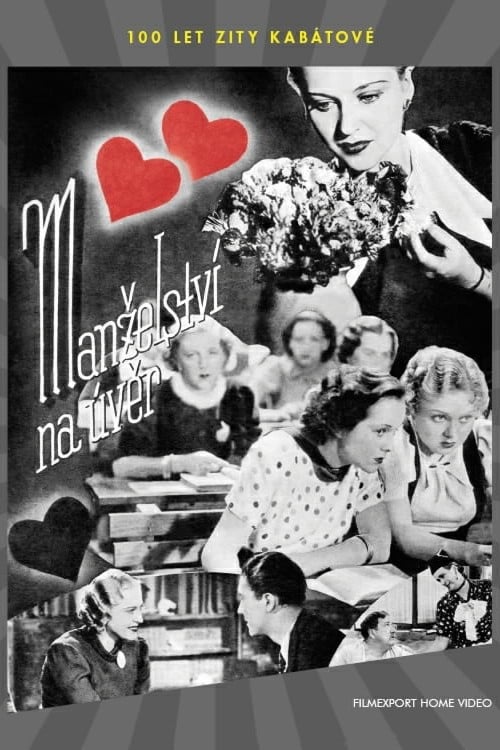
The story of the love life of sisters Lea and Ema Pohl and the comical escapades of Kristýna Žitná, Ema's classmate.
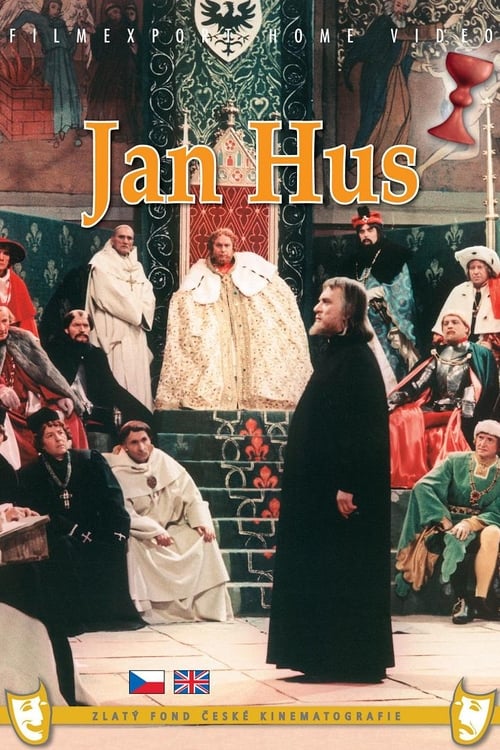
The first part of the "Hussite Revolutionary Trilogy", completed with Jan Žižka (1955) and Proti všem (Against All Odds, 1957). The film captures the period from May 1412 to the summer of 1415, a turbulent time in the Czech Kingdom, during which there were protests in Prague against the sale of "omnipotent indulgences" whose sale throughout the kingdom was announced by Pope John XXIII. The ideological leader of this movement is the preacher Master Jan Hus, whose words, calling for the elimination of church abuses, are listened to in the Bethlehem Chapel by thousands of ordinary Praguers, Czech lords and Queen Sophie, wife of the Czech King Wenceslas IV.
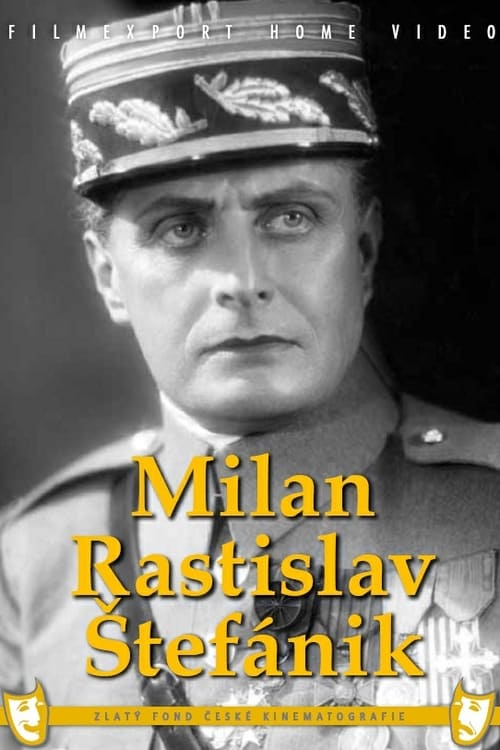
The life story of a prominent Slovak scientist, soldier, diplomat and politician who contributed to the creation of conditions for the formation of an independent Czechoslovakia. He died in a plane crash on May 4, 1919.
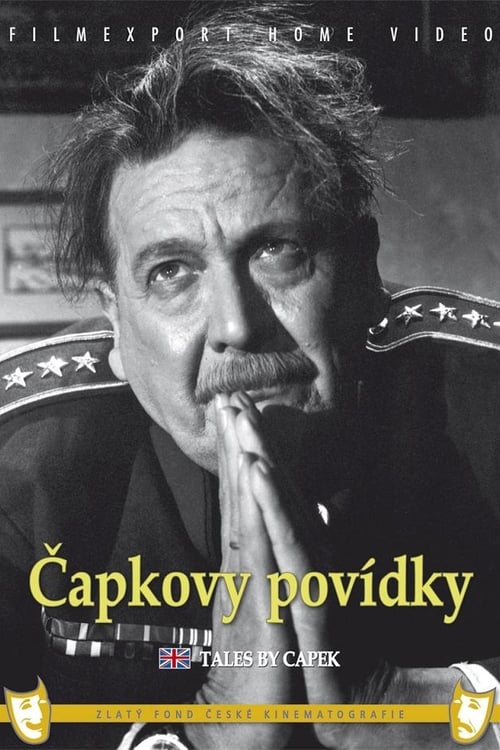
Five crime stories connected by the narration of police superintendent Bartosek.