Writing
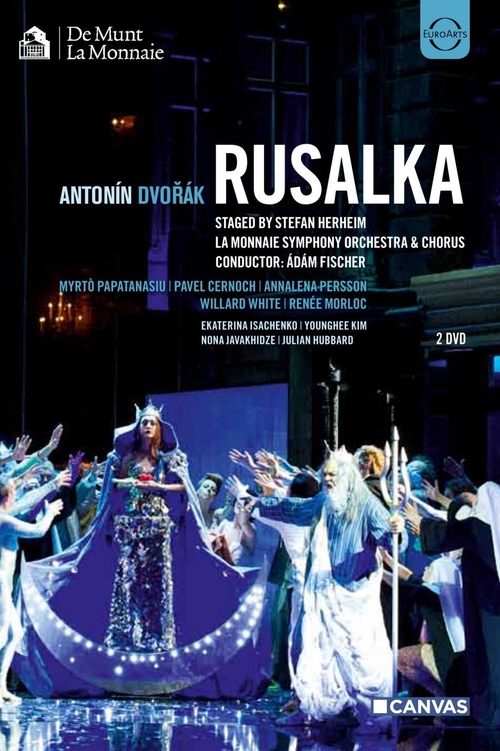
Antonin Dvorak’s next to last opera draws its substance from the underwater wonderland of little mermaids, Undines and Melusines: the water nymph Rusalka falls hopelessly in love with a prince and, although she is willing to sacrifice her voice to acquire the human form she needs in order to stay with him, the disparity between them proves to be too great. Jaroslav Kvapil’s libretto inspired Dvorak to compose a masterpiece, a compelling opera full of poignant lyricism and dramatic twists. Ádám Fisher and Stefan Herheim masterfully presented this ‘lyrical fairytale’ at La Monnaie in 2008. In this widely acclaimed interpretation, the fairytale elements sometimes assume frighteningly realistic dimensions so that one might see this enchanting production as a psychoanalytical study of male fantasies and female archetypes.
No description available.
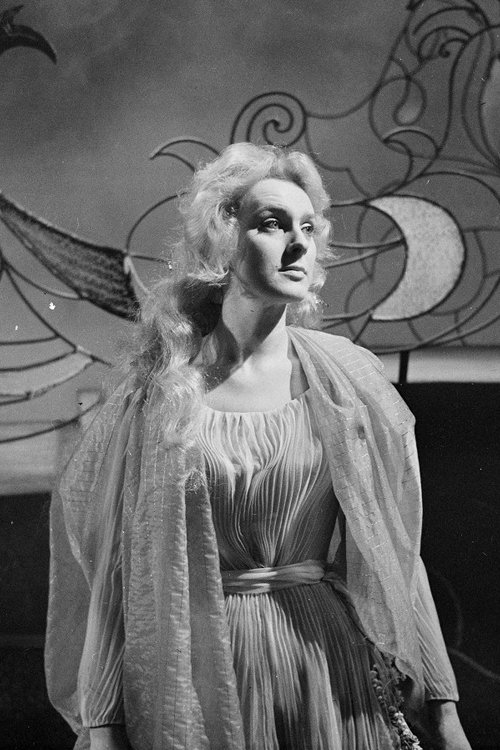
The legendary Eduard Haken as Aquarius in the first television production of the composer's most famous musical-dramatic work.
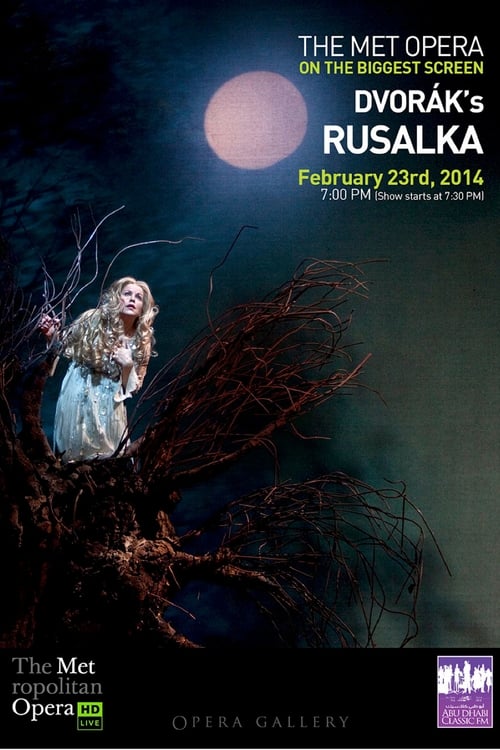
Renée Fleming sings one of her signature roles, the title character in Dvořák’s sumptuously melodic Rusalka. The story of the opera, which is about a water spirit’s tragic romance with a human prince, is drawn from several folktale sources including Hans Christian Andersen’s “The Little Mermaid.” Star conductor Yannick Nézet-Séguin leads a cast that also includes Piotr Beczala as the handsome Prince whom Rusalka yearns to love; Dolora Zajick as the cackling swamp witch Ježibaba; Emily Magee as the Foreign Princess, Rusalka’s rival; and John Relyea as Rusalka’s father, the Water Sprite.
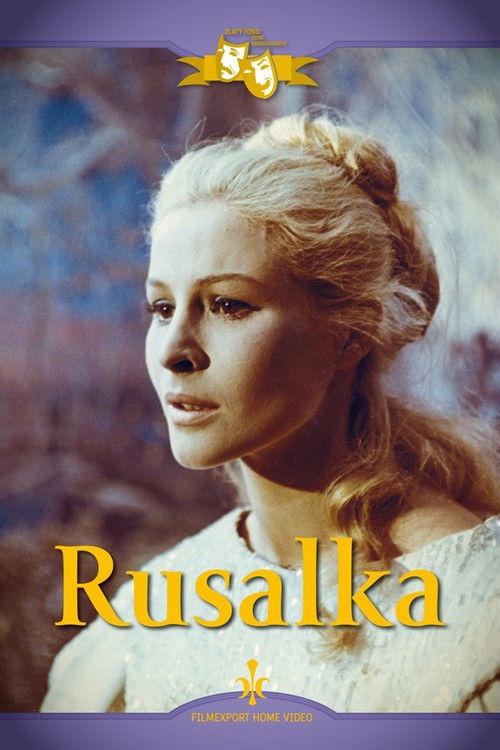
Three arias from Antonín Dvořák´s fairytale opera Rusalka turned in to a movie, sung by Gabriela Beňačková (Rusalka), Libuše Márová (Witch), René Tuček (Hunter).
The king is broke, so he welcomes when a rich Spanish king asks about his daughter, Dandelion. But Dandelion does not love the king and prefers to run away from home. On the run, she meets the son of a poor moneylender, Honza, and they set out into the world together. Unfortunately, love does not save them from the princess's sad fate. Because in autumn, dandelions turn their clothes into white fluff, which the wind blows away...
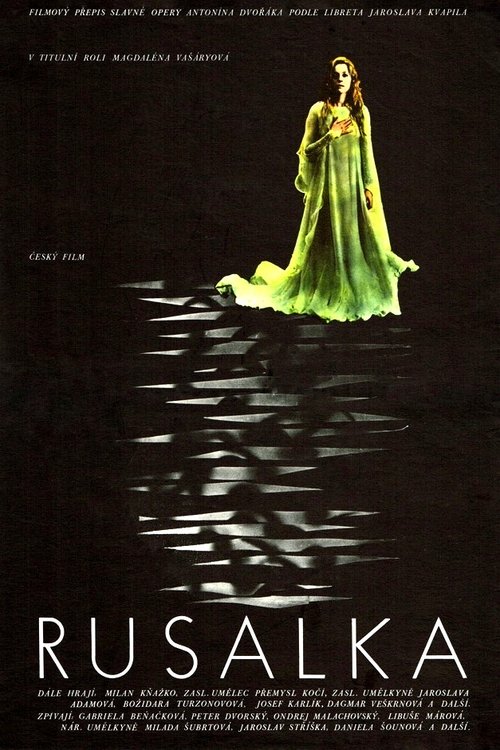
The water fairy Rusalka falls in love with an earthly prince. In vain, Father Aquarius warns her. Her sincere feelings are met with human treachery...
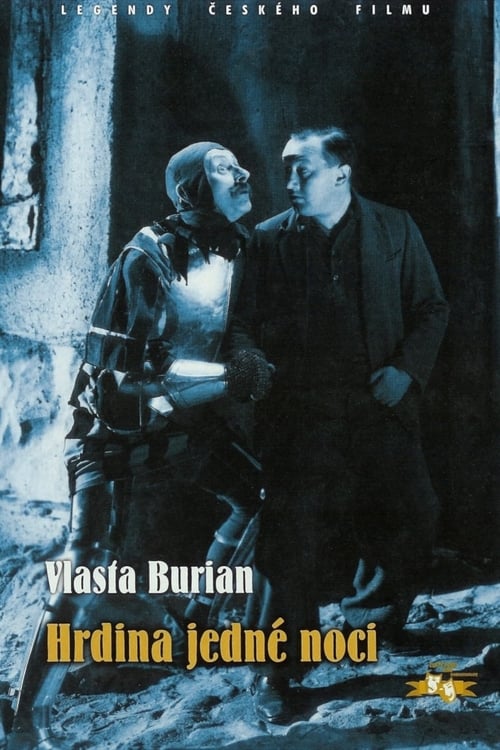
Country tailor Florian Svíčička neglects his work because of his interest in medieval history. When preparing an amateur performance at Zdislavice Castle, he gladly replaces the bailiff and plays the role of a knight. However, he ruins the performance and is shamefully banished. On his way home, he witnesses a horrific scene in the forest: two knights behead a young girl. It later turns out that it was a filming, and the girl Hana, a double for the famous diva Elvíra, spends the night with Florian at the castle because the filmmakers accidentally leave her. The master loses patience with Florian's excesses and Florian is fired from the tailoring shop. He sets off for Prague to find the girl he was with at the castle the night before. However, he does not know her name and accidentally comes to Elvíra's villa. The diva is not at home. Florian finds a love letter in the villa and thinks it is addressed to him. However, upon his return, Elvíra mercilessly throws Florian out...
Young Matula has succumbed to gambling and he steals money from his parents to finance his passion. His father catches him red-handed and throws him out of the house. Matula roams the world and meets Vávra, also a tramp, who accepts a job as a road-sweeper but he soon dies in a car accident. On his lone wanderings Matula finds a miraculous little key which opens all locks. With its help he acquires a great fortune. He breaks into a bank and steals more money. He then meets the daughter of the cashier who was wrongly accused under suspicion of theft and when he sees her despair, he realises his wrong-doings. Finally he wakes up - it had all been a dream. (According to the censor's certificate).
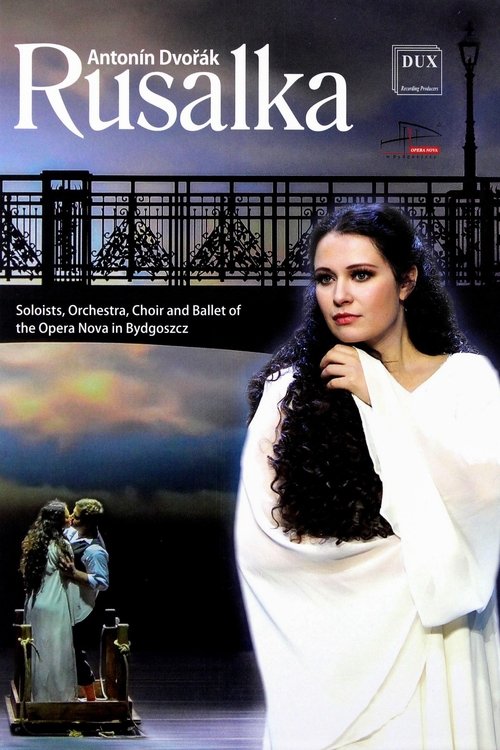
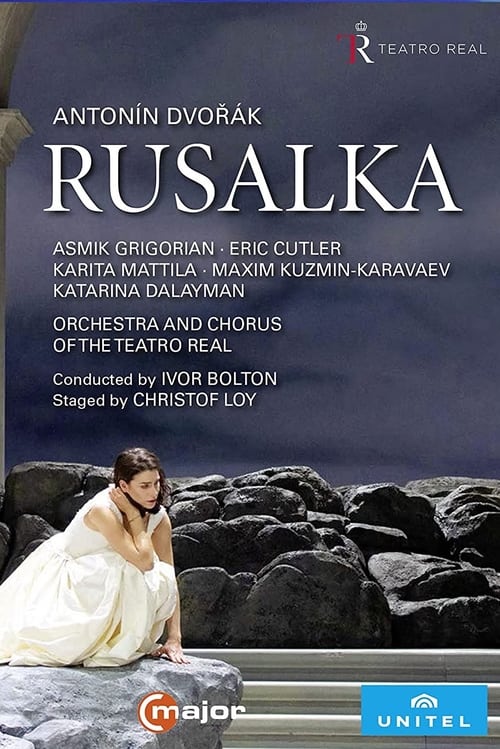
The libretto of the most well known opera by Dvořak, which premiered in Prague in 1901, is inspired by the Czech version of the Central European folktale, one we also know as Undine (1811) by Friedrich de la Motte Fouqué or The Little Mermaid (1837) by Hans Christian Andersen.
Rusalka, a water spirit, lives with her family in the pure waters of the forest lake. When she falls in love with a Prince, she sacrifices her voice and leaves her home in the hope of finding true love in a new world – a world that does not love her back.
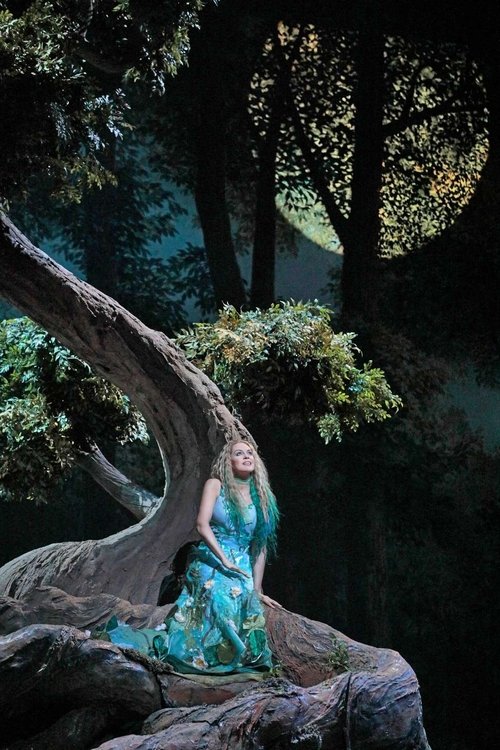
A legend of mermaids, mere mortals, and sylvan glades. Be transported to a mystical world of water sprites, witches, and wood nymphs. In exchange for love, Rusalka will relinquish not only her mermaid magic, but also her voice.
Kristine Opolais “gives a vocally lustrous and achingly vulnerable performance” (New York Times) in the role that helped launch her international career, the mythical Rusalka, who sings the haunting “Song to the Moon.” Director Mary Zimmerman brings her wondrous theatrical imagination to Dvořák’s fairytale of love and longing, rejection and redemption, giving the work “an inspired staging” (Huffington Post). Brandon Jovanovich, Jamie Barton, Katarina Dalayman, and Eric Owens complete “a matchless cast” (New York Times), and Sir Mark Elder conducts “a magnificent rendering of the composer’s lush score (Huffington Post).
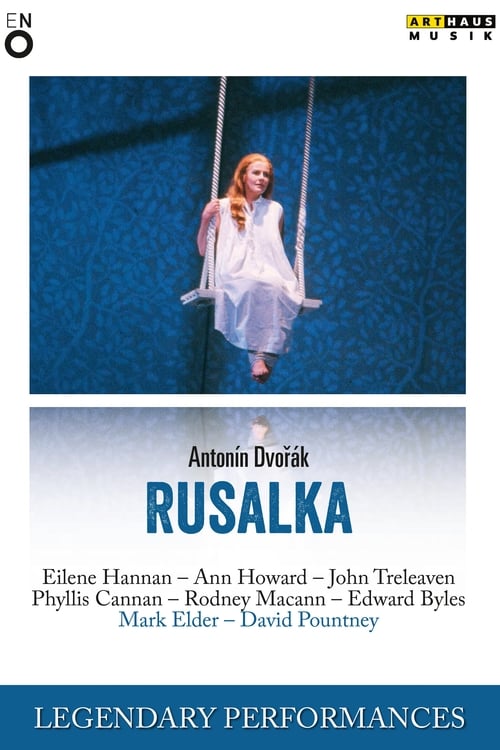
Dvořák's "Rusalka" in a production by David Pountney at the English National Opera in 1986. Mark Elder conducts the orchestra, accompanied by the English National Opera Chorus in English.