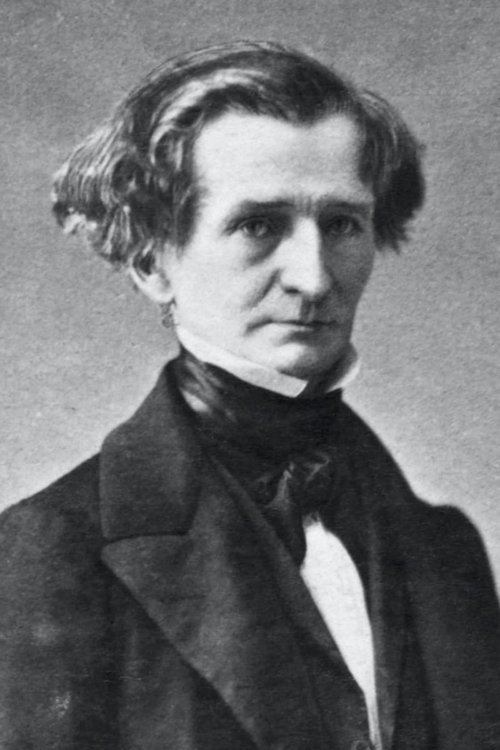
Hector Berlioz
Sound
Known For

During World War II, two French civilians and a downed British Bomber Crew set out from Paris to cross the demarcation line between Nazi-occupied Northern France and the South. From there they will be able to escape to England. First, they must avoid German troops – and the consequences of their own blunders.
Don't Look Now... We're Being Shot At!

In Japan, scientifically advanced invaders from the war-destroyed planet Mysteroid cause an entire village to vanish, then send a giant robot out to storm the city by night, after which they request a small patch of land on Earth and the right to marry earthling women, claiming to be pacifists. Mankind must decide whether to capitulate or to resist.
The Mysterians
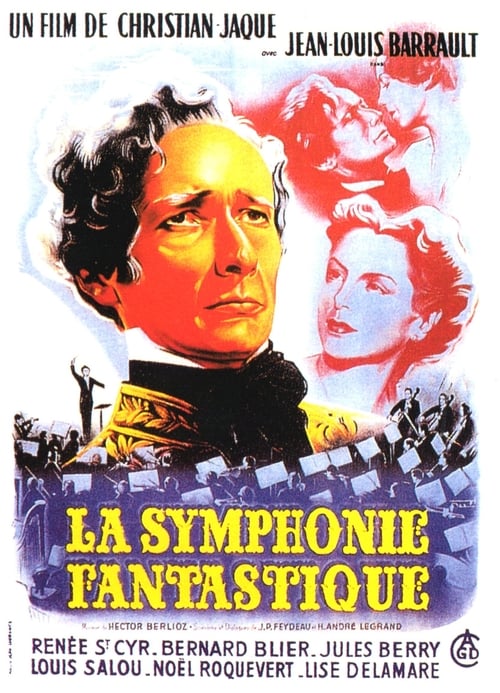
The film is biographical, telling the story of the life and artistic struggles of the French composer Hector Berlioz. Berlioz is shown as a recalcitrant medical student in an anatomy class dreaming of becoming a composer; at a demonstration during a performance at the Paris Opéra conducted by Habeneck; at supper with other young artists (Hugo, Janin, Dumas, Mérimée, Delacroix); and chasing after his future wife Harriet Smithson, after a performance of Hamlet. Also depicted are his life in a garret, while suffering from an illness due to an abscess in the throat; a visit from his mother who curses him; and the composition of the Symphonie fantastique. The film then shows his marital breakdown, the premiere of his opera Benvenuto Cellini, his travels throughout Europe, his second marriage to Marie Recio (called "Marie Martin" in the film), public acceptance in old age and reconciliation with his son.
La Symphonie fantastique
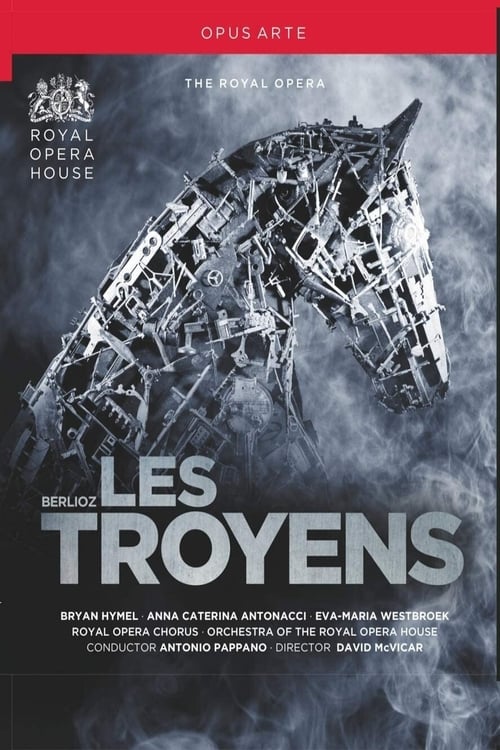
After the destruction of Troy, the Trojan warrior Énée sets out on a journey to found a new dynasty. He meets Didon, Queen of Carthage, and falls in love. But will Énée's love for Didon prove stronger than his sense of duty? LES TROYENS ('The Trojans') is a tour de force of music that ranges from fiery military marches to intense choruses, passionate soliloquies – such as those of the prophetess Cassandre – and the lyrical love duets of Didon and Énée. It is Hector Berlioz's largest work and he wrote the libretto himself, drawing upon his intimate knowledge of Virgil's Aeneid. To the composer's disappointment, LES TROYENS was only performed once in full during his lifetime and was often presented in shortened form during the 20th century. The Royal Opera's production provides a rare chance to see this epic work in its entirety. David McVicar's staging is on an enormous scale, assembling one of the largest casts ever seen at Covent Garden.
Les Troyens
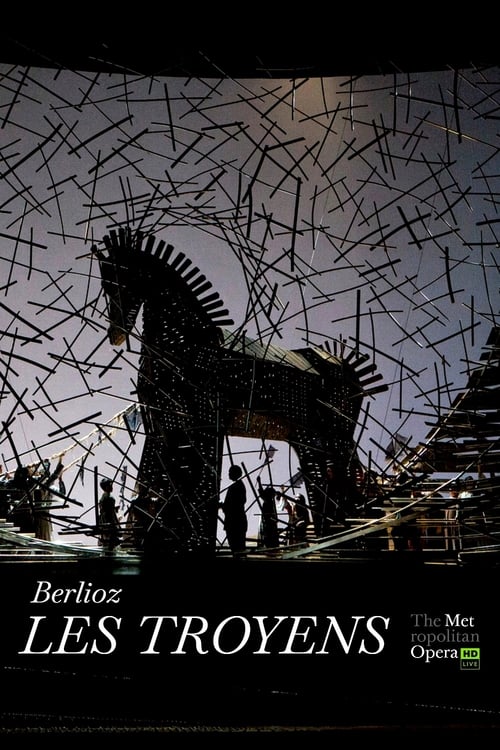
Berlioz’s epic masterpiece retells the magnificent saga of the aftermath of the Trojan War and the exploits of Aeneas. Rising tenor Bryan Hymel, in his Met debut, stars as the hero charged by the gods with the founding of the city of Rome. Susan Graham is Dido, Queen of Carthage, who becomes Aeneas’s lover, and Deborah Voigt sings Cassandra, the Trojan princess whose warnings about the impending destruction of Troy go unheeded. Francesca Zambello’s atmospheric production, featuring choreography by Doug Varone, is led by Met Principal Conductor Fabio Luisi.
Berlioz: Les Troyens
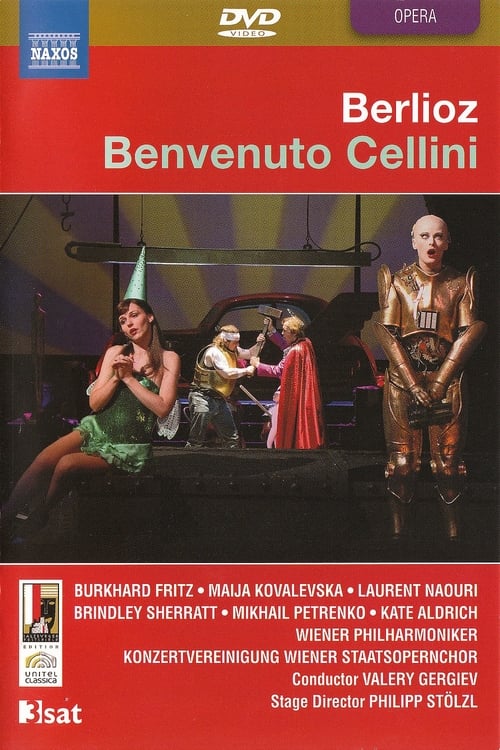
Live performance from Salzburg Festival Opera, August 2007. The story tells of Cellini's love for Teresa, daughter of the Papal Treasurer Balducci. His rival, the Papal Sculptor Fieramosca, overhears Cellini plotting to run away with Teresa during the carnival.
Benvenuto Cellini
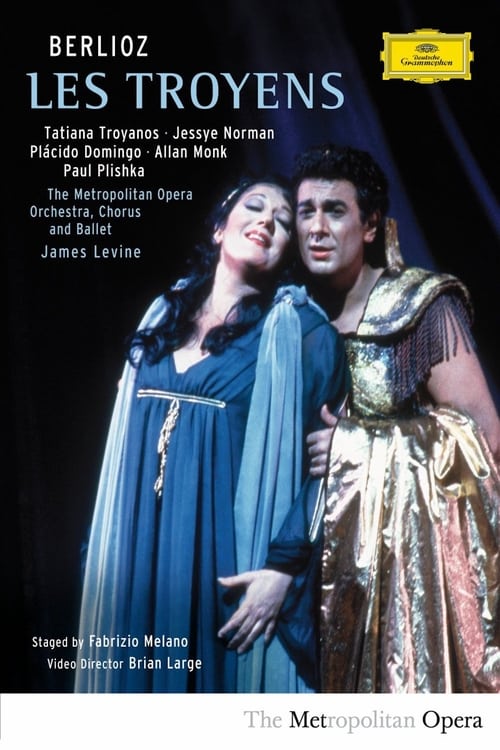
Berlioz’s colossal masterpiece requires stupendous forces—dozens of soloists, enormous chorus, orchestra and ballet, a superb conductor who understands the uniqueness of the score—plus a production that does visual justice to the work. “A stupendous achievement” was one critic’s assessment of Peter Wexler’s inventive production. And with James Levine’s wizardry galvanizing the marvelous all-star cast, this is truly a gem. Plácido Domingo is the legendary hero Aeneas, Jessye Norman the obsessed prophetess Cassandra, and Tatiana Troyanos is Queen Dido, who commits suicide when Aeneas leaves her.
Berlioz: Les Troyens
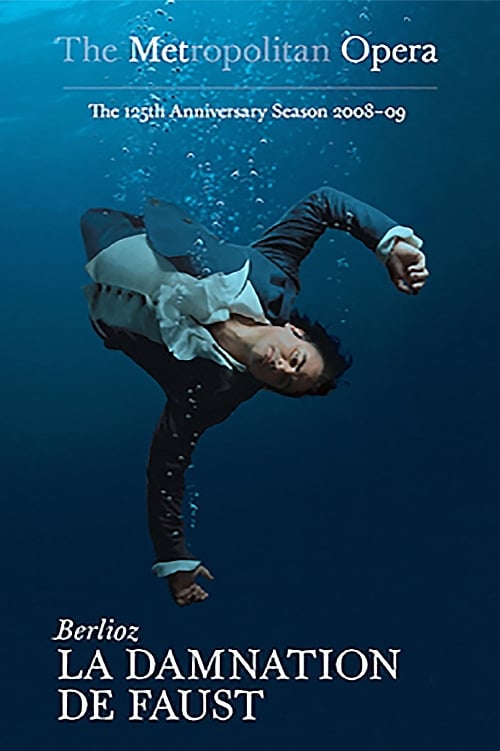
Radiant mezzo-soprano Susan Graham and dashing Italian tenor Marcello Giordani are unlucky lovers in La Damnation de Faust, Hector Berlioz’s classic take on dancing with the devil.
Berlioz: La Damnation de Faust
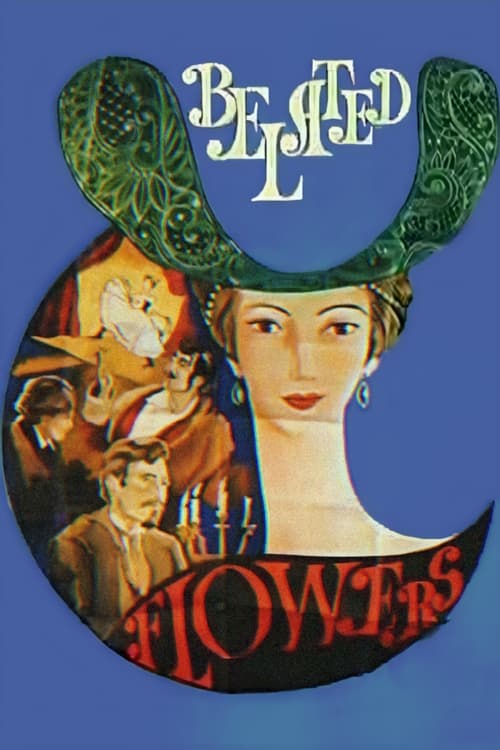
Princess Mariya fell in love with doctor Toporkov, who was treating her, in the recent past the serf of her family. Now he has become a celebrity and is only concerned about buying a new home profitably. He does not notice her love and marries a rich merchant. The princess in love comes to see Toporkov and opens to him. Her strong feeling touches Toporkov’s hardened heart, he leaves his wife and leaves the princess abroad.
Belated Flowers
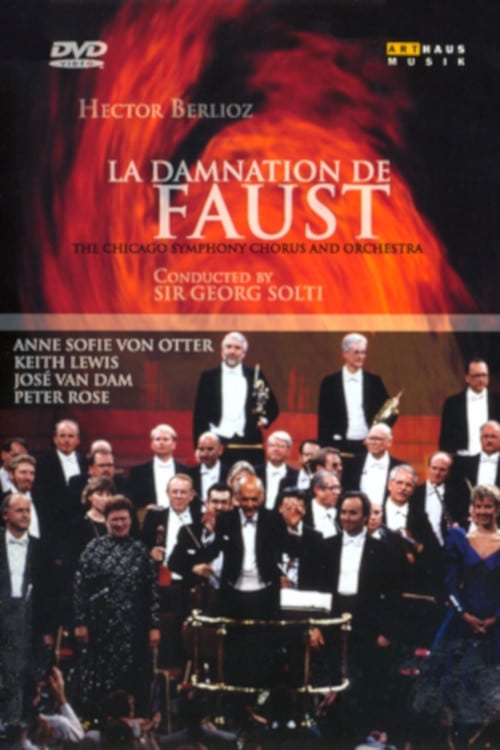
This live recording was made at the Royal Albert Hall during one of Londons famous Promenade Concert seasons. Sir Georg Solti conducts the Chicago Symphony Orchestra and Chorus in a magnificent performance of Berliozs concert cantata. This feast of Berlioz launched Soltis farewell tour with the orchestra he had directed for twenty years and was described by The Times as the unsurpassable culmination of two decades of music-making...one that summarised all that has been most admirable about Soltis long reign in Chicago. Like reading the book by flashes of lightning was how one writer described the relationship of Berlioz to Goethe in this Dramatic Legend, his way of shaping twenty scenes selected from the story into a narrative in four parts. Though it has sometimes been staged, the works drama is to be found within the music itself, which illuminates the incidents with what the conductor Sir Thomas Beecham once called a bunch of the loveliest tunes in existence.
The Damnation of Faust
Doom Island is a personal perspective on Martin's life and autism and schizophrenia from the inside, in a language we can all understand: film. Viewers join Martin when he began film making using Rick Schmidt's book in 1988 and along the way see Martin experience love, grief, and try to figure out existential meaning through the unique perspectives afforded by autism and psychosis, and even join him on a journey to Switzerland to visit a mysterious nuclear physics research laboratory, where the God Particle was discovered. "One of my favorite indie works, beautifully made, original, and as perfectly personal as it gets." Rick Schmidt author of 'Feature Filmmaking at Used Car Prices: How to Write, Produce, Direct, Film, Edit and Promote a Feature-Length Film for Less Than $10,000.'
Doom Island
No description available.
Berlioz, Te Deum
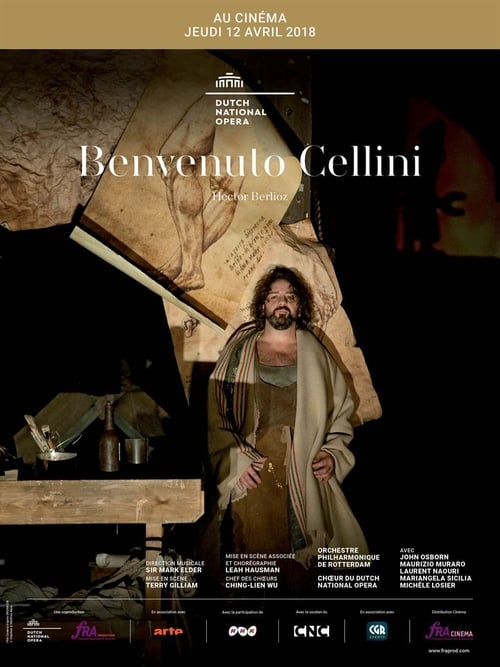
The Florentine sculptor and silversmith Benvenuto Cellini rapidly attained a degree of renown that went beyond the confines of Italy. Invariably embroiled in conspiracies, intrigues and quarrels, Cellini is commissioned by the Pope to cast a large sculpture of Perseus. He is loved by Teresa, but she is promised to Fieramosca, an academic artist who has not been favoured with a papal commission. Terry Gilliam’s exuberant production draws the protagonists into a delirious and joyful yet claustrophobic and megalomaniac world: a flaring up of contagious madness.
Benvenuto Cellini
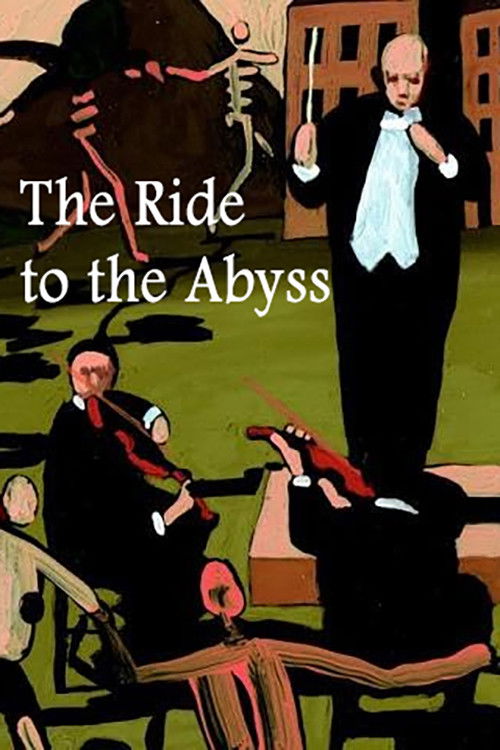
‘La course à l’abîme’ is a depiction of the final ride into hell from ‘La Damnation de Faust’ (1846) by Hector Berlioz.
The Ride to the Abyss
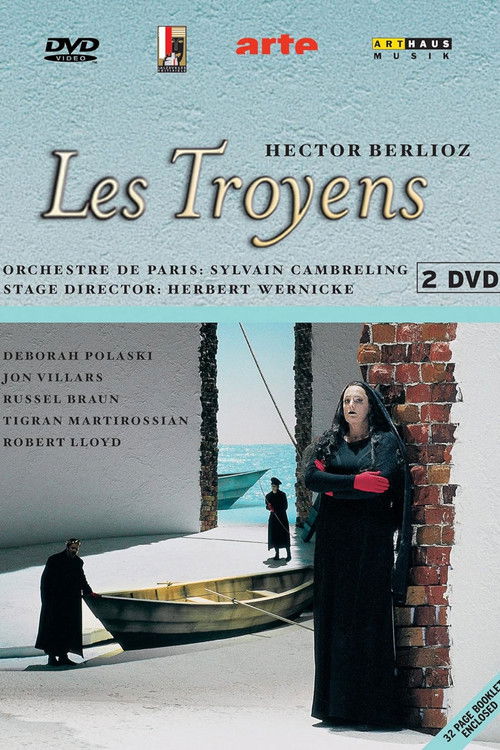
Alexandre Tarta's production of Berlioz's opera, recorded live at the Salzburg Festival in 2000. Sylvain Cambreling conducts, with performances by Jon Villars, Russell Braun and Tigran Martirossian.
Les Troyens
Untitled pays tribute to the life and work of the dancer and choreographer Arnie Zane, who died of AIDS in 1988. His long-time partner Bill T. Jones evokes memories of Zane through a stark, eloquent dance-lament and a parade of ghostly portraits and photographs.
Untitled

No description available.
Les Troyens
The year 2019 marks the 350th year of existence of the Opéra de Paris, and the Opéra national is staging two exceptional shows at the Palais Garnier in the form of an inaugural gala. Under the direction of Dan Ettinger, the principal dancers, soloists, corps de ballet and orchestra of the Opéra national de Paris will perform extracts from famous ballets as well as some of the most popular opera arias. Soprano Sonya Yoncheva, tenor Bryan Hymel and baritone Ludovic Tézier are among the headliners. A magical experience!
The 350th Anniversary Inaugural Gala
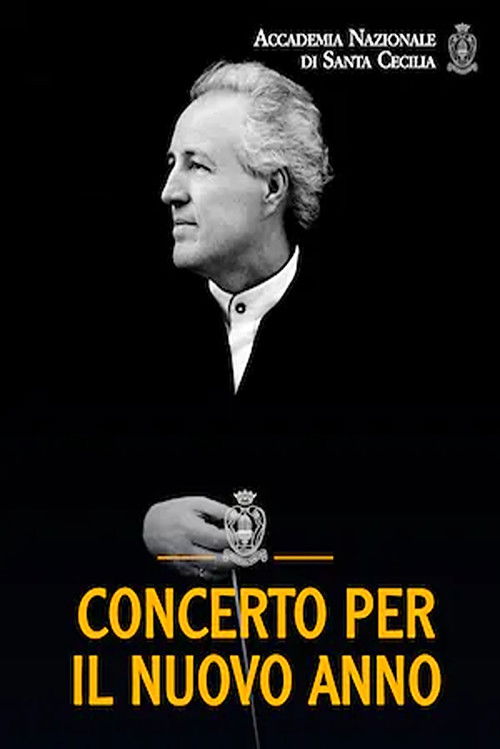
From the Auditorium Parco della Musica, the Orchestra dell'Accademia Nazionale di Santa Cecilia performs music by J. Strauss, Tchaikovsky, Brahms, Weber, Berlioz, Ponchielli, and Offenbach.
Concerto per il nuovo anno (Honeck)
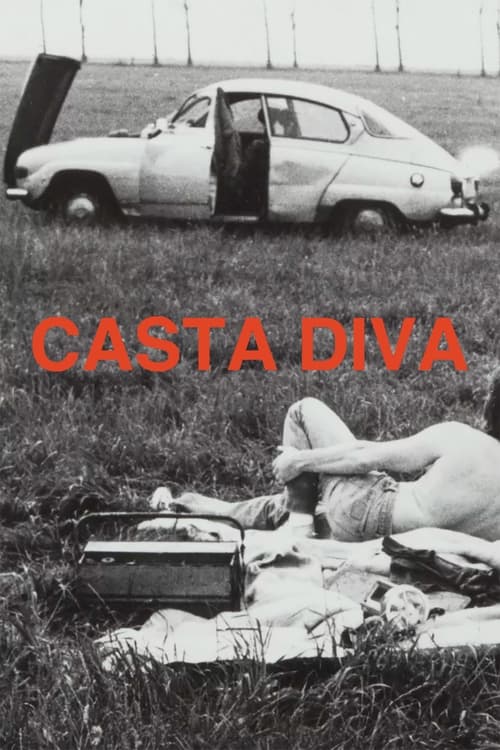
In a series of long held shots, men are observed performing simple tasks in real time, while on the soundtrack we hear excerpts from opera.