Editing
This 25-minute black-and-white work was created within the London Women's Film Group collective. The movie's structure is a blend of fiction interspersed with documentary scenes focusing on domestic chores. It was produced in collaboration with the London-based group campaigning for "wages for housework". Co-director Francine Winham, a member of the aforementioned film group, utilized this medium to challenge cultural impositions and social roles with a fresh and critical perspective on women's domestic reality.
A three part series about women working in the British film industry during the 1950s.
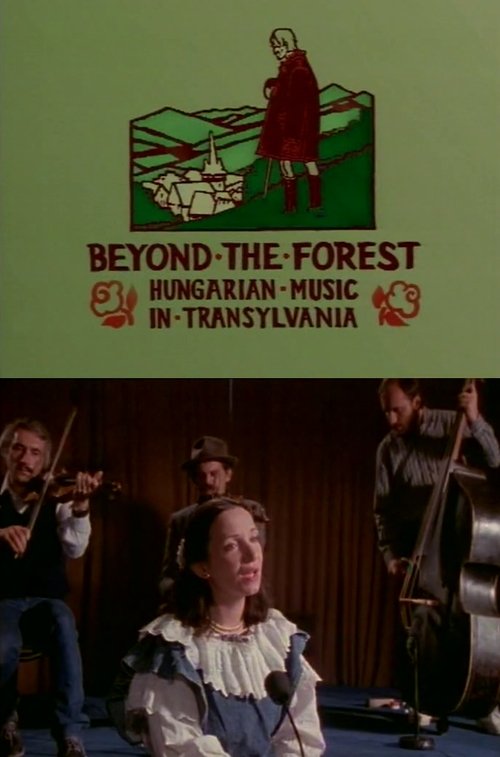
The dance house movement, which (illegally) brought folk music from the minority Hungarian Gypsies and peasants of Transylvania - now part of Romania - to Budapest, and its effect on views of the value of traditional culture.
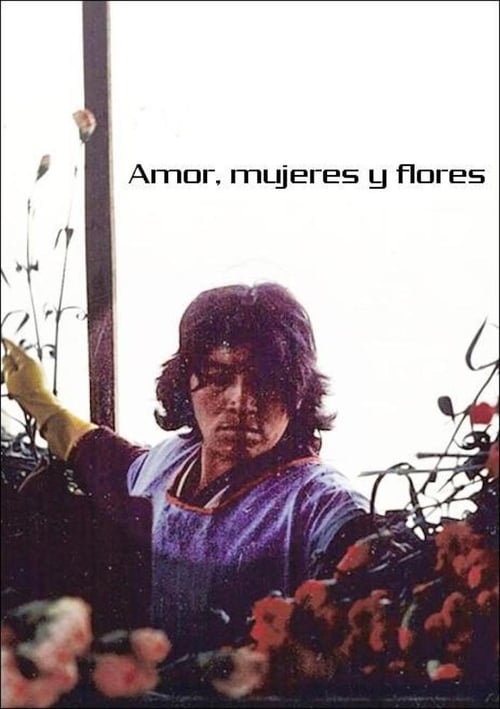
Women workers stand up to the toxic flower industry in Colombia.
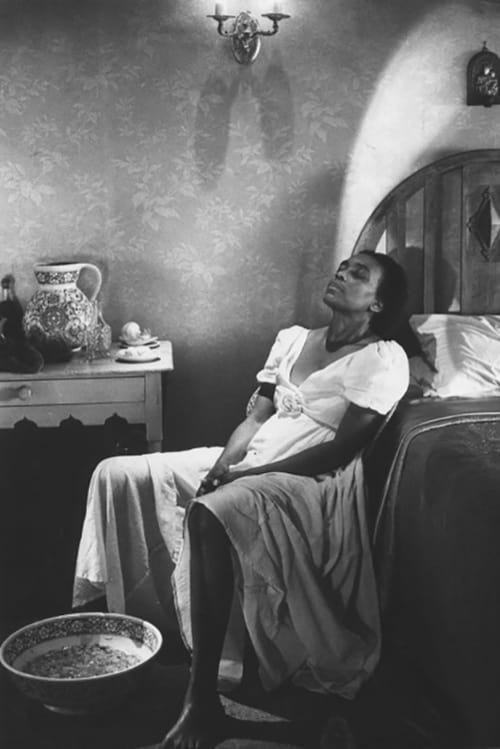
A bittersweet and nostalgic short drama illustrating the spirit of modern families touched by the experience of migration. Miss T., from the Caribbean, lives alone in her one-room apartment, her children and husband having left her to pursue new dreams. When she dies her family and friends gather at her wake. The tapestry of words that interweave the drama convey the fragments of a life lived, but only partly remembered.
An extended, truly extraordinary animation sequence opens this hard-line, good-humoured work from the London Women’s Film Group. The film decodes the mythic story of Rapunzel, re-framing the folk tale in a variety of unlikely ways, revealing its darker edges and exploring its role in the relationship between patriarchy and childhood. Look out for Lora Logic from X-Ray Spex, plus Dave Swarbrick from Fairport Convention.
About Women and the Law, made by four different animation directors, but commissioned as one project by Channel 4 in the UK, looks at the status of women in the eyes of the Law. Roche combines 3 brief gems on equal pay, rape, and the myth of the virgin & the whore.
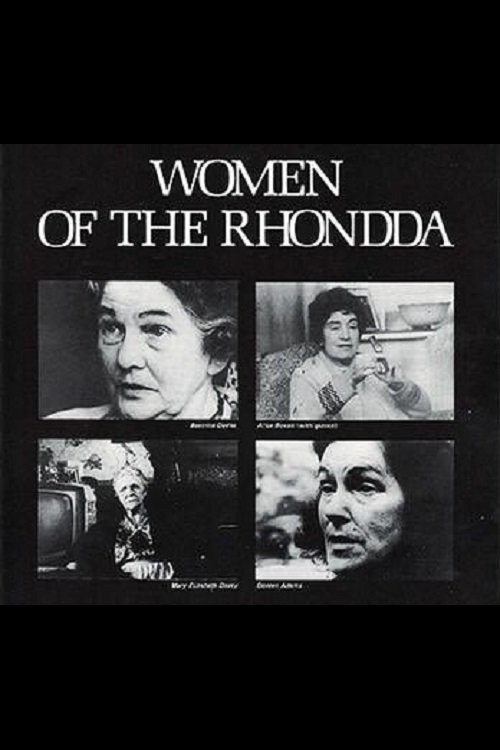
Four women speak movingly to the camera on their experience of the General Strike and life in the 1930s and 40s in a depressed South Welsh mining village.
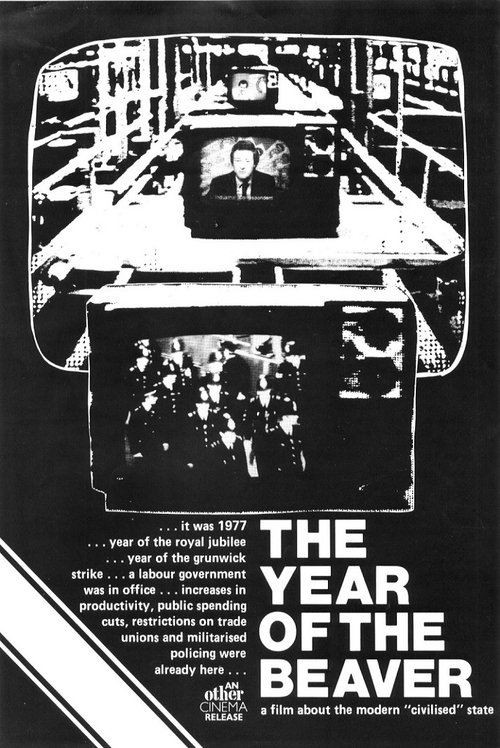
The Year of the Beaver focuses on the industrial dispute at the Grunwicks photographic processing plant in Willesden, London in the summer of 1977. The workforce, predominately consisting of British Asian women, most of whom had only recently arrived in the UK, decided to go on strike over the issue of trade union recognition. The strike lasted for two years.
Documentary which looks at the history of the welfare state in Britain, from the point of view of women. Using 1940's newsreels to examine the picture portrayed of women in the welfare state, the reality of the 1980s is discussed by women from Tyneside. The reality of their lives contrasts sharply with the hopes and aspirations of the 40s and 50s, shown through films and songs of the period when the welfare state was first established.