Rustin Thompson
Production
Known For

Four friends leave Seattle for a weekend in a remote, rain-soaked corner of Washington State's rustic Skagit Valley. The foreboding October landscape begins to warp their minds, plunging each of them into alternate realities where they must grapple with personal demons, sexual tensions, and a sinister natural world as they claw their way back to sanity.
Skagit
30 Frames A Second: The WTO in Seattle, is a compelling first-person account of the events that unfolded during the week the World Trade Organization came to Seattle in November of 1999.
30 Frames a Second: The WTO in Seattle
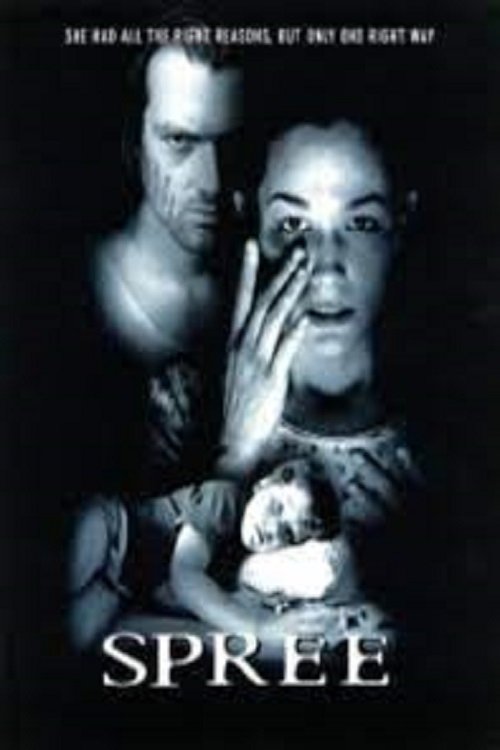
A woman abused by her drug-dealer husband decides enough is enough and it's time to take revenge for the sake of her children.
Spree
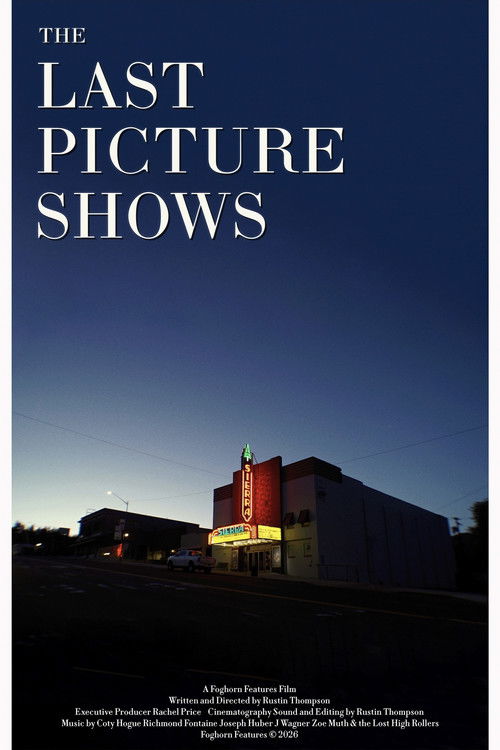
Ten states. 10,825 miles. 123 theaters. In his latest feature The Last Picture Shows, filmmaker Rustin Thompson journeys into the American West on a search for traces of what was once a center of small-town life: the movie theater. On the trip, he finds long abandoned and forgotten cinemas; movie houses that have fallen into disrepair; theaters recently closed, theaters struggling to hold on, and theaters that—thanks to their thoughtful caretakers—are not only surviving but thriving. Between the stops along the way, Rustin poetically intersperses excerpts from Peter Bogdanovich’s 1971 classic film The Last Picture Show, as well as reflections on past and present hardships facing the film exhibition industry. The Last Picture Shows reminds viewers that even in vast cinema deserts, there are oases of community and gathering that remain, where the movie house continues to be a place of wonder, contemplation, and connection.
The Last Picture Shows
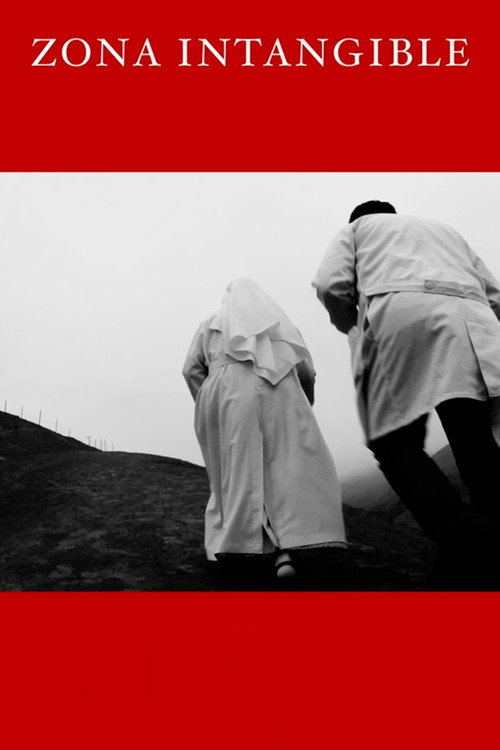
Refugees fleeing the Shining Path terrorists build a new city called Manchay on the edge of Lima, Peru. A gift from an American family funds construction of the city’s first modern health clinic, inspiring other donors to send medical supplies. Against great odds, the clinic has thrived for 13 years. Award-winning writer-director Ann Hedreen traces the unlikely connection between the people of this asentamiento humano (human settlement), and her great-uncle, a Swedish-American pioneer of the Peruvian fishing industry. The film introduces a network of teachers, volunteers, medical professionals–and one very determined priest–who help these refugees carve a new life from an abandoned gravel pit in one of the world’s most sprawling megacities. With an estimated one-sixth of the world’s population now living in settlements like Manchay, Zona Intangible portrays the challenges facing one such community, and the complex ties between their future and a benefactor they never met.