Acting
No description available.
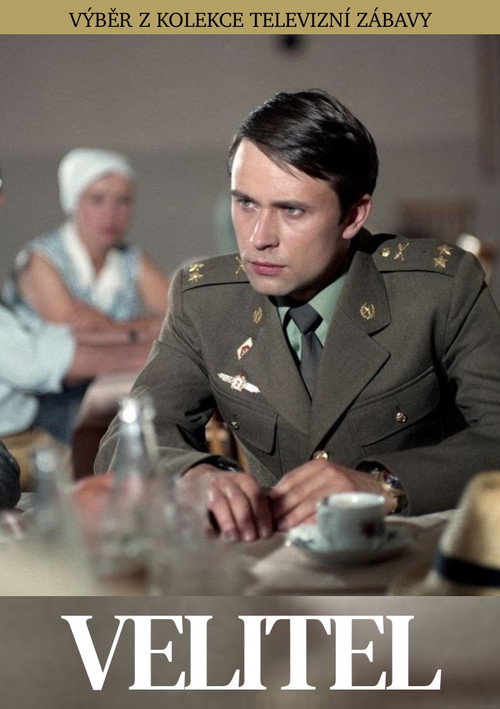
Thirty Cases of Major Zeman is a Czechoslovak action-drama television show intended as a political propaganda to support the official attitude of the communist party. The series were filmed in the 1970s. Each episode encompasses one year, and investigations are stylized to that year. Most are inspired by real cases. The series follows the life of police investigator Jan Zeman during his career from 1945 to 1975.
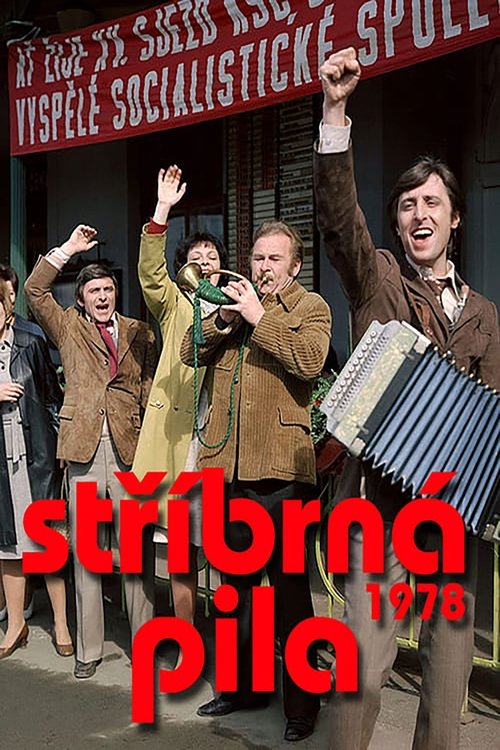
Muž na radnici was a Czechoslovak television program which was broadcast in 1976. The program was directed by Evžen Sokolovský. In 2011, it was announced that the program, along with 17 others, would be released on DVD within three years.
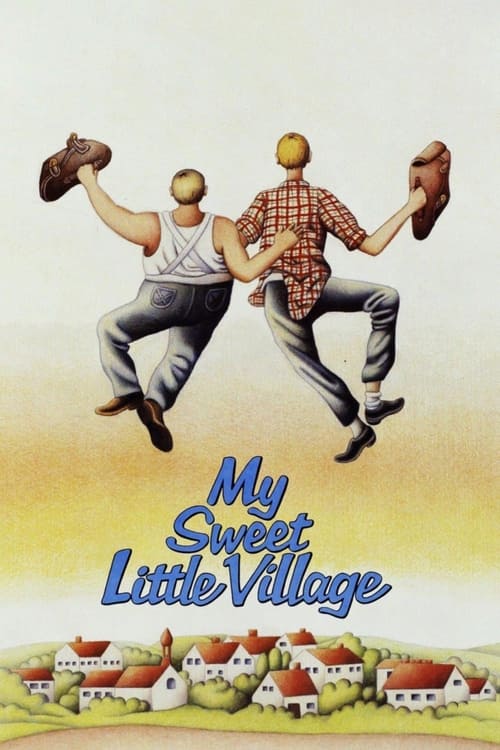
The movie's main storyline follows the life of Otík, a young man, in a tight-knit village community. The sweet-tempered Otík works as an assistant truck driver with Mr. Pávek, his older colleague and practical-minded neighbor. Pávek's family takes care of Otík, whose parents are dead. However, the two coworkers become at odds over Otík's inability to perform even the simplest tasks. Pávek demands that Otík be transferred to assist another driver, who happens to be a choleric and suspicious man named Turek (Turk in Czech). Rather than work with Turek, Otík decides to accept an offer of employment in Prague, but finds he does not fit in to the city life. After discovering that the transfer of Otík to Prague was a trick by a crooked politician to get a deal on Otík's large inherited house, Pávek agrees to give Otík a second chance and retrieves him from the city to resume their work together.
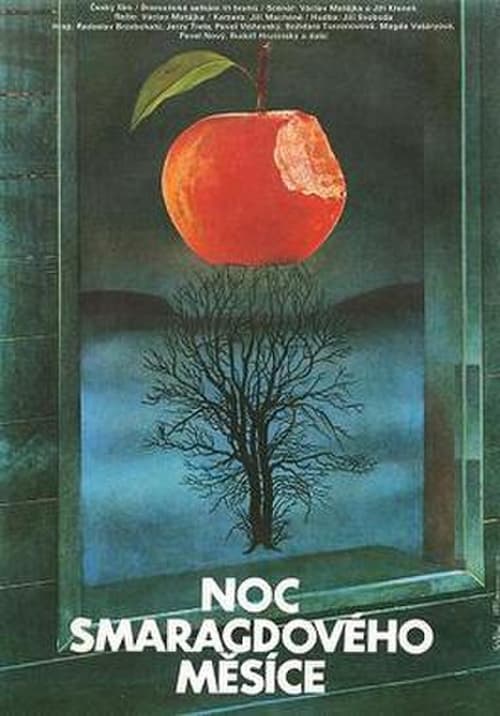
This downbeat, grim drama about three brothers who are reunited at their mother's funeral is actually visually as dark as its story, making it difficult at times to clearly distinguish a scene. These brothers are not particularly exceptional as people go, but at least they have branched out into separate vocations in their lives. One brother is a doctor, another is a criminal, and the third is a bus driver. Like others in Europe, they suffered through World War II, yet no matter what their backgrounds and experiences, their interpersonal relationships are not exactly gripping drama.
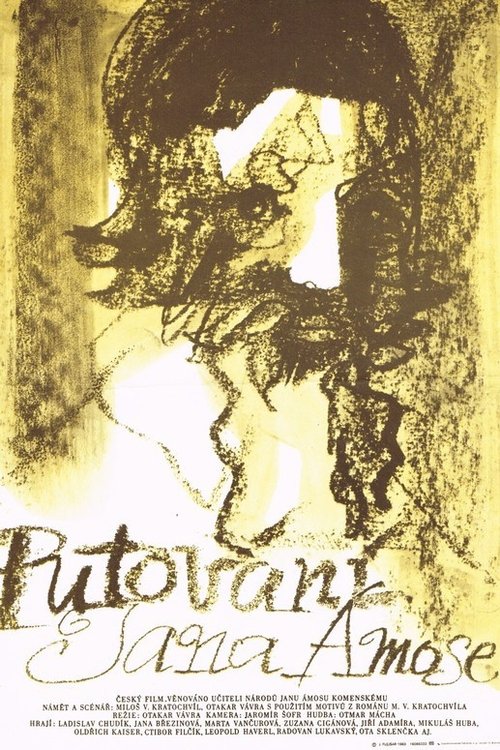
The distressing fate of the Czech great Jan Amos Komenský, forced to leave his homeland after the White Mountain disaster. It depicts his encounters with various European personalities of the 17th century - the Queen of Sweden, artists and scientists. It emphasises the hero's nobility, but also his inner resilience, which allowed him to overcome many personal and professional tragedies. The parable of The Labyrinth of the World and the Paradise of the Heart becomes part of the story. However, Comenius's concept is sculpturally lifeless and, in particular, the religious dimension is "erased" from it. The simplistic biography therefore does not avoid schoolboyish dryness.
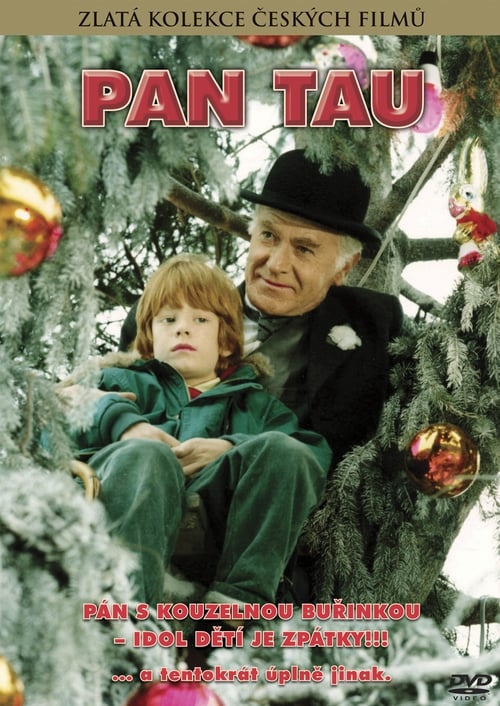
Pan Tau, the friend of all children, now also helps the adults. A movie producer is in trouble and decides to shoot another Pan-Tau movie. But the old Pan-Tau actor Karasek is no longer young enough to walk the almost weightless walk of Pan Tau. Mr. Novak turns up - he resembles Pan Tau like a twin brother. He succeeds every pirouette. And as if by magic, he solves all the problems between people! Who is Mr. Novak? Is he really ...?
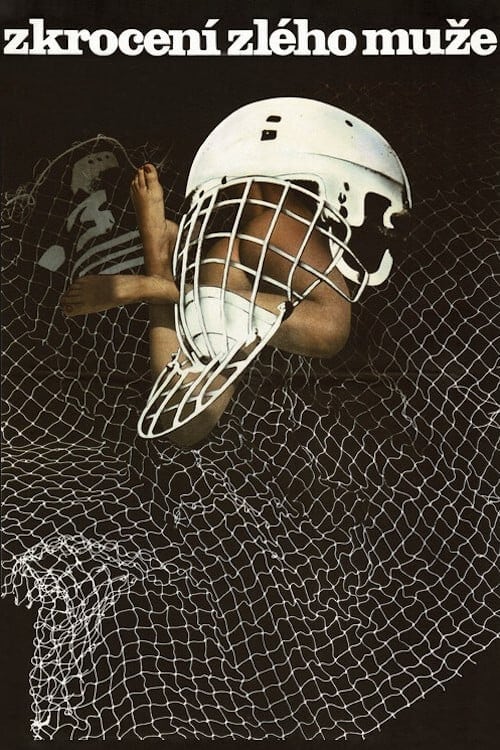
Tereza lives and works in Prague. She meets a handsome man, Tommie, speaking in a language incomprehensible to her. It seems that he is the manager of the Finnish ice hockey team. A love story starts to blossom. When the coach of the Czech ice hockey team tries to use Tereza to retrieve information about the strategy of the Finnish team, Tommie leaves Tereza. Will Tereza be able to clear up this misunderstanding?
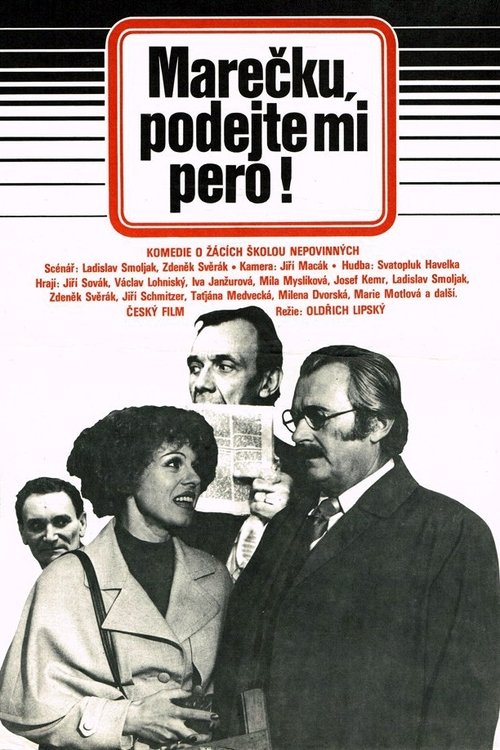
This comedy is about one average family. The father works as master in the factory and his son is studying on high school. One day father must start to visit the evening school. It's the same school as his son visiting. The lives both students are connecting together. The son must teach the math and physics his own father. The father getting to know, that the life of the students is not simple as he supposed.
A tragicomic story from a tragicomic time - this is how one could characterize Jiří Hubac's play, which premiered in May 1991. The drama of two friends who fought in England as Czech airmen during the war and had to live through the well-known martyrdom after returning home is a story about the power of friendship, the courage to transcend oneself in the face of violence and the right to preserve human memory. The television film by director Jaroslav Dudek, who cast Jiří Bartoska and Josef Dvořák in the lead roles, was honoured with the prestigious Prix Europe international award in Reykjavik.
The construction of a gigantic facility such as the Dukovany nuclear power plant requires only the most capable experts. Such is the engineer Hlaváč, who has been involved in the project from the very beginning as a construction manager. He has to deal with many problems, especially the lack of manpower. He is unfairly demoted to a lower position due to the intrigues of his subordinates and the alibi of the management, but time proves him right and by the time the plant is inaugurated, he is once again the main manager. But the demanding job takes its toll, his heart cannot withstand the frantic pace of work...