Théo Robichet
Camera
Biography
Théo Robichet is a French director and director of photography. He is born in Saint-Malo the 6th of May 1941 and died the 27th of August 2016. Hi is most known for his documentary movies. He started his career as the assistant to the director of photography on Jean-Luc Godard's movie "Bande à part", Raoul Coutard. He later worked on multiple short films and finally turned towards documentary movies. Robichet covered multiple regions of the world like Bolivia or Nigeria. He also made two documentaries about the fate of the people of Western Sahara.
Known For
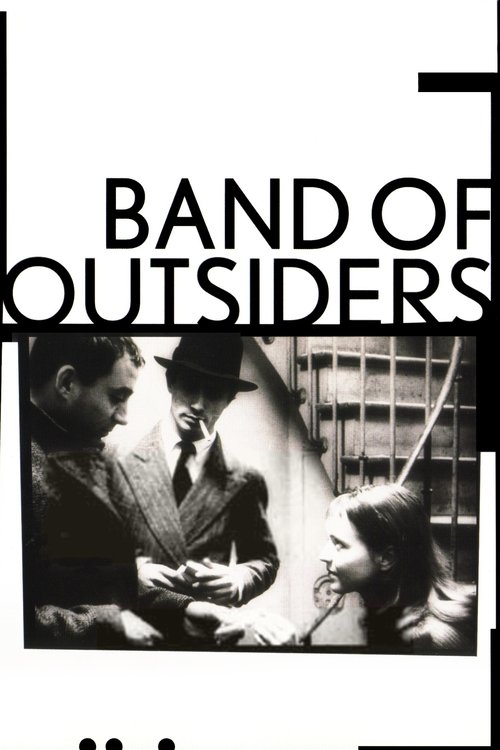
Cinephile slackers Franz and Arthur spend their days mimicking the antiheroes of Hollywood noirs and Westerns while pursuing the lovely Odile. The misfit trio upends convention at every turn, be it through choreographed dances in cafés or frolicsome romps through the Louvre. Eventually, their romantic view of outlaws pushes them to plan their own heist, but their inexperience may send them out in a blaze of glory -- which could be just what they want.
Band of Outsiders
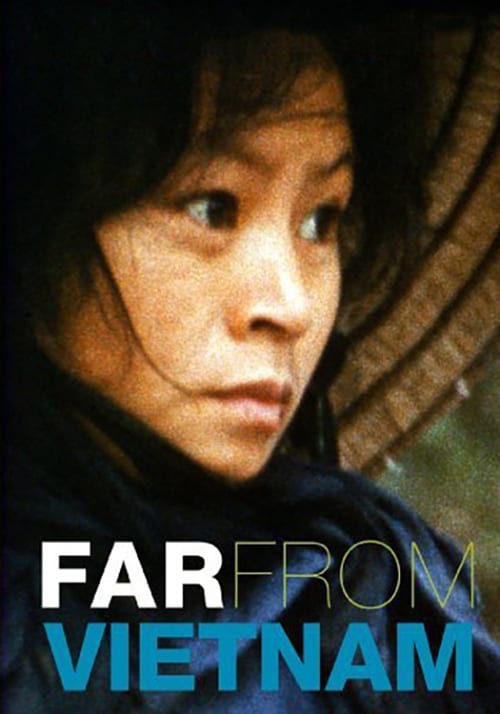
In seven different parts, Godard, Ivens, Klein, Lelouch, Marker, Resnais, and Varda show their sympathy for the North-Vietnamese army during the Vietnam War.
Far from Vietnam
The owner of a luxurious yacht seduces attractive women to deliver them to a black crew member.
Des goûts et des couleurs
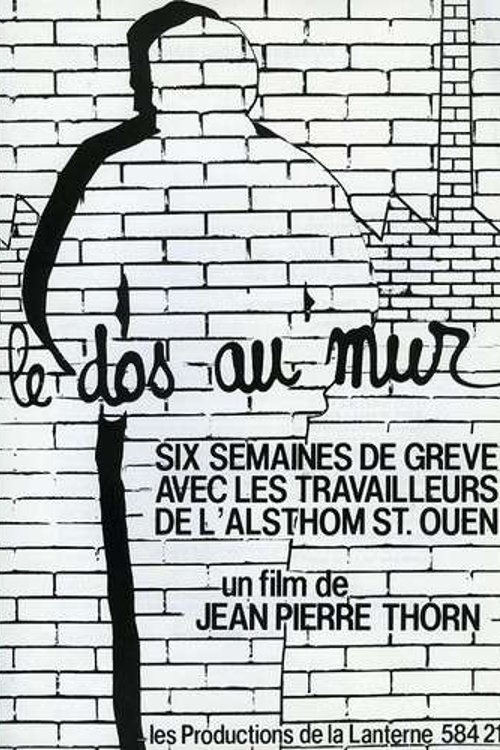
No description available.
Le Dos au mur
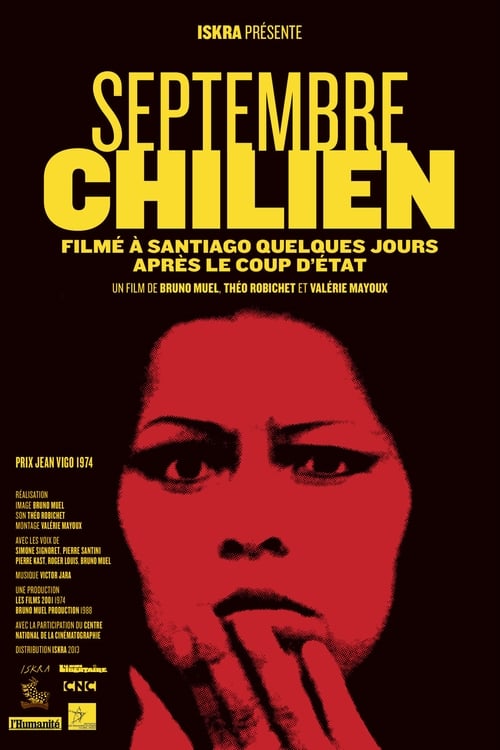
Bruno Muel's documentary on the coup in Chile in 1973. Muel, who was part of the famed Medvedkine group, along with Chris Marker and Jean-Luc Godard, among others, captured one of the most powerful portraits of the early days of Dictatorship. Profound solidarity with the socialist cause, Muel and his team showed great courage to mix the official registration of images with those triumphant, clandestine, of the nascent opposition.
Septembre Chilien
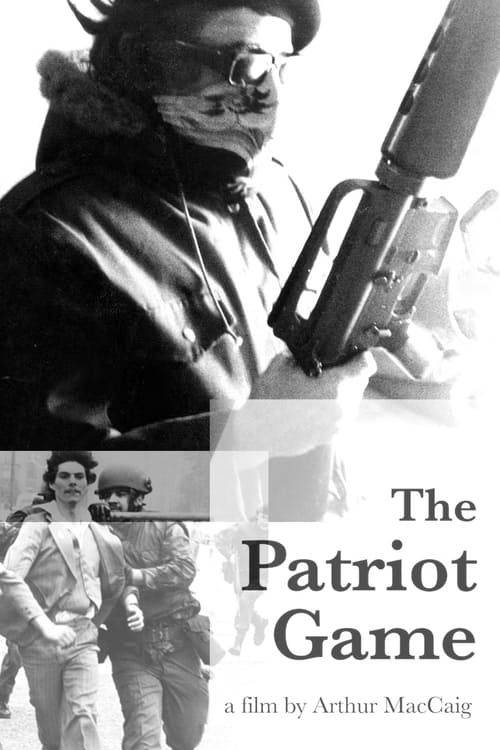
Recounts Ireland's history from British colonization to the territory's division in 1922, then from 1968 details a decade of events through images and eyewitness accounts of killings and such massacres as the infamous "Bloody Sunday" as the IRA argues their cause.
The Patriot Game
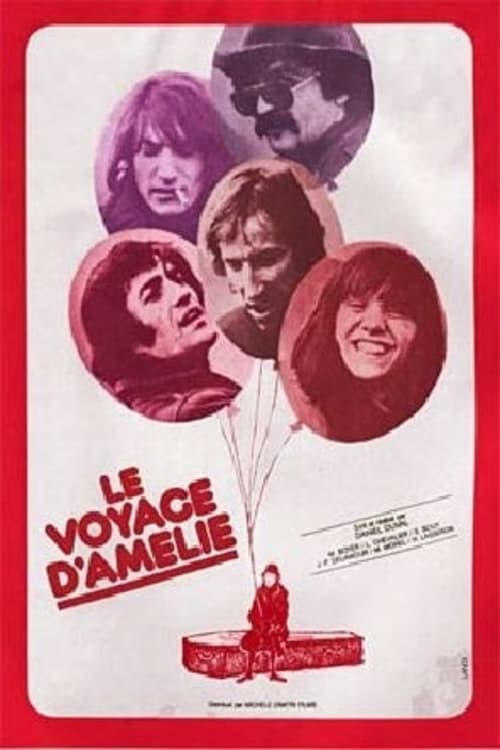
In this gentle comedy, a disaffected group of young people bungle their first hold-up when the old lady they choose to rob turns out to be even poorer than they are. Not only that, but her husband has died, and she needs to get his body back to his hometown for burial and she is getting no help from the state. The would-be robbers good-naturedly agree to help her, and have a series of odd adventures involving the old lady, the corpse, and themselves. Eventually, the old lady dies as well, and they are really in a pickle.
Le voyage d'Amélie
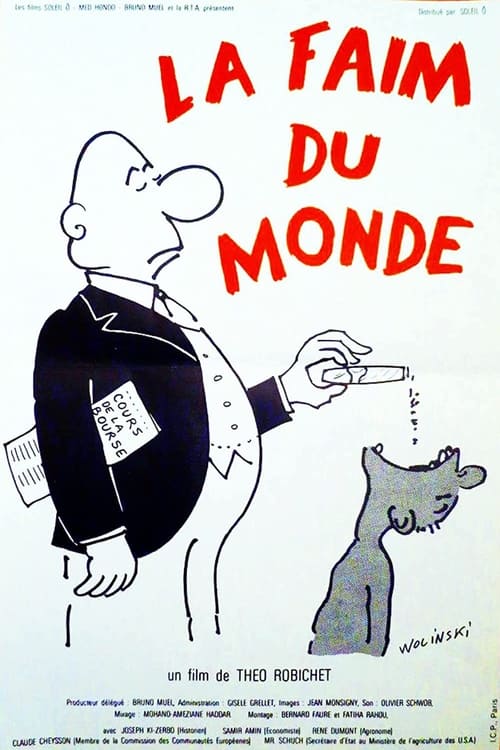
A documentary that critiques the neo-colonial destruction of indigenous African agriculture and economies, resulting in mass starvation.
Hunger Of The World
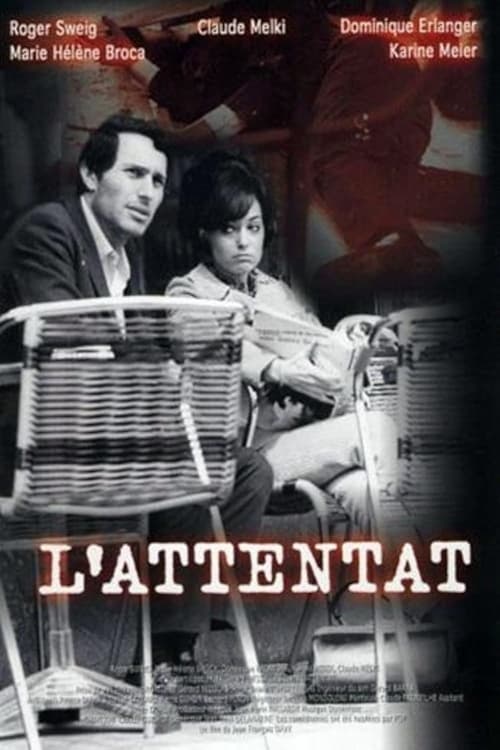
André is a loser. He dreams of becoming a great writer and being sought after by wonderful women. To make something interesting happen in his life he visits political meetings.
L'attentat
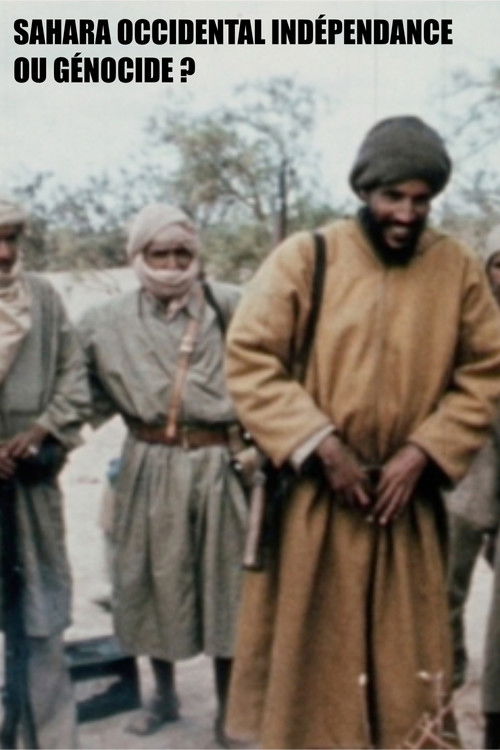
No description available.
SAHARA OCCIDENTAL INDÉPENDANCE OU GÉNOCIDE ?
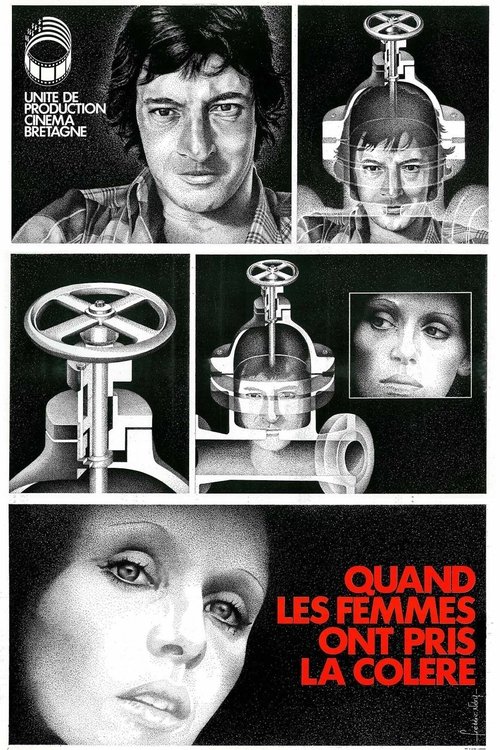
The action takes place in a metallurgical factory which was part of the Pechiney-Ugine-Külhman trust in Couëron, Loire-Atlantique, in 1975. To show their solidarity with their husbands on strike, workers' wives invaded the director's office and obtained in two hours what was refused to them for months. But the management complained and sued. Twelve wives were charged with forcible confinement. The mobilization then widened. The women called on the Bretagne Cinema Production Unit (UPCB) to make a film about their struggle. Narrating the courageous action of solidarity of women with the strikers of the factory and the emergence of a collective awareness, both feminist and working-class, the film is also an echo chamber sensitive to the aspirations of the twelve women who were charged.